



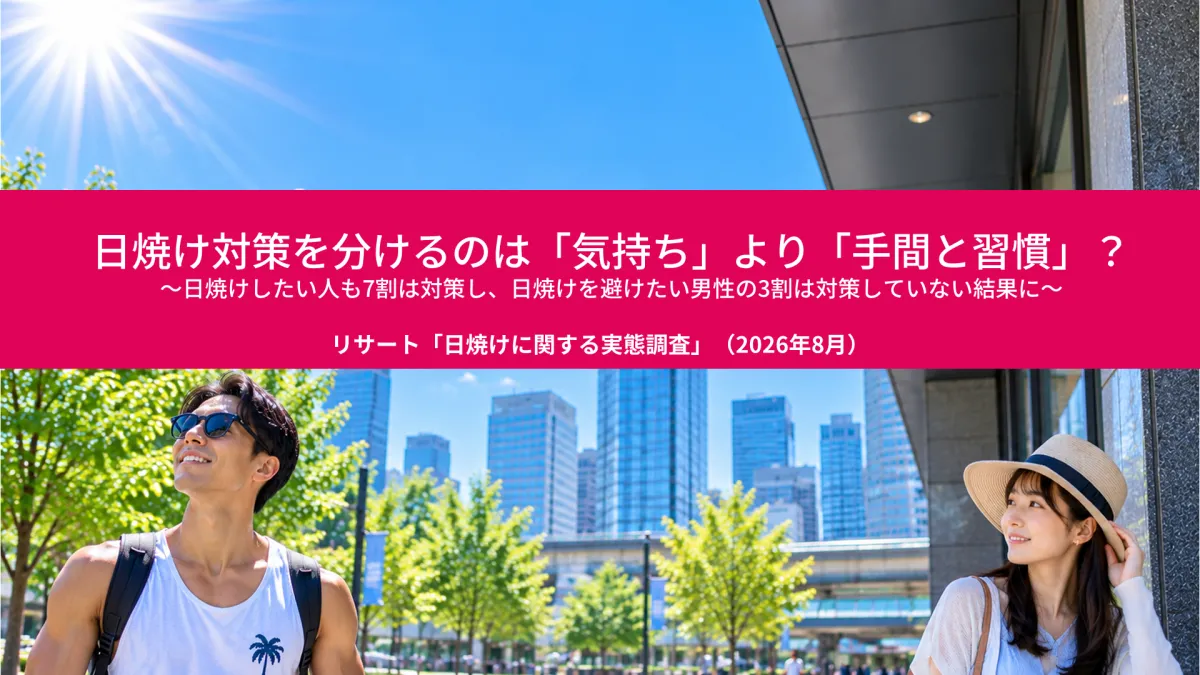
Does Preference Matter More Than Effort in Sun Protection Measures?
Sun Protection Behaviors: What Do Japanese Attitudes Reveal?
In the scorching summer of 2026, the issue of sun protection has become increasingly paramount in Japan. A study conducted by the marketing research firm Researto surveyed 800 individuals aged 20 to 59 across the country, exploring their behaviors and attitudes towards tanning and sun protection. An interesting pattern emerged—while 14.5% of respondents expressed a desire to tan, about 70% of this group still employed measures to protect themselves from harmful UV rays. Conversely, approximately 30% of men who indicated they wanted to avoid tanning reported taking no protective actions.
Survey Overview
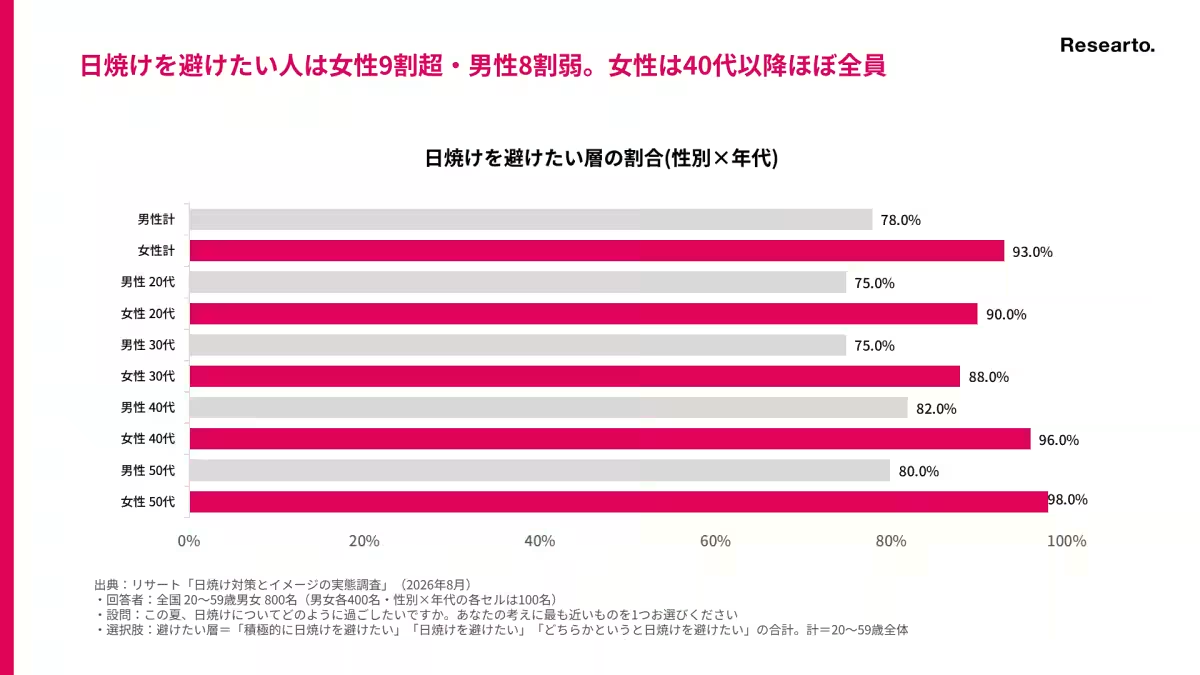
The survey conducted in August 2026, aimed to understand the sun protection measures adopted by different demographics, further revealing profound insights about societal attitudes towards tanning. Notably, the majority of the population (85.5%) preferred to avoid tanning altogether. However, the male demographic represented a shift in this trend, with over 22% of men expressing a desire to tan, especially in the younger age group of 20 to 30 years, where the number peaked at 25%.
When asked about their motivations for wanting to tan, the responses highlighted a mix of desires: feeling the essence of summer, wanting to leave a trace of outdoor activities, and the inconvenience of applying sun protection products.
Analysis of Protective Measures
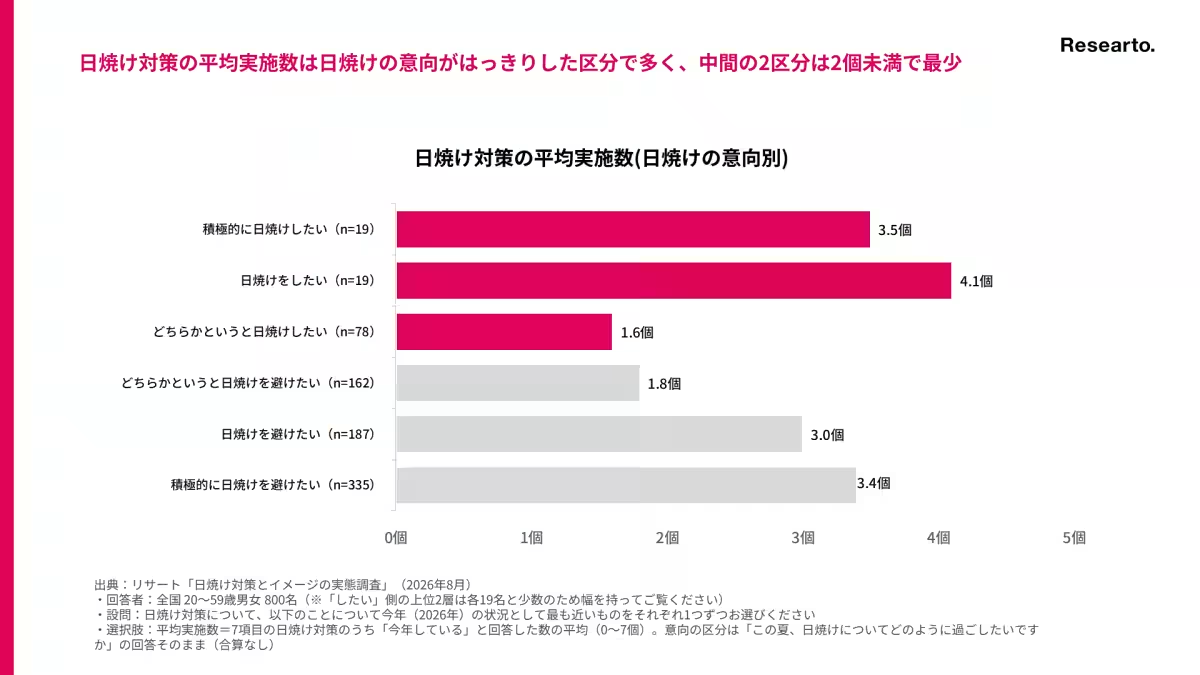
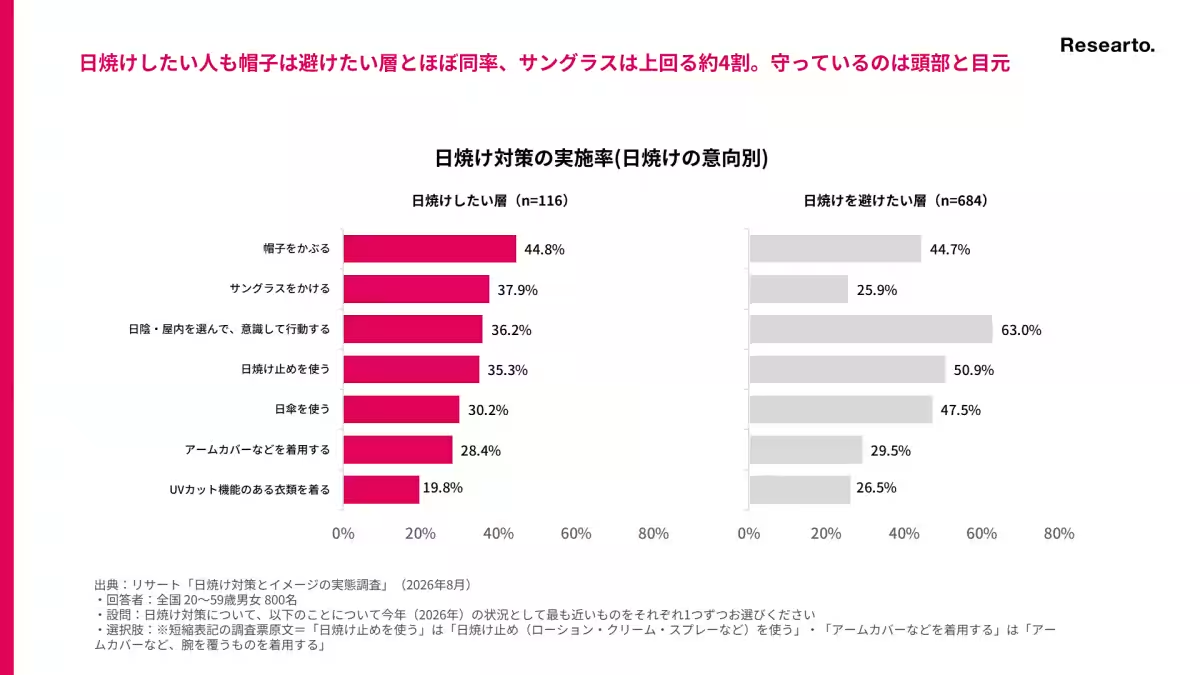
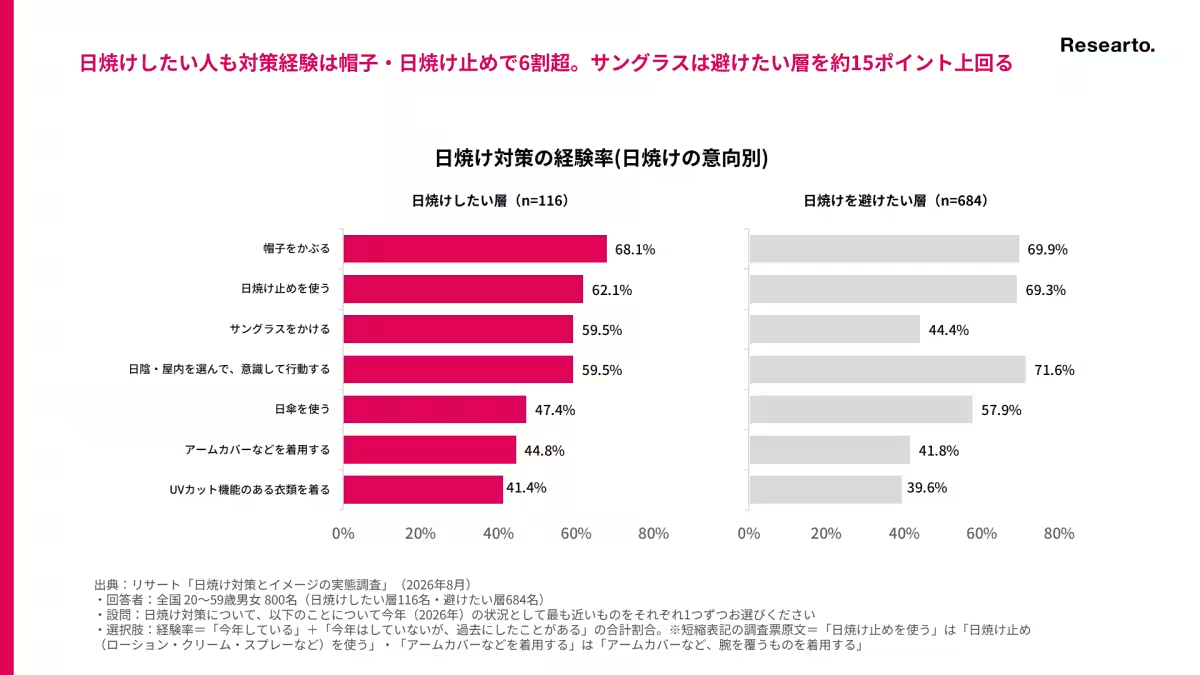
Despite their interest in tanning, around 70% of those who wished to tan were taking some form of protective measures. The average number of protective actions taken by this group was 2.3, which is only slightly lower than the 2.9 protective actions reported by those wishing to avoid tanning. Analyzing the categories of protective actions, about 44% of both tanning and non-tanning groups wore hats. In contrast, 37% of those wanting to tan used sunglasses, surpassing the 25% in the group avoiding tanning.
These findings indicate that attitudes towards sun protection differ more significantly based on individuals' clarity of intent and the convenience of integrating protective measures into daily life than on their preference for tanning or avoidance.
Men's Attitudes Towards Sun Protection
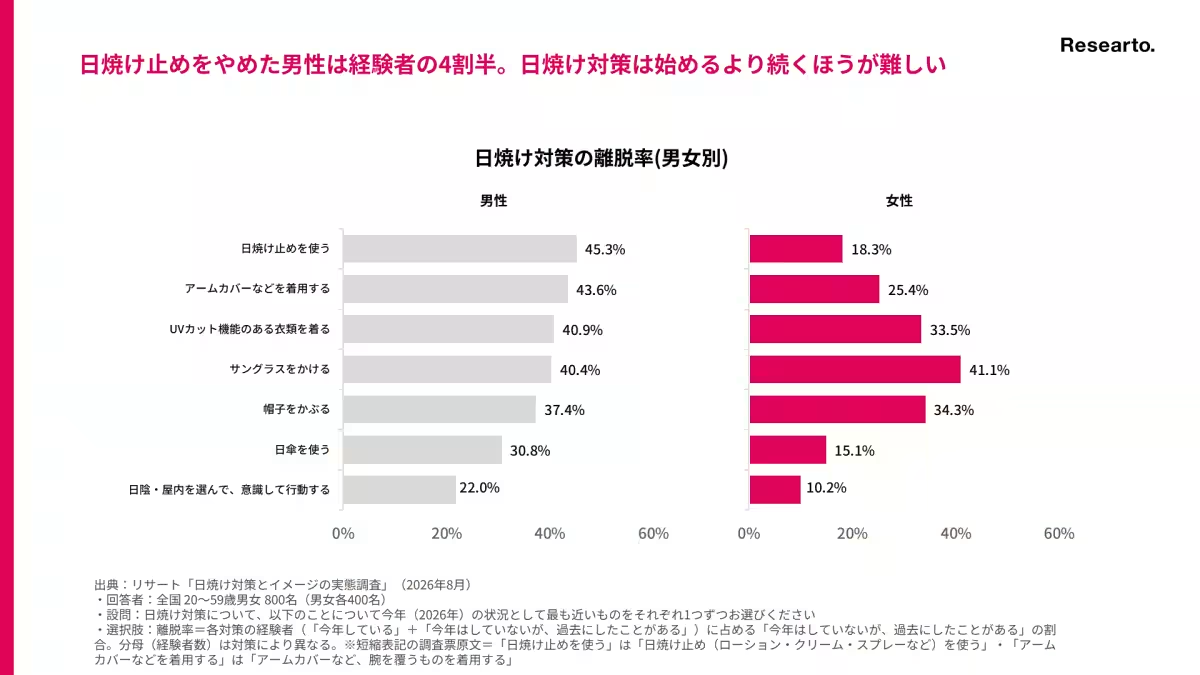
Interestingly, a gap was noted—among men who wanted to avoid tanning, nearly 30% did not apply any protective measures. Additionally, 45% of men who had used sunblock in the past opted not to do so this year. This highlights a gender disparity with men being more inclined to discontinue use of sun protection measures, as compared to women.
Perception Versus Risk Awareness
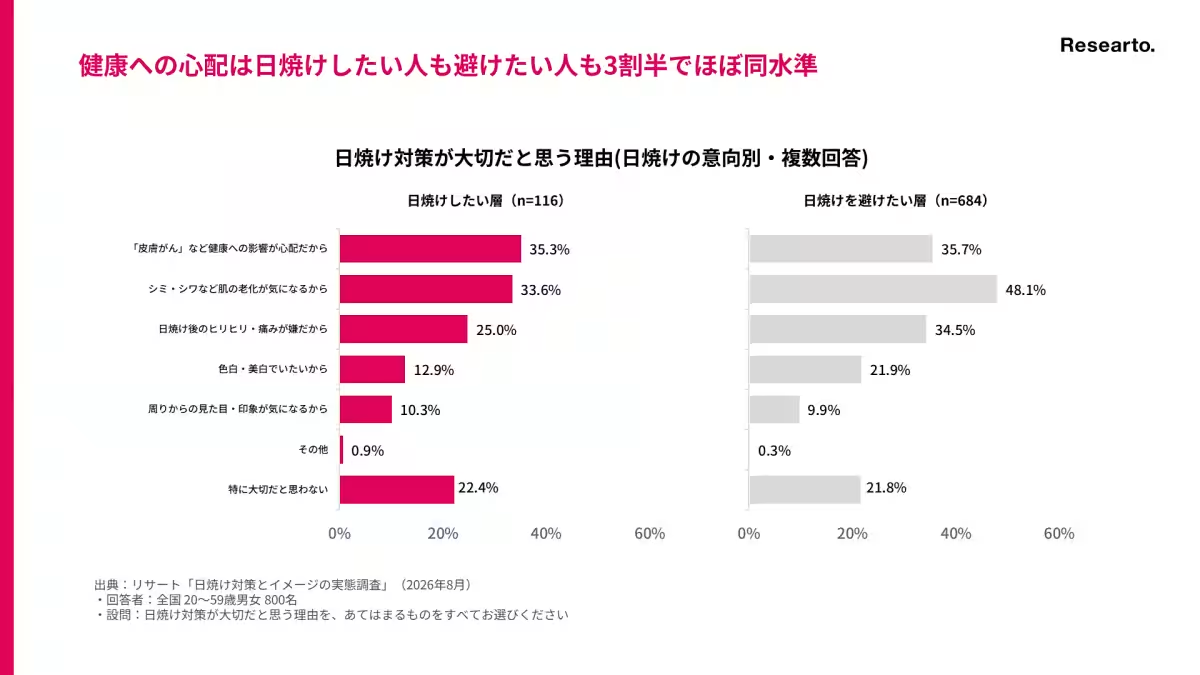
The research reveals an intriguing psychological variable; both groups had similar anxiety regarding health risks, such as skin cancer. However, the key difference lies in their perception of a tanned appearance. For instance, 31% of those wanting to tan believed a tanned complexion looks healthy, compared to just 12% of those wanting to avoid tanning. This difference is crucial, as it suggests that the social image associated with tanning heavily influences personal behavior.
Generational Differences in Attitudes
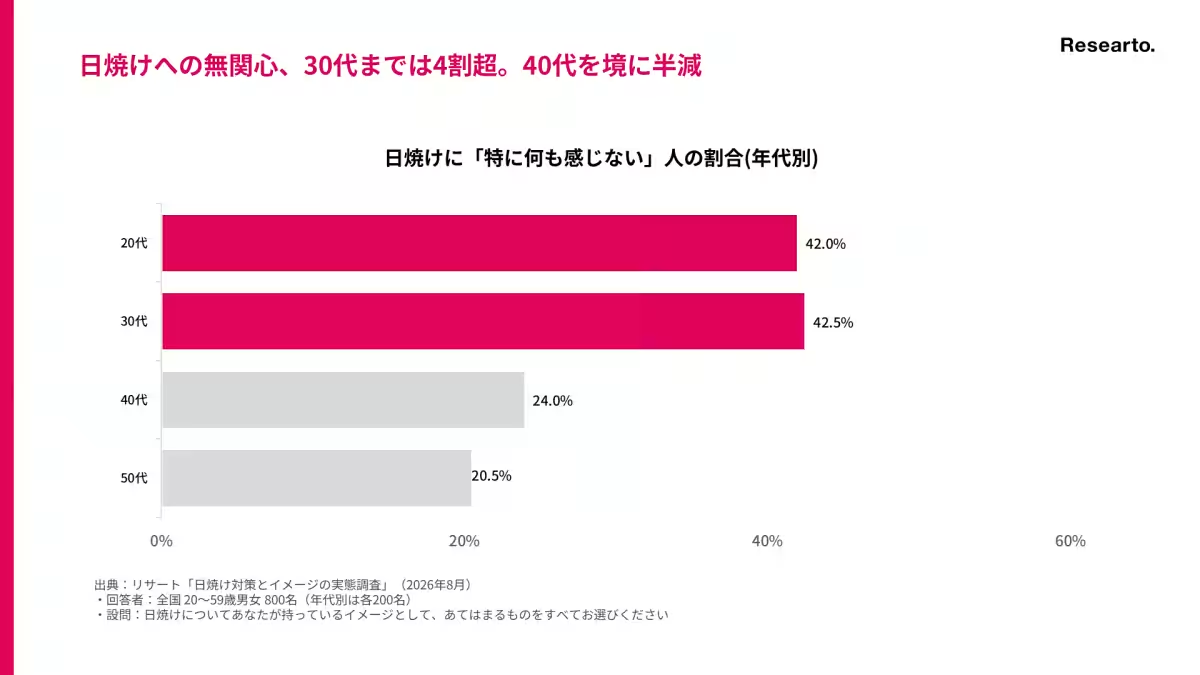
Delving into the generational aspect, responses varied significantly. Over 40% of individuals in their 20s and 30s noted they felt indifferent about tanning, possibly indicating a lack of awareness or interest, which drops to around 20% among those in their 40s and beyond. This notable decline at the 40-year mark might imply a shift in priorities or increased awareness about the implications of UV exposure.
Conclusion
The findings from Researto's study illustrate a complex relationship between intentions to tan and the adoption of sun protection. While many express a desire to tan, even among this group, a significant percentage recognize the necessity of sun protection. The critical takeaway for businesses offering sun care products is that effective marketing strategies should cater not only to the dichotomy of 'wanting to tan' versus 'wanting to avoid' but also consider the nuances of how individuals perceive tanning, alongside the convenience and minimal effort required for sun protection. This could pave the way for better integration of sun safety measures into daily routines.
Research Methodology
The study, “Reality of Sun Protection and Image,” was conducted through an online survey with 800 representative samples, ensuring a balanced view across different demographics and preferences.
Topics Consumer Products & Retail)



【About Using Articles】
You can freely use the title and article content by linking to the page where the article is posted.
※ Images cannot be used.
【About Links】
Links are free to use.