




The Hidden Threat of Scalping in D2C E-Commerce: A Growing Challenge
The Hidden Threat of Scalping in D2C E-Commerce: A Growing Challenge
In recent years, the boom in Direct-to-Consumer (D2C) e-commerce has faced unprecedented challenges, especially with the upcoming Golden Week shopping season. A recent study conducted by Spider Labs has uncovered alarming statistics regarding the prevalence of fraudulent orders, revealing a staggering 4.38% rate of scams in the e-commerce sector. This means that approximately 1 in every 23 orders is deemed questionable, resulting in an annual economic impact of nearly ¥134 billion (around $1 billion) on the domestic D2C market.
Understanding the Scalping Issue
Scalping isn't confined to just gaming consoles or limited-edition merchandise; it has evolved into a cunning method that targets various D2C items as well. With the Golden Week drawing near, many D2C brands are implementing discounts, trial offers, and affiliate campaigns to attract new customers. However, these initiatives also make brands prime targets for scalpers who utilize multiple accounts and devices to exploit first-time buyer perks for resale.
The crux of the issue is that fraudulent orders can easily be mistaken for legitimate new customers due to their subtlety and sophistication. As demand for authentic orders escalates during the Golden Week, conventional methods of order verification and manual checks fall short, increasing the risk of overlooking fraud.
Key Statistics and Patterns
Spider Labs analyzed data from 98 accounts that used the Spider AF fraud detection feature, encompassing approximately 7.34 million transactions. The findings revealed that around 4.38% of orders were fraudulent, amounting to roughly 881 questionable orders daily. This highlights that e-commerce platforms face considerable challenges in maintaining the integrity of their transactions, especially during peak shopping periods.
Projected estimates for the D2C market place it at an impressive ¥3 trillion by 2025. However, with the identified fraud rate, it’s anticipated that ¥134 billion in transactions will be contaminated by these issues, leading to detrimental effects such as perceived declines in customer retention rates and potential damage to brand value.
Common Fraudulent Patterns Detected
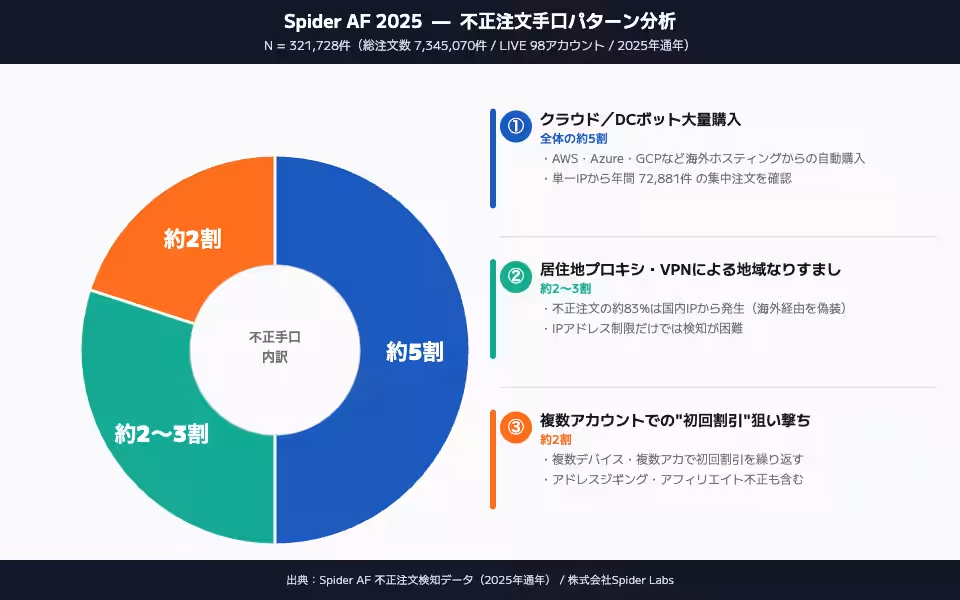
The study by Spider Labs also indicates three primary fraud patterns that D2C brands should be wary of:
1. Mass Purchases via Bots: Approximately 50% of detected fraud involved automated bot purchases originating from cloud services such as AWS and Azure. Notably, in 2025, a single IP address was responsible for over 70,000 orders.
2. Geolocation Spoofing: Around 20-30% of fraud is attributed to users who employ residential proxies and VPNs to mask their location, creating domestic access points. Alarmingly, about 83% of fraudulent orders generate from domestic IPs, further complicating the detection process.
3. Exploiting First-Time Discounts: This tactic involves using multiple accounts and devices to repeatedly claim introductory offers, including practices like

Topics Other)
【About Using Articles】
You can freely use the title and article content by linking to the page where the article is posted.
※ Images cannot be used.
【About Links】
Links are free to use.