



ANA Cargo and Satis Factory Launch Plastic Resource Recycling in Air Cargo Transportation
Introduction
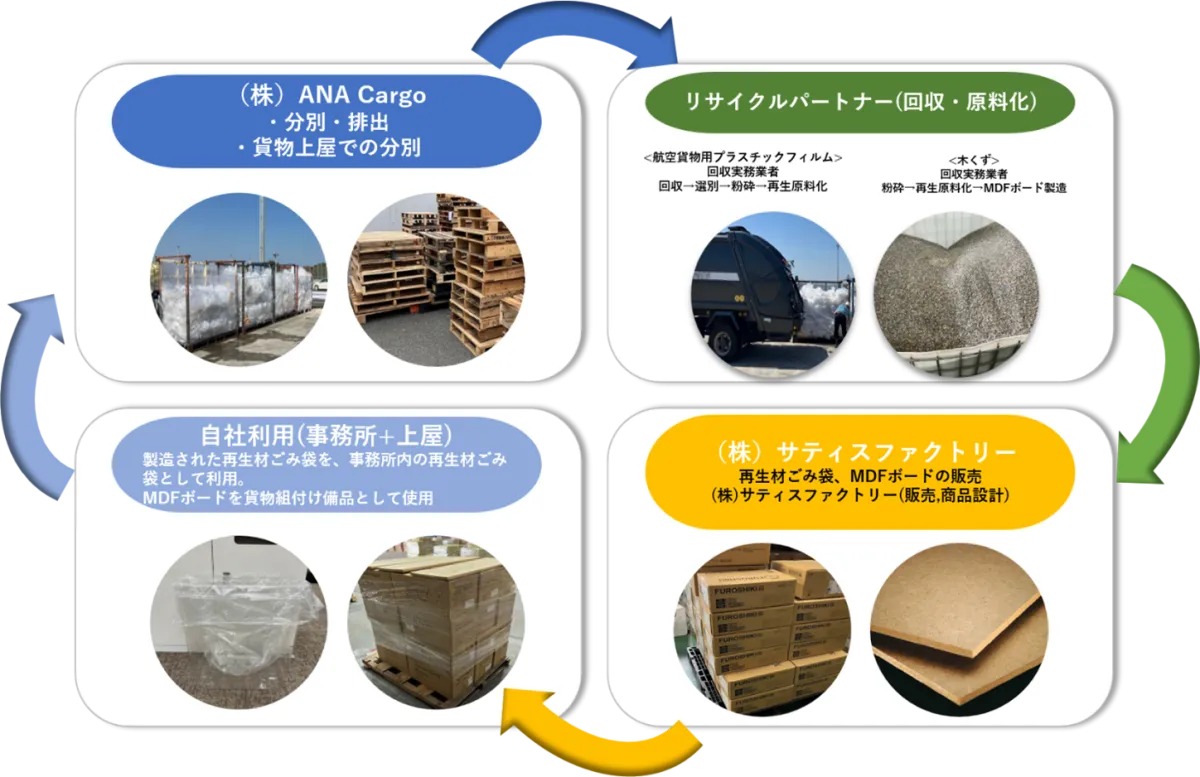
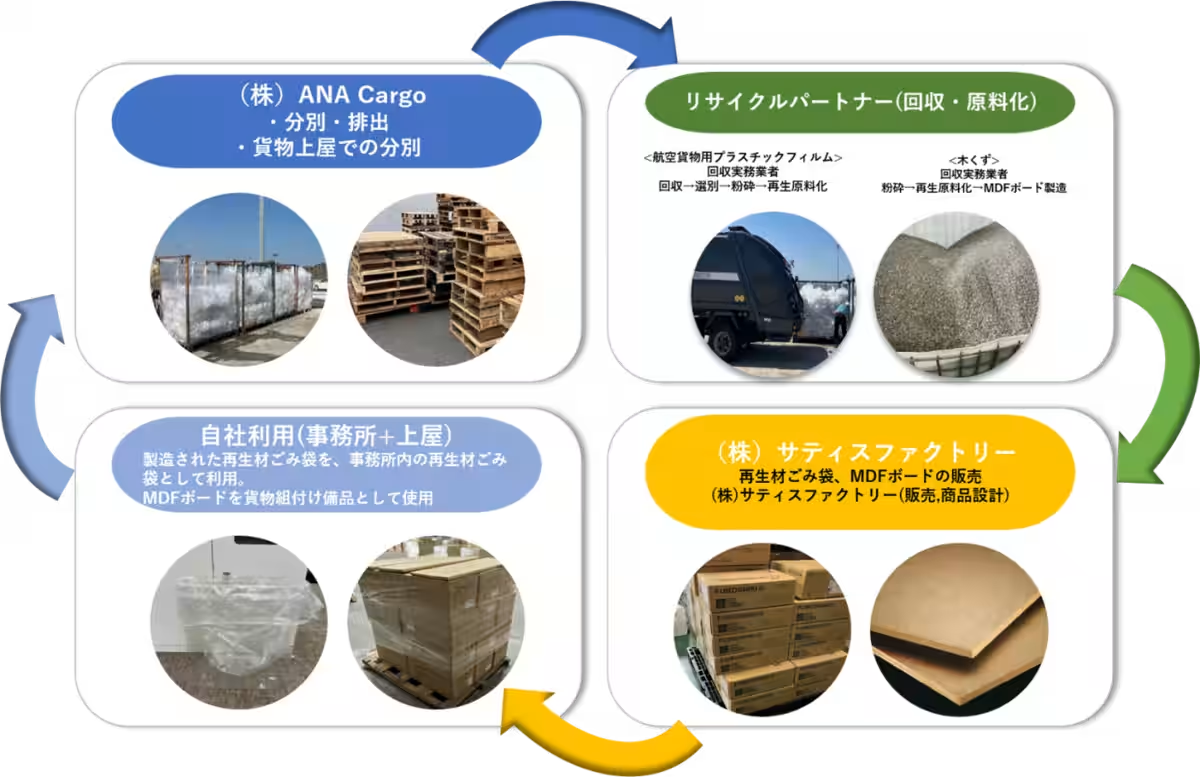
In a significant move towards sustainability, ANA Cargo and Satis Factory have announced the launch of a comprehensive plastic resource recycling scheme set to commence in April 2026. The collaboration aims to tackle waste generated from air cargo transportation by utilizing used plastic materials as resources, thereby promoting a circular economy in the sector.
Goals of the Initiative
This initiative primarily targets the reduction of plastic waste produced during air cargo operations. With an ambitious goal of enhancing the value of waste resources, it represents a commitment to evolving sustainable air logistics.
Key Steps in the Implementation of Plastic Resource Recycling
The resource recycling process will be executed in two vital steps:
1. Material and Chemical Recycling: At Tokyo's Narita Airport and Haneda Airport, ANA Cargo will focus on the material and chemical recycling of used air cargo plastic films. It is projected that this operation will lead to the collection of approximately 135 tons of plastic films annually at Narita Airport and 120 tons at Haneda Airport.
2. Closed Loop Recycling: The second step aims to establish a closed-loop system where recycled plastic products will be reused within ANA Cargo’s business operations. For example, the air cargo plastic films collected through Satis Factory’s network will be processed into recycled material garbage bags. This innovative step could potentially lead to a total of around 255 tons of plastic material being reclaimed for reuse each year across both airports.
Previous Achievements
Before this new initiative, ANA Cargo and Satis Factory have successfully implemented resource recycling for wooden transportation materials at both airports, including pallets and wood boards.
- - In fiscal year 2025, they recovered approximately 901.1 tons of wooden transport materials that were otherwise destined for waste.
- - Material Reuse: Proceeds from the recovery have been transformed into medium-density fiberboard (MDF) to facilitate safe and efficient cargo transport.
Environmental and Economic Benefits
The collaboration not only focuses on eco-friendliness but also pursues economic rationality. By optimizing supply chain logistics and refining resource recycling routes, ANA Cargo and Satis Factory aim to minimize environmental impact while maximizing overall resource value for their operations.
About the Companies
ANA Cargo
Founded in October 2013, ANA Cargo operates from the Shiodome City Center in Tokyo. It is a core company for air cargo services within the ANA Group, overseeing a range of activities from strategy formulation to operations. ANA Cargo is committed to achieving sustainable air transport by utilizing sustainable aviation fuel (SAF) and reducing CO2 emissions.
Satis Factory
Satis Factory has been pioneering waste management since its establishment in November 1996, focusing on the recycling and effective management of waste. Their expertise lies in designing logistics solutions that benefit all stakeholders by improving operational efficiency and reducing environmental impact.
Conclusion
The partnership between ANA Cargo and Satis Factory marks a pivotal step in promoting sustainability in the air transportation industry. The ambitious plans for plastic resource recycling reflect a growing recognition of the need to transition towards a circular economy and a commitment to reducing waste in logistics operations.
Topics Other)

【About Using Articles】
You can freely use the title and article content by linking to the page where the article is posted.
※ Images cannot be used.
【About Links】
Links are free to use.