



Survey on Children's Vision Correction Reveals Alarming Trends in Glasses Usage
Insights from the Survey on Children's Vision Correction
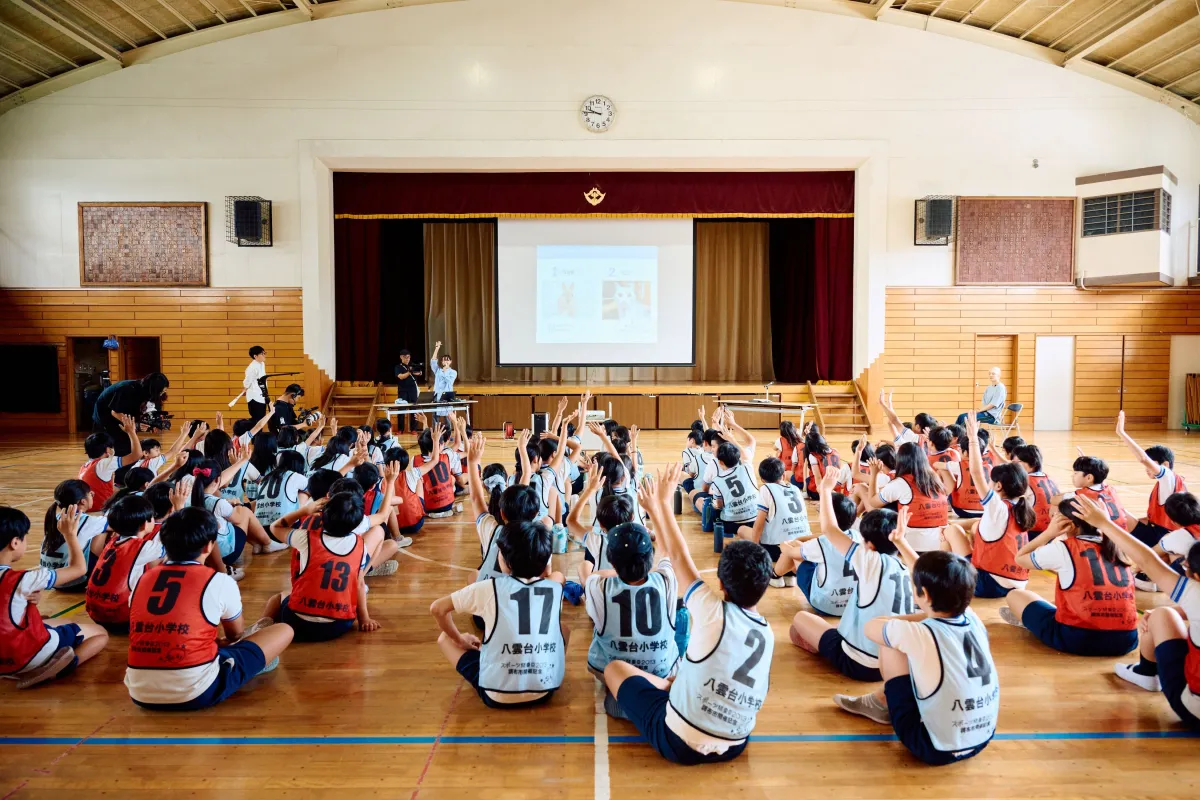
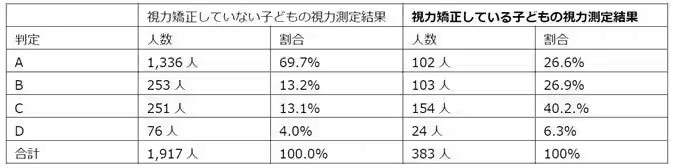
A recent study by the eyewear brand Zoff, operated by Intermestic, was conducted to understand the realities surrounding children's vision correction and glasses usage. The survey involved over 2,300 elementary school students and assessed not only their vision data but also gathered insights through questionnaires directed at parents and teachers. The results underscore a growing concern for children's eye health in an era where screen time is at an all-time high.
Summary of Findings
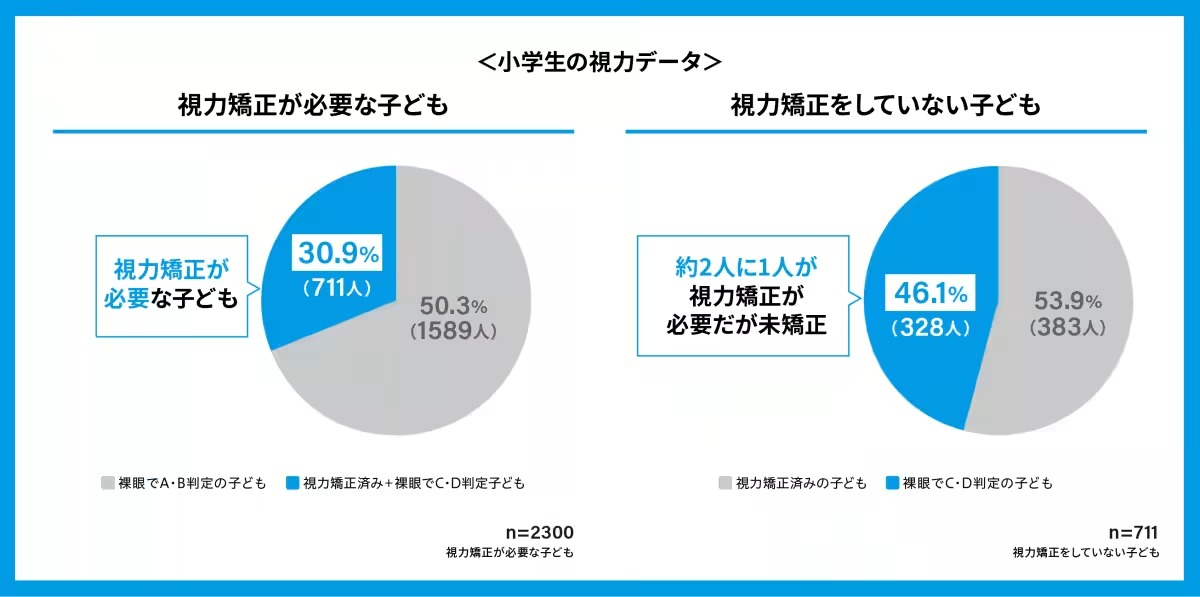
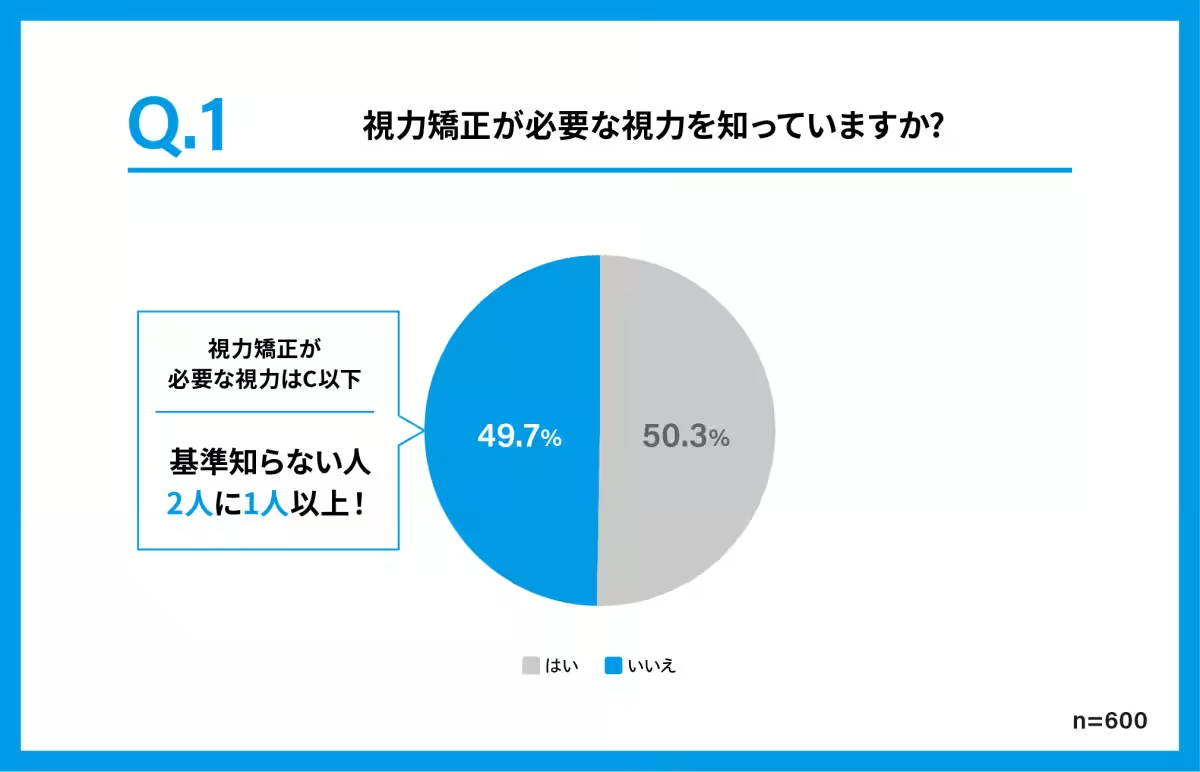
The survey indicates that approximately 30% of children in elementary school require vision correction. Alarmingly, among the children who need correction, 46.1% are not wearing glasses. This startling statistic reveals a gap in understanding and action concerning vision health. Among those who have received corrective eyewear, around half still do not achieve satisfactory vision following their corrections.
A majority of parents (about 49.2%) expressed concerns about potential negative consequences of wearing glasses, indicating a significant degree of misinformation.
Details of the Research
1. Target Group: The study analyzed responses from 279 students of grades 4 to 6, while also collecting data from 600 parents and 200 elementary school teachers.
2. Methodology: The data collection occurred through direct surveys as well as aggregated vision data from six schools.
3. Timeframe: The survey was conducted from February 26 to March 2, 2026.
Misconceptions about Glasses
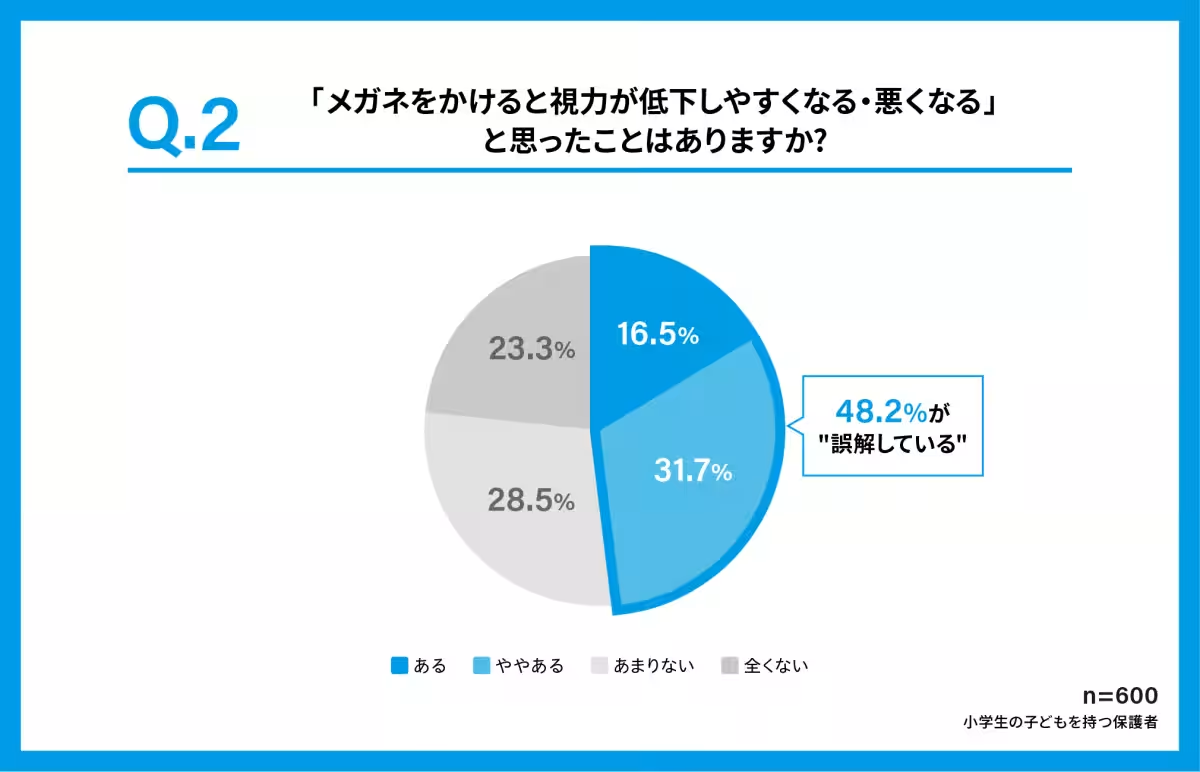
A notable finding was that 48.2% of parents believed that wearing glasses could lead to worsening vision. Such misconceptions can inhibit parents from seeking timely corrective measures for their children.
Experiences with Children's Glasses
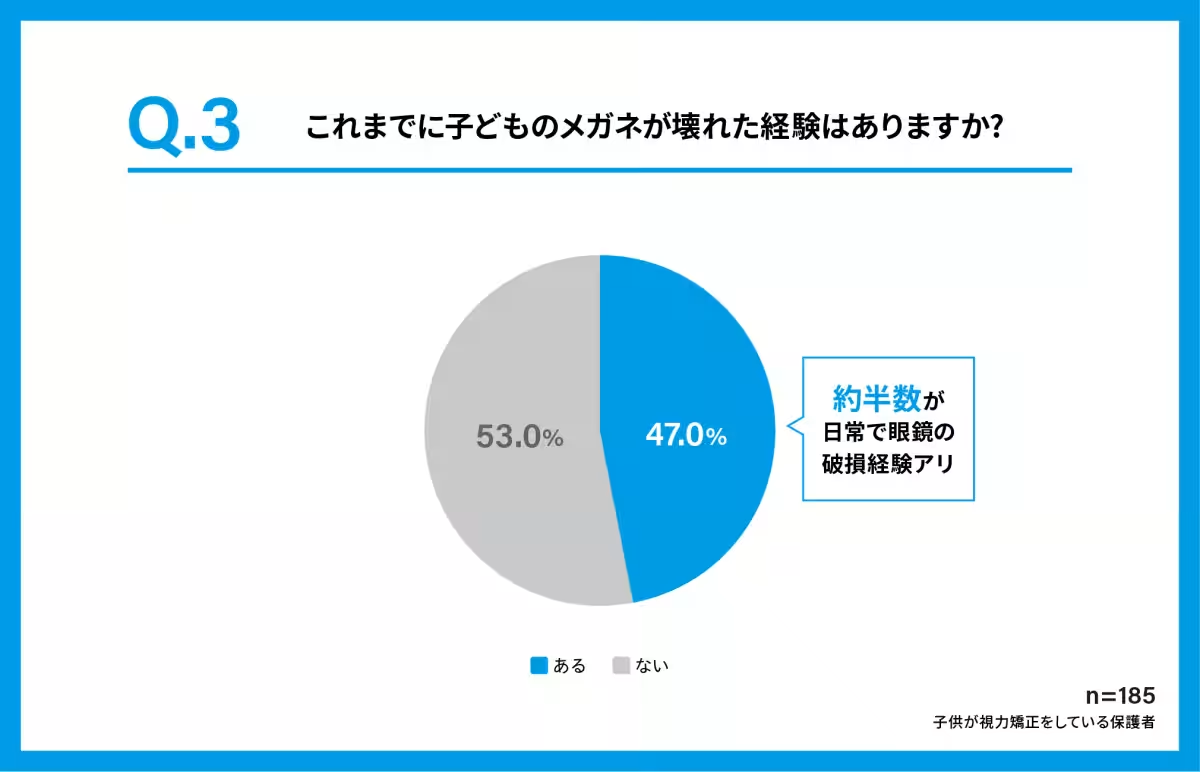
- - Breakage Concerns: Nearly half of the parents reported having experienced incidents where their child's glasses were damaged. This raises questions about the durability of children's eyewear and its ability to withstand daily activities.
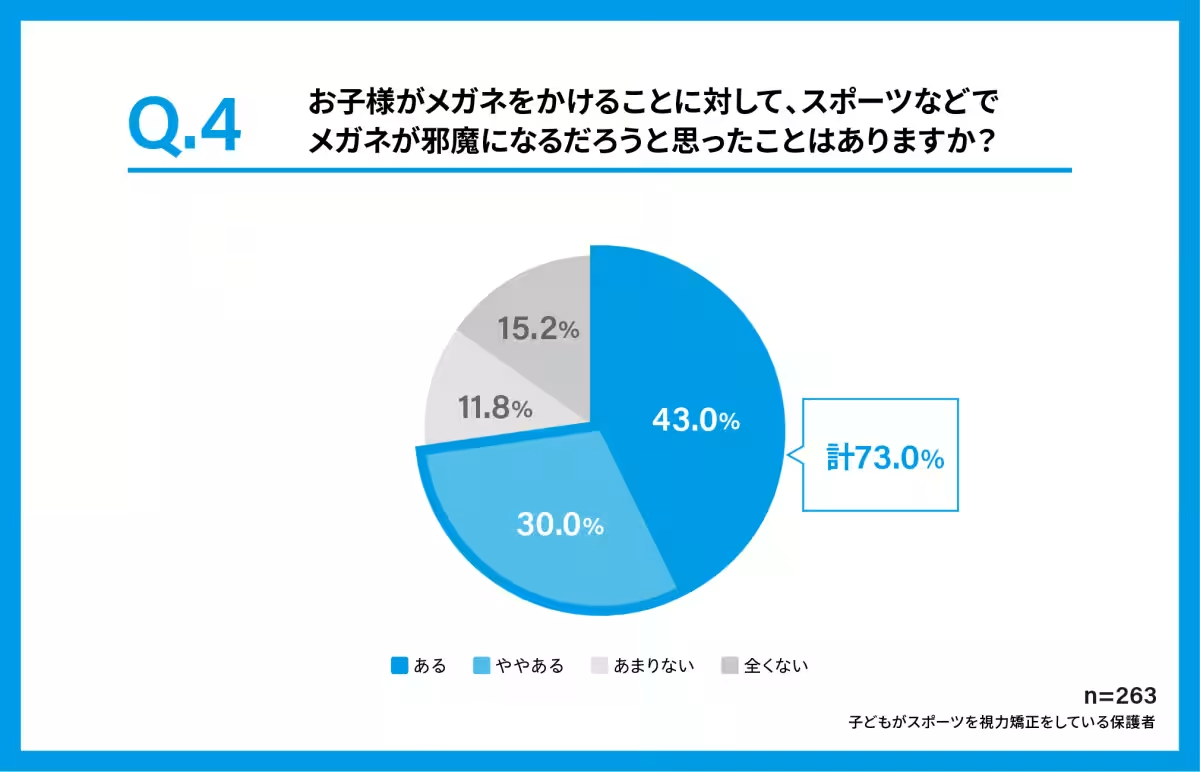
- - Sports Participation: A significant 73% of parents felt that glasses could hinder a child's performance in sports, revealing a need for more suitable eyewear for active children.
Desired Features in Children's Eyewear
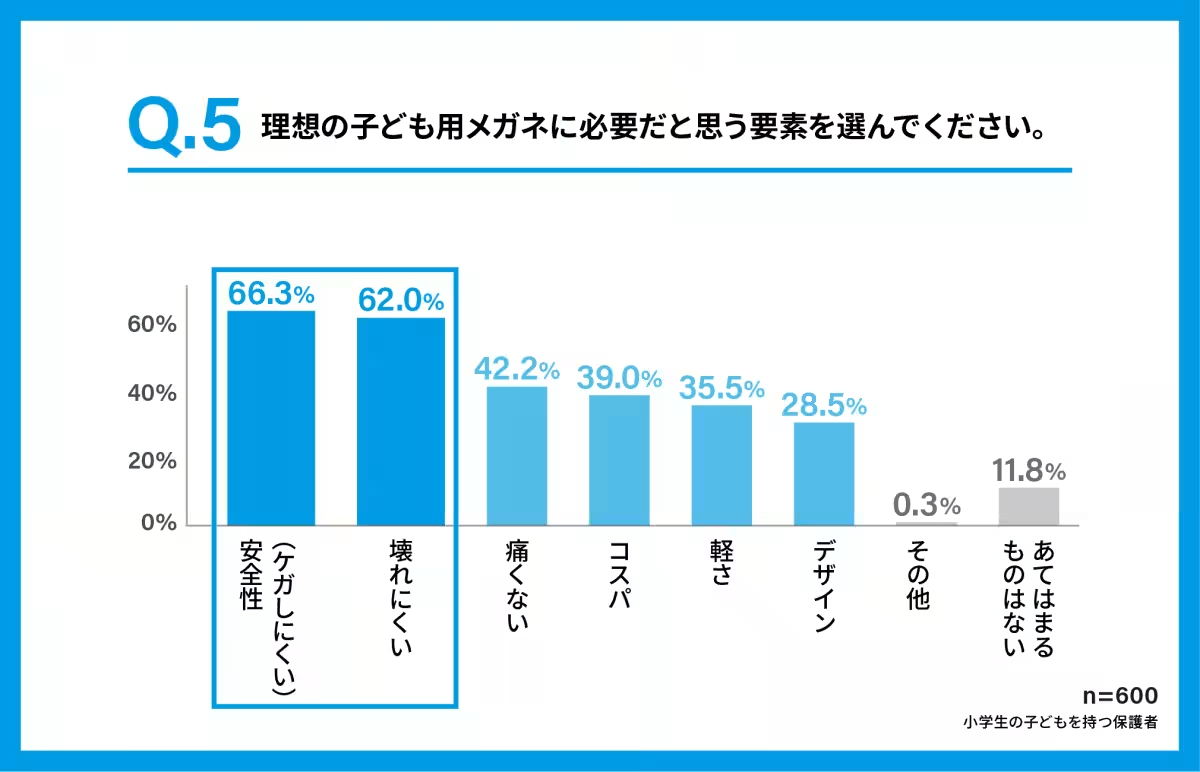
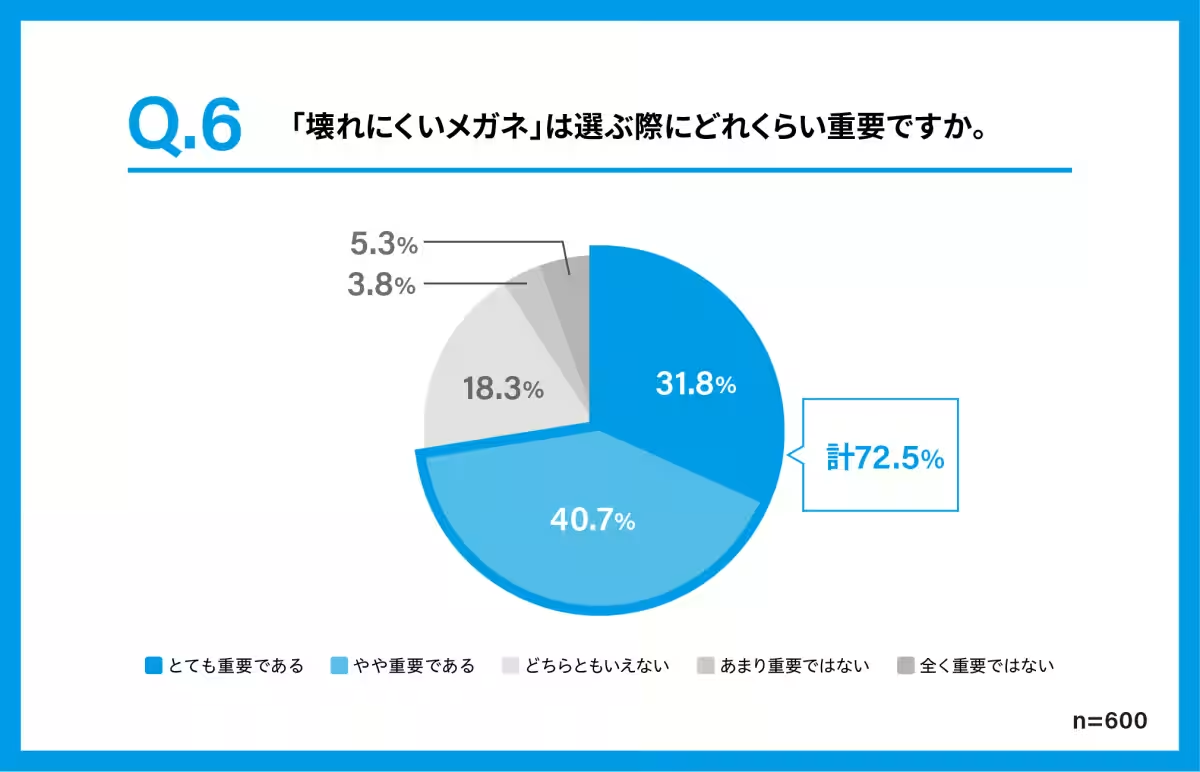
When asked what factors are most important in children's glasses, safety emerged as the top priority (66.3%), followed closely by durability (62%). It's clear that parents are actively searching for eyewear that can withstand a child’s lifestyle.
Observations from Educators
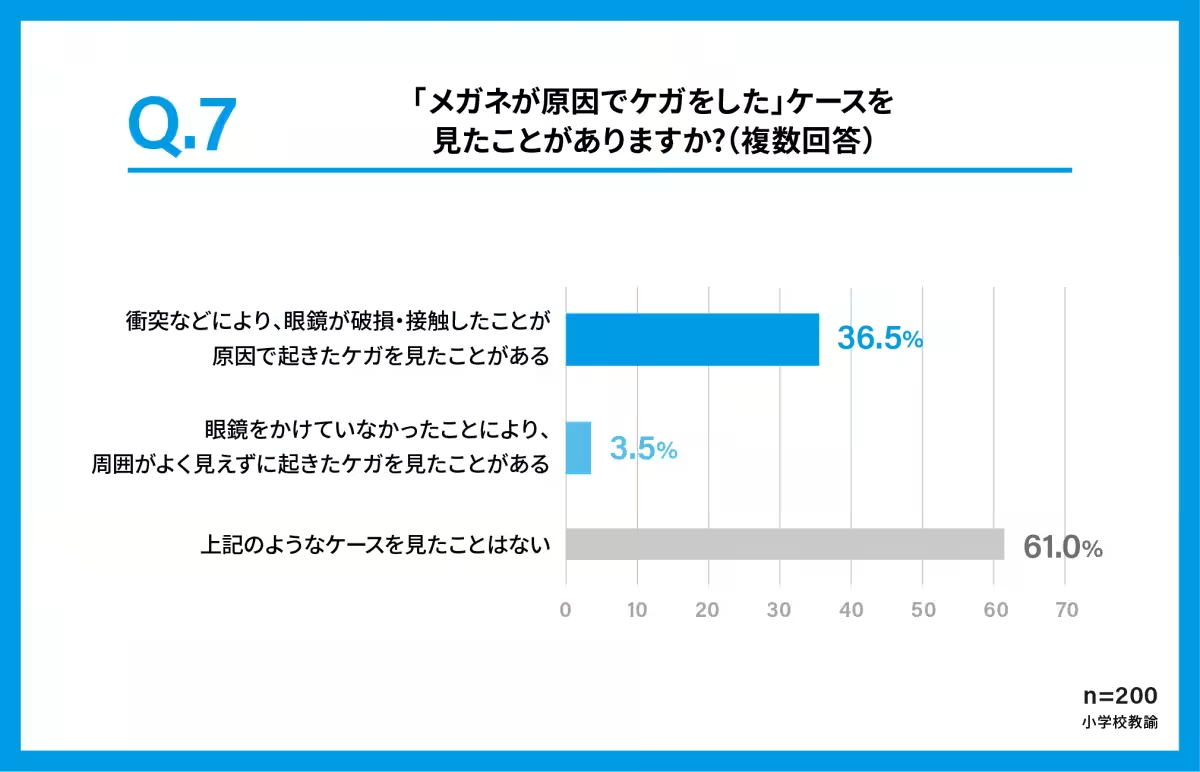
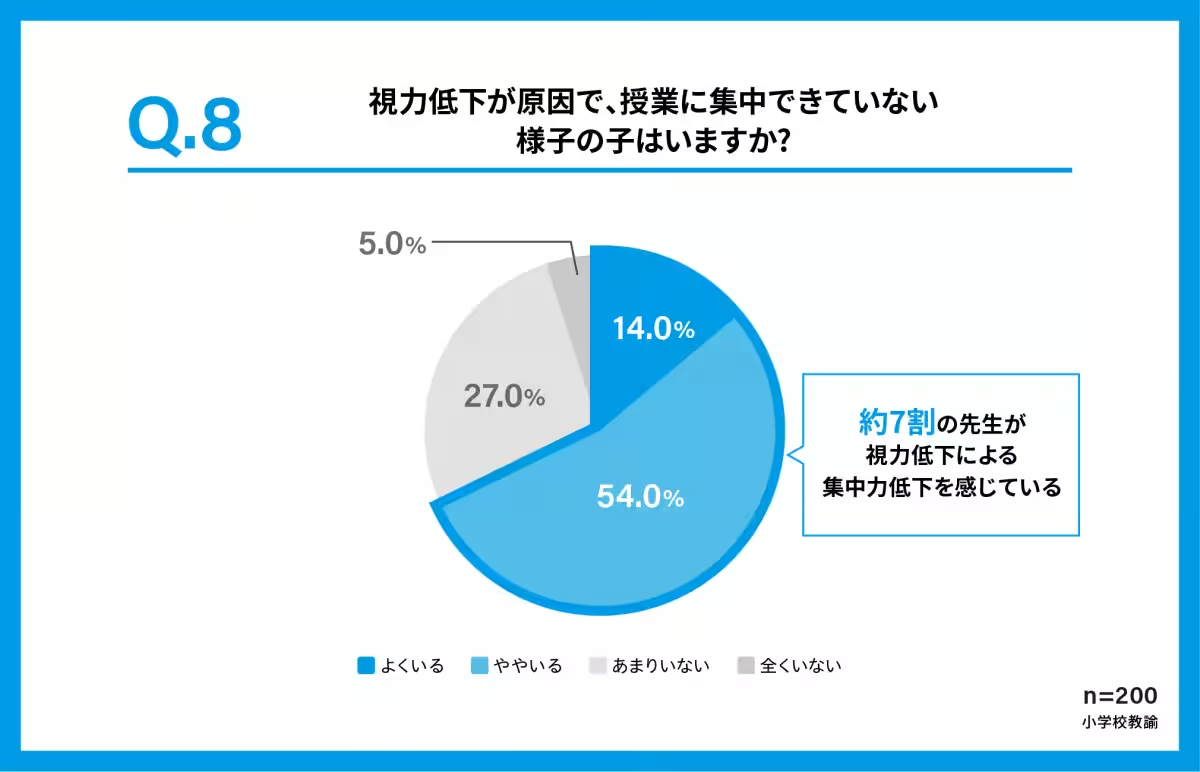
Interestingly, around 40% of teachers reported witnessing incidents where children's glasses caused injuries. Furthermore, 68% observed students struggling to concentrate due to deteriorating vision. These observations highlight the significant impact of vision health on educational performance.
Conclusion and Recommendations
The survey findings indicate that the challenges surrounding children's vision health are deeply rooted in a lack of understanding regarding necessary corrective measures, combined with parental apprehensions about glasses. This situation calls for comprehensive educational resources to better inform parents, educators, and children about the importance of corrective eyewear and proper vision health management.
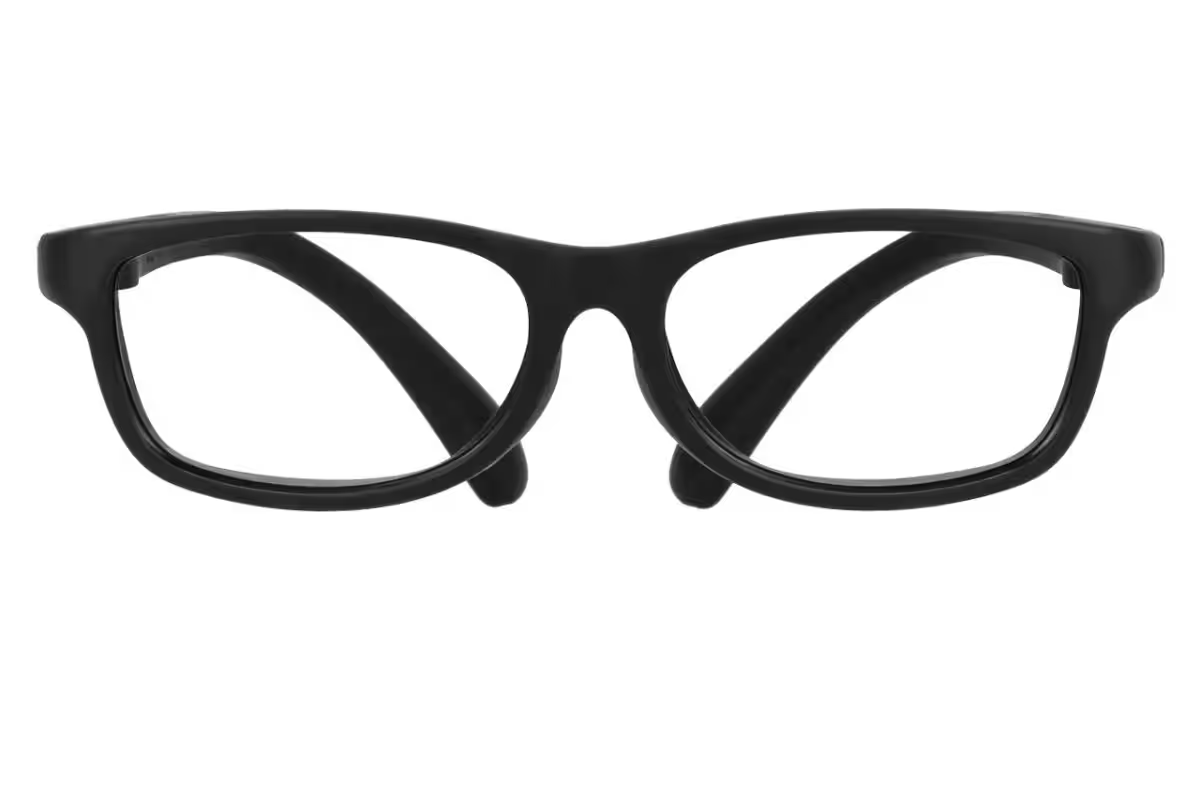
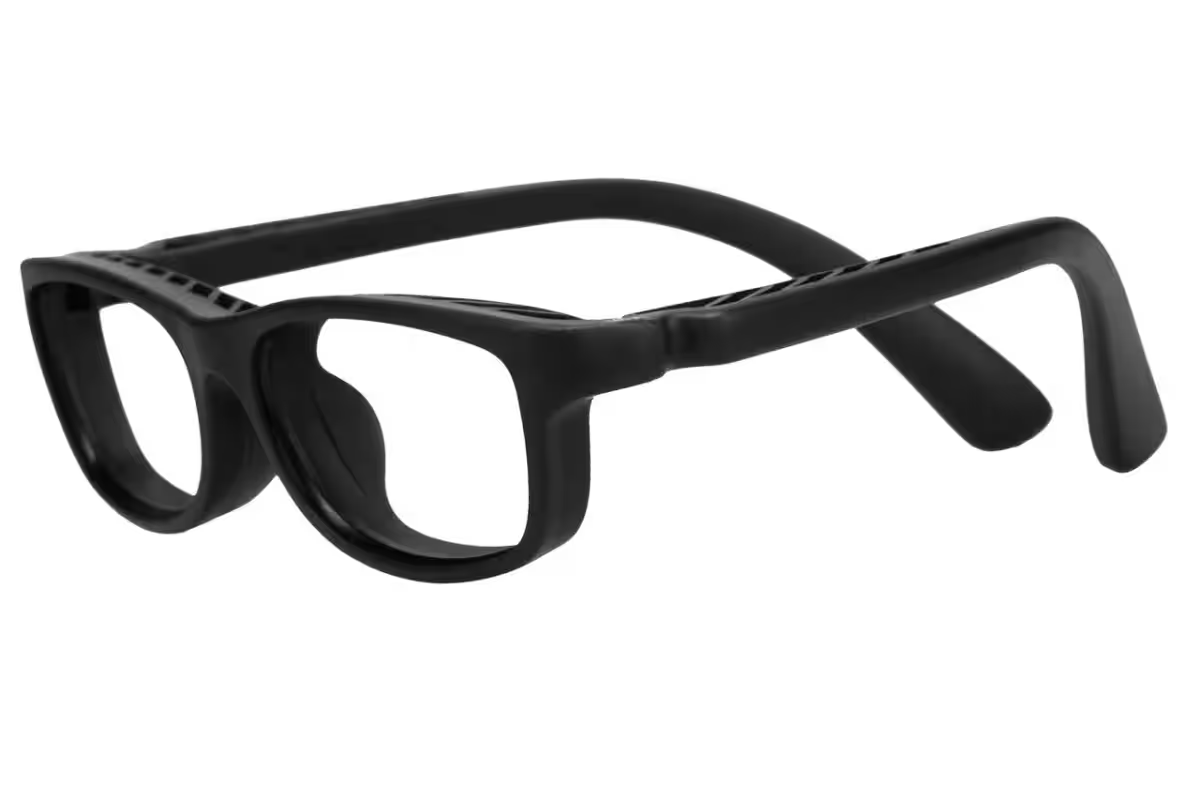
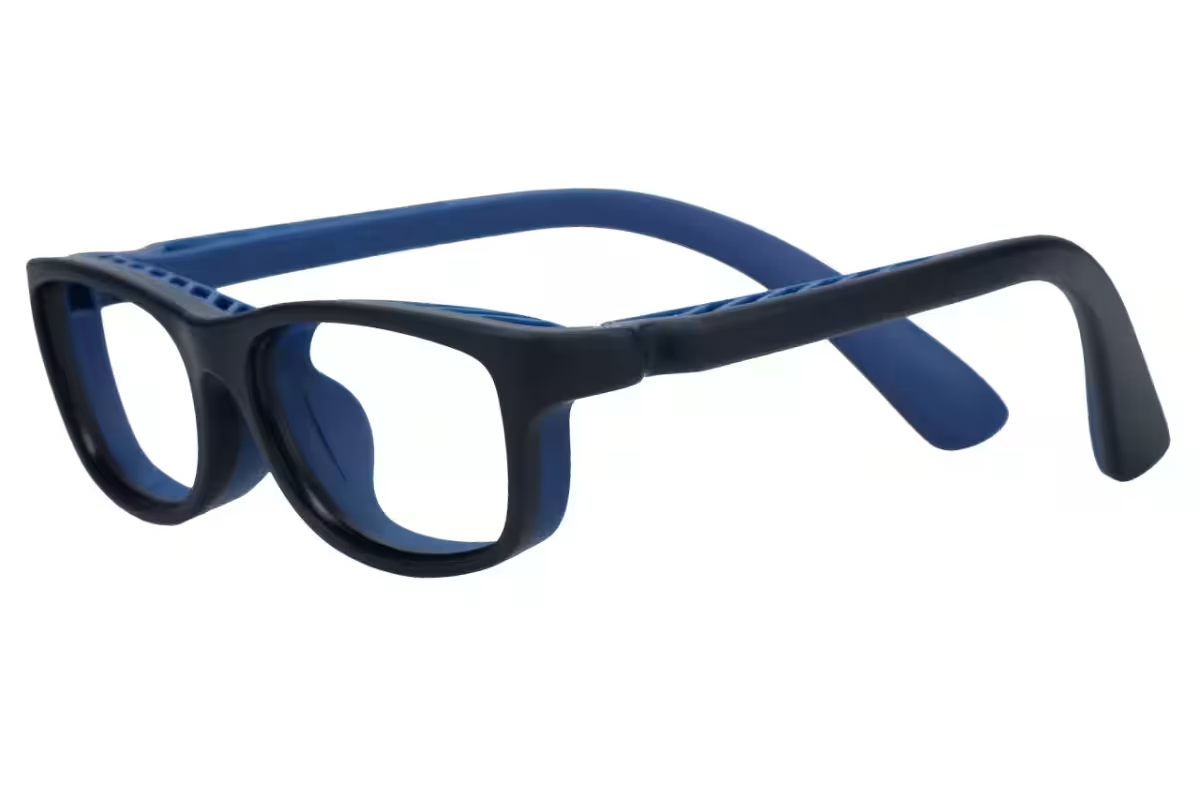
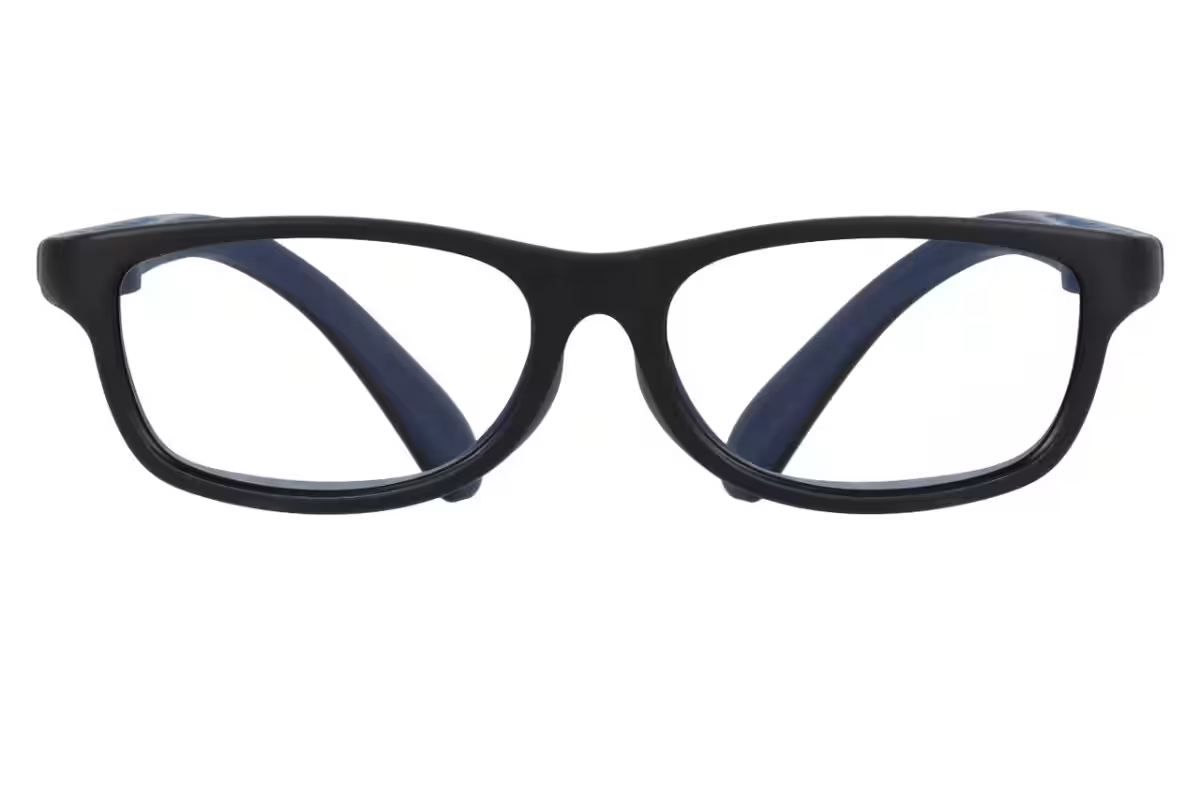
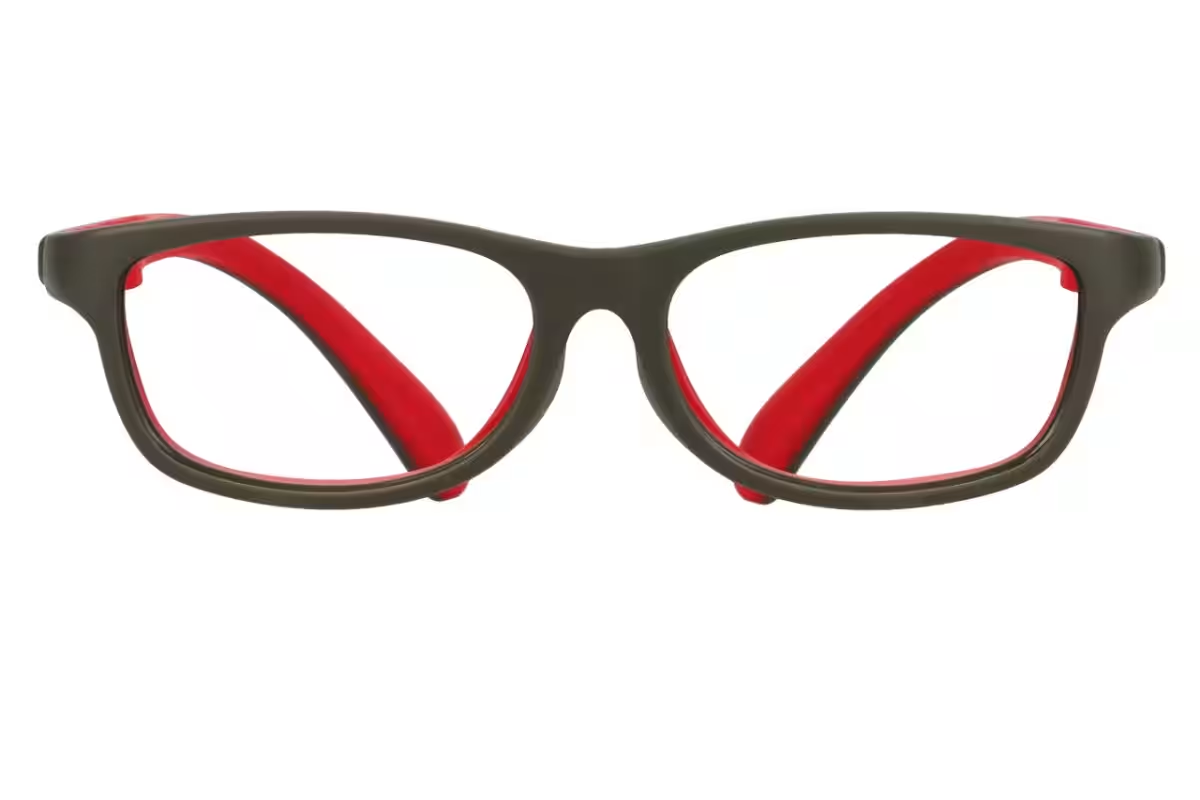
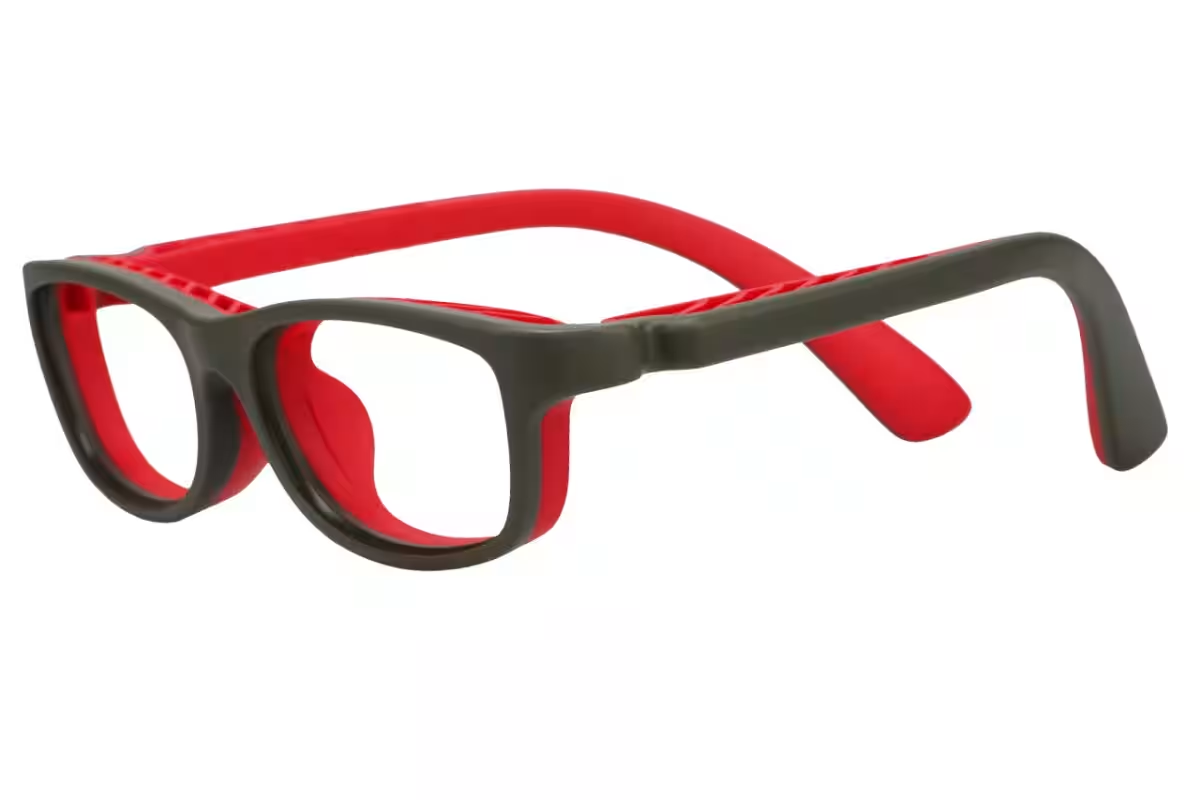
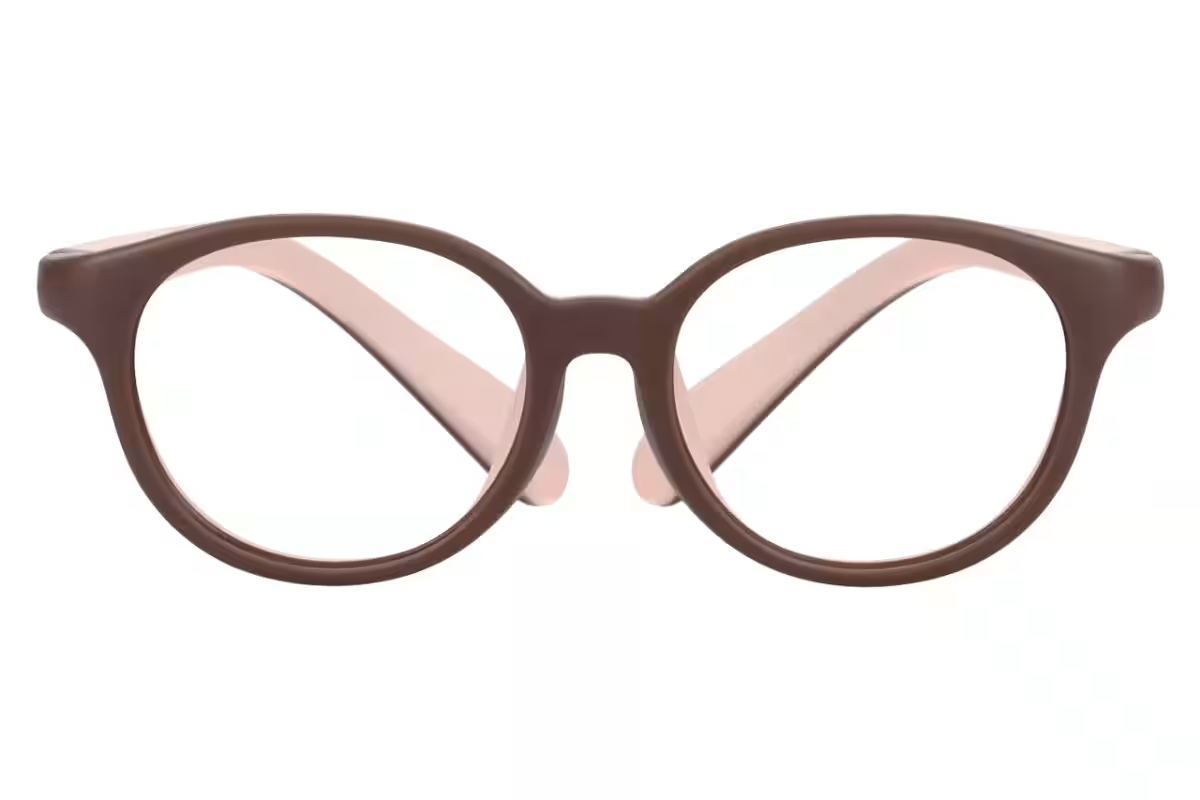
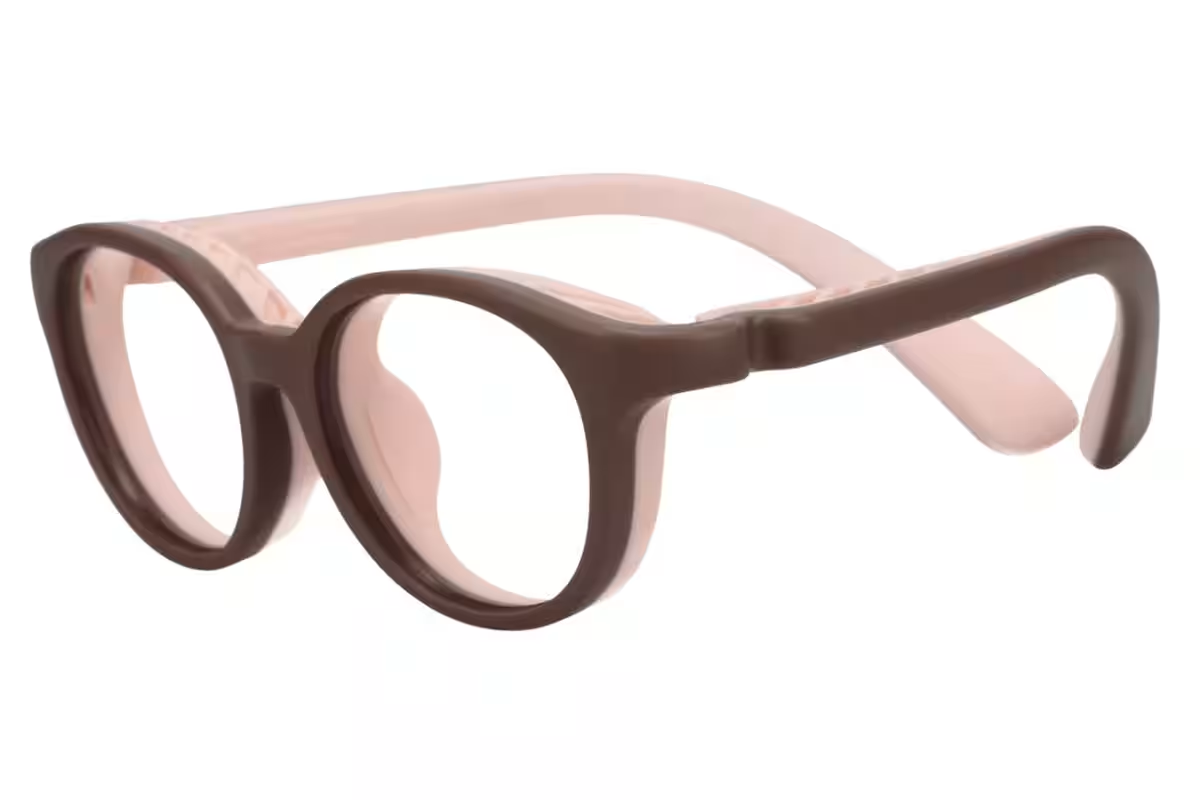
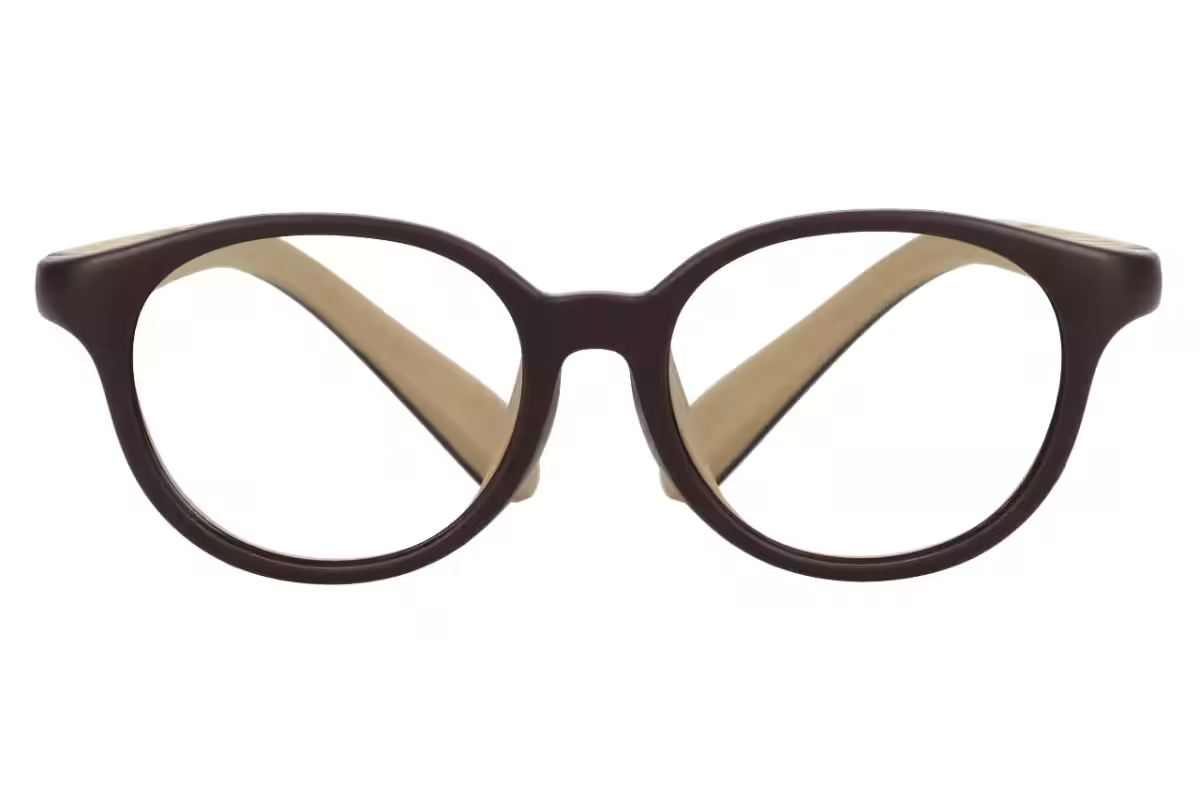
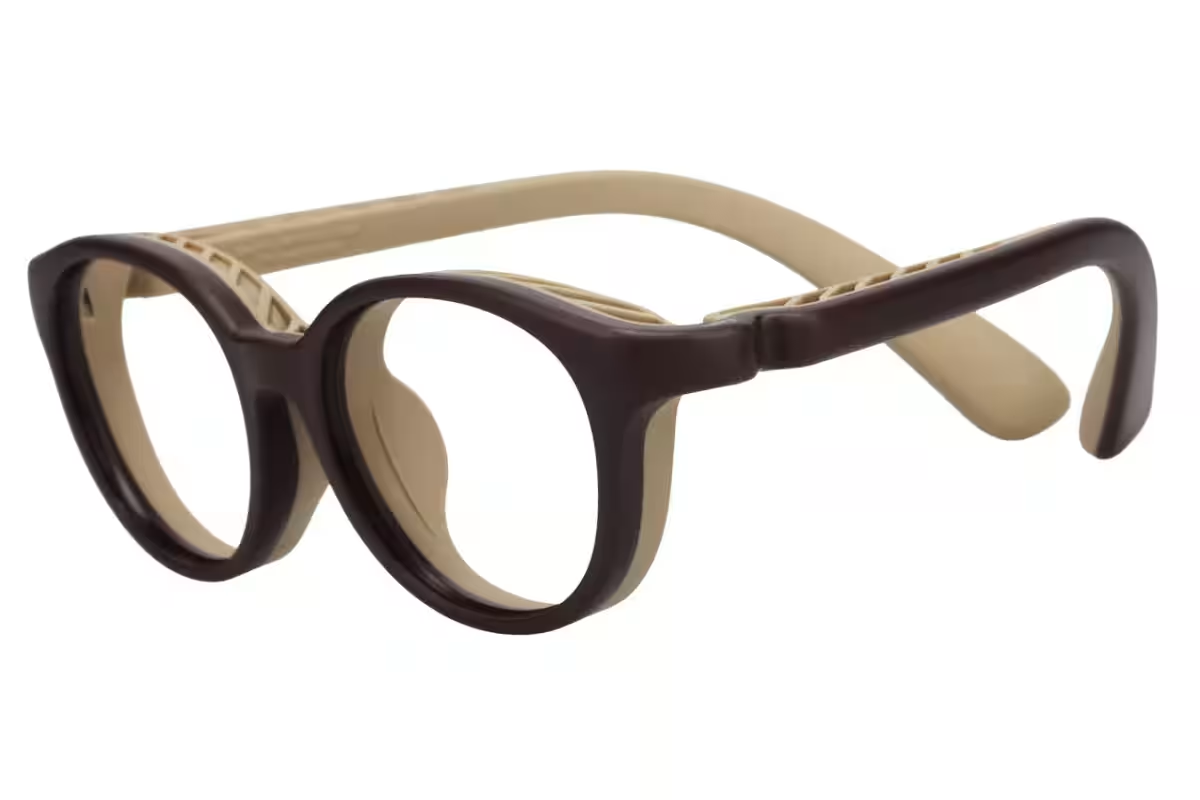
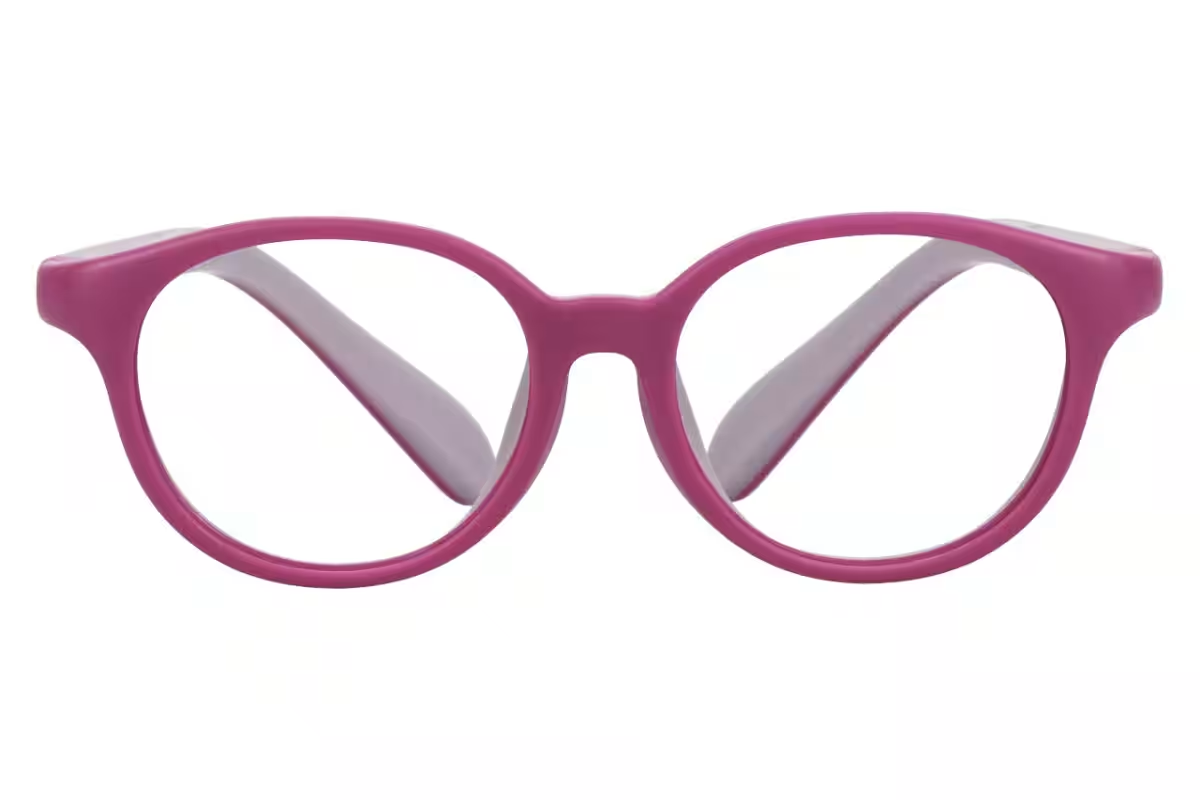
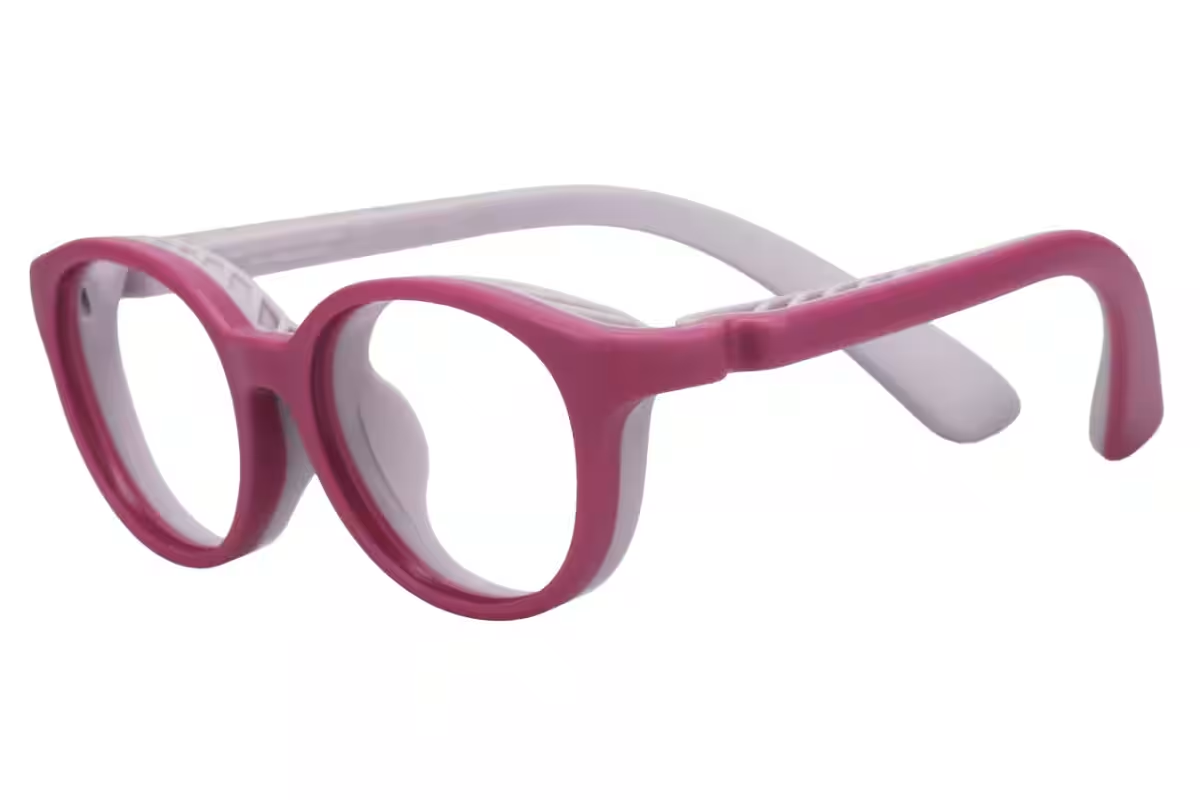
As a solution, Zoff’s new product, the “Galileo G01 K”, aims to address these concerns. Designed specifically for kids, these glasses boast a unique all-rubber construction that ensures both durability and safety. The glasses can bend and withstand impacts, minimizing breakage and making them ideal for active children. This innovation underscores the importance of not only meeting the vision needs of children but doing so in a way that encourages an active lifestyle without the fear of damaging their eyewear.
Looking Ahead
With the increasing prevalence of vision issues among children, it's essential to prioritize their eye health through proactive measures. By ensuring children have access to reliable, safe, and durable eyewear, we can foster an environment where their academic and extracurricular endeavors are not hindered by vision problems. The findings from this survey should prompt collective action from families, educators, and healthcare providers to create supportive frameworks around children's visual needs.
Topics Health)
【About Using Articles】
You can freely use the title and article content by linking to the page where the article is posted.
※ Images cannot be used.
【About Links】
Links are free to use.