




Understanding 'May Syndrome': Causes, Symptoms, and Solutions for Mental Health Issues in Spring
In recent research conducted by Wellness Dining Co., Ltd., approximately 40% of individuals aged 20 to 60 across Japan reported experiencing mental and physical discomfort known as "May Syndrome" during the transition from April to early May. This phenomenon raises significant concern, especially during a time when seasonal changes can greatly impact our health. The survey highlights critical insights into the symptoms and prevalent causes of these spring-related health issues, providing a foundation for effective coping strategies.
The study particularly underscored the following crucial points:
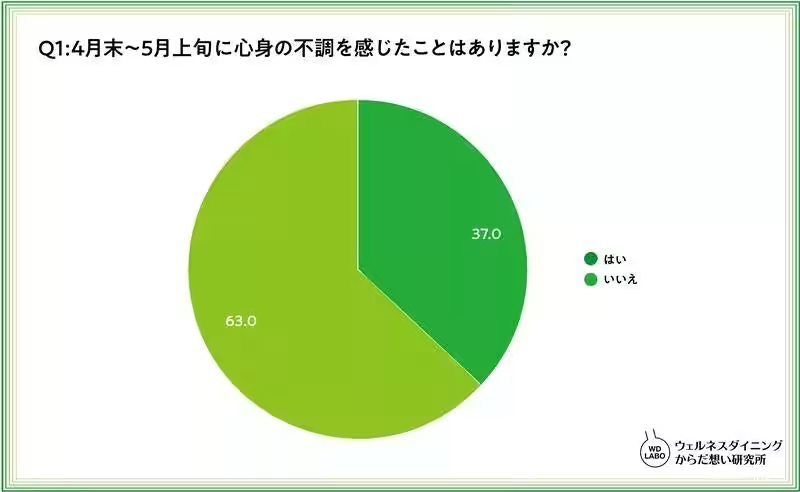
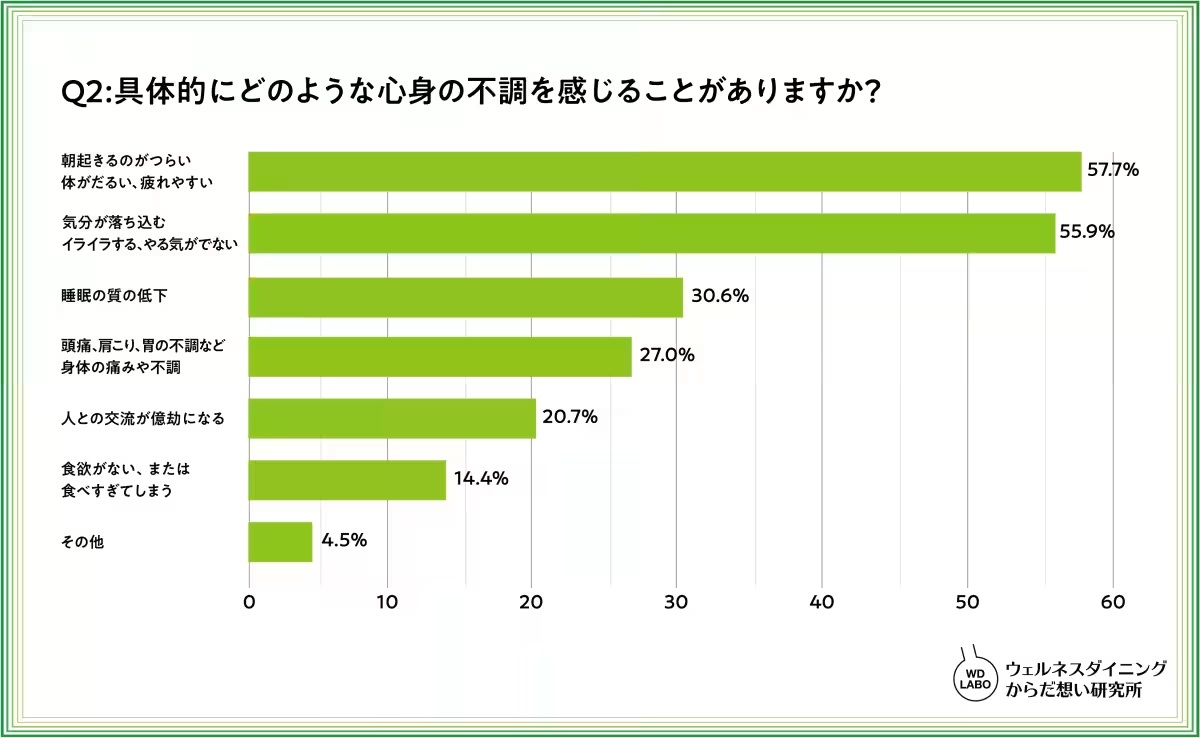
When queried about experiencing any mental and physical discomfort between late April and early May, 37% acknowledged such occurrences. Symptoms commonly reported included:
These statistics reveal that many people experience both physical fatigue and emotional distress during this time, warranting attention to coping mechanisms and lifestyle adjustments.
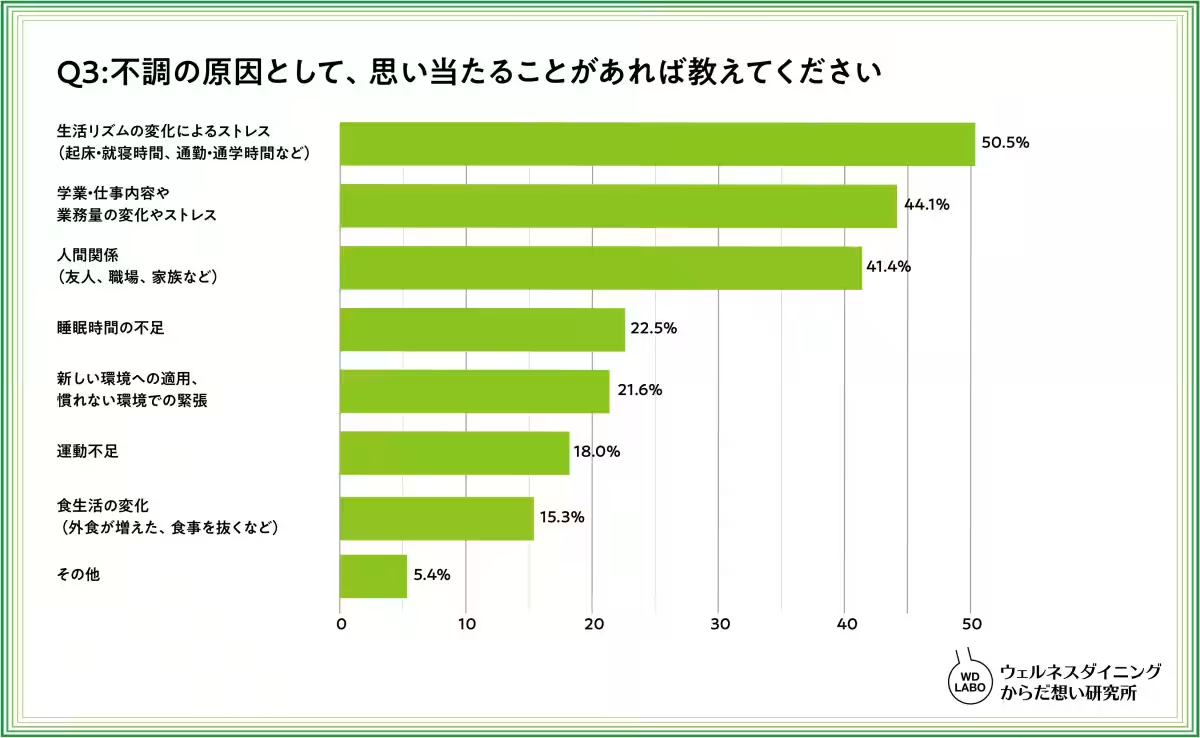
Looking into the underlying causes, respondents cited:
This suggests that alterations in routines, workload, and social dynamics during the late April to early May period can create substantial stress, leading to physical and emotional challenges.
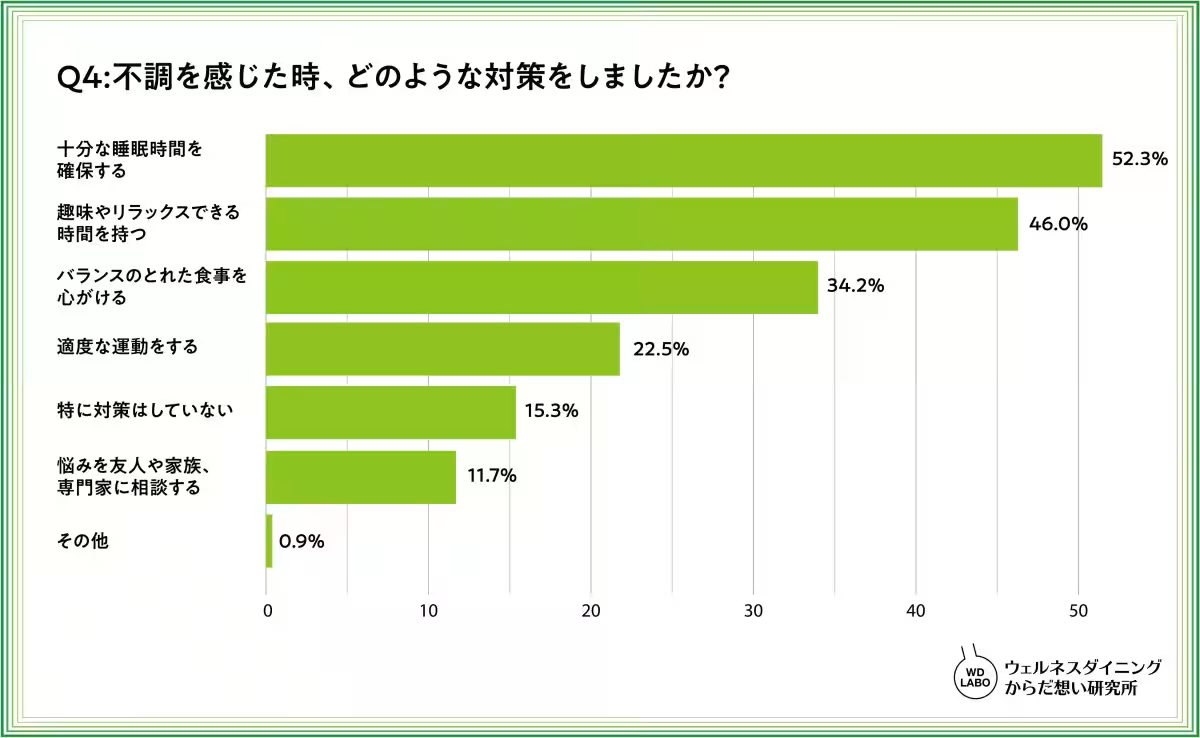
To tackle these discomforts, participants reported various strategies:
A closer examination shows a general inclination towards adopting a structured lifestyle and incorporating relaxation techniques.
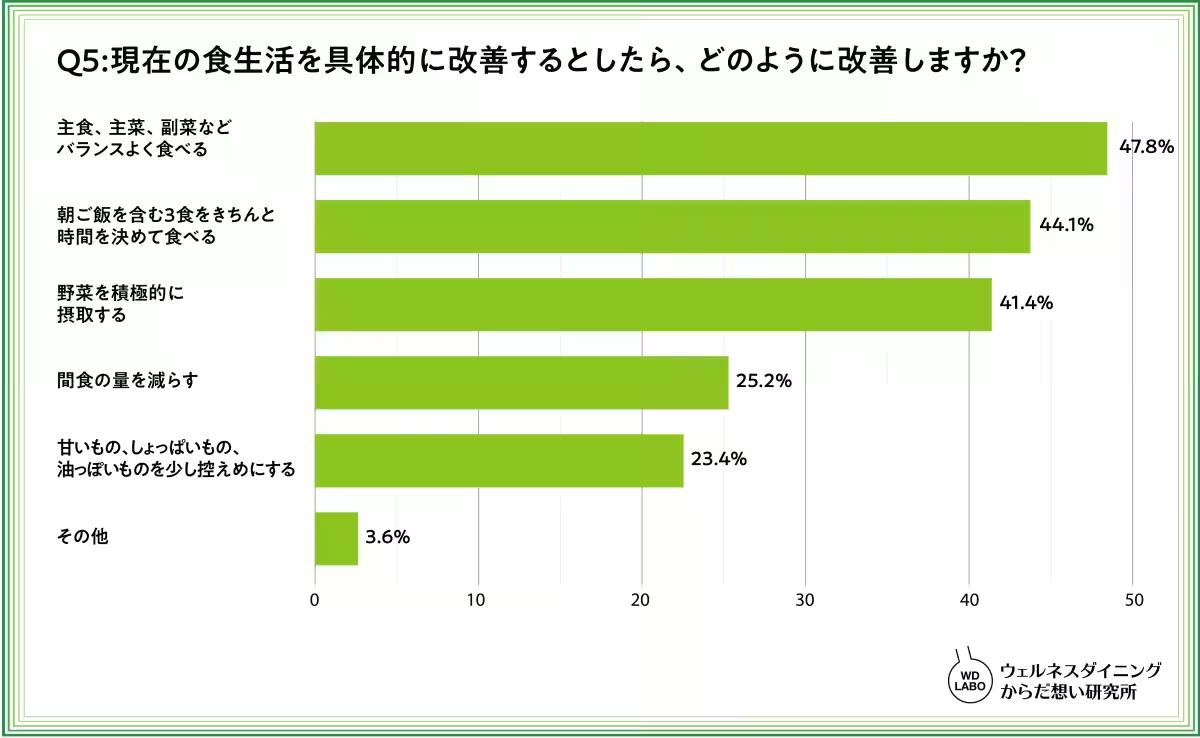
When asked how they would like to improve their diet, respondents indicated:
This reflects a growing consciousness around nutrition and balanced eating habits aimed at enhancing overall wellbeing.
The survey's insights reveal that during the late April and early May period, many people struggle with various symptoms associated with discomfort, including fatigue, irritability, and mood swings. The primary causes identified—stress from changes in daily routines, workloads, and social dynamics—highlight the need for proactive management strategies.
To mitigate these seasonal health issues, it is crucial to establish a consistent daily routine and practice good sleep hygiene. Also, maintaining a balanced diet while creating opportunities for leisure can effectively alleviate accumulated stress.
Wellness Dining's nutrition experts point out that fatigue and lethargy can stem from several causes, one being sudden drops in blood sugar levels. Thus, stabilizing blood sugar by avoiding extreme spikes and dips is beneficial for managing health effectively.
Incorporating low-glycemic index (GI) foods into meals can help in this regard. Here are some recommended low-GI foods to consider:
These foods are high in fiber and lower in starch, making them excellent choices for steady energy levels. However, portion control is key, so consider these foods as part of a balanced diet.
This survey underscores the significance of effective health management, particularly in the spring when well-being can be easily compromised. By fostering better sleep, wholesome meals, and relaxation techniques, individuals can enhance their resilience against seasonal health challenges.
Wellness Dining aims to be a supportive presence for families with its philosophy of providing compassionate health assistance tailored for dietary restrictions. The company offers delivery meals specifically designed for those with dietary needs while ensuring the enjoyment of food is not lost, encouraging a positive attitude towards nutrition.
For more information, visit us at:
Company Overview



Survey Findings Overview
The study particularly underscored the following crucial points:
- - 37.0% of respondents felt mental or physical discomfort during the late April to early May period.
- - 50.5% attributed these discomforts to stress resulting from changes in their daily routines.
- - 56.8% listed ensuring adequate sleep as their primary coping strategy during this challenging period.
Awareness of Mental and Physical Discomfort
When queried about experiencing any mental and physical discomfort between late April and early May, 37% acknowledged such occurrences. Symptoms commonly reported included:
- - Difficulty waking up in the morning, feeling lethargic, and experiencing fatigue (57.7%).
- - Emotional challenges such as feeling down, irritated, and lacking motivation (55.9%).
These statistics reveal that many people experience both physical fatigue and emotional distress during this time, warranting attention to coping mechanisms and lifestyle adjustments.
Identifying the Causes
Looking into the underlying causes, respondents cited:
- - 50.5% mentioned stress due to changes in their daily living patterns.
- - 44.1% referred to stress linked to changes in academic or work responsibilities.
- - 41.4% indicated the impact of interpersonal relationships as another contributing factor.
This suggests that alterations in routines, workload, and social dynamics during the late April to early May period can create substantial stress, leading to physical and emotional challenges.
Coping Strategies Implemented
To tackle these discomforts, participants reported various strategies:
- - 52.3% prioritized ensuring sufficient sleep.
- - 46.0% sought to engage in enjoyable or relaxing activities.
- - 34.2% attempted to maintain a balanced diet.
A closer examination shows a general inclination towards adopting a structured lifestyle and incorporating relaxation techniques.
Improvements in Diet
When asked how they would like to improve their diet, respondents indicated:
- - 47.8% aimed for a balanced intake of various foods like rice, side dishes, and soups.
- - 44.1% expressed the importance of a regular meal schedule, including a hearty breakfast.
- - 41.4% emphasized increasing vegetable consumption.
This reflects a growing consciousness around nutrition and balanced eating habits aimed at enhancing overall wellbeing.
Final Thoughts on Managing Spring Discomforts
The survey's insights reveal that during the late April and early May period, many people struggle with various symptoms associated with discomfort, including fatigue, irritability, and mood swings. The primary causes identified—stress from changes in daily routines, workloads, and social dynamics—highlight the need for proactive management strategies.
To mitigate these seasonal health issues, it is crucial to establish a consistent daily routine and practice good sleep hygiene. Also, maintaining a balanced diet while creating opportunities for leisure can effectively alleviate accumulated stress.
Tips from Wellness Experts for Managing Health
Wellness Dining's nutrition experts point out that fatigue and lethargy can stem from several causes, one being sudden drops in blood sugar levels. Thus, stabilizing blood sugar by avoiding extreme spikes and dips is beneficial for managing health effectively.
Incorporating low-glycemic index (GI) foods into meals can help in this regard. Here are some recommended low-GI foods to consider:
- - Brown rice
- - Buckwheat
- - Whole grain breads
These foods are high in fiber and lower in starch, making them excellent choices for steady energy levels. However, portion control is key, so consider these foods as part of a balanced diet.
This survey underscores the significance of effective health management, particularly in the spring when well-being can be easily compromised. By fostering better sleep, wholesome meals, and relaxation techniques, individuals can enhance their resilience against seasonal health challenges.
Survey Details
- - Survey Title: May Syndrome Awareness Survey
- - Conducted By: Wellness Dining Co., Ltd.
- - Target Demographic: 300 adults aged 20-65 across Japan
- - Methodology: Internet-based closed survey
- - Timeframe: February to March 2026
- - Important Note: The results have been rounded, and the total percentages may not sum to 100%. For citation purposes, please acknowledge "Wellness Dining Co., Ltd." in any publications. Visit here for inquiries.
About Wellness Dining Co., Ltd.
Wellness Dining aims to be a supportive presence for families with its philosophy of providing compassionate health assistance tailored for dietary restrictions. The company offers delivery meals specifically designed for those with dietary needs while ensuring the enjoyment of food is not lost, encouraging a positive attitude towards nutrition.
For more information, visit us at:
Company Overview
- - Location: Sumida City, Tokyo, Japan
- - CEO: Tetsuhiro Nakamoto
- - Established: June 2011
- - Contact Number: 03-6807-0280
Topics Health)

【About Using Articles】
You can freely use the title and article content by linking to the page where the article is posted.
※ Images cannot be used.
【About Links】
Links are free to use.