



Survey Reveals Insights on Wearable Device Utilization for Health Management Among Patients with Chronic Conditions
Insights into the Health Management of Users with Chronic Conditions via Wearable Devices
Overview of the Survey
Tech Doctor, headed by CEO Kazushi Minato and based in Chuo-ku, Tokyo, recently conducted a comprehensive survey to understand the current utilization and challenges faced by users of wearable devices among individuals with chronic conditions. A total of 601 participants provided insights into their use, which is essential as wearable technology continues to gain traction in the medical field.
Background.
In recent years, devices like the Apple Watch have garnered approval for certain medical features, leading to increased applications of wearable technology in healthcare. These devices gather vital data during daily activities, transforming into valuable information sources for healthcare professionals. However, the focus is on how effectively patients utilize their devices. Understanding the motivations and proficiency of individuals with chronic conditions in data utilization remains a challenge. This survey aims to offer a dual perspective by considering both physicians and patients.
Key Findings
1. Usage for Health Management:
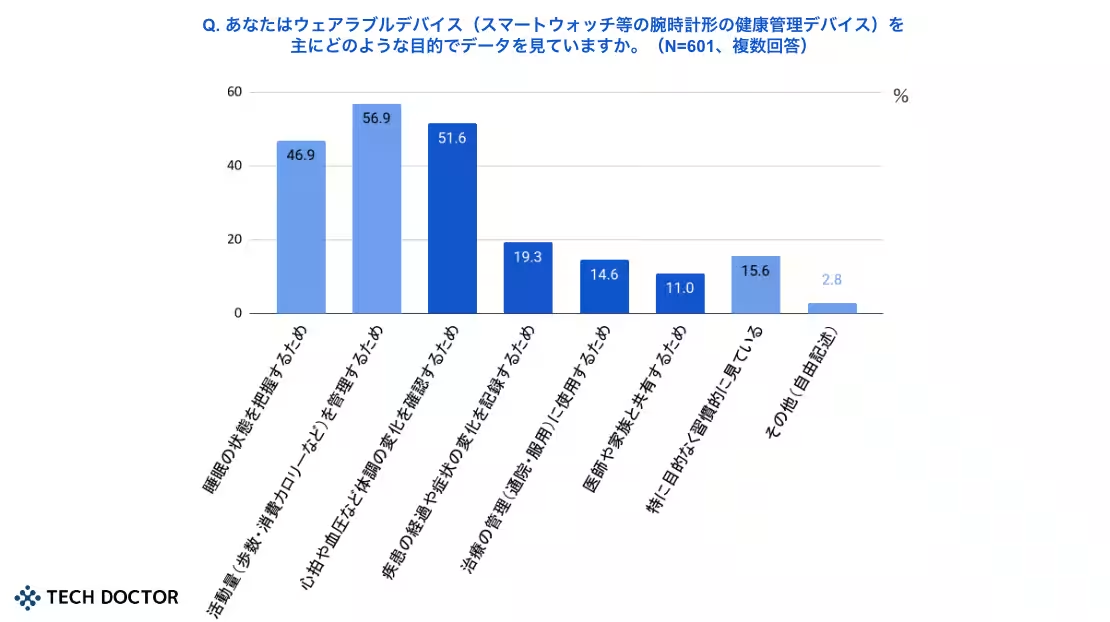
The survey revealed that only 20-50% of respondents utilize their wearables for purposes like tracking disease history and management. Interestingly, the most common usage cited (56.9%) was for monitoring physical activity, indicating that steps and calorie counts are the most immediate health indicators for many users.
2. Frequency of Data Review:
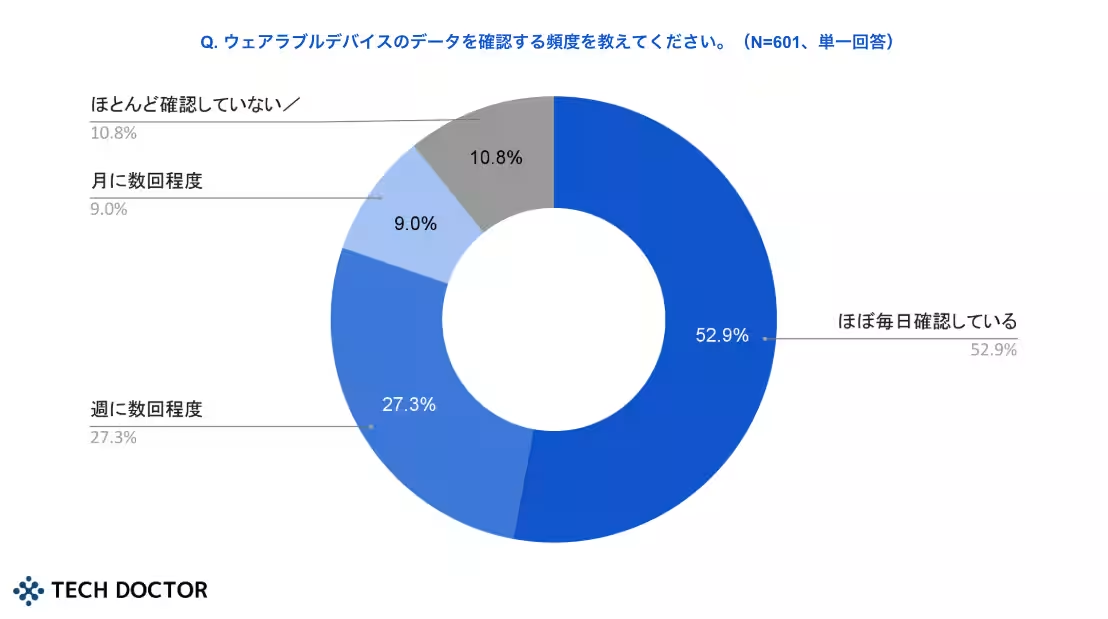
Approximately half of the respondents (52.9%) check their wearable device data nearly every day. When including those who check weekly, this number rises to nearly 80%, indicating a strong habitual engagement with health data.
3. Perceived Value of Device Data:
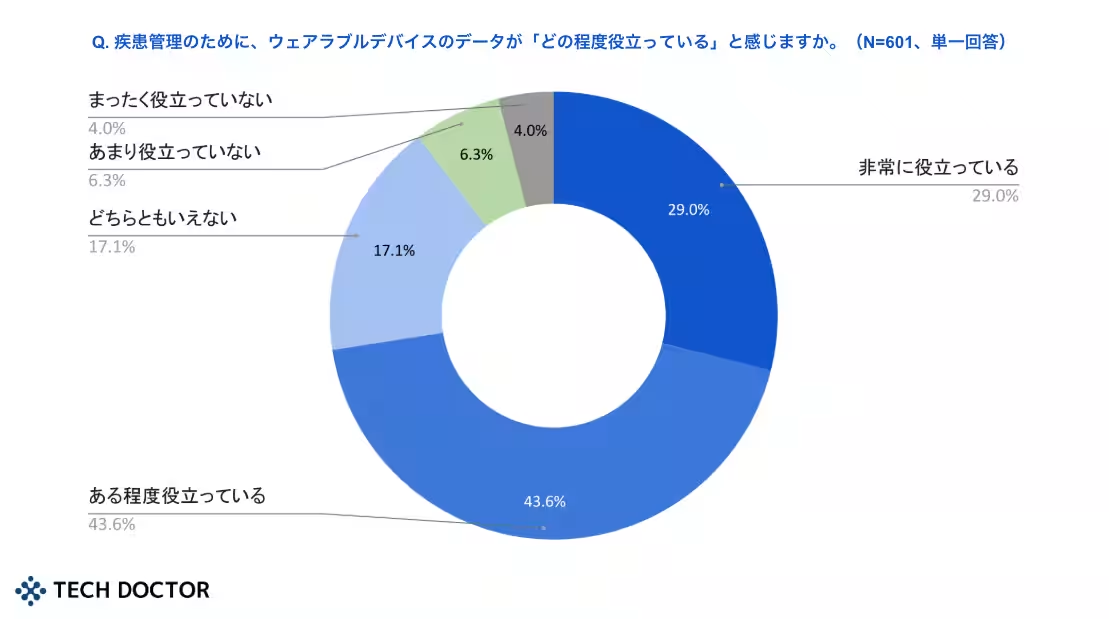
About 72.6% of participants felt that the data from their wearables aided in disease management—29.0% found it extremely helpful, while 43.6% found it somewhat helpful. This reflects a widespread acknowledgment among users of the value derived from daily tracking of vital signs such as heart rate and sleep patterns.
4. Age Differences in Data Sharing with Doctors:
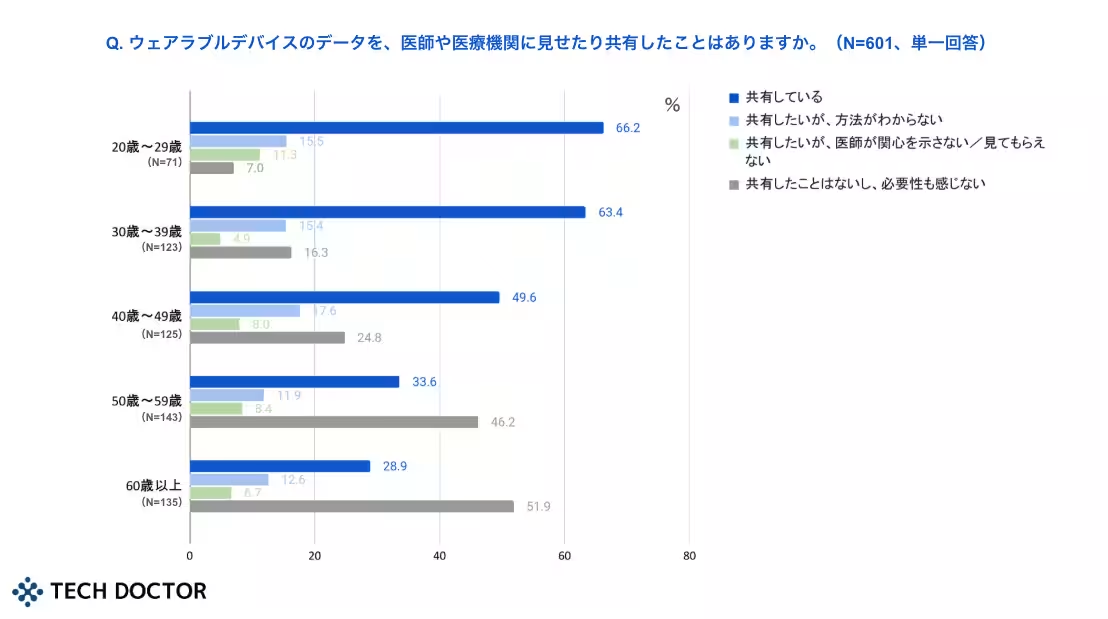
The propensity to share data with healthcare providers varied significantly across age groups. Younger users (20s to 40s) were more likely to regularly share their data or initiate sharing if they noticed health changes. In contrast, individuals aged 50 and above exhibited greater hesitation, often due to perceived barriers, with over 50% stating they have never shared their data with medical professionals.
5. Concerns Regarding Data Accuracy:
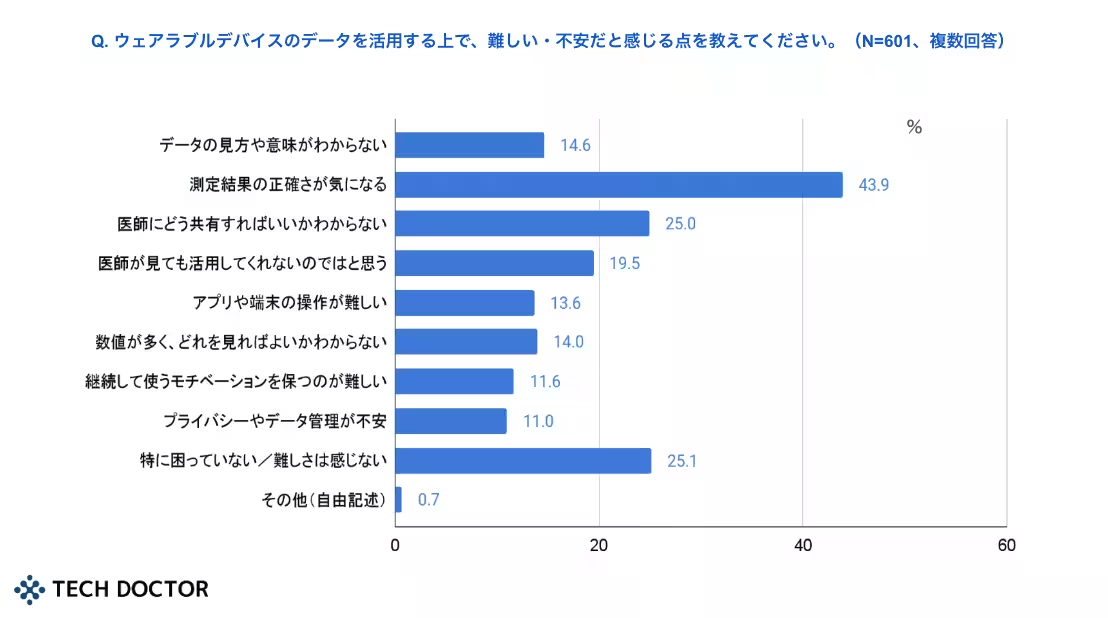
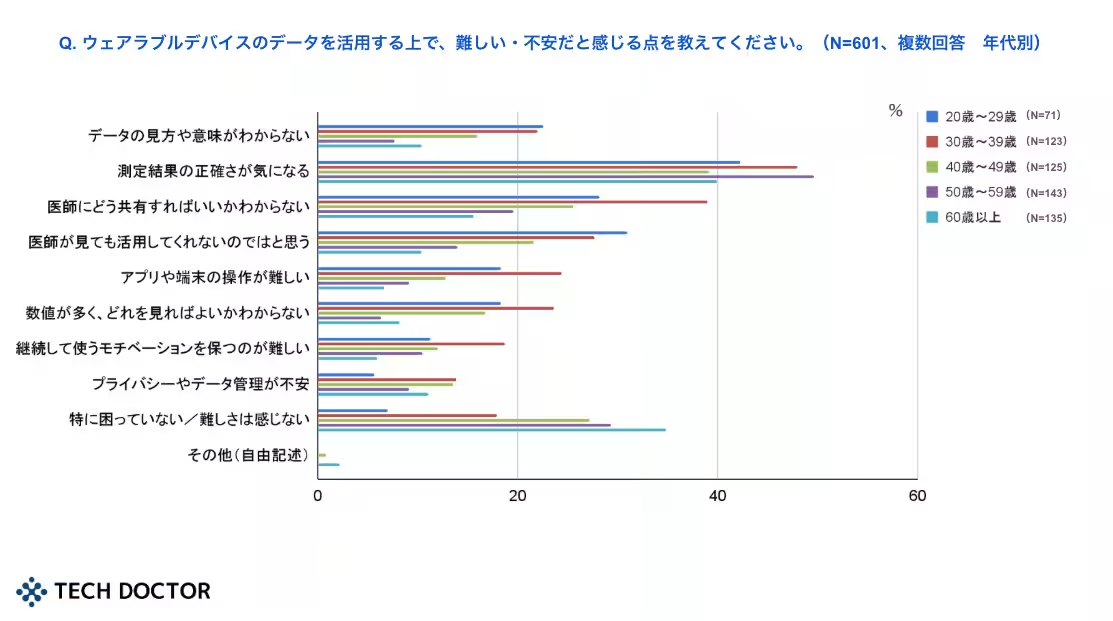
The highest concern across all age groups was the accuracy of measurement results, with 43.9% questioning the reliability of their devices. Notably, older users were more likely to report that they do not face significant issues, suggesting a tendency for passive engagement with their devices rather than proactive analysis and utilization of the data.
Conclusion
The survey underscores a significant desire among users with chronic conditions to leverage wearable devices for health management more effectively. Although many are actively engaging in daily data review, concerns around measurement accuracy persist, particularly among older populations who tend to utilize these devices passively. This suggests that both users and healthcare providers still have hurdles to overcome in maximizing the potential of wearable technology.
Tech Doctor is working toward enhancing the value of wearable device data. Through the development of digital biomarkers, the company aims to provide solutions that empower patients to better understand their health conditions and connect with medical care when necessary. Continuous improvement and innovation in services will drive this mission forward.
For further exploration, visit Tech Doctor’s official website.
About Tech Doctor
Founded on June 21, 2019, Tech Doctor focuses on creating insights from everyday sensing data through the development of digital biomarkers. By collaborating with medical, pharmaceutical, and food-related businesses and research institutions, it aims to advance AI-based healthcare solutions.
Topics Health)
【About Using Articles】
You can freely use the title and article content by linking to the page where the article is posted.
※ Images cannot be used.
【About Links】
Links are free to use.