



Introducing a Professional Collaboration Program for Health Management Based on Blood Sugar Data
A New Approach to Health Management
Fractal Workout Co., based in Tokyo's Shibuya, has recently launched a significant initiative within its corporate health support service, BODY PALETTE. The program focuses on helping organizations address concerns regarding elevated blood sugar levels by utilizing health check data as a foundation. This collaboration between health exercise instructors and registered dietitians aims to provide a structured approach to lifestyle adjustments tailored to employees' working conditions.
Key Highlights
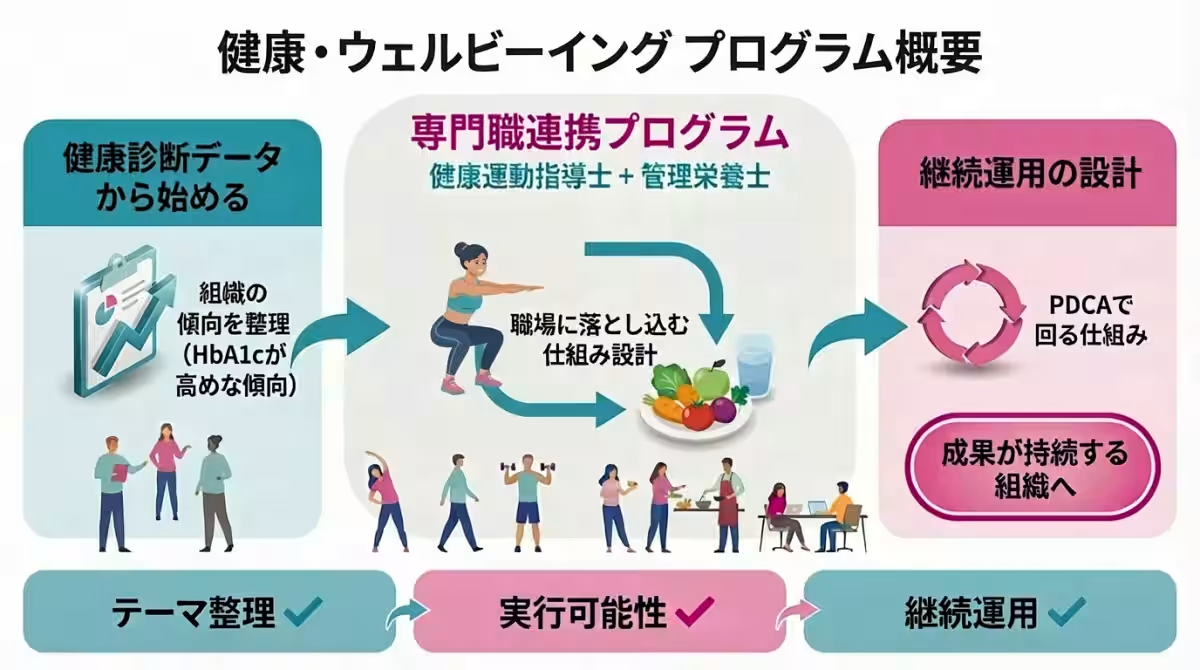
- - The program begins with a detailed analysis of health check data, particularly focusing on trends related to HbA1c levels.
- - It emphasizes the collaboration between health exercise instructors and dietitians to create sustainable lifestyle changes that fit the specific working conditions of the organization.
- - Unlike most one-time informational offerings, this program is designed for ongoing implementation, ensuring continuous participation and adherence through clear communication and rules.
Terminology Clarification
- - Health Check Data: Refers to the health examination results held by organizations, utilized to discern overall trends.
- - HbA1c: A specific health check parameter that serves as an opportunity to review lifestyle habits regarding diet, physical activity, and rest.
- - Professional Collaboration Program: A mechanism designed for easier implementation of health measures by dividing roles among professionals based on health check data.
- - BODY PALETTE: Fractal Workout's corporate health support service tailored for businesses.
Background
In many organizations, health management initiatives often initiate with compliance, information dissemination, or singular events. However, after a period, organizations frequently face operational challenges, such as a lack of effective translation of initiatives into employee behavior or a sense of monotony in activities. These issues can increase the burden on responsible individuals within the organization.
Particularly, organizations with elevated HbA1c levels face various lifestyle factors influenced by working conditions such as shift patterns, busy periods, business trips, and remote working.
To counter this, it is vital to establish a structured thematic approach that recognizes working conditions and emphasizes the need for cohesive strategies rather than reliance on individual efforts.
Challenges in Corporations
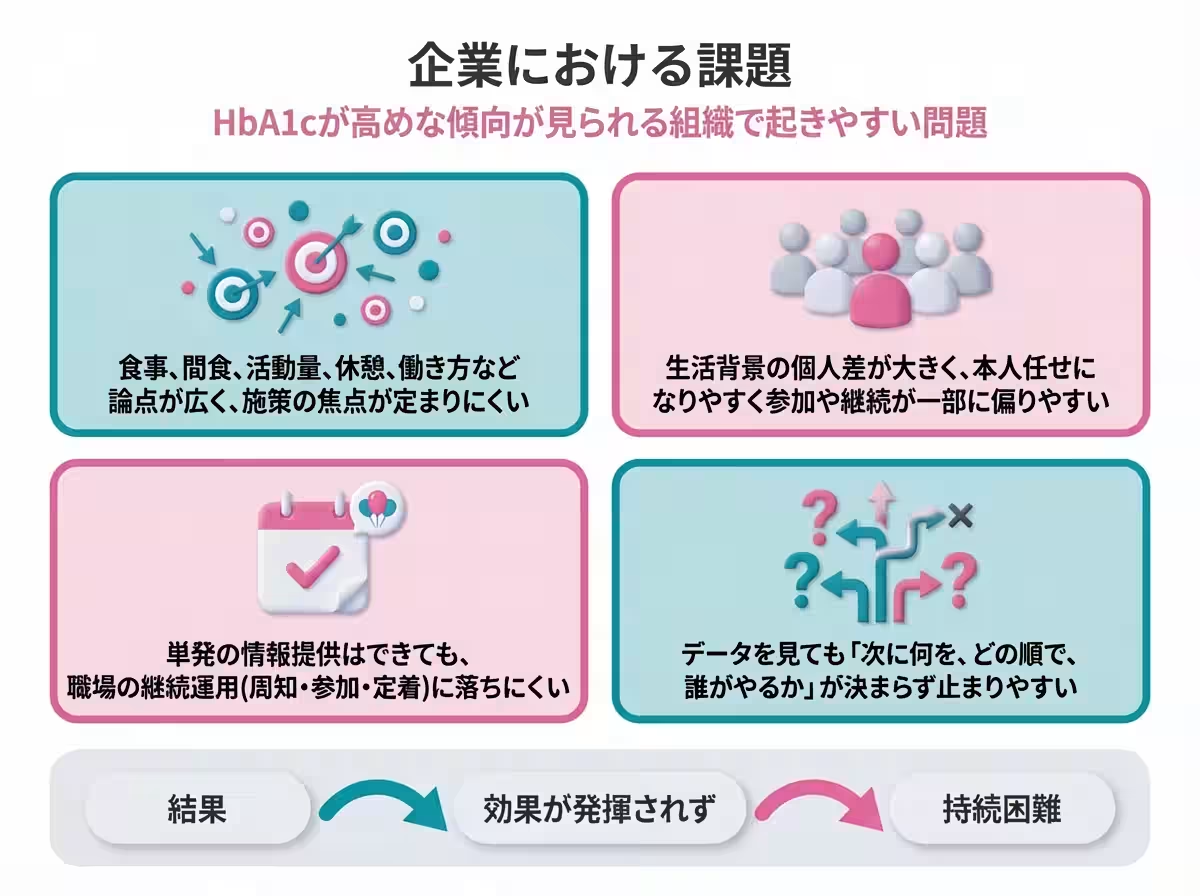
Organizations with trends indicating elevated HbA1c levels may face several issues:
- - Broad topics concerning diet, physical activity, rest periods, and working styles make it hard to achieve focused initiatives.
- - The significant individual differences in lifestyle backgrounds lead to unequal participation in programs, where some employees may not engage or sustain their involvement.
- - Providing information in isolation often fails to result in systematic integration within the workplace.
- - Despite analyzing data, organizations often struggle to determine actionable next steps.
Overview of the Professional Collaboration Program
This program addresses the challenges associated with elevated HbA1c levels by focusing on two primary axes:
1. Integrating Lifestyle Management into Workplace Operations:
- Establish practices that seamlessly fit within the workflow.
- Design strategies that include communication methods, participation pathways, and implementation frequency.
- Foster a common language within the organization rather than focusing solely on individual advice.
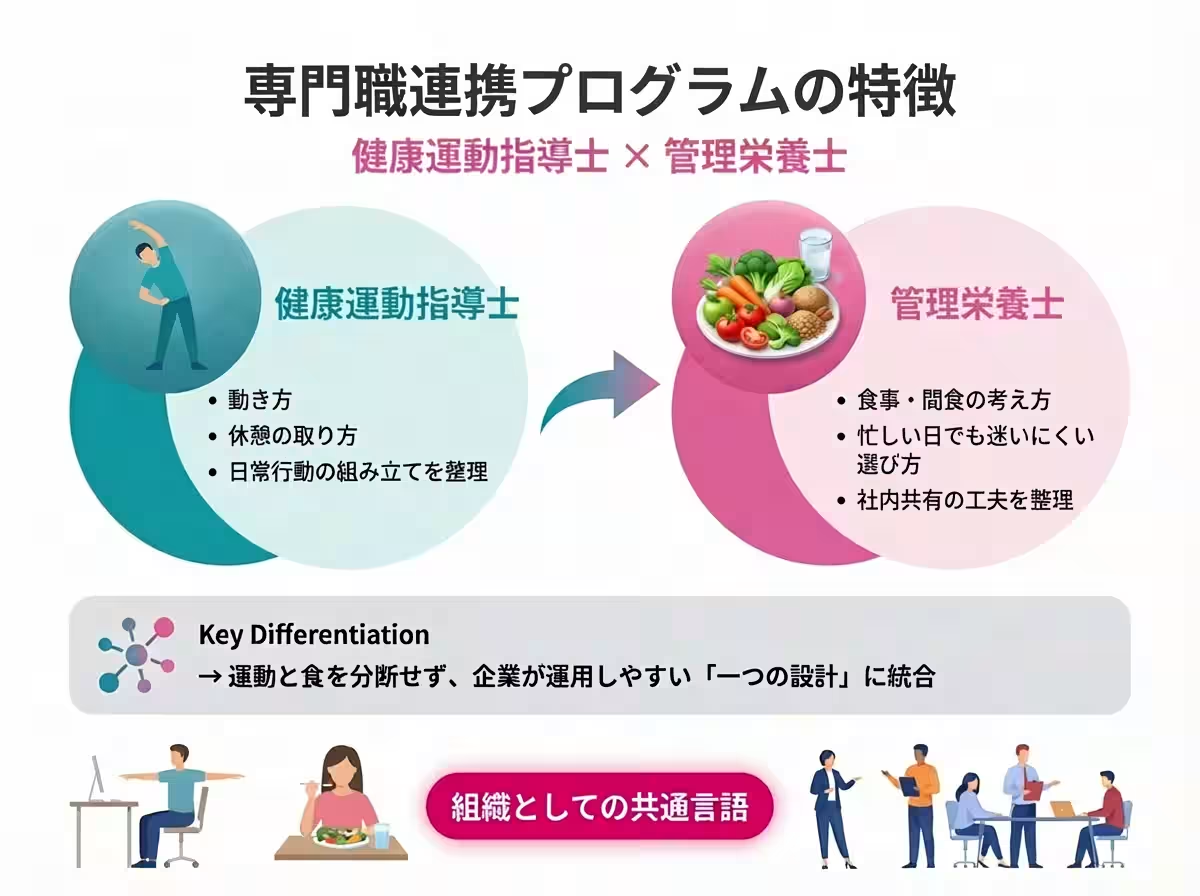
2. Unifying Approaches Across Health Exercise Instructors and Dietitians:
- Health exercise instructors will provide guidance on physical activity, rest, and daily behaviors.
- Dietitians will offer advice on dietary choices and how to make healthy decisions even during busy schedules, along with strategies for sharing information within the company.
This program emphasizes an integrated design that combines physical activity and nutrition, making implementation as straightforward as possible for organizations.
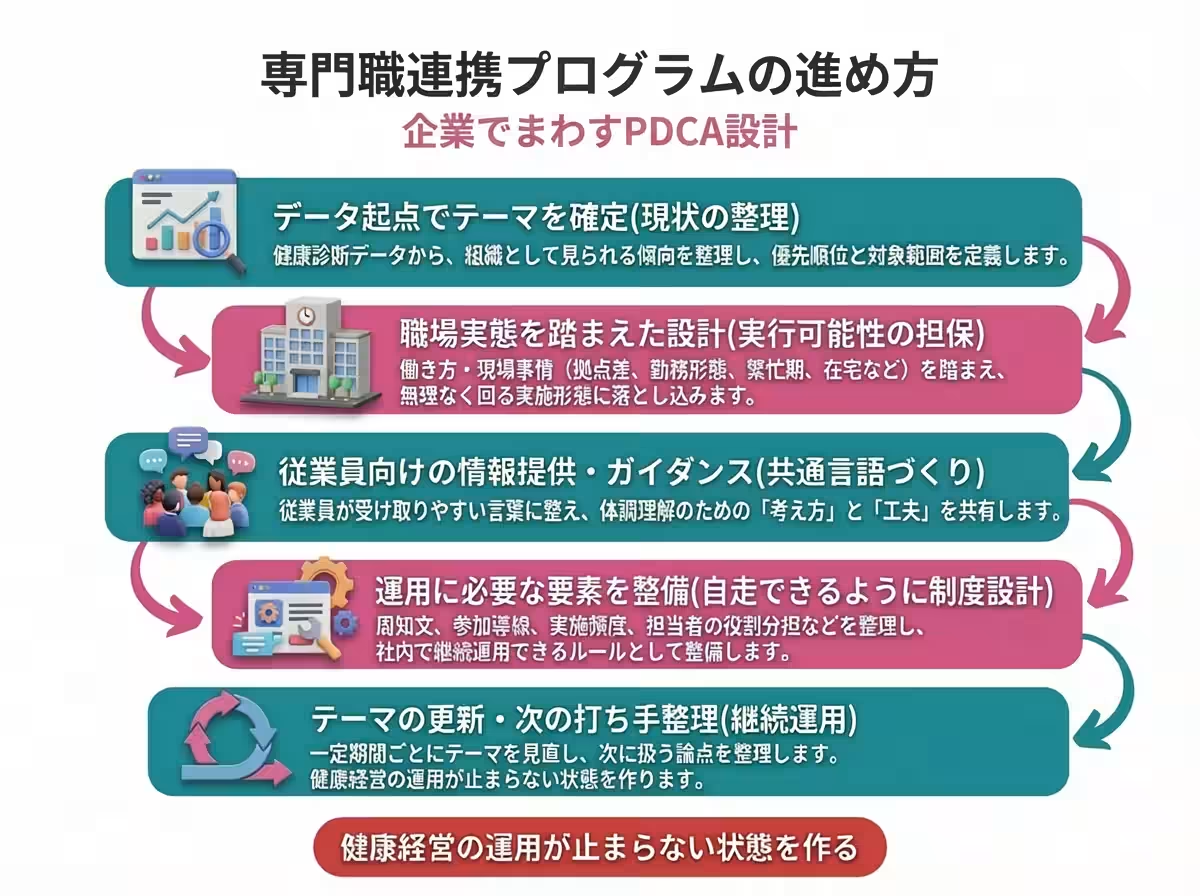
Implementation of the Professional Collaboration Program (PDCA Cycle)
To prevent isolated initiatives and promote sustainable practices, the program follows this structure:
1. Data-driven Theme Definition (Current Situation Analysis):
- Define organizational trends based on health check data and establish priorities.
2. Design Based on Workplace Realities (Ensuring Feasibility):
- Consider practical implementation strategies grounded in the realities of working conditions.
3. Information Dissemination and Guidance for Employees (Creating a Common Language):
- Simplify language to ensure employees easily receive and understand lifestyle management strategies.
4. Establishing Necessary Elements for Operations (Self-sustainability Design):
- Organize materials for awareness campaigns, identify participation pathways, and clarify roles.
5. Updating Themes and Planning Future Actions (Sustainable Operations):
- Regularly review and update themes, maintaining a continuous health management approach.
Message to Corporate Leaders
Elevated HbA1c levels signal a complex lifestyle issue that cannot be adequately addressed through knowledge sharing alone. It is essential to structure health initiatives effectively, allocate roles among health professionals, and develop sustainable workplace practices for managing daily habits.
This article aims to serve as a reference point for organizations when assessing whether their health management efforts are truly integrated for ongoing, sustainable implementation.
Topics Health)
【About Using Articles】
You can freely use the title and article content by linking to the page where the article is posted.
※ Images cannot be used.
【About Links】
Links are free to use.