



The Rise of Homemade Lunches Among Singles in Urban Areas: A New Trend
The Growing Trend of Homemade Lunches Among Singles
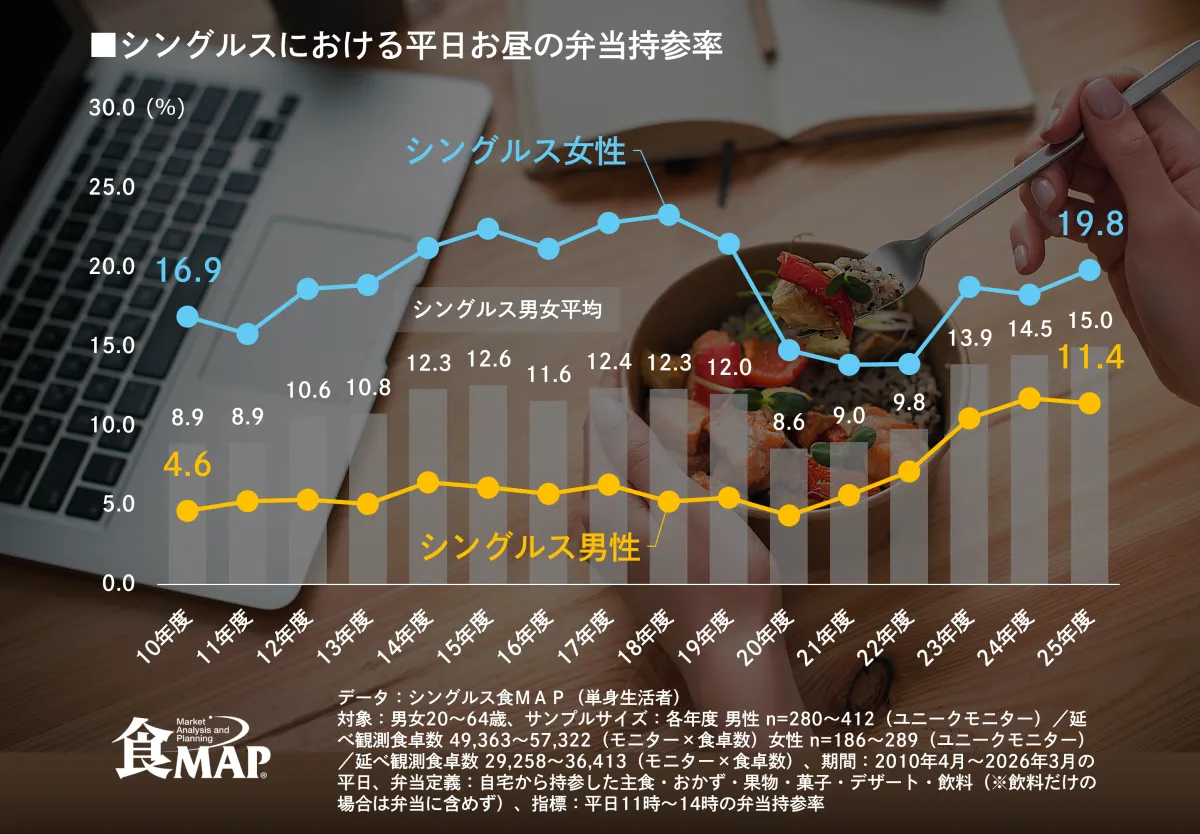
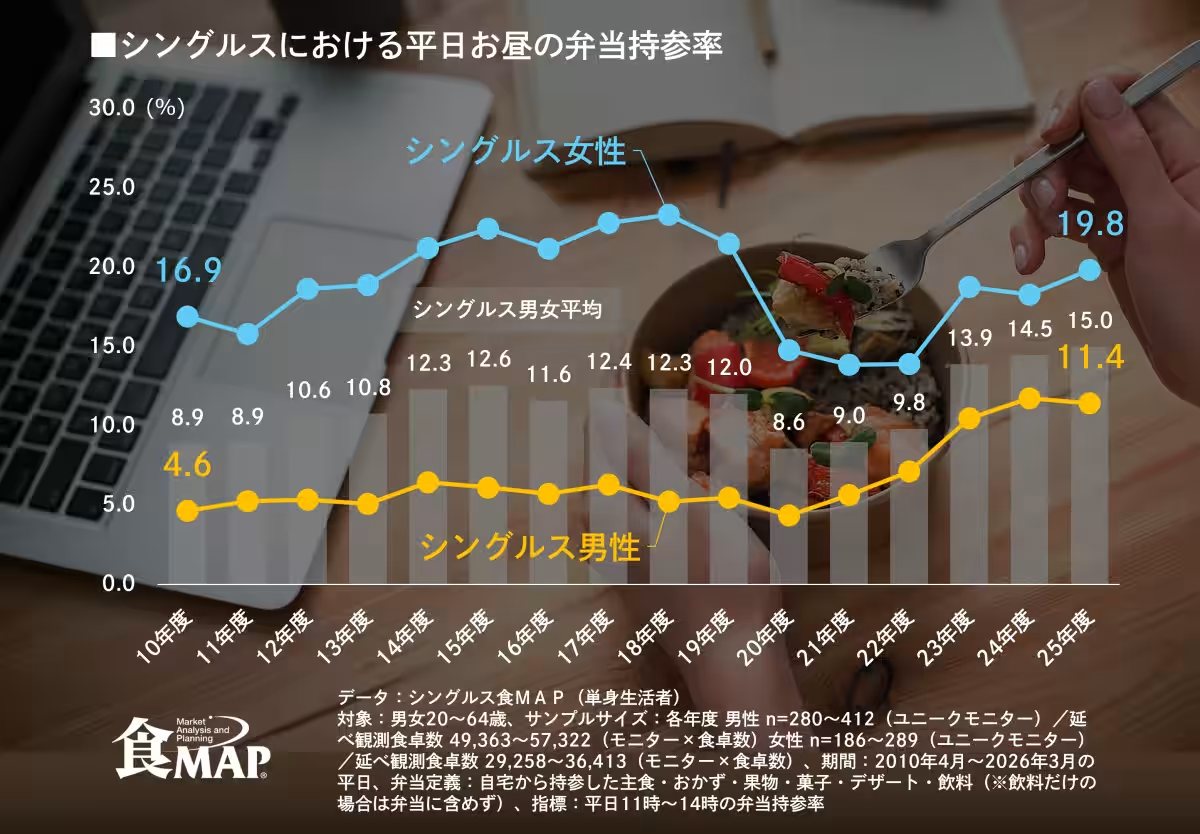
A recent survey conducted by Lifescape Marketing, based in Chiyoda, Tokyo, indicates a significant increase in the number of singles bringing homemade lunches, or 'my bento', to work during the weekdays. The survey, which included 493 singles aged between 20 and 64 living in the metropolitan area, reveals that the rate of bringing lunches has risen from 8.9% in 2010 to 15.0% in 2025. This marks the highest percentage recorded since the data began in 2010, illustrating a notable shift in the lunch habits of singles.
A Shift in Lunchtime Dynamics
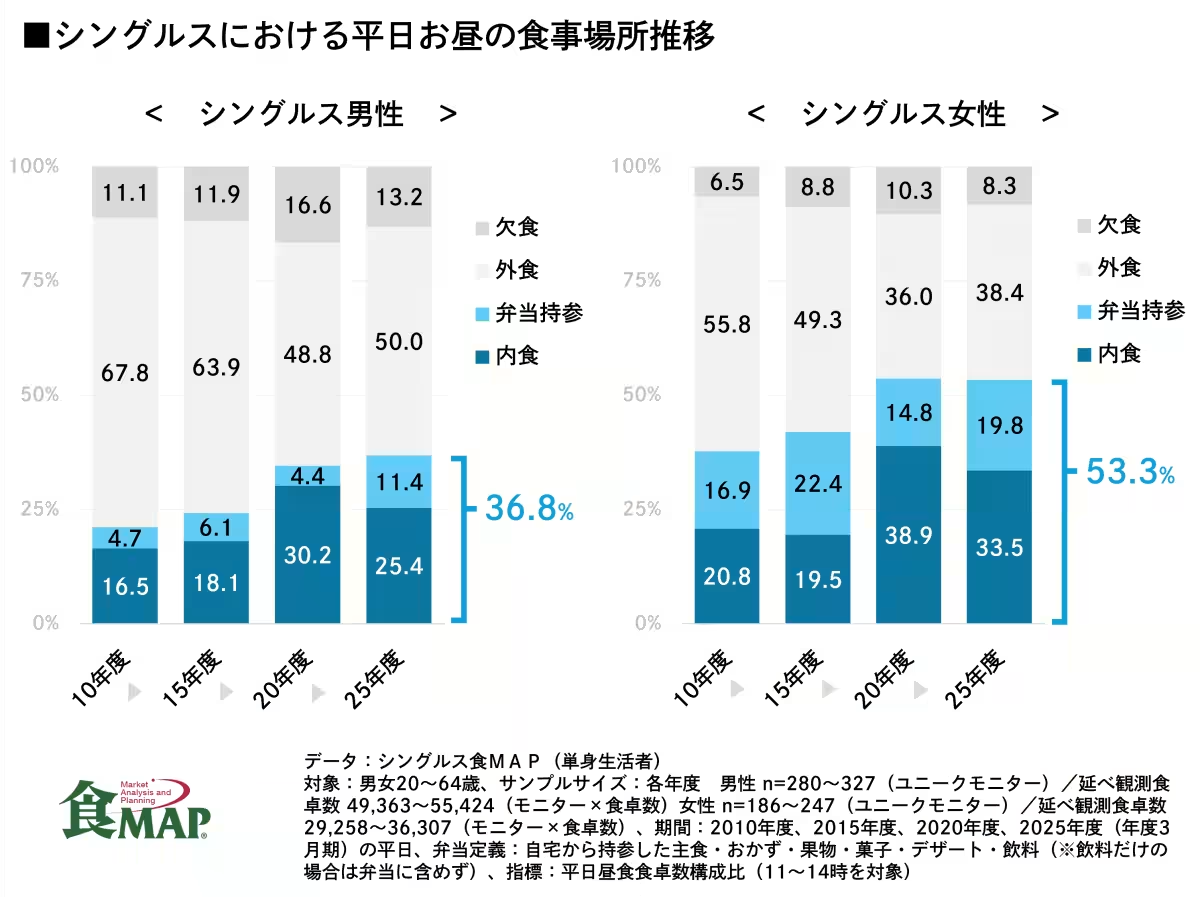
Historically, many singles—especially men—tended to prefer eating out during lunch hours. However, recent trends show a marked increase in those choosing to prepare and bring their own meals. The rise among men is particularly striking, as their rates of bringing lunches have increased to 2.5 times that of 2010. This shift is attributed to several factors, including rising food prices, heightened health consciousness, and improved cooking skills gained during the pandemic.
As self-cooking became more common during lockdowns, many individuals found it to be a viable option even after restrictions eased. This cultural transition reflects a broader trend where lunch moves from being perceived as something to buy to something to prepare oneself.
During the pandemic, the lunchtime dynamic shifted dramatically, as seen in the survey data. In 2010, 67.8% of lunches consumed by men were from restaurants or convenience stores. By 2020, that figure dropped below 50% as people began to eat at home. Fast forwarding to 2025, the rate of eating at home decreased further, while the rate of bringing lunches surged from 4.4% to 11.4%. Interestingly, women had already been leading the trend since 2015, when over 20% were bringing their own lunches, and they continue to maintain this preference post-pandemic.
Simplifying the Bento Box
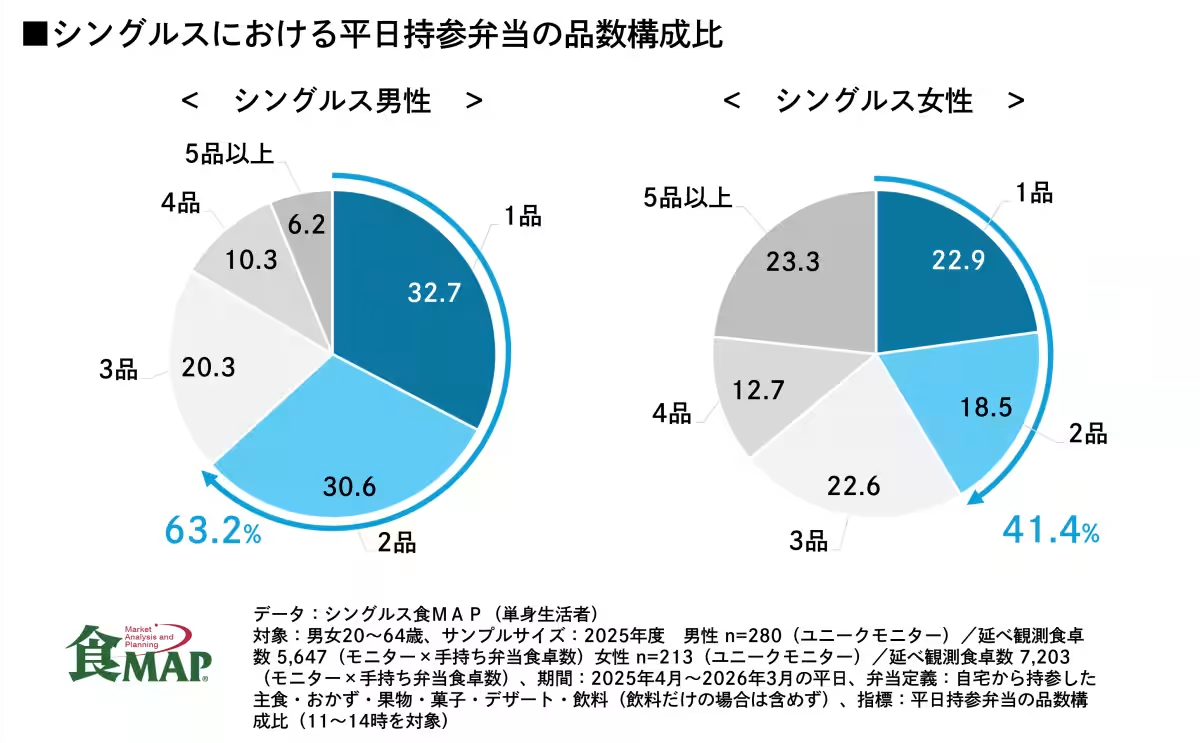
With the rise of 'my bento', the contents of these homemade lunches deserve a closer look. The 2025 data shows that many singles are opting for simpler lunches. For instance, among men, 32.7% bring only one item, and 30.6% bring two items, indicating that over 60% of men prepare meals with two or fewer items. Women also embrace this trend, with 22.9% bringing one item and 18.5% bringing two, showcasing that their lunches tend to include slightly more variety.
This reflects a shift in attitude towards quick and economical lunches. In 2015, the average number of items in a male's bento was 3.3, which decreased to 2.1 by 2025. Similarly, women saw a drop from 3.8 to 3.2 items. It appears that the prevalent notion of a bento consisting of multiple dishes is evolving towards a more minimalist and economical approach, where simpler, fewer items become the standard.
The Content of ‘Simple Bento’
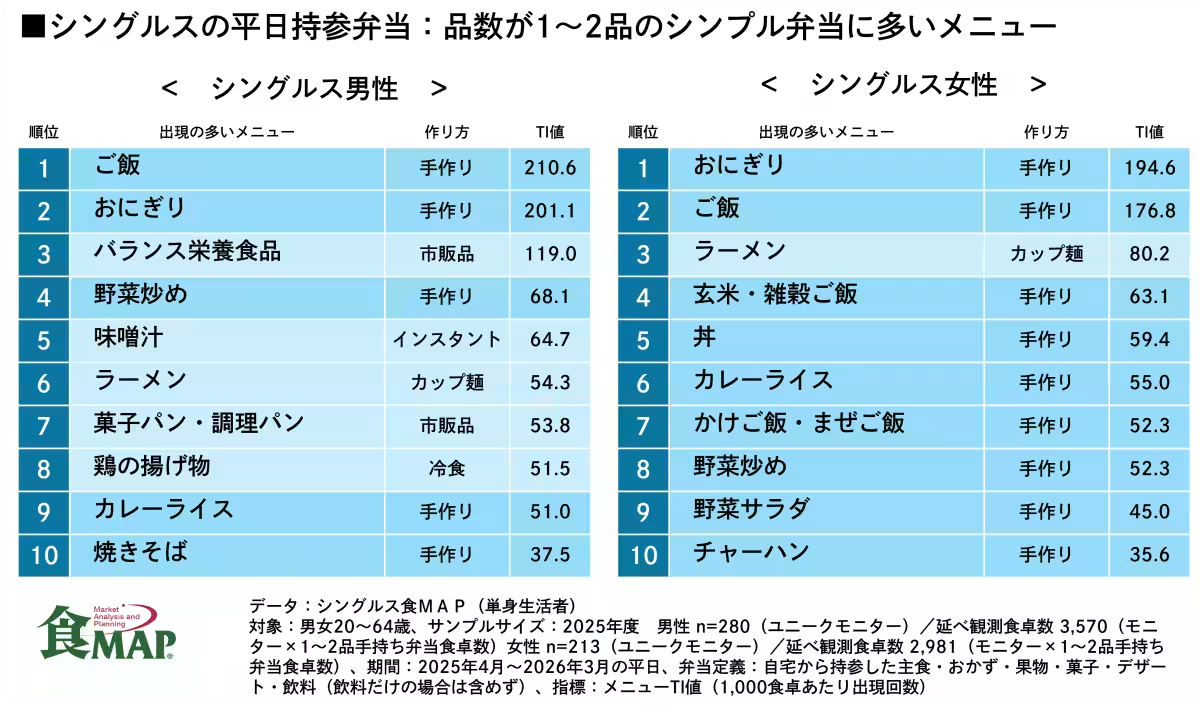
So, what kind of foods are filling these simpler bento boxes? An analysis shows that for items consisting of one or two dishes, the top-ranking items for men include homemade rice and onigiri, with stir-fried vegetables, curry, and even yakisoba making an appearance. In contrast, women prefer rice dishes such as onigiri, various types of rice, curry, and stir-fried vegetables.
A New Approach to Lunch
The emergence of the 'simple bento' signifies a shift towards a more pragmatic approach to lunchtime. This new trend balances factors such as cost-saving, time efficiency, and health, demonstrating that individuals are finding ways to accommodate these values without compromising on their preferences. The perception that preparing a bento is labor-intensive is changing, as more people opt for meals that they can flexibly customize according to what they have at home. This trend does not appear to be fleeting; instead, it is likely to solidify as a mainstream lunchtime choice as the awareness and behaviors influenced by the pandemic continue to evolve.
Mapping out the culinary landscape in metropolitan areas, Lifescape Marketing’s study reflects significant lifestyle changes that could redefine mealtime for singles in the coming years. As the population of singles increases, the homemade lunch trend represents a broader cultural shift towards self-sufficiency in meal preparation.
For inquiries related to the data and services offered by Lifescape Marketing, please refer to their official contact form for any questions or requests.
Topics Consumer Products & Retail)



【About Using Articles】
You can freely use the title and article content by linking to the page where the article is posted.
※ Images cannot be used.
【About Links】
Links are free to use.