



Exploring the Use of Virtual Reality in Depression Treatment: A Feasibility Study
Virtual Reality in Depression Treatment: A Feasibility Study
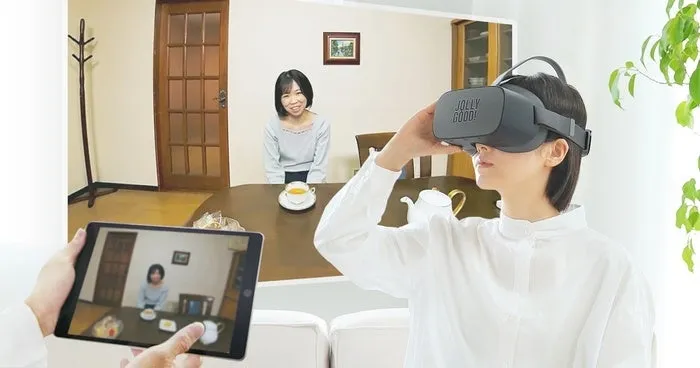
In an innovative approach to mental health treatment, Jolly Good Co., Ltd., based in Chuo-ku, Tokyo, has successfully completed a feasibility study for VR-based cognitive behavioral therapy (CBT-VR) in partnership with the National Center of Neurology and Psychiatry Hospital (NCNP Hospital). This research aims to determine the effectiveness and safety of using virtual reality as a substitute for traditional face-to-face cognitive behavioral therapy, all while reducing the time required for healthcare professionals to be involved in the treatment process.
Background of the Study
The feasibility study is grounded in clinical research laws and focuses on the application of CBT within a VR environment. The main goal is to see if CBT-VR could function effectively in a clinical setting, which could ultimately lead to better patient outcomes while alleviating the workload of healthcare providers.
Conducted at the NCNP Hospital, the research managed to complete all necessary phases as planned. Excitingly, formal results and academic publications from the collaborative research will soon be available through the esteemed professionals from NCNP.
Future Directions
Jolly Good is dedicated to continuing collaboration with the medical sector to leverage cutting-edge technology and ideas for advancing healthcare education. The campaign aims for users to experience the high-quality medical VR content offered by their 'JOLLYGOOD+' initiative, which aims to uncover new possibilities in both medical and educational settings. The company welcomes everyone to join them in supporting the evolution of healthcare.
Overview of the Feasibility Trial
The trial examines the use of VR in administering CBT to individuals diagnosed with depression. This research looks into how feasible and effective CBT-VR is in real-world clinical environments.
Study Structure
The study is designed as a single-center intervention trial with a before-and-after comparison. Eligible participants, screened for qualifications, come in for weekly outpatient sessions where they engage in 16 CBT-VR sessions. Evaluations are conducted at baseline, after 8 sessions, and post-16 sessions or therapy abandonment to ensure safety and effectiveness.
Participants will also engage in follow-up sessions for six months post-intervention to assess sustained progress.
Target Participant Criteria
Inclusion Criteria:
1. Diagnosed with major depressive disorder not improved with medications or where medications are not suitable.
2. Aged between 18 and 65 years old.
Exclusion Criteria:
1. Concomitant or historical episodes of mania, hypomania, psychosis, personality disorder, PTSD, or substance use disorders.
2. Severe suicidal ideation.
Eligibility will ultimately be at the physician's discretion based on clinical evaluations and assessments.
Description of CBT-VR
CBT-VR is a newly developed unapproved medical device program designed to assist in CBT for patients with depression. Currently, it is undergoing development aimed at receiving regulatory approval.
This program incorporates various CBT elements, such as psychoeducation, goal setting, behavioral activation, problem-solving, cognitive restructuring, and relapse prevention, all within a VR framework. By allowing patients to experience these techniques, it aims to enhance emotional engagement and correct cognitive distortions, thereby improving the quality of life for individuals suffering from depression.
Challenges with Traditional CBT
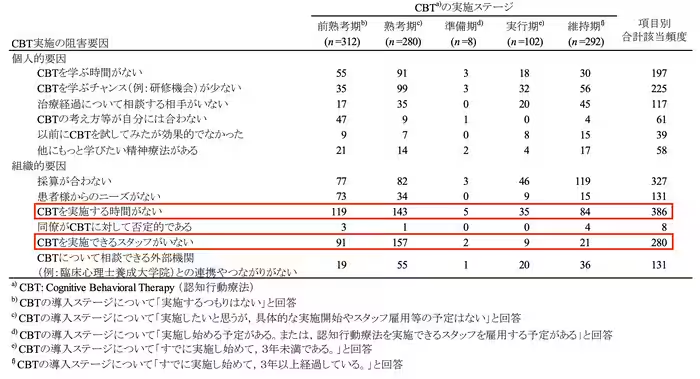
While CBT is clinically recognized for its efficacy, it comes with significant time and resource burdens on healthcare professionals. This limits the availability of practitioners qualified to deliver CBT effectively across different regions. The ongoing goal is to integrate information and communication technology to enhance the infrastructure supporting CBT delivery, thereby increasing accessibility for patients who express a desire for this therapeutic avenue.
About NCNP Hospital
The NCNP Hospital provides high-level medical care for individuals suffering from mental health issues, including psychiatric, neurological, and developmental disorders. Their commitment extends to uncovering disease causes and improving treatment through dedicated research efforts.
Visit NCNP Hospital
About Jolly Good Co., Ltd.
Jolly Good is a creative technology company focused on developing high-precision VR solutions and AI services for healthcare. Their mission is not only confined to healthcare but aims to alleviate workforce shortages across various industries. Jolly Good is inviting potential partners from manufacturing, construction, logistics, retail, and dining to explore DX and AI/XR initiatives for new business opportunities.
Learn more about Jolly Good


Topics Health)
【About Using Articles】
You can freely use the title and article content by linking to the page where the article is posted.
※ Images cannot be used.
【About Links】
Links are free to use.