



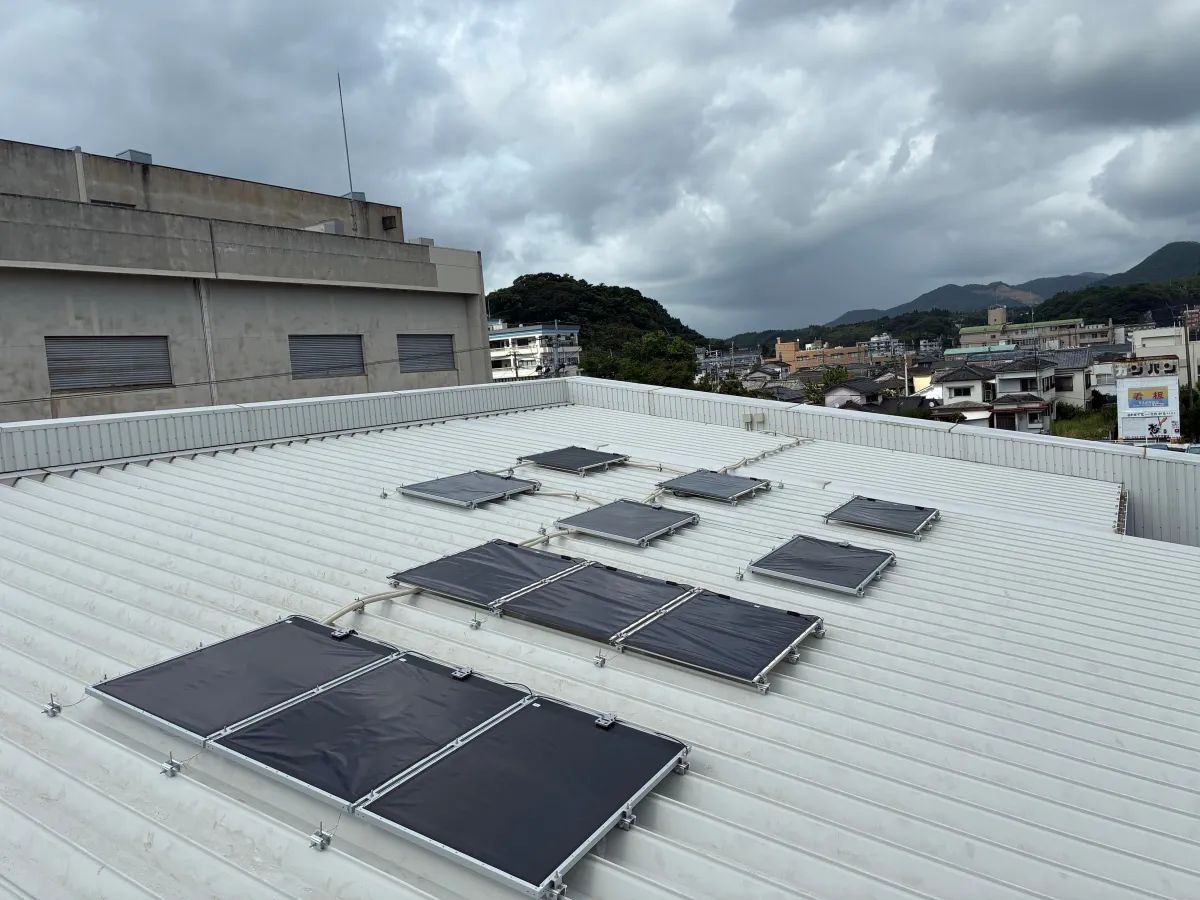
Innovative Film-Structured Perovskite Solar Cells Enter Testing Phase in Japan
Introduction to Perovskite Solar Technology
In a significant development for renewable energy in Japan, a collaboration between Sekisui Chemical Co., Ltd., Sekisui Solar Film Co., Ltd., Kagoshima Bank, and Nankoku Shokusan Co. has initiated a demonstration project for a new specification of film-structured perovskite solar cells. This experiment aims to create valuable data on the effectiveness and resilience of these solar cells in real-world conditions, specifically in the face of typhoons and salt damage. Starting from September 4, 2026, this research will be taking place in Shibushi City, Kagoshima Prefecture, which is known for its extreme weather.
Background of the Project
As Japan strives to achieve carbon neutrality by 2050, the demand for renewable energy sources, particularly solar power, is growing. However, Japan faces challenges due to its limited land availability, making the deployment of traditional silicon solar cells in many areas impractical. In contrast, film-structured perovskite solar cells offer advantages such as light weight and flexibility. These characteristics enhance their potential for installation in locations that were previously considered unsuitable for solar energy solutions, thereby making them a promising option for increasing the country's share of renewable energy.
To evaluate the impacts of weather conditions such as typhoons and salt damage, this pioneering demonstration project is essential for expanding the use of renewable energy across Japan.
Objectives of the Demonstration
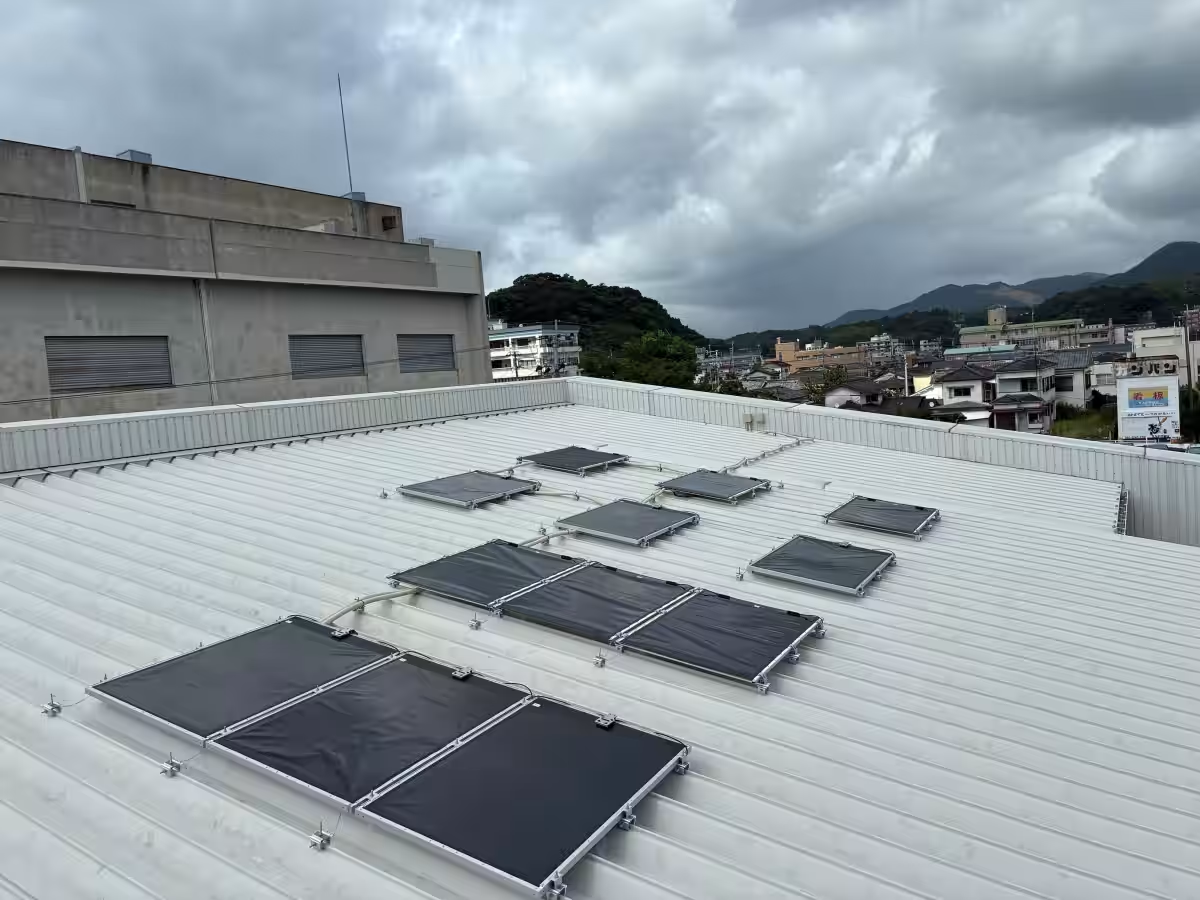
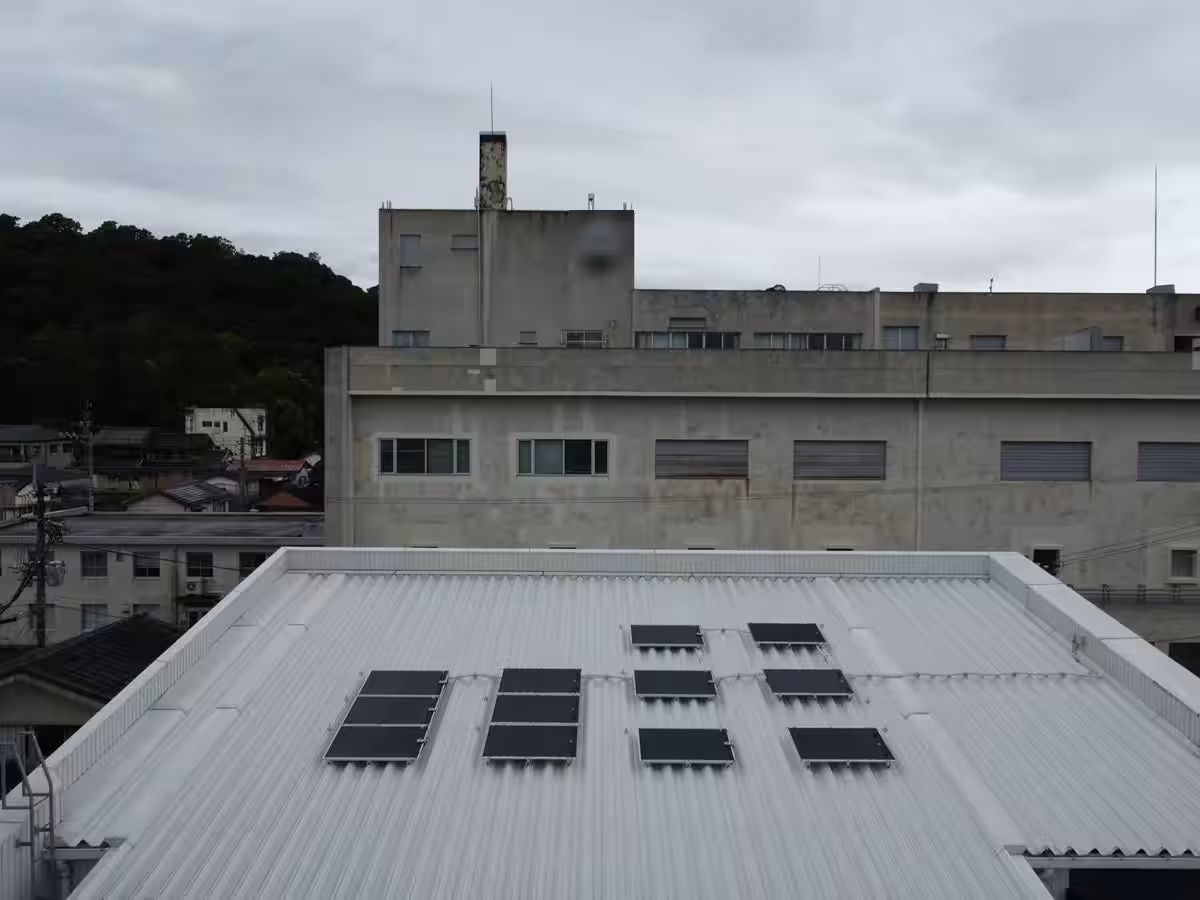
The main objective of this project is to innovate upon the existing metal roof model of perovskite solar cells produced by Sekisui Solar Film. The new specification aims to make the cells lighter, more affordable, and better suited for flexible installation. Specifically, a model known as the "sheet specification" will be established at the Kagoshima Bank's Shibushi branch, with installation performed by Nankoku Shokusan. The focus will be on evaluating the construction methods, wind resistance, and salt damage resilience of these cells in locations where environmental impact is likely.
Additionally, the project will explore a "continuous installation specification" employing special fixtures, which aims to maximize the capacity of perovskite solar cells across designated roof areas.
Key Details of the Demonstration
- - Installation Site: Kagoshima City, at the Kagoshima Bank Shibushi branch.
- - Installation Scale: Deployment of both "sheet specification" and "continuous installation specification" film-structured perovskite solar cells on rooftops.
- - Demonstration Duration: Starting from September 4, 2026, for a period of approximately three years.
- - Evaluation Focus: Assessing the impact of typhoons and salt damage on the film-structured perovskite solar cells, along with verifying the construction methods compared to previous models and evaluating their efficiency.
Future Perspectives
Following the project, regular inspections will be conducted by the Kagoshima Bank, Nankoku Shokusan, and Sekisui Solar Film. The results from this demonstration will inform the enhancement of weather resistance and construction methods for the new specification of film-structured perovskite solar cells. The goal is to contribute significantly to the realization of a decarbonized society through the expanded application of these cells, showcasing their adaptability and resilience against Japan's challenging weather conditions.
Conclusion
This demonstration not only highlights innovative strides in solar technology but also emphasizes the collaborative efforts needed to tackle the challenges of renewable energy in Japan. As the project unfolds, it promises to pave the way for broader implementation of clean energy solutions that could revolutionize the renewable energy landscape in the country.


Topics Energy)

【About Using Articles】
You can freely use the title and article content by linking to the page where the article is posted.
※ Images cannot be used.
【About Links】
Links are free to use.