



Kai City to Transition 43 Public Facilities to Renewable Energy by 2026
Kai City Moves Toward Renewables
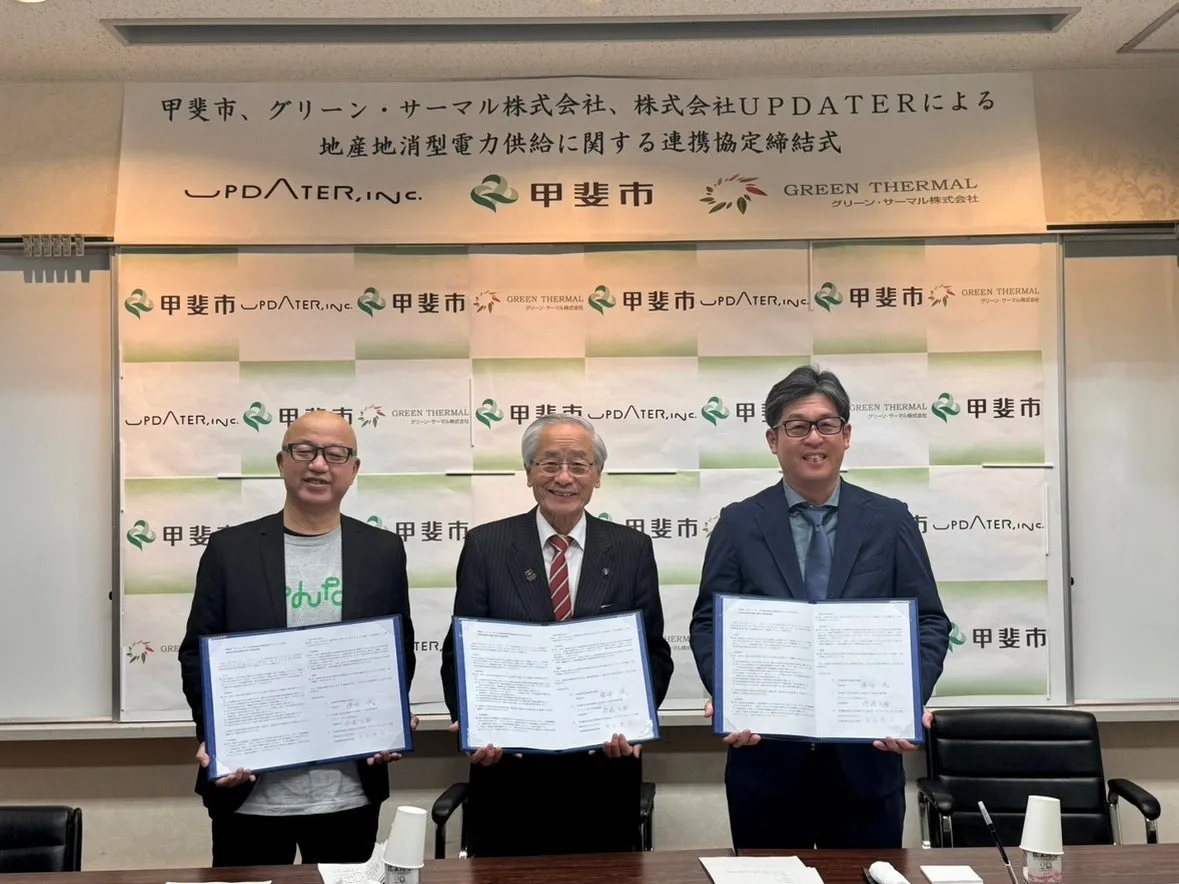
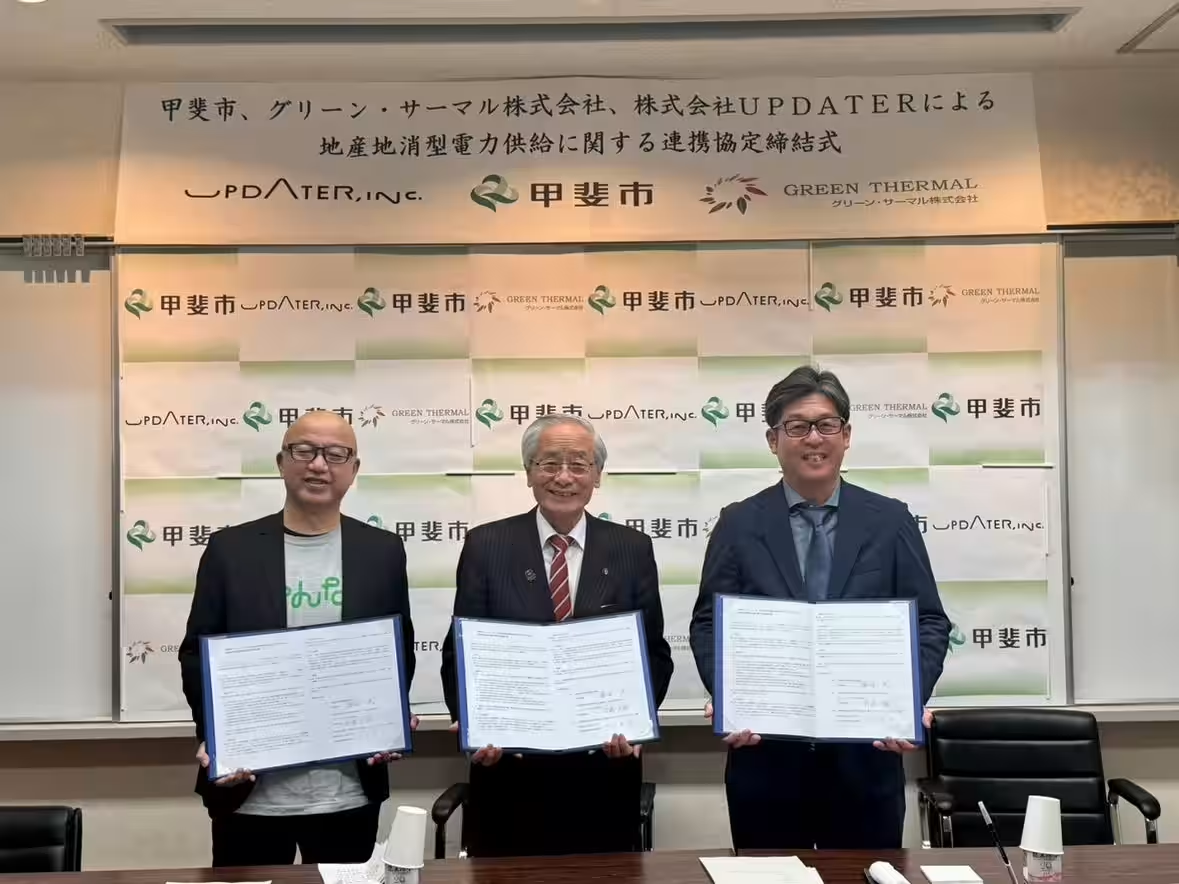
In a progressive step towards sustainability, Kai City, located in Yamanashi Prefecture, has announced a significant initiative to transition 43 public facilities to renewable energy sources by April 2026. This initiative is a collaboration between Kai City, UPDATER Co., Ltd., and Green Thermal Co., Ltd., aimed at utilizing locally generated renewable energy to power public services.
Agreement for Local Energy Supply
On February 3, 2026, a partnership agreement titled "Regional Energy Supply Agreement" was established, intending to supply electricity generated from renewable energy sources located within the city to various public facilities. This endeavor seeks to promote the effective use of local resources while advancing the introduction of renewable energy and contributing to the development of a sustainable community.
Mayor Takeshi Hosaka of Kai City emphasized the importance of this collaboration, stating that it aligns with the city’s commitment to becoming a "decarbonization-leading region" as recognized by Japan's Ministry of the Environment. The city aims to achieve net-zero CO2 emissions from its commercial sector by the year 2030.
The Switch to Renewable Energy
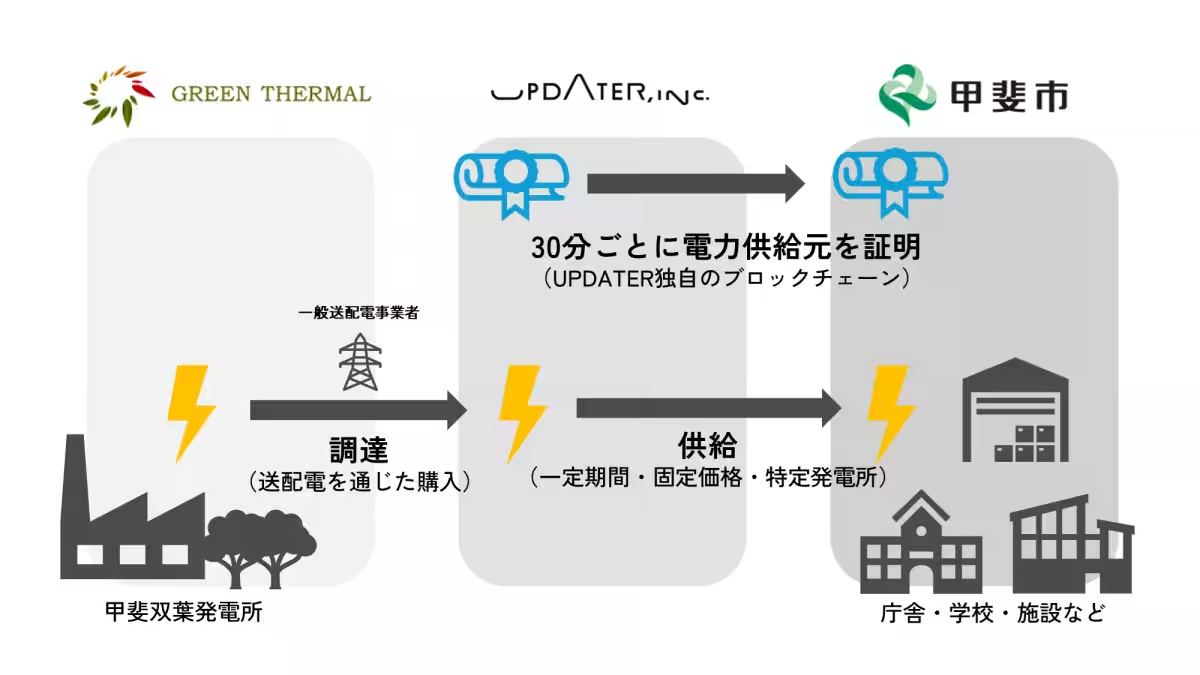
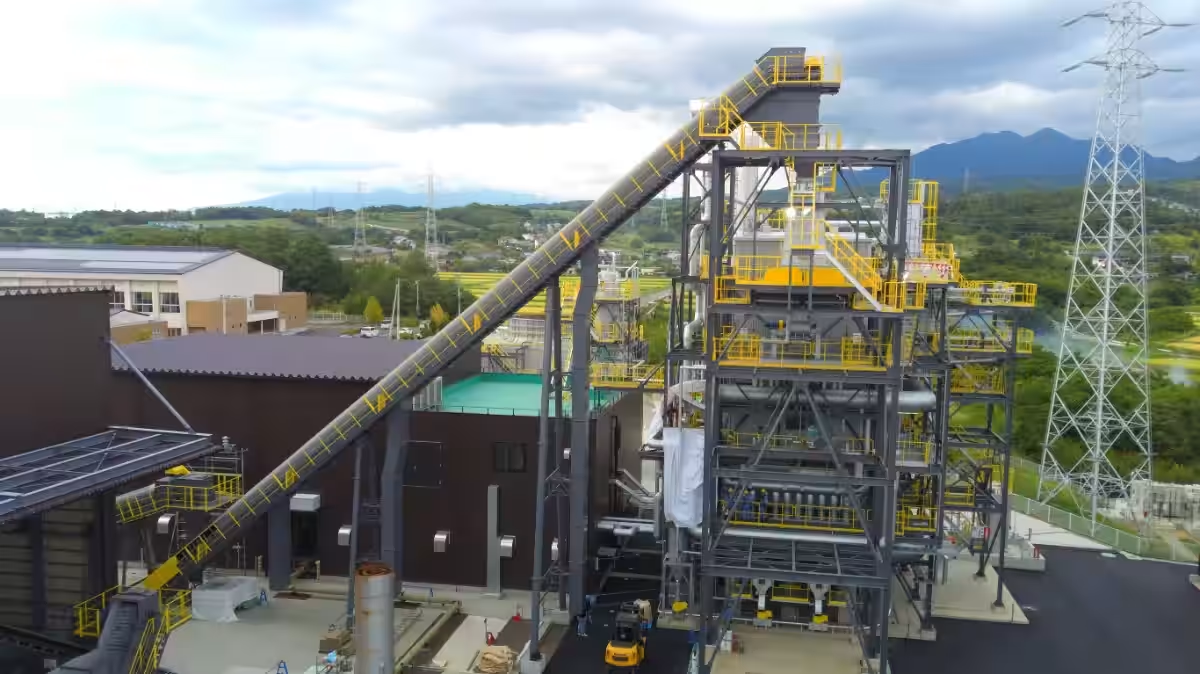
As part of this collaboration, Kai City will source its electricity from the Kai Futaba Biomass Power Plant, which utilizes locally sourced wood biomass as fuel. By relying on an energy model that emphasizes local production for local consumption, the city aims to complete its energy cycle entirely within the community. This will involve using approximately 6,950 kW of power, sufficient for about 1.3 million households.
UPDATER has built a reputation for providing 100% renewable energy through its energy retail service, known as “Minna Denryoku,” which emphasizes the traceability of energy supply thanks to blockchain technology. This initiative will enable the public facilities such as schools, welfare centers, and libraries to use electricity that is entirely sourced from renewable means.
Environmental Benefits and Goals
With this transition, the city anticipates a reduction of approximately 2,500 tons of CO2 emissions annually. This translates to around 6 million kWh of electricity being sourced from renewable origins each year, significantly advancing the city’s goals for environmental sustainability.
The project also aims to foster community engagement in energy governance by leveraging transparency and traceability technologies. This approach allows residents to understand where their power comes from and encourages local participation in energy consumption practices.
Looking Forward: Toward a Low-Carbon Future
As Kai City enters a new chapter in its sustainability campaign, UPDATER and Green Thermal remain committed to supporting the establishment of local economies revolving around renewable energy. Plans include not just the public facilities, but an extension of this renewable energy model to local businesses and residences, emphasizing the city’s broader aim of creating a zero-carbon city in the future.
This collaboration sets the stage for future energy innovations and economic cycles that contribute not only to ecological health but also prioritize local job creation and resource utilization. It symbolizes a collective movement towards a greener future, fostering a close relationship between the local community, energy production, and environmental integrity.
Conclusion
With the transition of public facilities to sustainable energy beginning in April 2026, Kai City showcases its ambition to lead in sustainable energy initiatives in Japan. By harnessing local resources and fostering collaborations among energy suppliers, they set a precedent for other regions to follow in the path toward a greener, more sustainable future.
Topics Environment)
【About Using Articles】
You can freely use the title and article content by linking to the page where the article is posted.
※ Images cannot be used.
【About Links】
Links are free to use.