



FANCL Develops Safe and Vibrant New Purple Pigments for Cosmetics
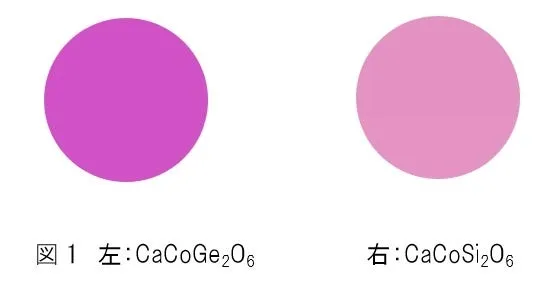
FANCL, a prominent name in the cosmetics industry, has recently announced the development of a groundbreaking inorganic purple pigment named "CaCoGe2O6" along with another variant "CaCoSi2O6" in collaboration with Tottori University. This innovation aims to combine the vibrancy of colors traditionally achieved through synthetic dyes with the safety that users expect from skincare products.
Traditionally, cosmetic products rely on synthetic colorants, which are derived from tar-based substances, to achieve bright and appealing shades. However, these synthetic dyes are often linked with allergic reactions, raising concerns among consumers. Responding to this challenge, FANCL has chosen to utilize inorganic pigments that are considered safer for skin application. The existing inorganic pigments, although stable and safe, tend to showcase dull and muted shades, posing a significant challenge in achieving the vivid colors consumers crave.
The newly developed pigments are said to hold the same stability and safety characteristics as conventional inorganic pigments but overcome the color vibrancy issue, boasting a bright and beautiful hue. The research findings were prominently presented at the "2025 Material Research Presentation Conference."
Utilizing Pyroxene Structure for the Development of New Purple Inorganic Pigments
In creating this new purple pigment, researchers focused on the pyroxene structure, recognized for its resistance to heat and light along with its stable nature. It has been discovered that this structure can exhibit various colors depending on the types of elements it contains. Consequently, based on a non-toxic compound known as "CaMgGe2O6," researchers integrated metal elements that would fulfill the color requirements, eventually arriving at the groundbreaking pigments.
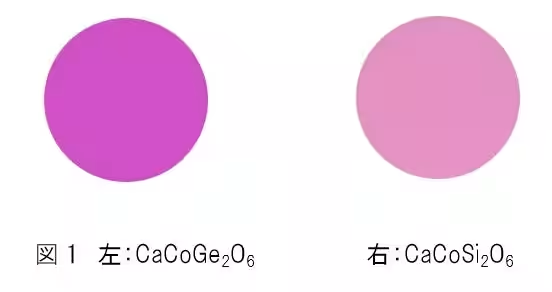
By substituting magnesium (Mg) in "CaMgGe2O6" with cobalt (Co) and sintering it at a high temperature of 1200 degrees, they successfully synthesized the vibrant purple inorganic pigment "CaCoGe2O6." However, as germanium (Ge) contained in "CaCoGe2O6" is rarely used in cosmetics, the research team explored replacing it with silicon (Si), which is more commonly utilized in cosmetic products. This led them to successfully create another pink inorganic pigment termed "CaCoSi2O6," although this required a distinct synthesis approach.
Confirmation of Superior Vibrancy Over Existing Red Pigments
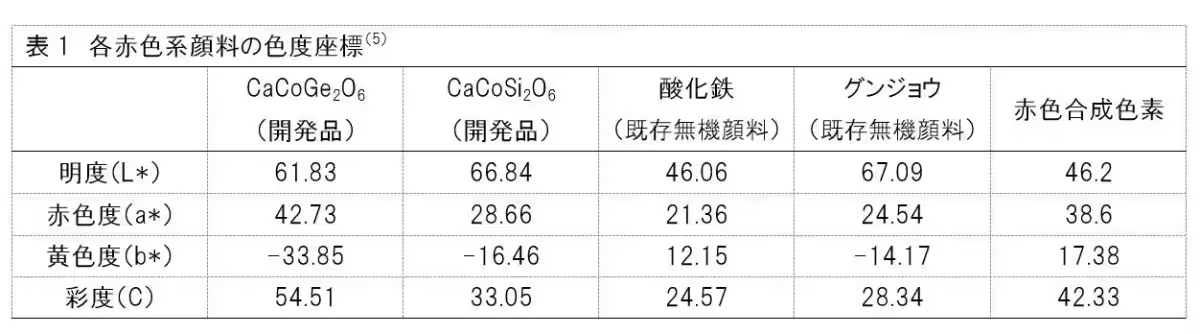
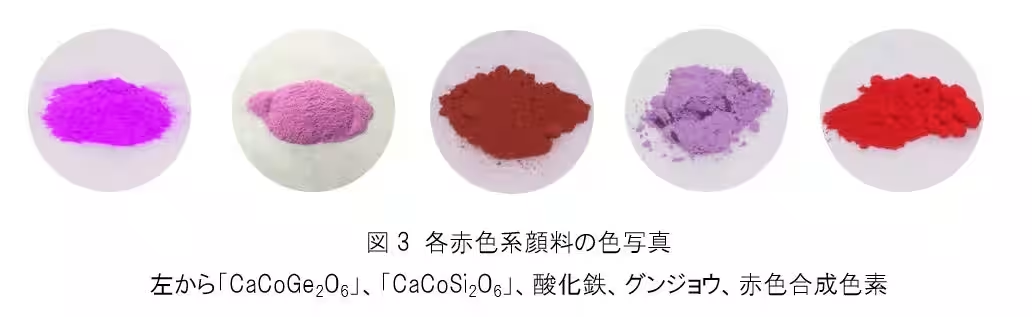
In a comparative analysis, measurements were performed on existing red inorganic pigments such as iron oxide and ultramarine, as well as red synthetic dyes in conjunction with the newly developed pigments. Measurements were taken using the Lab color space to assess lightness (L), redness (a), and yellowness (b).
- a: Positive values indicate redness, while negative values indicate greenness. - b: Positive values suggest yellowness, while negative values indicate blueness.
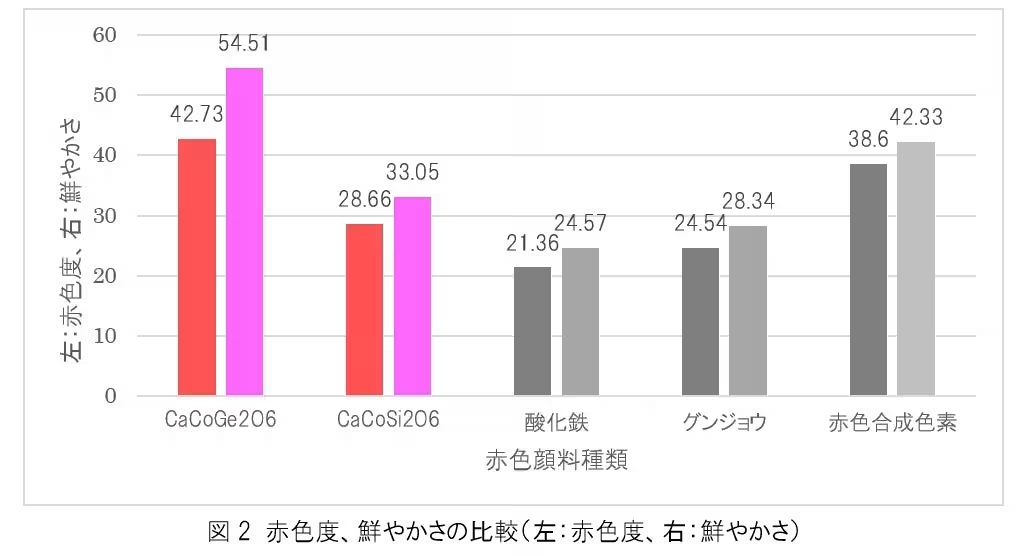
The overall saturation (C) was derived from the equation √(a)² + (b)², which validated that the new pigments "CaCoGe2O6" and "CaCoSi2O6" possess greater vibrancy and high redness compared to existing red inorganic pigments like iron oxide and ultramarine.
FANCL has long prioritized the implementation of inorganic pigments free from synthetic dyes to provide skin-friendly alternatives. Despite their safety and stability, these pigments often lack color vibrancy, leading to more muted appearances. This prompted the company to innovate by seeking new, safe components capable of achieving both vivid colors and the advantageous properties of inorganic pigments, leading to this novel development based on the pyroxene structure.
Nao Kataoka, a researcher from FANCL’s Cosmetic Research Group stated, "When it comes to cosmetics, it is crucial to not only focus on color or texture but also prioritize skin friendliness. Inorganic pigments excel in providing subdued colors and reassurance of safety for consumers. However, the challenge of achieving vibrant colors persists. We have dedicated ourselves to developing pigments that beautifully combine safety and vibrancy.
By emphasizing skin-friendly products, we aim to deliver offerings that satisfy everyone who enjoys makeup. Our commitment lies in utilizing the knowledge gained from this research to create cosmetics that brighten everyday lives for numerous customers."

Traditionally, cosmetic products rely on synthetic colorants, which are derived from tar-based substances, to achieve bright and appealing shades. However, these synthetic dyes are often linked with allergic reactions, raising concerns among consumers. Responding to this challenge, FANCL has chosen to utilize inorganic pigments that are considered safer for skin application. The existing inorganic pigments, although stable and safe, tend to showcase dull and muted shades, posing a significant challenge in achieving the vivid colors consumers crave.
The newly developed pigments are said to hold the same stability and safety characteristics as conventional inorganic pigments but overcome the color vibrancy issue, boasting a bright and beautiful hue. The research findings were prominently presented at the "2025 Material Research Presentation Conference."
Research Methodology and Achievements
Utilizing Pyroxene Structure for the Development of New Purple Inorganic Pigments
In creating this new purple pigment, researchers focused on the pyroxene structure, recognized for its resistance to heat and light along with its stable nature. It has been discovered that this structure can exhibit various colors depending on the types of elements it contains. Consequently, based on a non-toxic compound known as "CaMgGe2O6," researchers integrated metal elements that would fulfill the color requirements, eventually arriving at the groundbreaking pigments.
By substituting magnesium (Mg) in "CaMgGe2O6" with cobalt (Co) and sintering it at a high temperature of 1200 degrees, they successfully synthesized the vibrant purple inorganic pigment "CaCoGe2O6." However, as germanium (Ge) contained in "CaCoGe2O6" is rarely used in cosmetics, the research team explored replacing it with silicon (Si), which is more commonly utilized in cosmetic products. This led them to successfully create another pink inorganic pigment termed "CaCoSi2O6," although this required a distinct synthesis approach.
Confirmation of Superior Vibrancy Over Existing Red Pigments
In a comparative analysis, measurements were performed on existing red inorganic pigments such as iron oxide and ultramarine, as well as red synthetic dyes in conjunction with the newly developed pigments. Measurements were taken using the Lab color space to assess lightness (L), redness (a), and yellowness (b).
- - L
The overall saturation (C) was derived from the equation √(a)² + (b)², which validated that the new pigments "CaCoGe2O6" and "CaCoSi2O6" possess greater vibrancy and high redness compared to existing red inorganic pigments like iron oxide and ultramarine.
Research Background and Objectives
FANCL has long prioritized the implementation of inorganic pigments free from synthetic dyes to provide skin-friendly alternatives. Despite their safety and stability, these pigments often lack color vibrancy, leading to more muted appearances. This prompted the company to innovate by seeking new, safe components capable of achieving both vivid colors and the advantageous properties of inorganic pigments, leading to this novel development based on the pyroxene structure.
Term Explanations
- - Synthetic Colorants (Tar-based Colorants): Dyes synthesized chemically that often do not exist in nature, designed for vibrant colors and stability.
- - Inorganic Pigments: Colorants based on natural materials like soil, rock, or metals.
- - Pyroxene Structure: A primary mineral structure comprising silicon and oxygen, widely found in various rocks, known for its diverse color capabilities depending on the constituent elements.
- - Composite Oxides: Compounds comprised of two or more metals combined with oxygen, which can yield a variety of colors and demonstrate resilience to heat and light.
- - Color Coordinates: Used to quantify the appearance of color, assessed through L, a, and b* values within the Lab color space.
Researcher's Comments
Nao Kataoka, a researcher from FANCL’s Cosmetic Research Group stated, "When it comes to cosmetics, it is crucial to not only focus on color or texture but also prioritize skin friendliness. Inorganic pigments excel in providing subdued colors and reassurance of safety for consumers. However, the challenge of achieving vibrant colors persists. We have dedicated ourselves to developing pigments that beautifully combine safety and vibrancy.
By emphasizing skin-friendly products, we aim to deliver offerings that satisfy everyone who enjoys makeup. Our commitment lies in utilizing the knowledge gained from this research to create cosmetics that brighten everyday lives for numerous customers."
Topics Consumer Products & Retail)
【About Using Articles】
You can freely use the title and article content by linking to the page where the article is posted.
※ Images cannot be used.
【About Links】
Links are free to use.