



The Latest Survey Reveals Aging Adults Face Severe Skin Dryness in Fall and Winter
Understanding the Dry Skin Issue Among Seniors
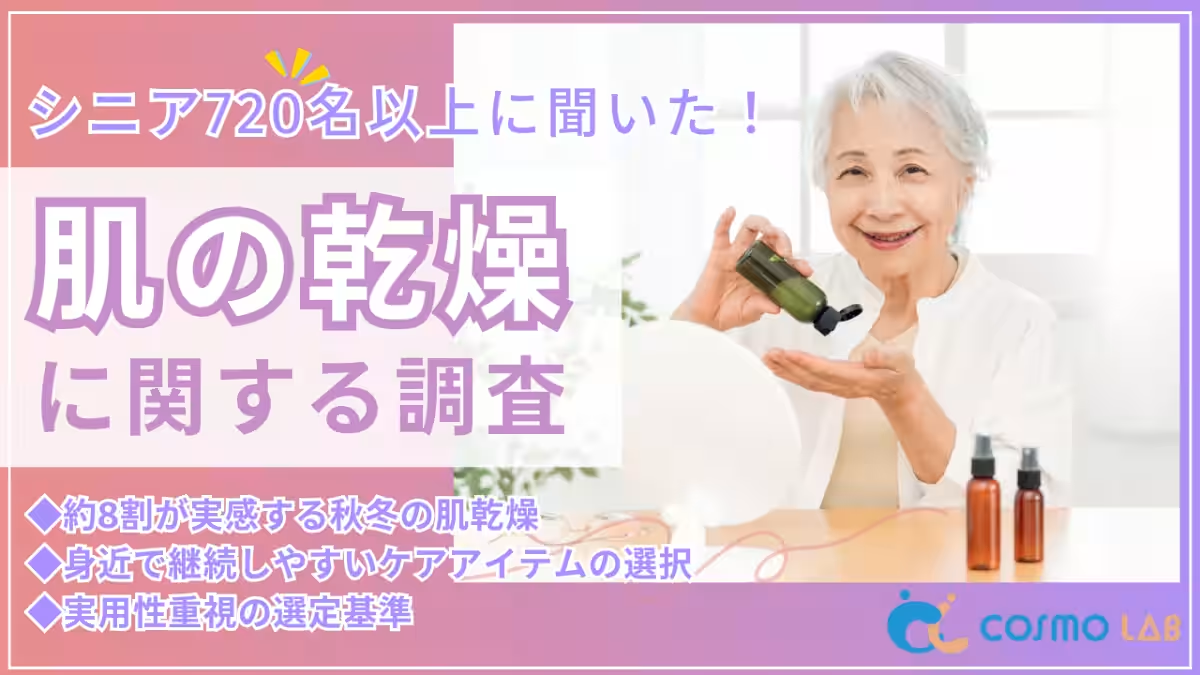
As winter approaches, skin dryness becomes a major concern for many aging individuals. A recent survey conducted by Cosmo Health revealed that around 80% of seniors experience skin dryness in the colder months. This statistic emphasizes the significance of effective skincare solutions for this demographic.
Survey Details
The research was aimed at exploring the perceptions and experiences of seniors regarding skin dryness. It involved a comprehensive questionnaire targeting those aged 50 and above, examining aspects such as dry skin locations, preferred skincare products, effectiveness perception, and the information needs related to skin hydration.
High Awareness of Dryness
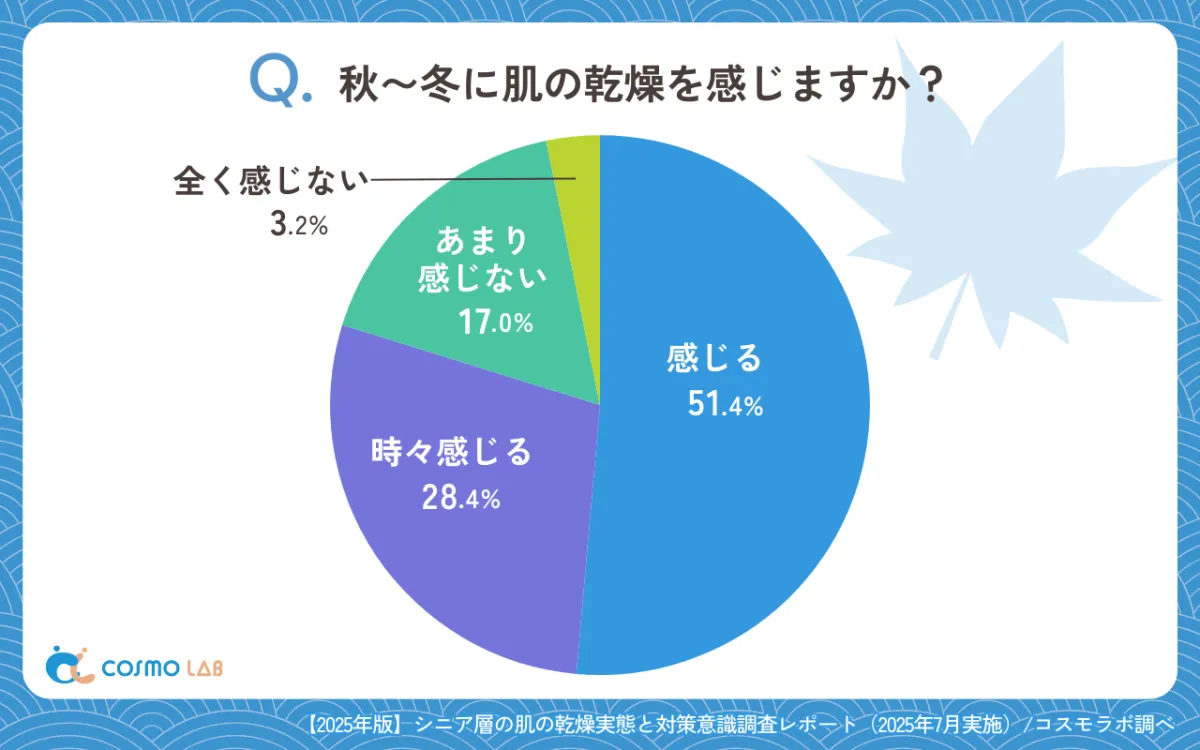
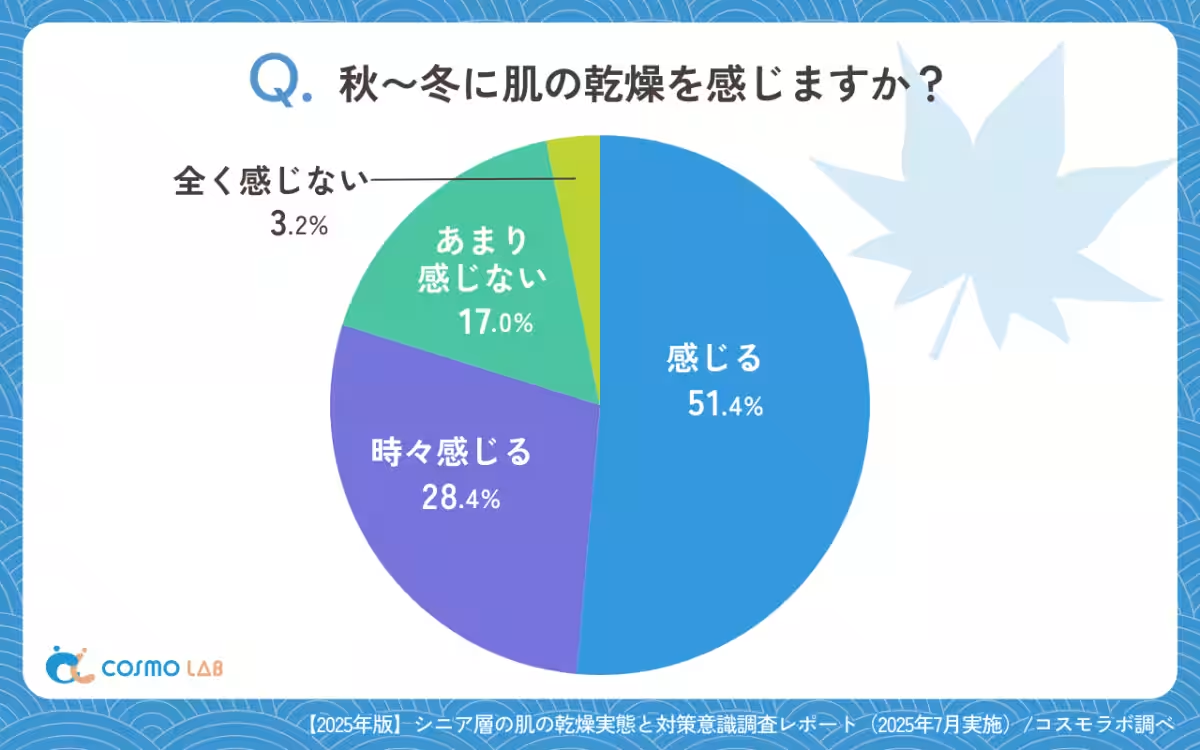
The data collected shows that 51.4% of respondents feel significant dryness during autumn and winter, while an additional 28.4% reported occasional dryness. Therefore, approximately 80% of seniors are aware of this pressing issue. This indicates that cold weather is a common concern among older adults, often linked to natural aging processes affecting skin functions.
Popular Products for Moisturization
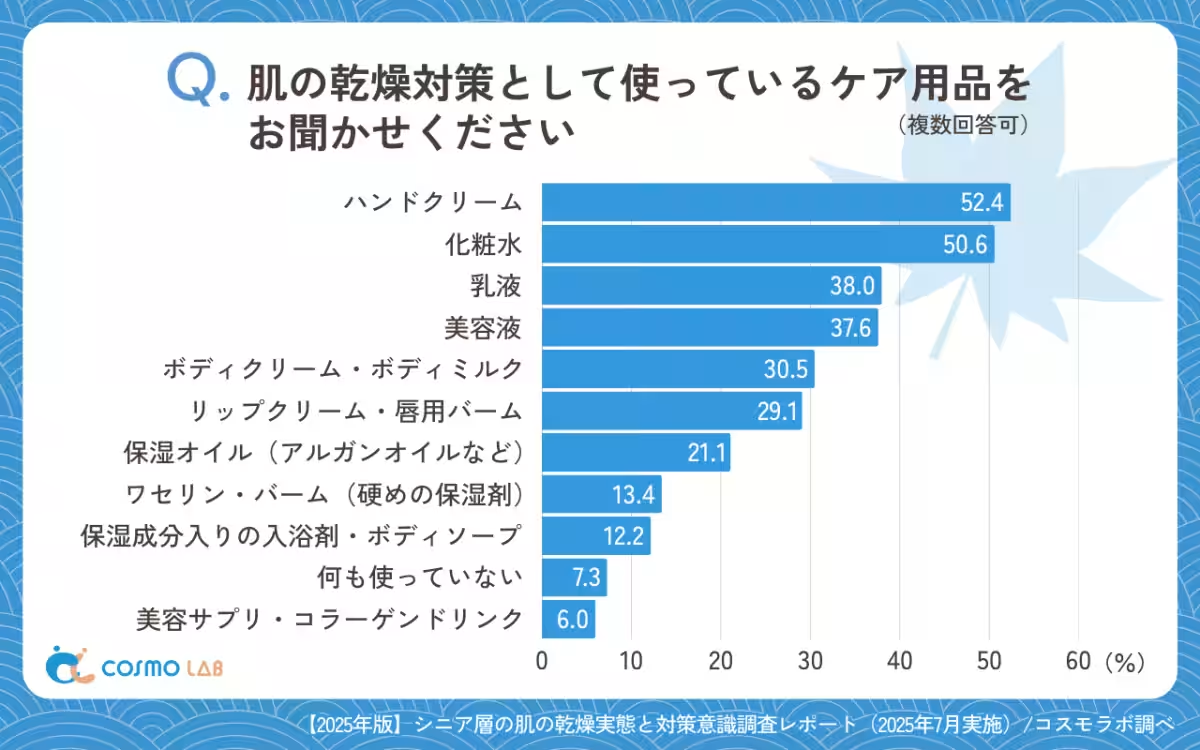
Survey results identified two primary skincare items favored by seniors: hand cream (52.4%) and toner (50.6%). Ease of use and accessibility are critical factors driving these choices. As many seniors prefer straightforward and effective solutions, these items are ideal for their daily care routines.
Criteria for Choosing Moisturizing Products
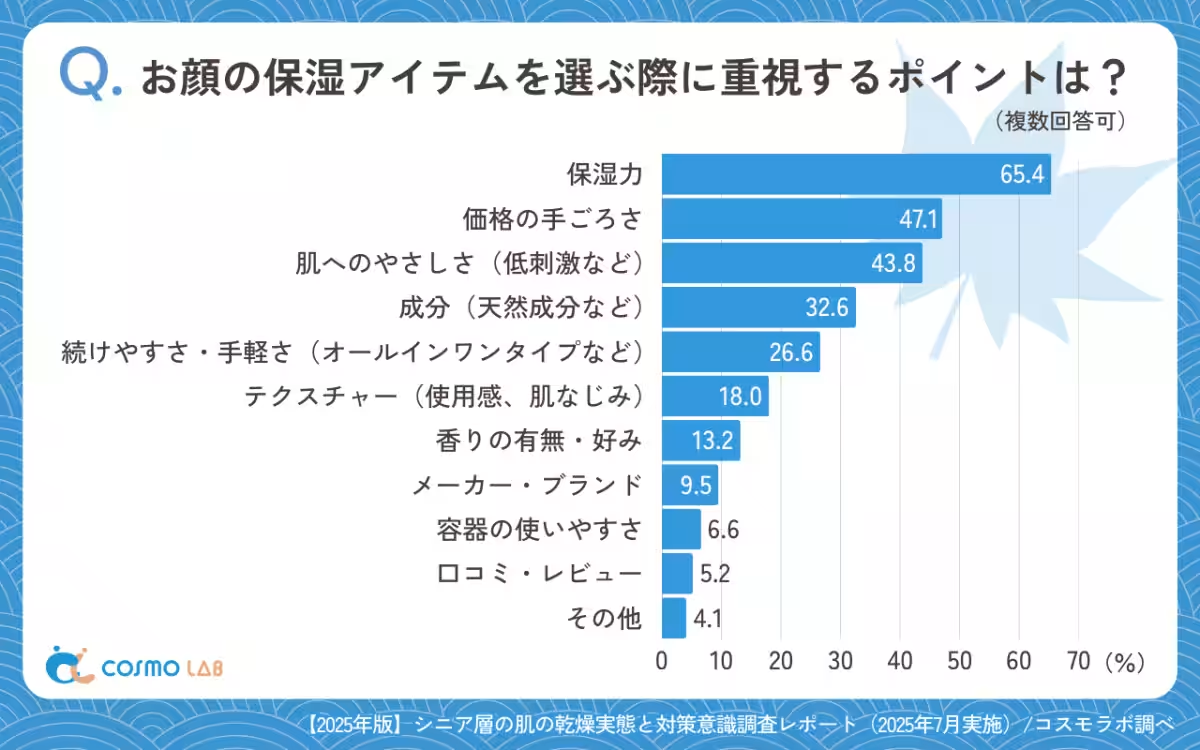
When it comes to selecting moisturizing products, respondents prioritized practical aspects such as moisturizing ability (65.4%), affordability (47.1%), and gentleness on the skin (43.8%). These preferences highlight a distinct trend where seniors seek a balance between effectiveness, price, and safety, with a strong inclination towards products that deliver reliable results at reasonable prices.
Identifying Problem Areas
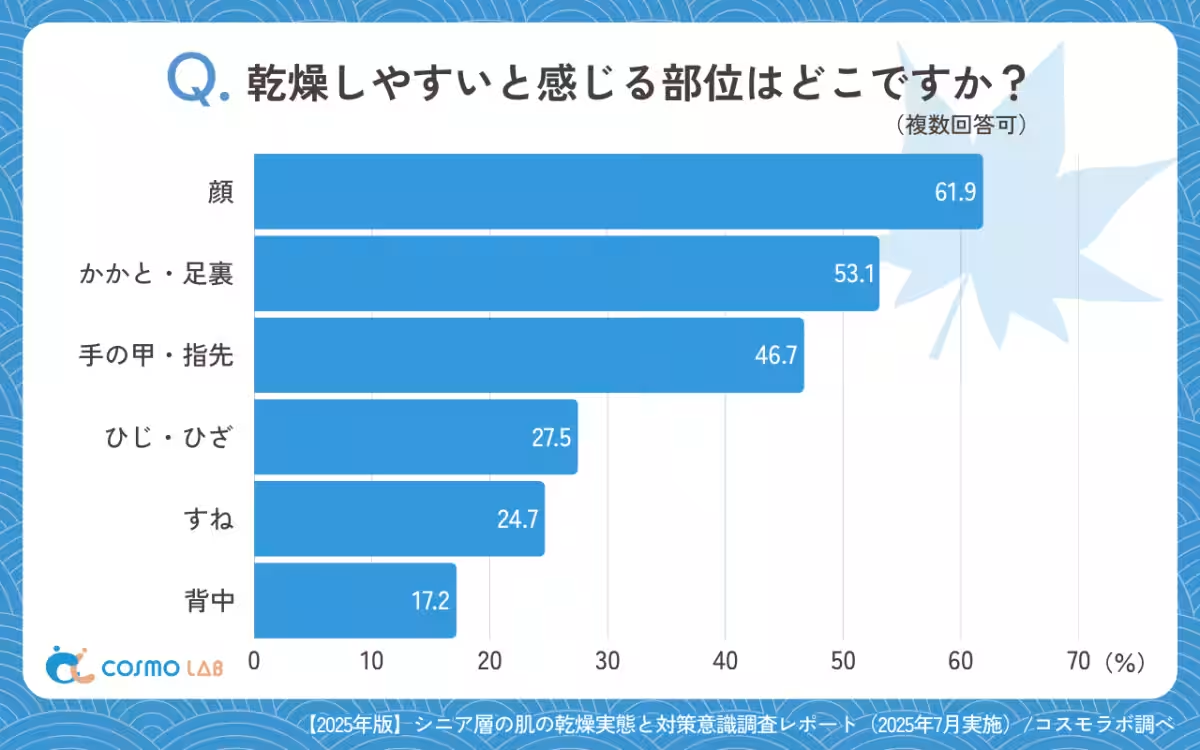
With respect to specific skin areas experiencing dryness, the survey indicated that the most commonly affected region is the face (61.9%), followed by the heels and soles of the feet (53.1%), and the back of the hands and fingertips (46.7%). These parts are often exposed and susceptible to environmental stressors, showing a clear pattern in where seniors commonly face issues.
Understanding Symptoms
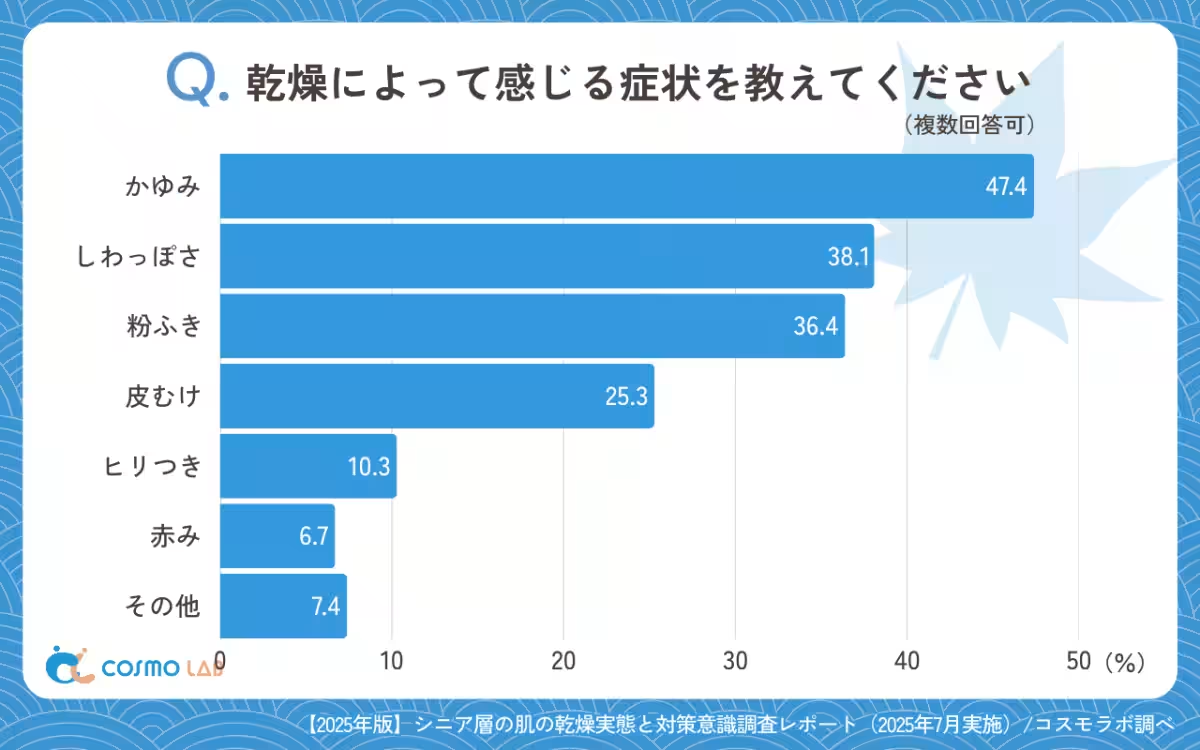
When asked about symptoms related to skin dryness, the leading issue reported was itching (47.4%), followed by wrinkling (38.1%), flakiness (36.4%), and skin peeling (25.3%). These findings confirm that the impact of dryness is not just cosmetic but also affects overall comfort and well-being.
Monthly Spending on Skincare
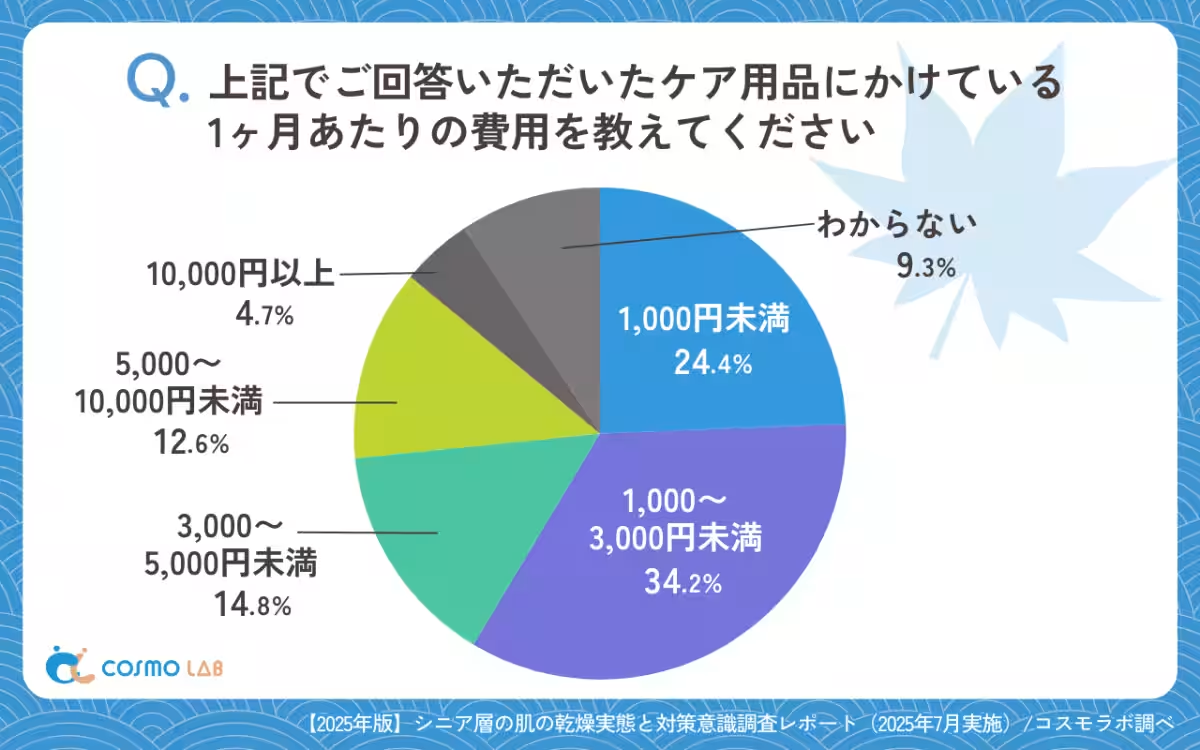
The survey also inquired about how much seniors spend on skincare products each month. The most common response was between 1,000 and 3,000 yen (34.2%). A significant portion of participants spends less than 3,000 yen monthly, indicating a careful approach in selecting effective skincare solutions that are budget-friendly.
Effectiveness of Current Practices
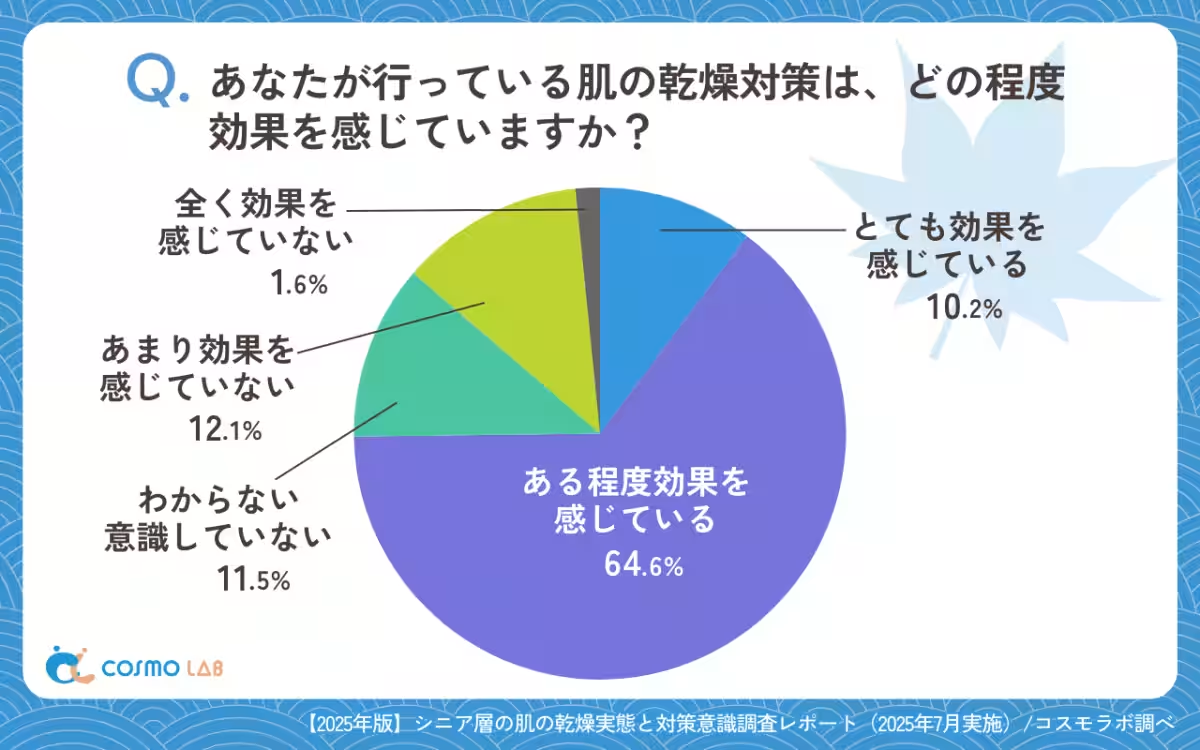
Regarding the effectiveness of their current skincare practices, 64.6% of respondents stated they feel a certain level of effectiveness, while 10.2% claimed to experience significant benefits. Despite this, approximately 25% reported no noticeable effects from their chosen moisturizers, highlighting the variability in personal results and the need for tailored recommendations.
Conclusion
The survey highlights the pressing issue of skin dryness faced by seniors during the colder months and reveals a clear preference for practical and affordable solutions. Popular products like hand creams and toners represent the day-to-day habits of these individuals, and a significant portion is actively engaging in skincare routines.
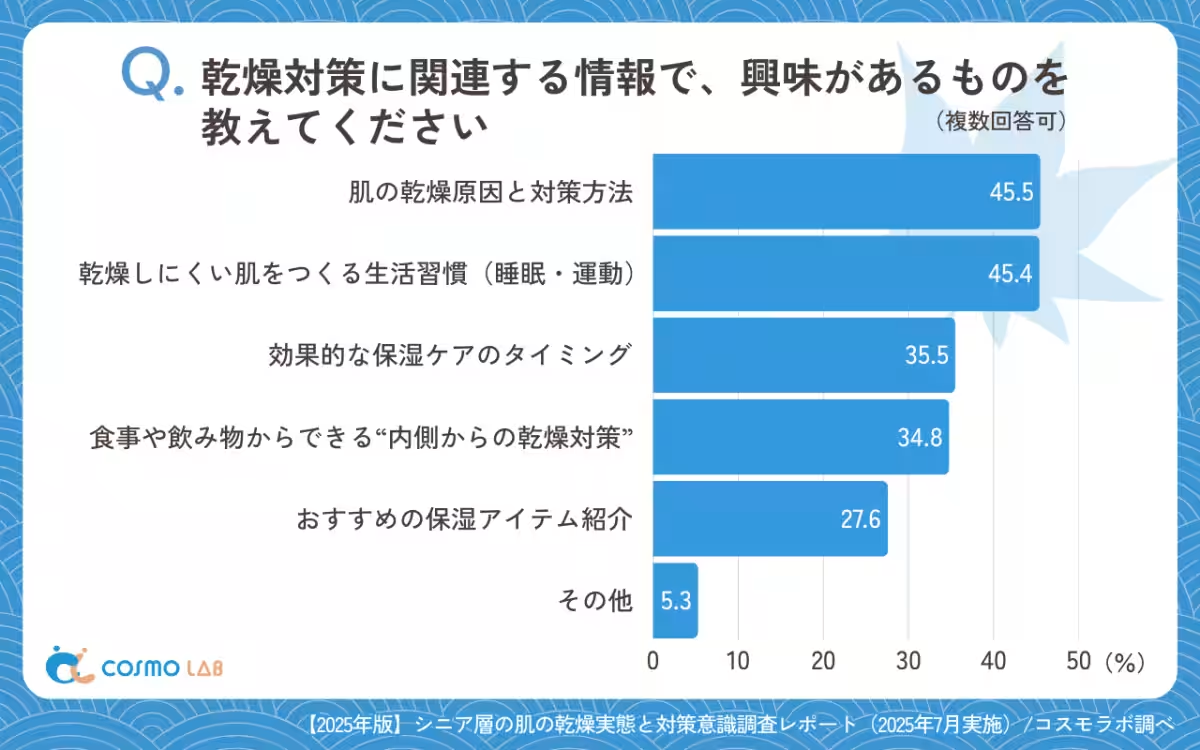
Furthermore, the desire for information on the causes of dryness and effective prevention strategies was apparent, demonstrating that beyond product recommendations, seniors are eager for comprehensive knowledge.
As the senior population continues to grow, addressing their skincare concerns with effective, safe, and affordable solutions is paramount. By taking into account their preferences and needs, companies can better cater to this market's unique demands, promoting healthier skin among the aging population.
Topics Health)
【About Using Articles】
You can freely use the title and article content by linking to the page where the article is posted.
※ Images cannot be used.
【About Links】
Links are free to use.