


Is SaaS Truly Dead? Exploring New Strategies for SaaS Companies in a Changing Landscape
Is SaaS Truly Dead?
In recent years, the phrase "SaaS is dead" has gained traction among industry experts and enthusiasts alike. This statement raises critical questions about the future of Software as a Service companies, particularly as many of them are experiencing growth challenges. A recent study by MM Research Institute, based in Shinjuku, Tokyo, reveals that while around 80% of SaaS businesses acknowledge the limitations of traditional growth models, they are exploring new strategies to sustain their growth.
The Current State of SaaS Growth
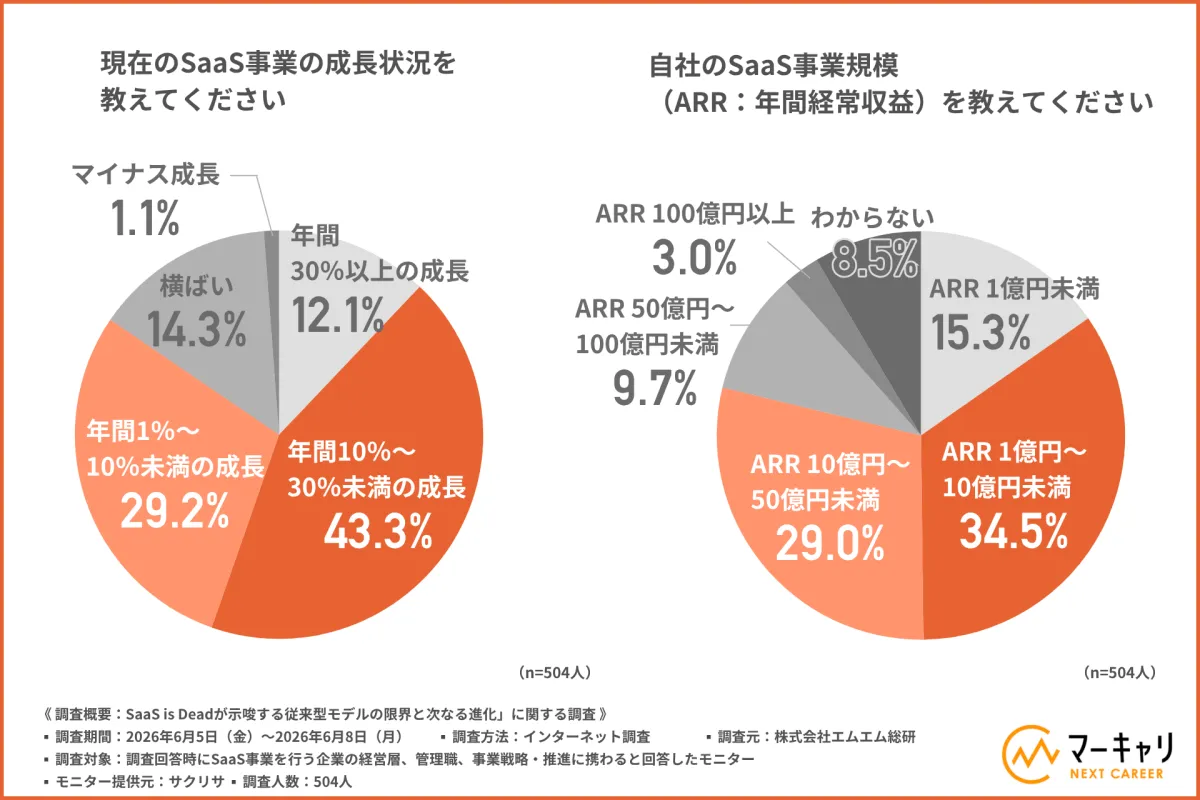
The study indicates that more than half of the SaaS firms surveyed are maintaining annual growth rates of over 10%. However, approximately 80% of them are acutely aware of the limitations inherent in the conventional SaaS growth model. Factors such as escalating customer acquisition costs (CAC), increased churn rate among existing customers, and the disruptive influence of AI have made many companies rethink their strategies.
The market environment has clearly shifted; SaaS companies can no longer simply rely on volume expansion through large-scale marketing investments. The data indicates that around 12% of firms report annual growth rates exceeding 30%, while a significant 43.3% achieve annual growth between 10% and 30%. Despite this overall growth, there’s a dichotomy emerging within the sector: high-performing companies are thriving while others struggle to keep pace.
Survey Insights: What Do Companies Perceive As Their Main Challenges?
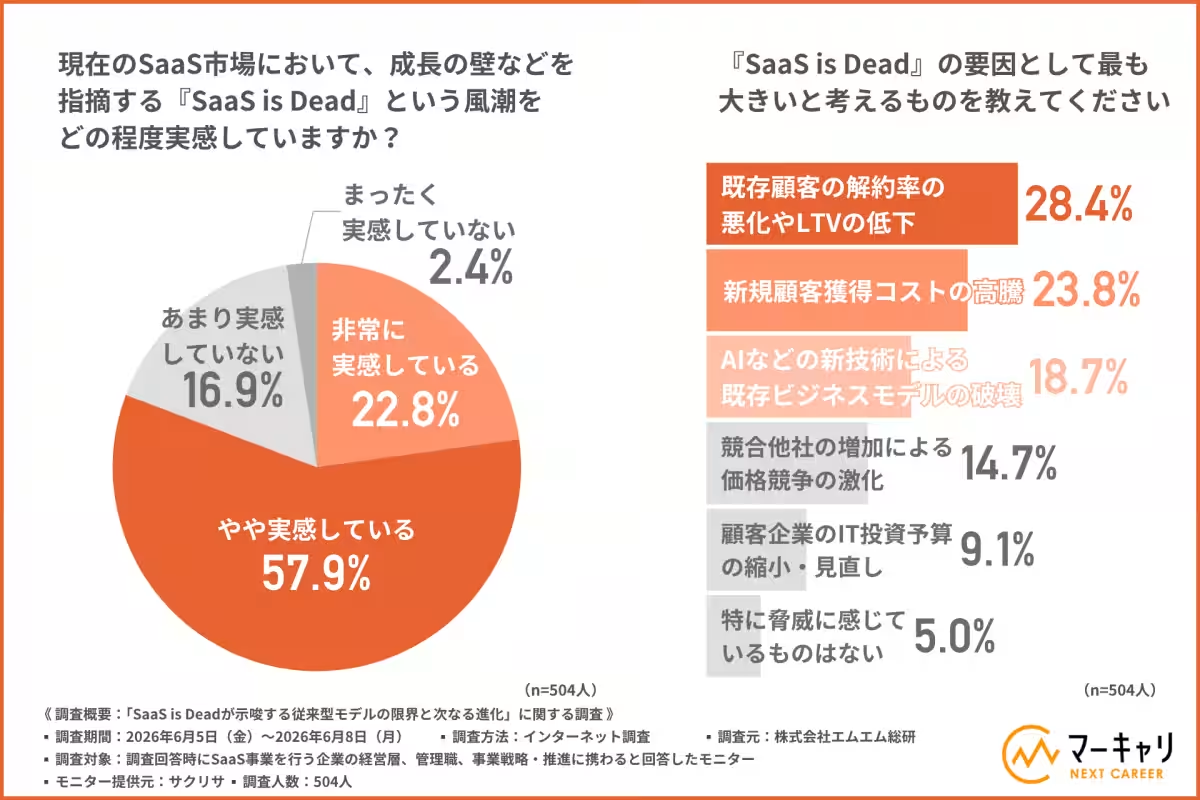
When asked about their own performance, a considerable number of companies expressed awareness of growing barriers to success. Approximately 22.8% stated they feel the pressure of these barriers intensely, while 57.9% admitted that achieving the same level of growth as before has become increasingly difficult.
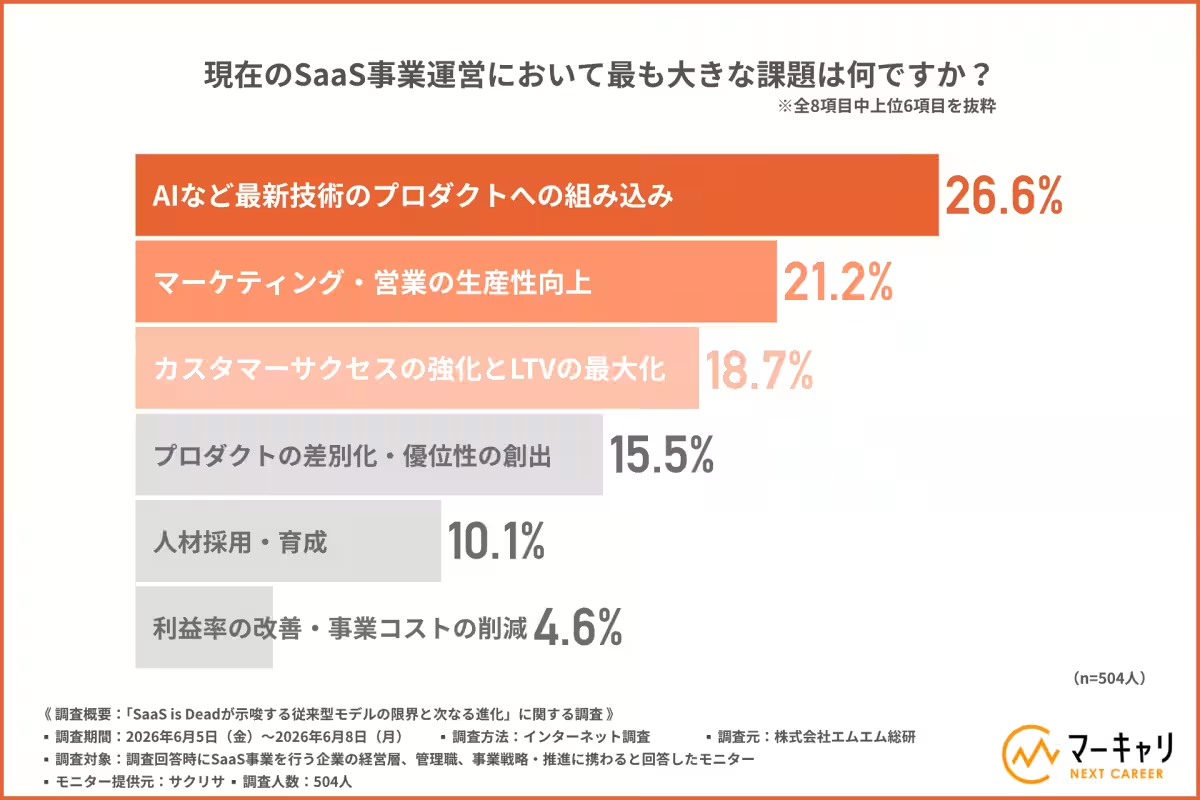
The survey also sought to identify what SaaS companies attribute as the primary reasons for the challenges they face. The most cited factor was an increasing churn rate coupled with declining customer lifetime value (28.4%), followed by soaring new customer acquisition costs (23.8%) and the disruptive implications of new technologies such as AI (18.7%). This indicates a clear need for revenue-generating strategies that build on a solid foundation rather than merely relying on technology for efficiency.
How Are Companies Adapting to These Changes?
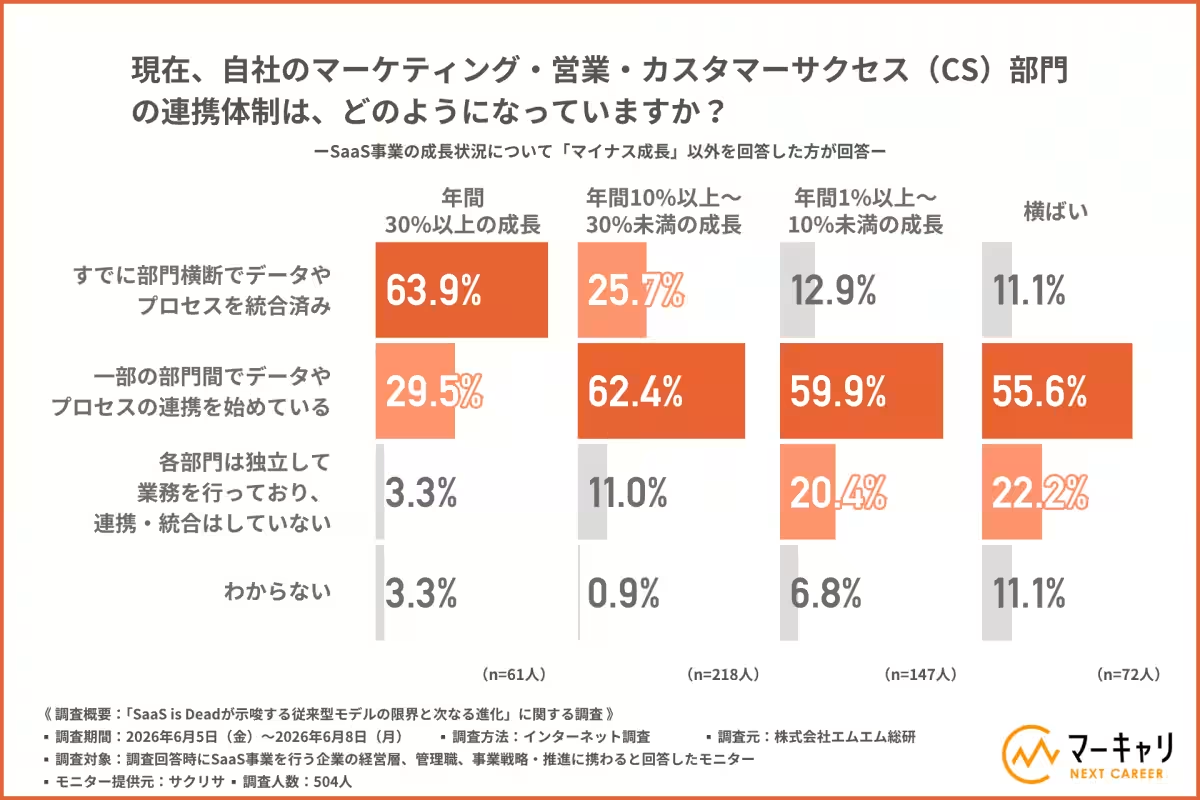
To navigate these challenges, SaaS companies are increasingly turning to innovative approaches, including the implementation of RevOps (Revenue Operations). The study showed that about 60% of firms achieving over 30% annual growth have already developed a RevOps framework that integrates marketing, sales, and customer success into a cohesive operational strategy. Meanwhile, companies showing stagnant or low growth are still operating in siloed environments, which impedes their potential for synergistic growth.
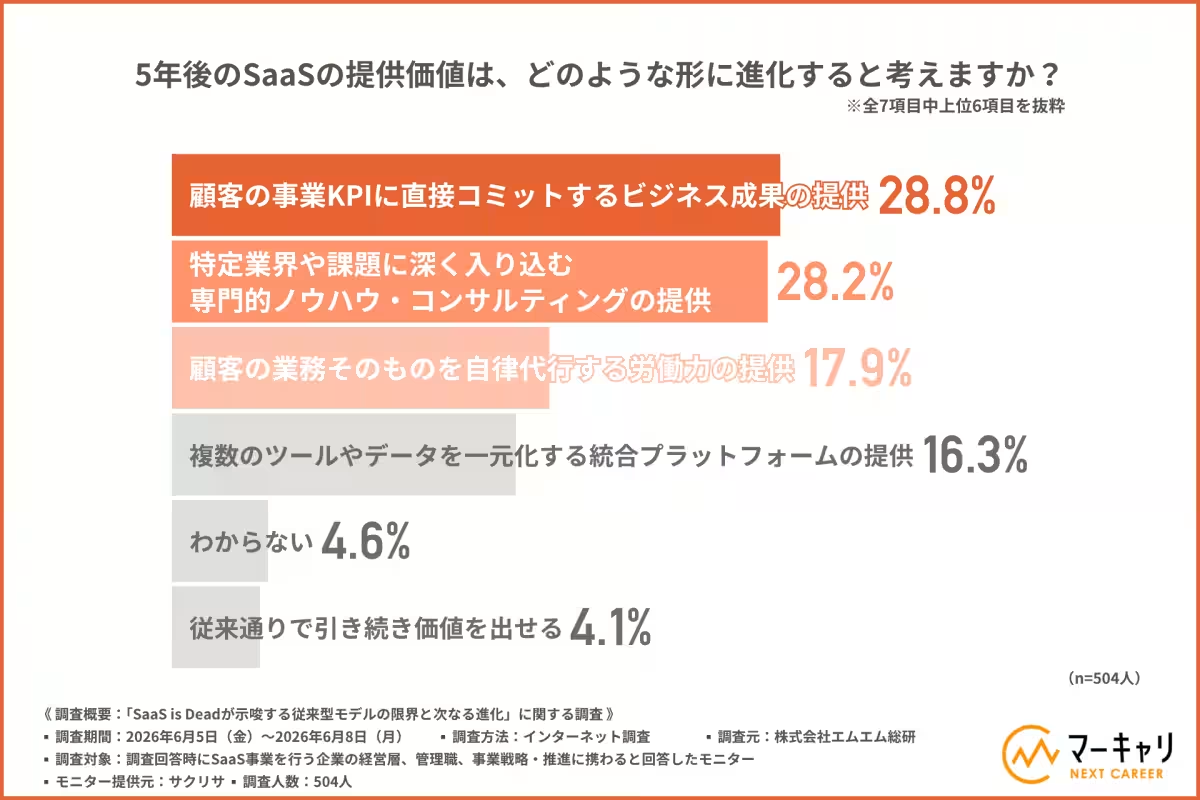
What does the future hold for these companies? Their success will likely hinge on their ability to adapt to these changes by integrating AI technologies into their operations and shifting their business models to prioritize value creation over mere product provision. Industry wisdom suggests that the leading SaaS firms will evolve into partners who guarantee results and commit to customer success, rather than just providers of traditional tools.
The Path Forward: Second Growth Phase for SaaS
According to the study, the SaaS market is not declining; instead, it is transitioning into a second growth phase characterized by innovative strategies and operational efficiencies. Companies that are willing to redefine their value propositions and deepen their engagement with specific industries and customer challenges are likely to thrive.
In conclusion, while the narrative of "SaaS is dead" reflects a transitional phase, it also highlights opportunities for businesses willing to innovate. By transitioning from a focus on volume expansion to a model that emphasizes measurable customer outcomes, SaaS companies can create a pathway toward sustained growth and relevance even in a rapidly changing landscape.



Topics Business Technology)

【About Using Articles】
You can freely use the title and article content by linking to the page where the article is posted.
※ Images cannot be used.
【About Links】
Links are free to use.