



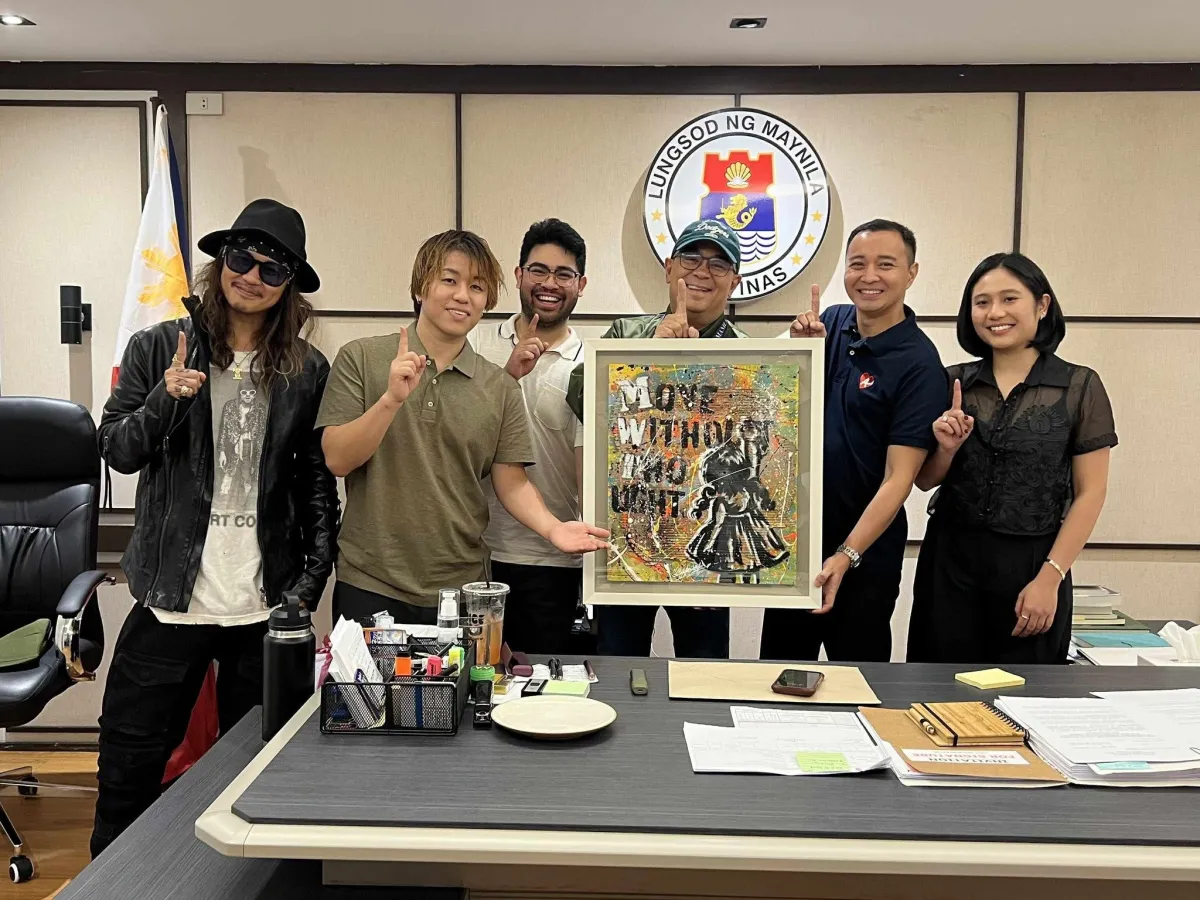
Bank of Art Proposes Joint Project at Manila City Hall Addressing Plastic Waste via Art
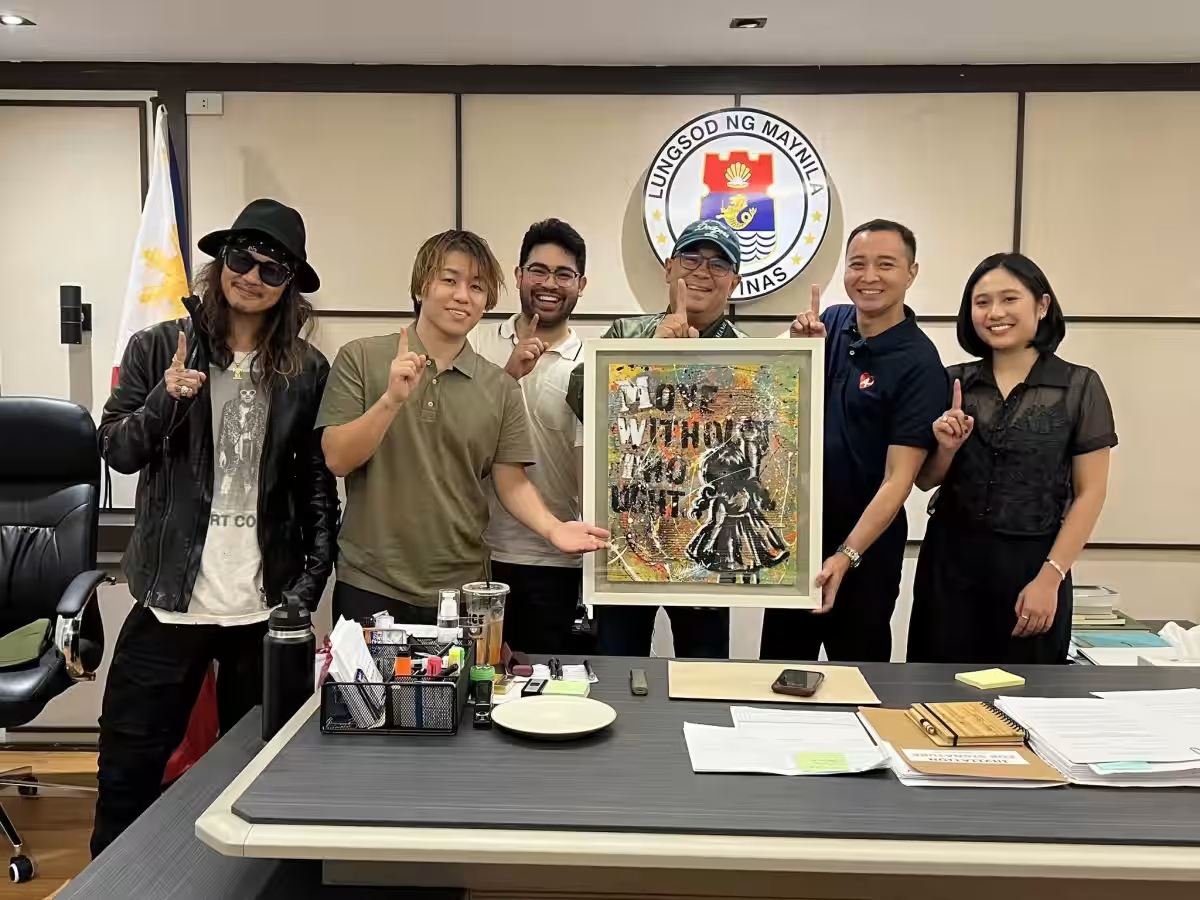
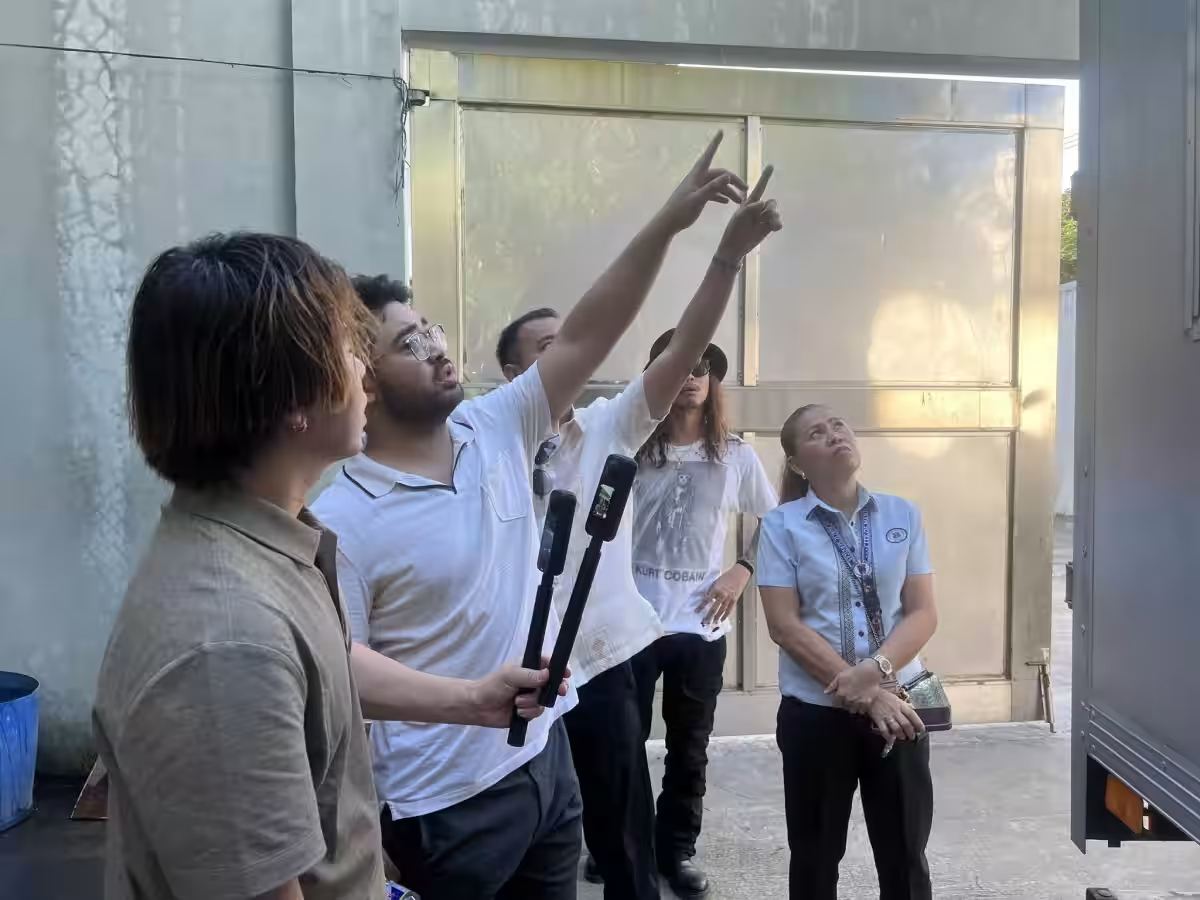
On November 6, 2025, Bank of Art, a pioneering art sales company based in Tokyo, undertook a significant visit to the Manila City Hall to present a collaborative project aimed at tackling the pressing issue of plastic waste in Southeast Asia through innovative art initiatives. Led by its chairman, Eikichi Mizuno, and president Minami Okada, the visit included notable attendees such as Eduardo "Wardy" Kintos IV, Kenneth Amurao, and Jonises Akaila representing the Philippine city.
Rather than a mere artistic endeavor, this project is firmly grounded in the philosophy of using art to address social challenges. Bank of Art's initiative seeks to upcycle waste plastics into essential art materials—paints, frames, and canvases. By partnering with Manila’s Department of Public Services, the initiative aims to create a sustainable cycle where discarded materials are transformed into artistic expressions.
In the Philippines, the limited number of efficient incineration facilities means that much of the plastic waste ends up being recycled or sent to landfills. Due to the complications of contamination and rising sorting costs, recycling often turns out more expensive than producing new materials. This scenario underscores the urgent need for alternative solutions, such as upcycling, in both the Philippines and Japan, where significant amounts of public funds are often allocated to recycling efforts.
Currently hosting 30 certified artists, Bank of Art operates on a unique model where all artworks are purchased outright, allowing them to have provided over 1,300 original pieces to corporate clients from 151 companies. With artwork prices ranging from approximately ¥300,000 to ¥2,000,000 (around $2,600 to $17,500), the organization has structured a system that not only supports emerging artists but also enhances corporate social value.
In a notable commitment to the local community, 20% of the profits from this joint project will be donated to initiatives aimed at improving sanitation and supporting slum areas within the Philippines. Following the pilot phase in Manila, Bank of Art plans to expand this model of art and recycling collaborations across Southeast Asia, establishing a wider impact.
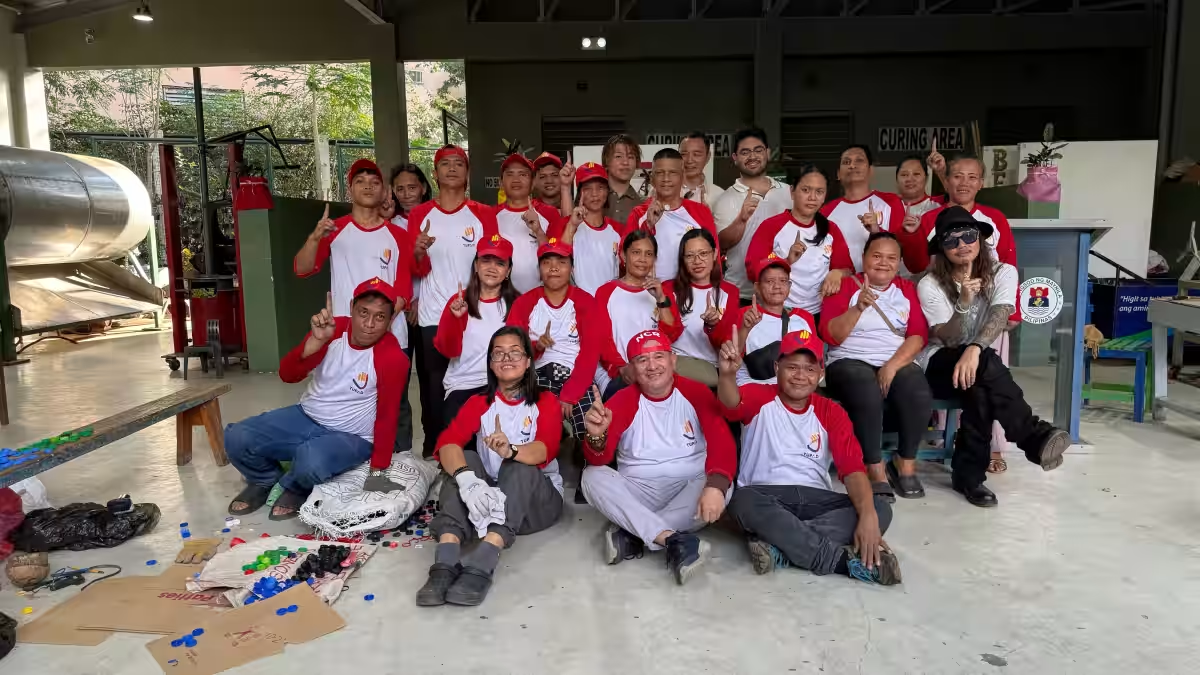
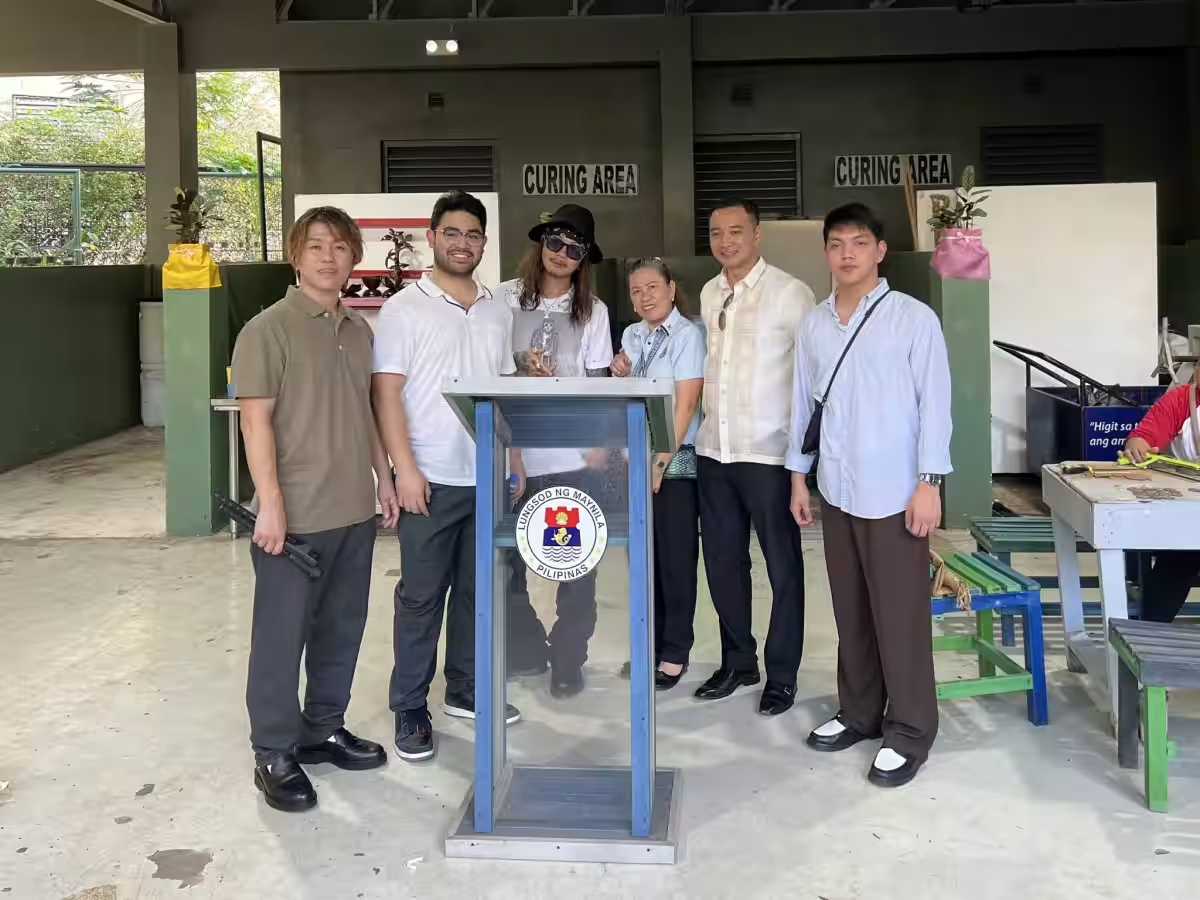
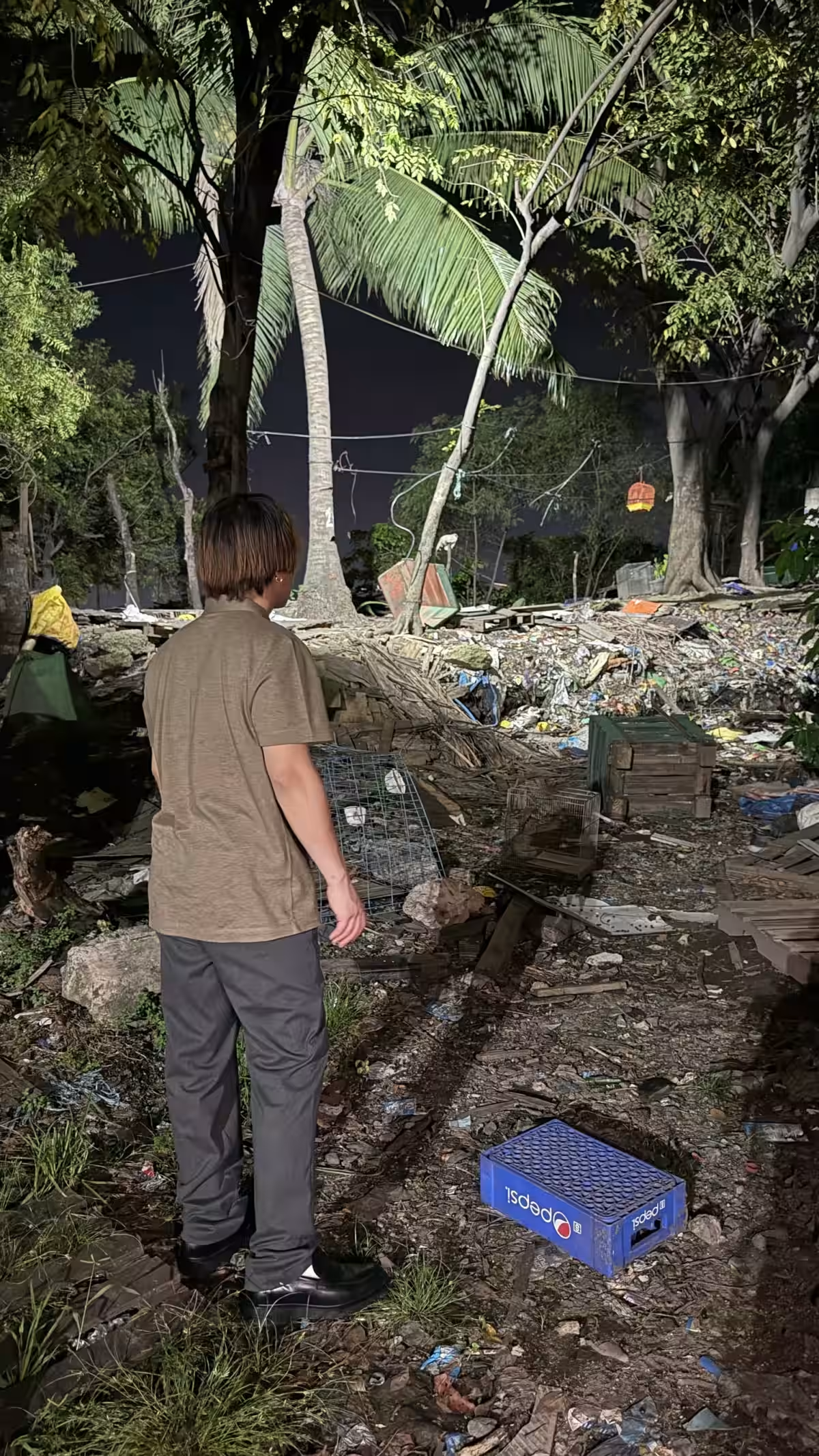
As part of this visit, the delegation also toured Smokey Town, an area known for its challenging urban garbage issues, often compared to the fictional "Greater Terminal" from the popular manga "One Piece." This visit symbolizes the stark contrast between rapid urban development and environmental concerns, reinforcing the commitment to align economic progress with environmental sustainability. Through this experience, both Japanese and Filipino representatives shared a common understanding and aspirations toward nurturing a more sustainable future for the region.
In conclusion, Bank of Art’s visit to Manila City Hall represents more than just an art initiative; it is a proactive step towards addressing one of the most pressing environmental issues in the region, leveraging the power of art to foster social change and raise awareness about the importance of sustainability. It is a bold move that could pave the way for more collaborative efforts in combating waste through innovative means.


The Essence of the Project
Rather than a mere artistic endeavor, this project is firmly grounded in the philosophy of using art to address social challenges. Bank of Art's initiative seeks to upcycle waste plastics into essential art materials—paints, frames, and canvases. By partnering with Manila’s Department of Public Services, the initiative aims to create a sustainable cycle where discarded materials are transformed into artistic expressions.
In the Philippines, the limited number of efficient incineration facilities means that much of the plastic waste ends up being recycled or sent to landfills. Due to the complications of contamination and rising sorting costs, recycling often turns out more expensive than producing new materials. This scenario underscores the urgent need for alternative solutions, such as upcycling, in both the Philippines and Japan, where significant amounts of public funds are often allocated to recycling efforts.
Achievements of Bank of Art
Currently hosting 30 certified artists, Bank of Art operates on a unique model where all artworks are purchased outright, allowing them to have provided over 1,300 original pieces to corporate clients from 151 companies. With artwork prices ranging from approximately ¥300,000 to ¥2,000,000 (around $2,600 to $17,500), the organization has structured a system that not only supports emerging artists but also enhances corporate social value.
Social Significance of the Manila Project
In a notable commitment to the local community, 20% of the profits from this joint project will be donated to initiatives aimed at improving sanitation and supporting slum areas within the Philippines. Following the pilot phase in Manila, Bank of Art plans to expand this model of art and recycling collaborations across Southeast Asia, establishing a wider impact.
Local Insights from Smokey Town
As part of this visit, the delegation also toured Smokey Town, an area known for its challenging urban garbage issues, often compared to the fictional "Greater Terminal" from the popular manga "One Piece." This visit symbolizes the stark contrast between rapid urban development and environmental concerns, reinforcing the commitment to align economic progress with environmental sustainability. Through this experience, both Japanese and Filipino representatives shared a common understanding and aspirations toward nurturing a more sustainable future for the region.
In conclusion, Bank of Art’s visit to Manila City Hall represents more than just an art initiative; it is a proactive step towards addressing one of the most pressing environmental issues in the region, leveraging the power of art to foster social change and raise awareness about the importance of sustainability. It is a bold move that could pave the way for more collaborative efforts in combating waste through innovative means.
Topics Consumer Products & Retail)
【About Using Articles】
You can freely use the title and article content by linking to the page where the article is posted.
※ Images cannot be used.
【About Links】
Links are free to use.