



A Closer Look at the Barriers and Challenges in DX Implementation Among Japanese Companies
Understanding the Challenges and Barriers of Digital Transformation in Japan
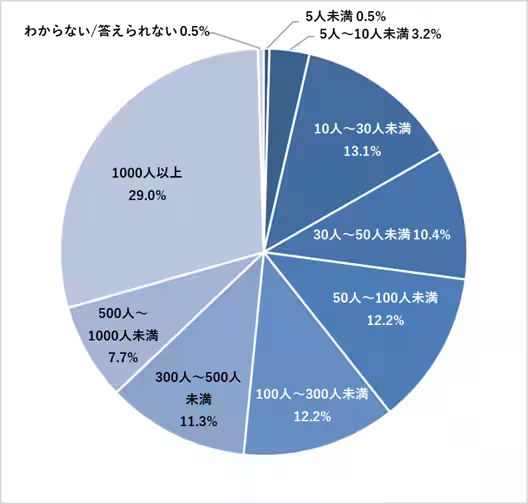
A recent survey conducted by NTT Data Business Brains has brought to light critical insights regarding digital transformation (DX) challenges faced by the information systems division in Japanese companies. Conducted among 221 managerial positions from various organizations, the study highlights a significant finding—91.9% of these companies acknowledged the existence of legacy systems that impede their DX initiatives.
Background of the Study
Since the Ministry of Economy, Trade, and Industry (METI) announced the "DX Promotion Guidelines" in 2018, the push for DX has accelerated across various domestic enterprises. However, the looming challenge of aging infrastructure—often referred to as the "2025 Wall"—raises concerns about the obsolescence of these systems and emphasizes the necessity of successfully implementing DX.
Survey Highlights
The survey was conducted between October 6 and 7, 2025, targeting individuals in management roles within information systems departments across the nation. Key areas examined included personnel availability, the presence and impact of legacy systems, organizational silos, and overall challenges in data utilization for digital applications.
Personnel Availability
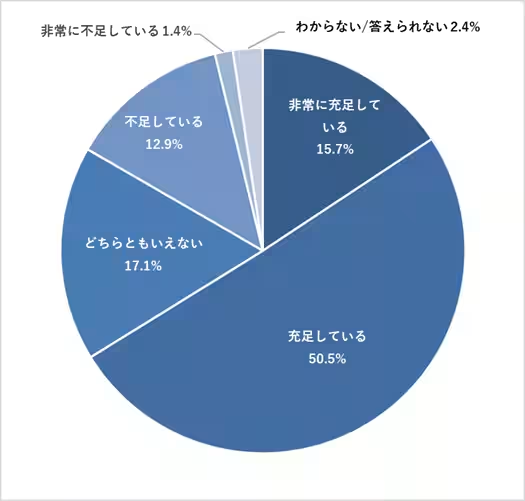
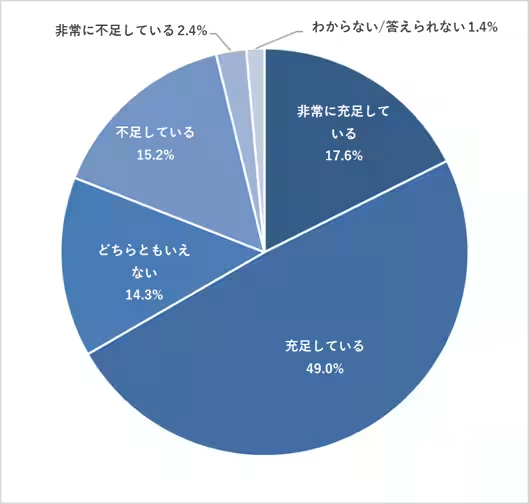
When asked about the availability of personnel to drive DX initiatives, 66.2% of respondents reported feeling that their organizations had sufficient human resources. This might seem contrary to widespread beliefs about the constraints of talent in the industry. However, it’s crucial to interpret these findings carefully; many organizations may feel they have adequate resources for their short-term efficiency goals, which could underestimate the depth of skills required for comprehensive DX.
Legacy Systems
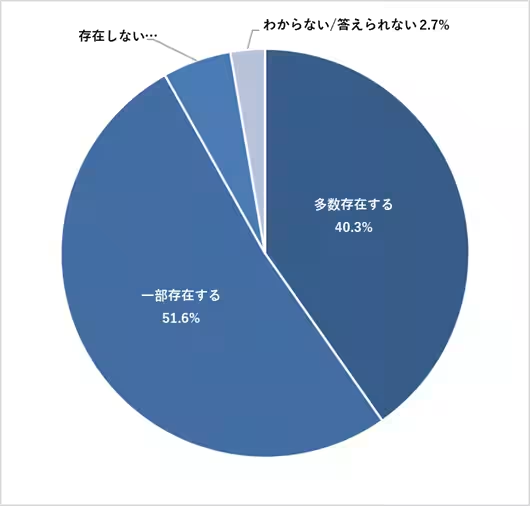
A critical area of focus was the impact of legacy systems. A staggering 91.9% of the surveyed companies confirmed the presence of outdated systems causing bottlenecks. Notably, 40.3% of respondents indicated that multiple legacy systems existed within their organizations. These systems are complicated and often serve as substantial technical debt that challenges efforts in data integration and modernization initiatives.
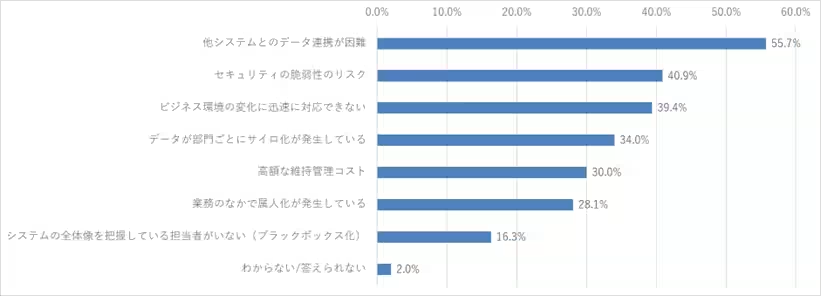
According to the report, legacy systems complicate data collaboration, increase security risks, stifle responsiveness to changes in the business environment, and escalate maintenance costs that inhibit strategic IT investment. The survey found that 55.7% of respondents identified trouble in connecting with other systems as the primary issue stemming from legacy technology.
Organizational Silos
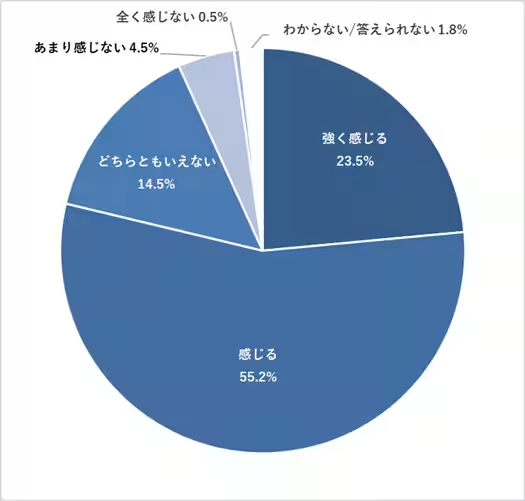
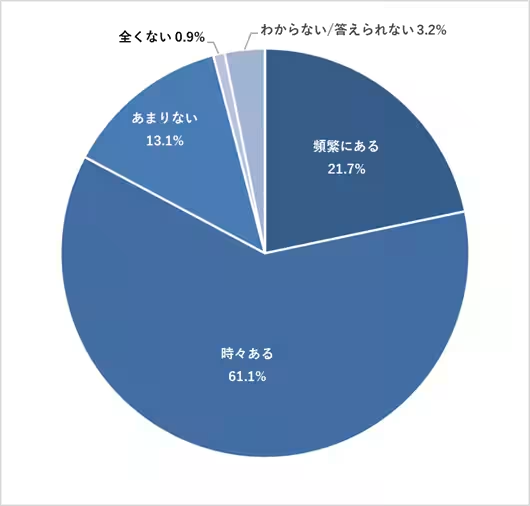
Beyond technical challenges, the survey explored the organizational culture within firms. Approximately 78.7% of managers felt that a silo mentality within their companies obstructed DX advancements. Most cited internal divisions prioritizing departmental efficiency over collaboration across the organization. Moreover, 82.8% reported encountering resistance from various departments when introducing new digital tools or processes, highlighting the nuanced nature of DX as a significant organizational transformation rather than merely a technological upgrade.
Data Utilization
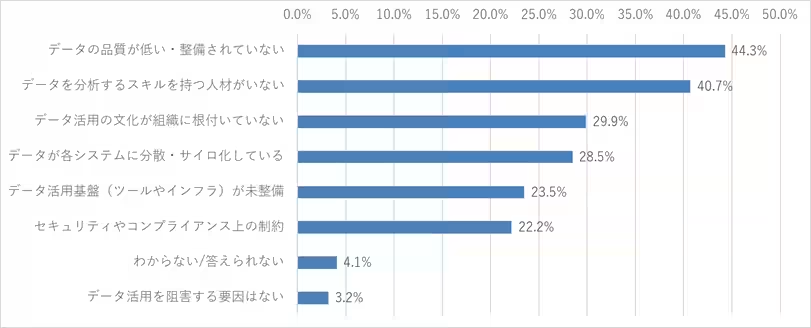
When considering data utilization across organizations, the leading barrier identified was the low quality of data available, as noted by 44.3% of respondents. This was followed closely by the absence of skilled personnel for data analysis, marking a clear gap in expertise—a critical requirement as firms advance towards data-driven decision-making.
Understanding Technical Challenges
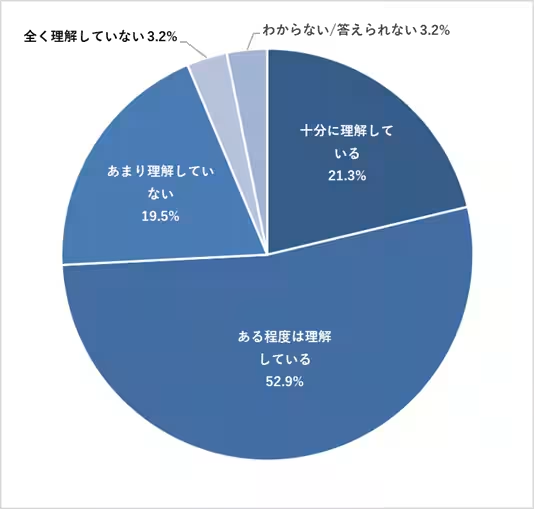
Finally, when asked about the management's grasp of existing technical challenges, only 21.3% of managers felt that executives understood these complexities adequately. This gap signifies a potential disconnect between decision-makers and the realities faced by operational teams, which could prompt unrealistic expectations and strain on resources.
Conclusion
The findings of this survey reveal profound insights into the hurdles Japanese companies face in their digital transformation journeys. They depict a landscape marked by overlapping barriers—personnel competency, legacy infrastructure, and entrenched organizational cultures. Addressing these intertwined obstacles is vital for fostering a sustainable and successful DX environment.
Further details about these findings can be accessed here.
About Slopebase
NTT Data Business Brains offers Slopebase, a cloud-based expenditure management tool designed to integrate and visualize disparate data and workflows within organizations, thus facilitating pioneering advancements in DX.
Contact Information
For inquiries regarding this report, you may contact:
NTT Data Business Brains
Business Solutions Division
Contact Person: Yamamoto
Email: [email protected]
Note: Slopebase™ is a trademark currently registered by NTT Data Business Brains.

Topics Business Technology)
【About Using Articles】
You can freely use the title and article content by linking to the page where the article is posted.
※ Images cannot be used.
【About Links】
Links are free to use.