



Exploring the Need for Digital Transformation in Healthcare Management
Introduction
The ongoing struggle with dual management systems in both paper and digital formats in healthcare is leading to an urgent call for digital transformation (DX). With about 80% of healthcare professionals affirming that improvements through digitalization are necessary, the focus is shifting towards more efficient management practices. This article delves into the recent survey conducted by Hoshina Co., which explored the expectations and concerns surrounding the implementation of medical DX from the perspectives of medical staff and management.
Context of the Survey
The survey, conducted from September 19 to 22, 2025, by Hoshina Co. (https://www.hoshina.co.jp/) through PRIZMA research, involved 1,031 respondents. Among them were 616 medical professionals, including doctors, nurses, and administrative staff, while 415 were part of the management sector in hospitals and clinics. The results reveal a collective need for digital transformation that addresses various operational and management challenges.
The Demand for Medical DX
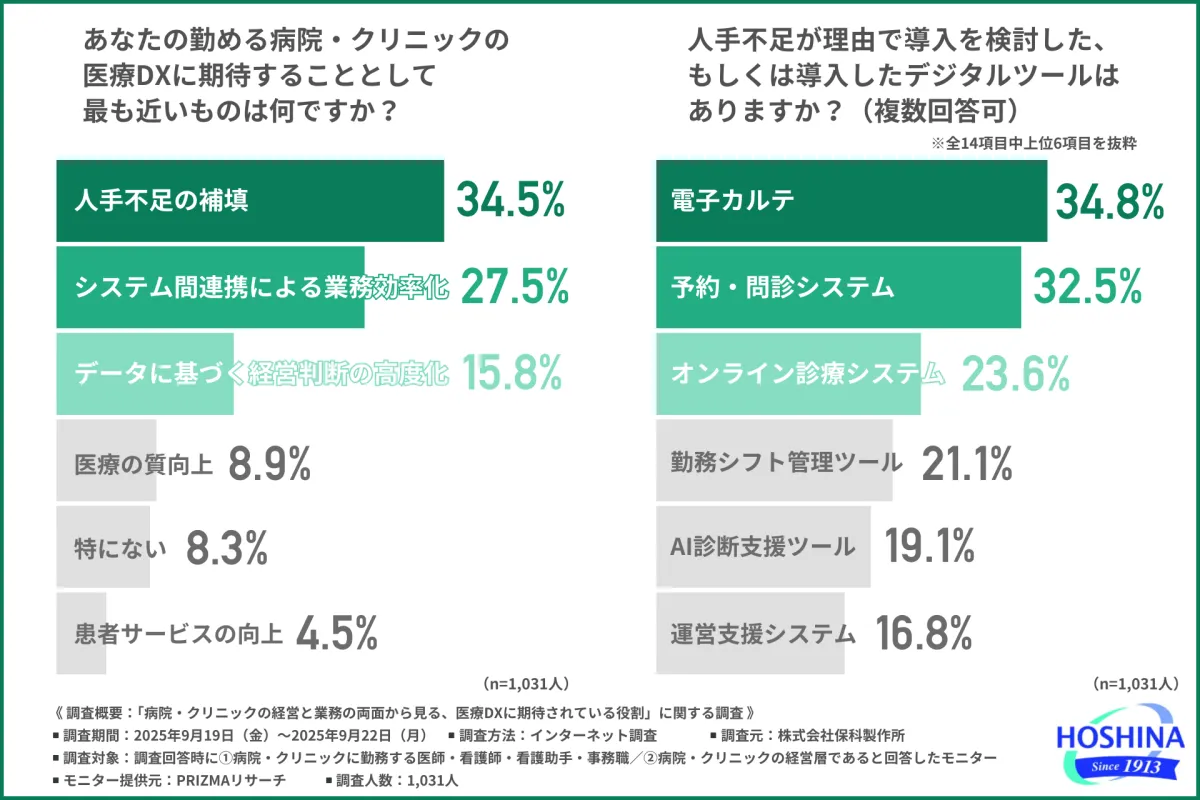
The primary expectation from medical DX, as highlighted by the survey results, is the enhancement of staff support due to persistent labor shortages; 34.5% of respondents noted this as the greatest need. Following this, 27.5% indicated the importance of enhanced operational efficiency through inter-system collaboration, and 15.8% emphasized the need for data-driven decision-making.
The data indicates that in the face of severe staffing shortages, healthcare professionals are prioritizing immediate operational needs over quality enhancement or patient service improvements. This indicates that the primary purpose of medical DX is viewed primarily as a means to substitute or enhance existing staffing capabilities.
Adoption of Digital Tools
When asked what digital tools they were considering or had adopted to mitigate labor shortages, 34.8% of respondents mentioned electronic medical records (EMRs) as the leading choice. The survey also identified appointment scheduling systems (32.5%) and online consultation systems (23.6%) as significant areas of interest. This suggests a clear trend toward utilizing EMRs and other digital tools to streamline processes and improve data-sharing practices across departments.
Concerns About Implementation
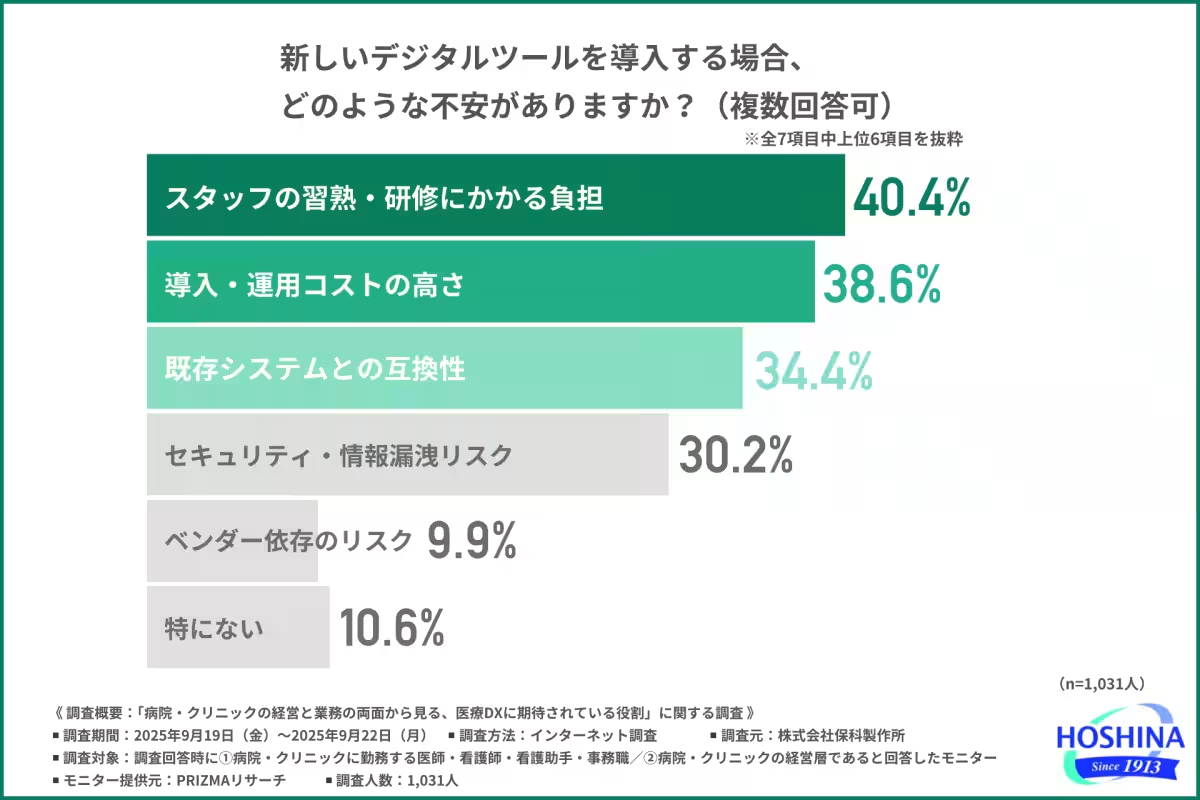
However, the adoption of new digital tools is not without its challenges. The survey revealed several concerns regarding their implementation. The most pressing issue, reported by 40.4% of participants, was the burden of training staff to use these new systems effectively. Additionally, 38.6% expressed worries about the high costs associated with implementation and maintaining compatibility with existing systems (34.4%). Given the hectic environment of healthcare facilities, the burden of training poses a significant barrier to effectively utilizing digital tools. This stresses the need for ongoing support to maximize the benefits of digitalization.
The Imperative for Operational Efficiency
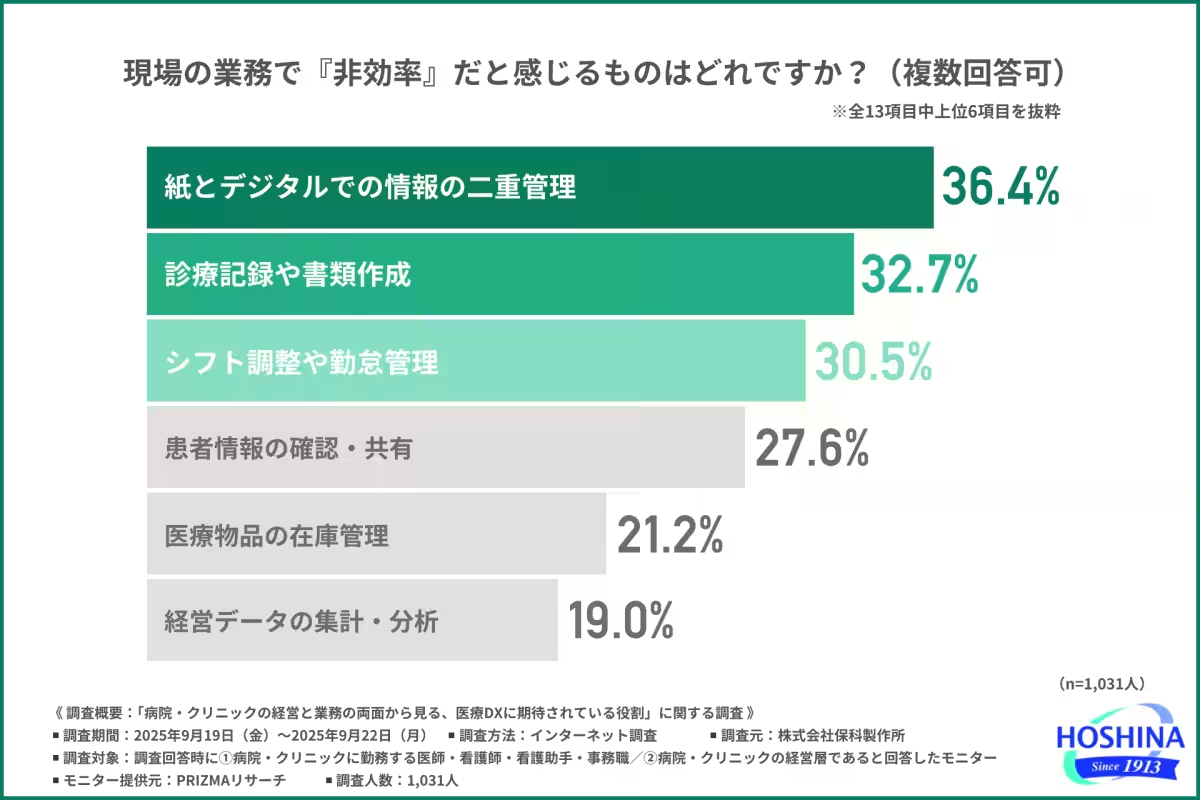
The survey further examined operational inefficiencies within healthcare facilities. A significant 36.4% of respondents identified the dual management of records in paper and digital formats as a critical inefficiency, followed by 32.7% who cited issues with medical documentation processes and 30.5% who noted scheduling and attendance management concerns.
This division between paper and digital records has led to fragmented information management and increased administrative burdens. Hence, achieving a transparent and unified approach to information management is seen as essential for driving medical DX.
Supporting Medical DX Implementation
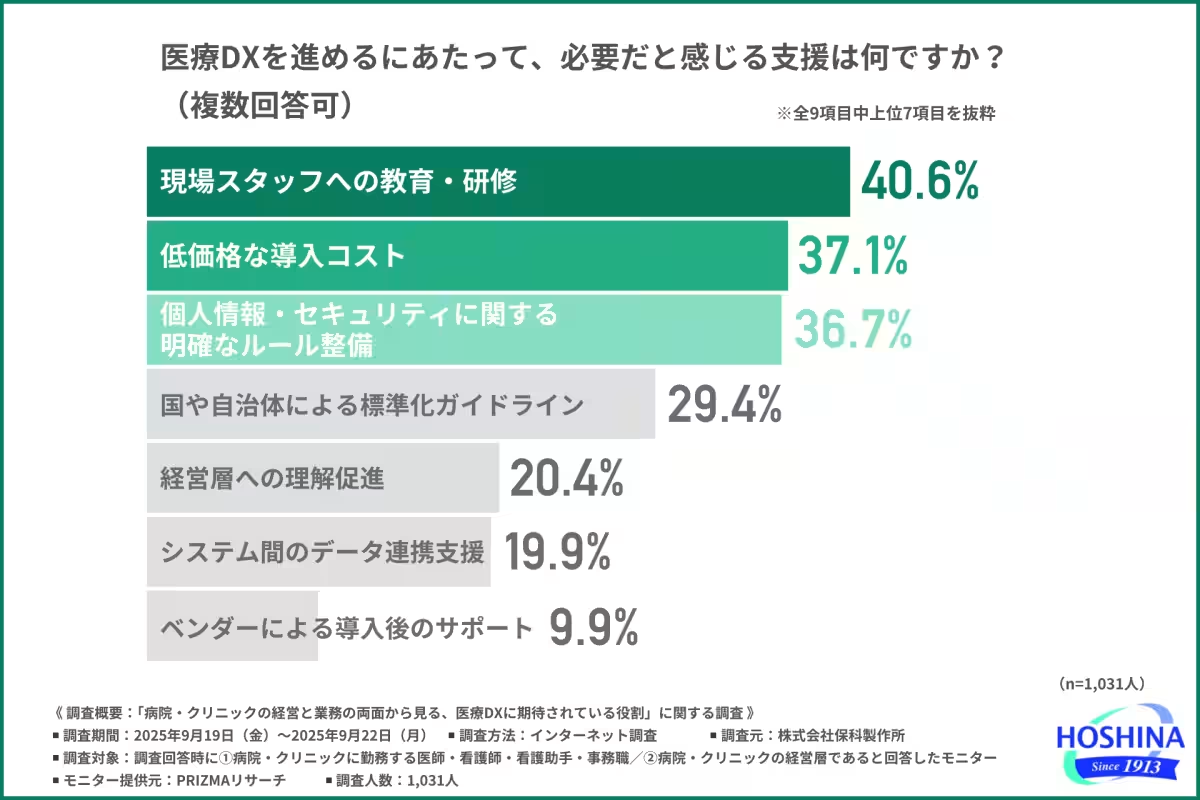
To tackle these inefficiencies and promote successful medical DX adoption, respondents identified three key areas where support is crucial: education and training for staff (40.6%), affordable implementation costs (37.1%), and the establishment of clear privacy and security rules (36.7%). This reflects the necessity for a balanced approach that facilitates the training of staff while ensuring affordability and compliance with regulations.
Addressing Information Management Issues
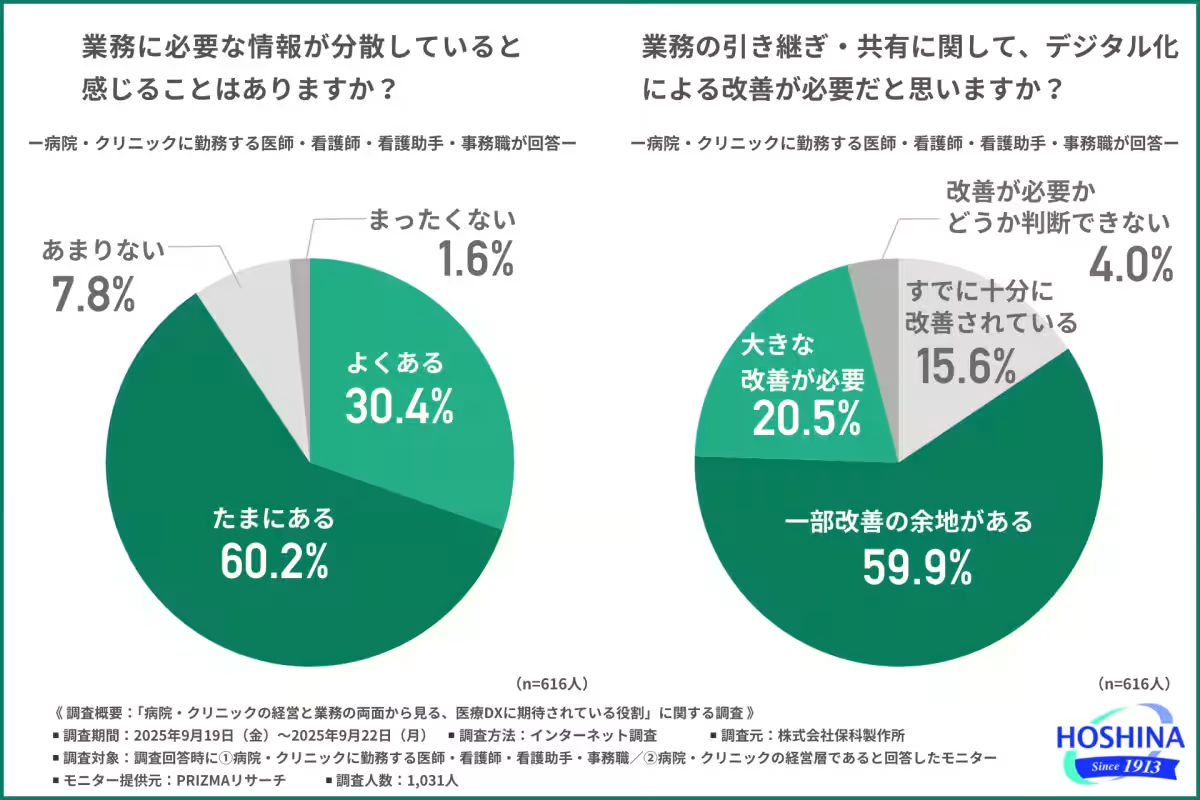
The survey revealed widespread feelings of fragmented information among hospital staff, with nearly 90% acknowledging they often or occasionally experience this issue. Key reasons included difficulty sharing information across job roles (specific to nurses), differences in information entry tools making consistent sharing challenging, reliance on paper documents, and inadequate integration of departmental systems.
Given these insights, it is clear that effective solutions must address the root causes of information fragmentation, as a significant 80% of respondents feel there is a need for digital improvements in data sharing and management processes.
Management Attitudes Towards DX
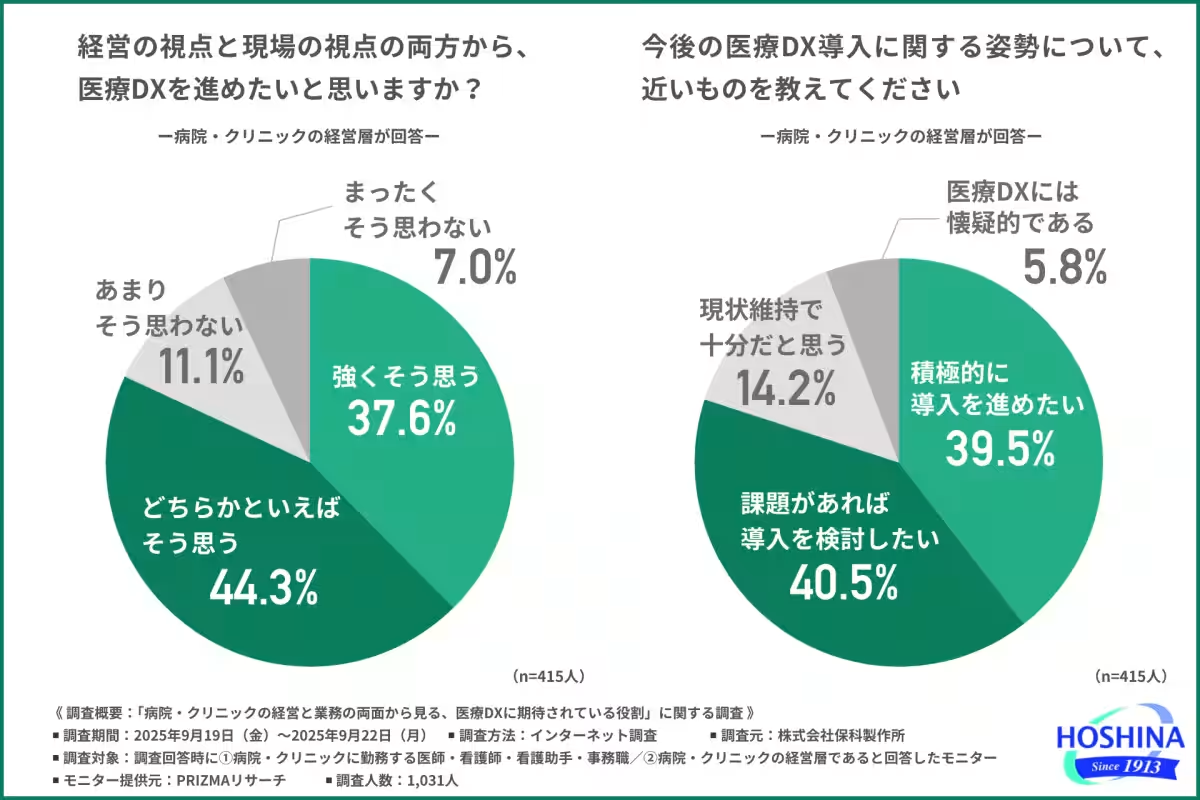
Interestingly, a positive outlook towards medical DX was reflected in the responses of management personnel. Approximately 80% expressed strong support for advancing medical DX from both operational and strategic perspectives. A notable 39.5% showed an eagerness to actively pursue DX initiatives, while another 40.5% were open to exploring challenges associated with its adoption. This illustrates a crucial alignment between operational and executive levels, promoting greater cohesion in implementing digital transitions.
Conclusion
In summary, the survey highlighted the expectations and challenges associated with medical DX within healthcare settings. Notably, the predominant expectation is to alleviate staffing shortages through digital tools, specifically EMRs and appointment systems. However, concerns regarding training burdens and implementation costs remain significant hurdles. Therefore, comprehensive support geared towards staff training, cost-effectiveness, and security measures will be paramount in moving forward. Furthermore, the favorable stance of management towards DX initiatives suggests that cohesive efforts can lead to effective digital integration in healthcare systems.
Introducing Mitsumarron™
As a proactive measure, Hoshina Co. provides comprehensive support through their cloud-based platform, Mitsumarron™ (https://hoshina.co.jp/mitsumarron/). This is designed to assist clinics from the inception of their operations to their daily management needs. Featuring intuitive tools for education tracking, incident management, inventory control, and marketing assistance, Mitsumarron™ aims to address the challenges revealed in the survey, facilitating a smoother transition to digital management.
Hoshina Co. will also be present at the upcoming Medical Japan (Tokyo) event from October 1-3, 2025, at Makuhari Messe, showcasing demonstrations of the Mitsumarron™ platform. Attendees are encouraged to visit their booth to explore innovative solutions tailored for healthcare management.


Topics Health)

【About Using Articles】
You can freely use the title and article content by linking to the page where the article is posted.
※ Images cannot be used.
【About Links】
Links are free to use.