



Understanding the Current Trends in CFO Recruitment and Finance Job Changes
Insights into Transition Trends for Finance Managers
Introduction
In a recent study conducted by Rex Advisors, a consulting company specializing in recruitment for CFOs and financial managers, trends in the job-hunting experiences of finance professionals in managerial roles were analyzed. The findings are based on a survey of 253 individuals who transitioned into finance managerial roles between 2023 and 2026.
Key Findings
Reasons for Job Changes
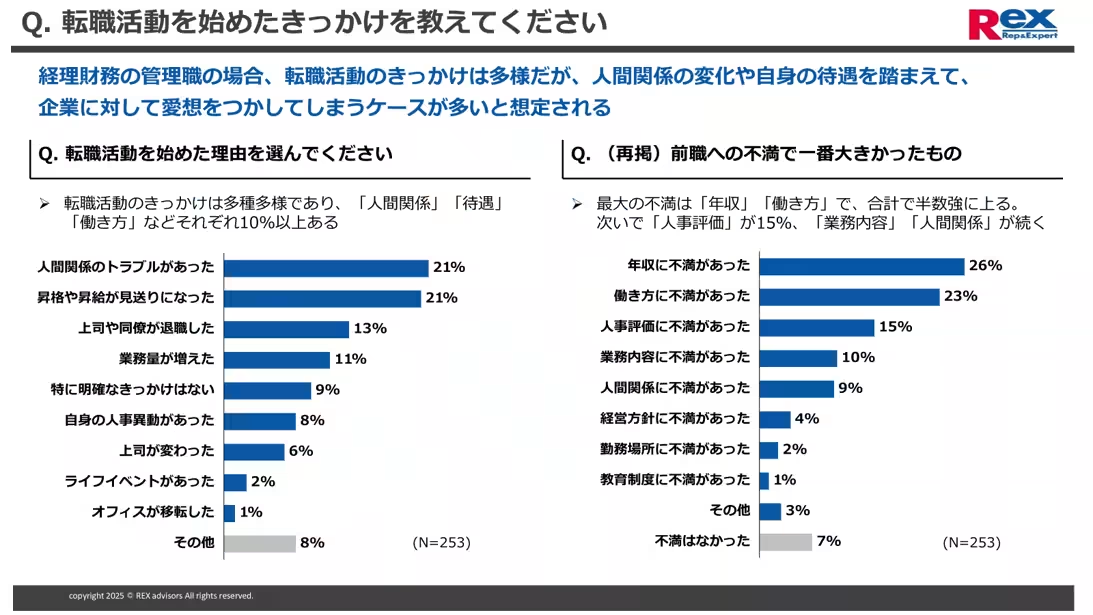
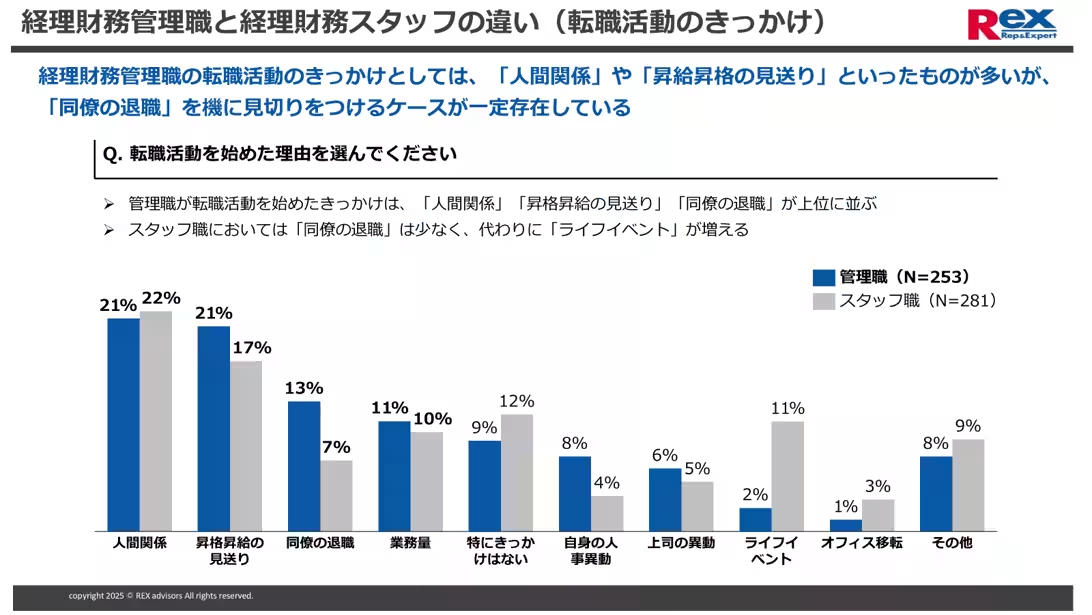
When analyzing why finance professionals moved on from their previous positions, the research revealed various triggers. Chief among these were issues related to interpersonal relationships and dissatisfaction with compensation. Specifically, 20% of respondents cited troubles with colleagues and missed opportunities for promotion or salary increases as primary motivations for their job changes. Other notable factors included colleague departures (13%) and increased workload (11%). Interestingly, almost 10% of participants indicated that they began their job search without a specific trigger.
Shift in Priorities
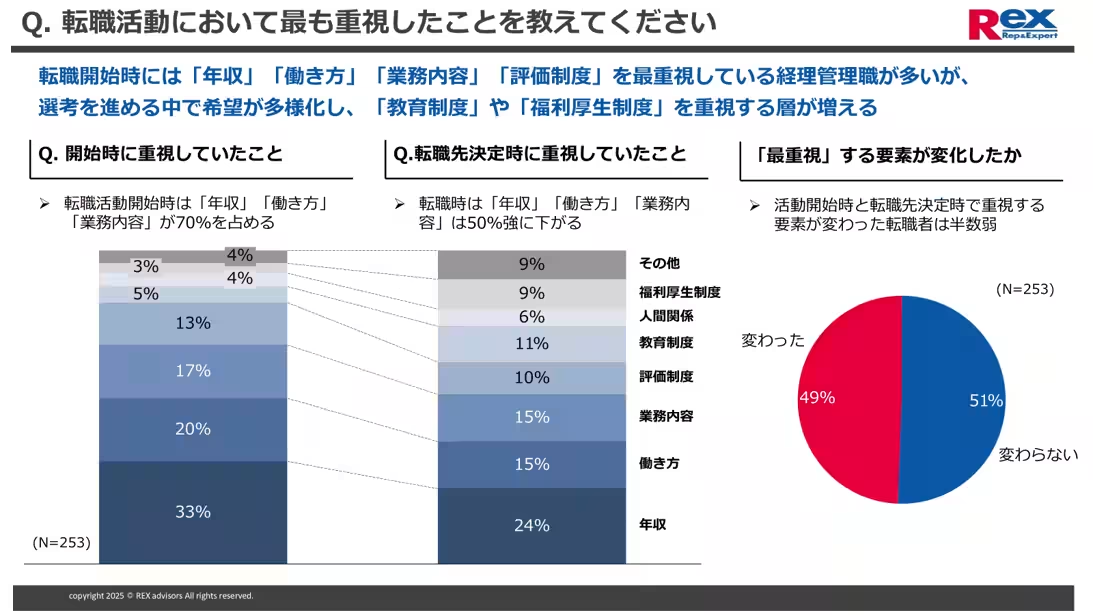
A significant observation from the survey is that nearly half of the finance managers reported a shift in their priorities from the start of their job search to the conclusion. Initially, many prioritizing income, workplace flexibility, and job roles later found that aspects such as educational offerings and benefits became more crucial to their decision-making process upon receiving job offers.
Potential Risks
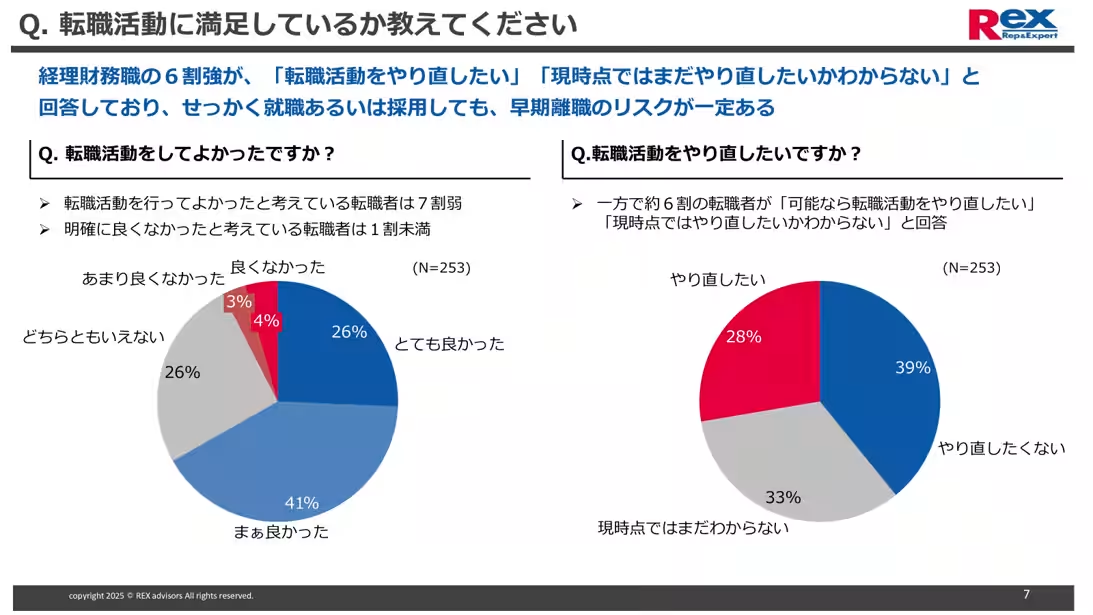
The research also highlighted an undercurrent of dissatisfaction that could lead to instability in job placements. Almost 30% of the respondents expressed a desire to re-evaluate their job search, and over 30% were uncertain about their current positions, indicating a potential short-term turnover risk after hiring.
Areas of Discontent from Previous Positions
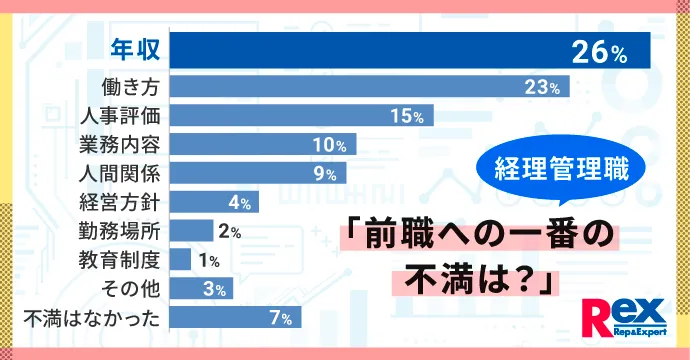
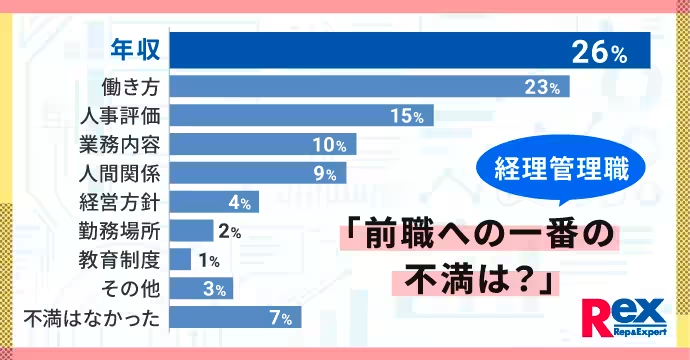
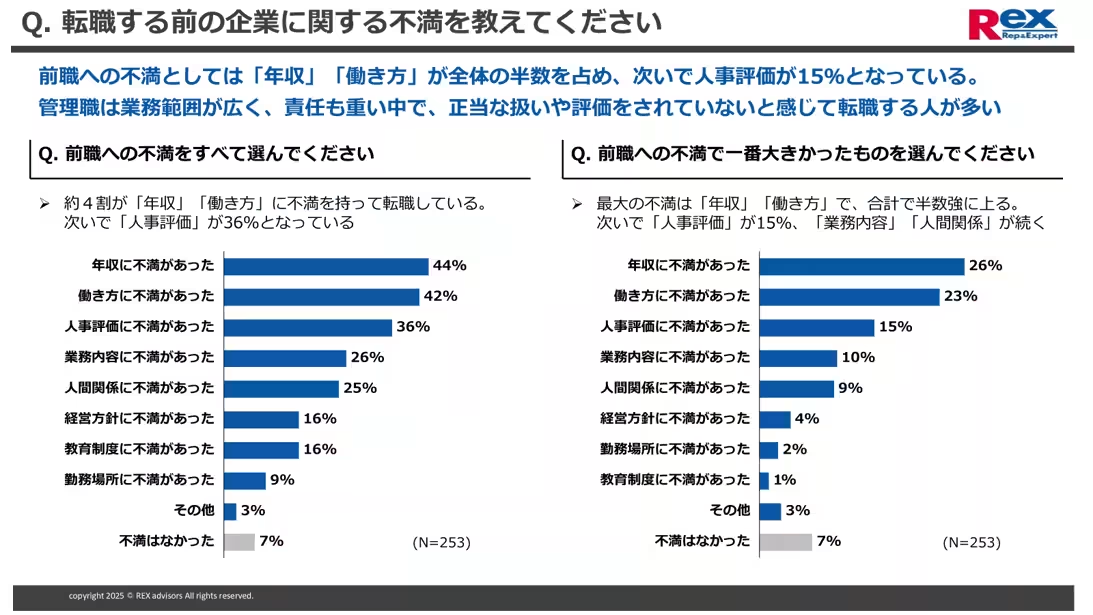
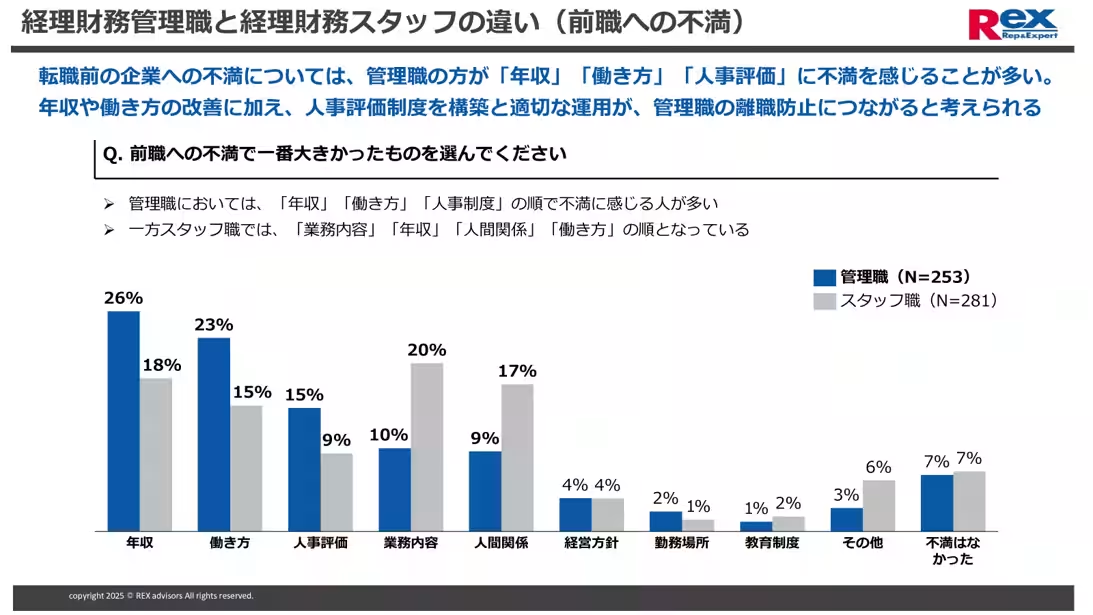
Delving deeper into the dissatisfaction with prior roles, issues concerning salary (26%) and work-life balance (23%) were prominent, alongside feelings of inadequate evaluation by management (15%). The feedback suggests a considerable number of finance managers felt undervalued, propelling them toward new job opportunities.
Attractive Factors in New Jobs
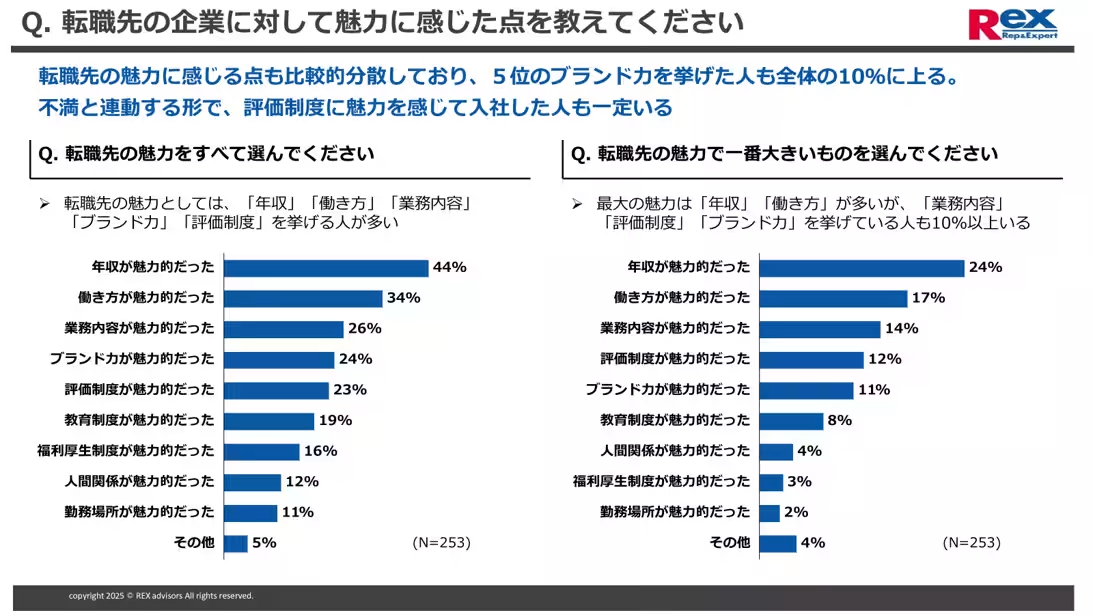
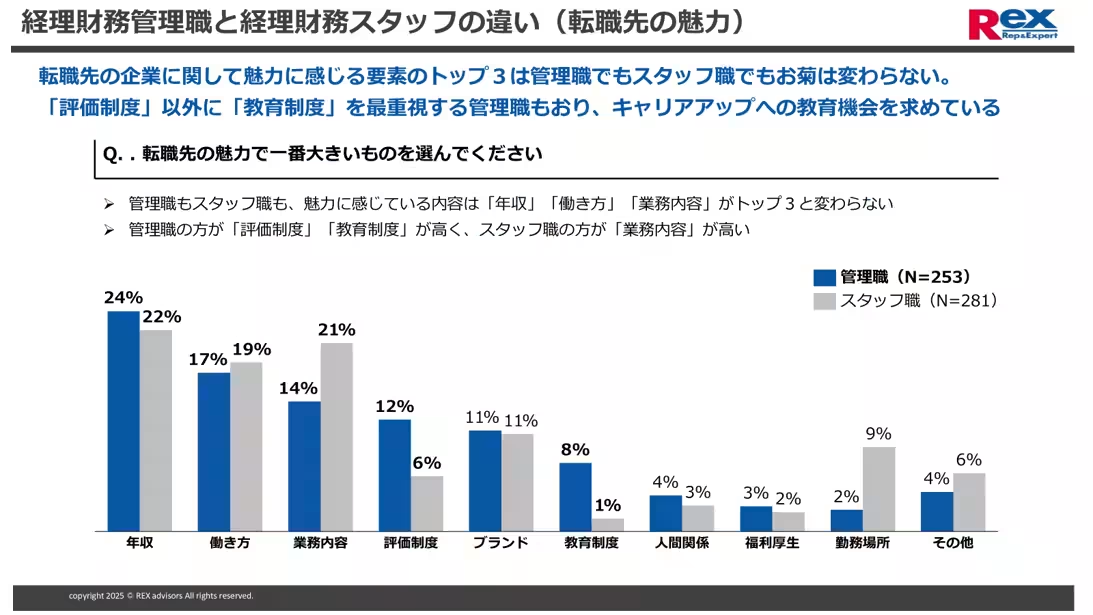
Conversely, when respondents were asked about the most appealing elements of their new positions, the results illustrated that attractive salary (24%), flexible working conditions (17%), and engaging job responsibilities (14%) were top contributors to their decisions to accept offers. Notably, job content ranked highly among the variables considered while looking at new roles.
Differences between Management and Staff Roles
The survey compared motivations and expectations between finance managers and staff. Management professionals more frequently indicated dissatisfaction with salary and evaluation metrics compared to their counterparts, further implying that higher expectations come with greater responsibility. Conversely, staff members attributed significant changes in their job motivations to personal life events, which was less evident among managerial staff.
Changing Factors during Transition
At the onset of their job searches, about 70% of finance managers prioritized salary, flexible work arrangements, and role complexity; however, by the time they accepted new positions, this number had decreased to 54%. Conversely, the importance of educational systems and benefits grew among those seeking new roles.
Satisfaction with the Job Transition
When evaluating their job transition experiences, the survey found that only 26% of finance managers were entirely satisfied with the process. The majority fell into a middle category, describing their experience as generally positive but not without dissatisfaction. Furthermore, the risk of brief employment looms large, with 28% wishing to revisit their job-hunting experiences.
Conclusion
The investigation into job transitions among finance managers sheds light on the evolving dynamics of career changes in this sector. Understanding the motivations, shifting priorities, and potential dissatisfaction can aid both candidates and companies in navigating the complexities of finance labor markets in the coming years.
About the Survey
The research, conducted through an online survey with a sample size of 534 respondents, spanned from March 11 to March 13, 2026. The targeted demographic included professionals in finance and accounting jobs within the corporate sector aged between 20 and 50, reflecting a comprehensive cross-section of the industry.
For further details, please visit Rex Advisors' investigative report page.
Topics Business Technology)
【About Using Articles】
You can freely use the title and article content by linking to the page where the article is posted.
※ Images cannot be used.
【About Links】
Links are free to use.