



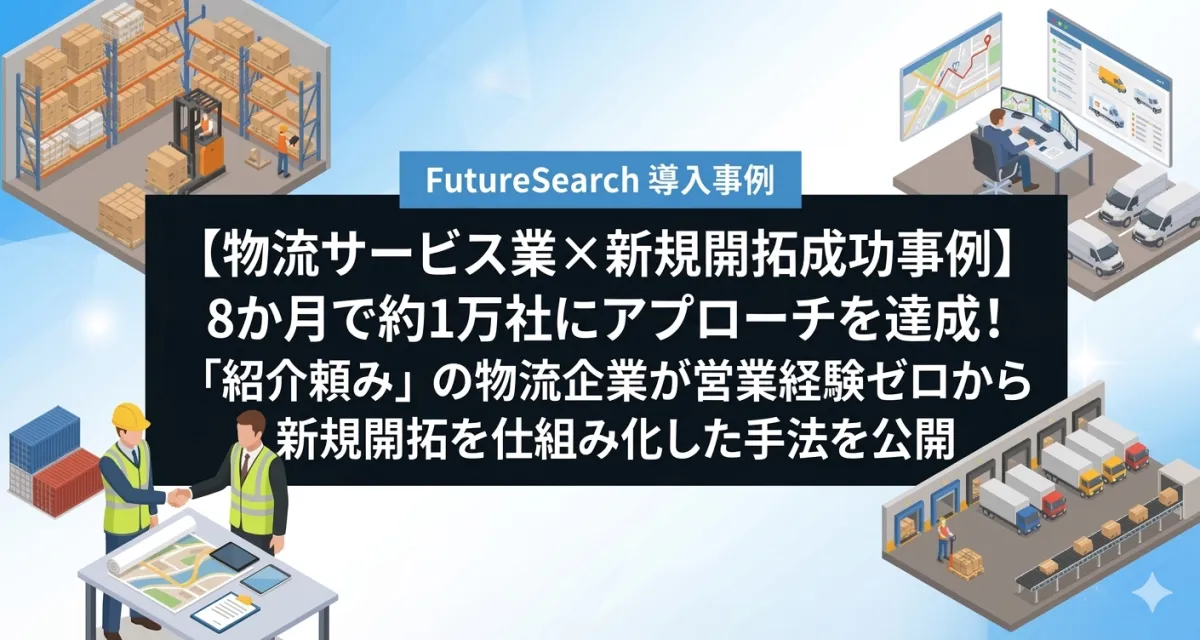
Innovative Case Study: Transforming Logistics Sales with Technology
Transforming the Sales Approach of a Logistics Company
In today's dynamic business environment, the logistics sector faces numerous challenges. A startling example is provided by G Company, a logistics service provider operating in the Kanto and Kansai regions of Japan. For years, G Company relied on client referrals and long-standing relationships to generate new business. However, with the transition to a new president, the company embarked on a fundamental reevaluation of its sales infrastructure.
Identifying the Sales Challenge
The company's previous sales strategy heavily depended on traditional methods, leading to an inadequate approach for new client acquisition. Existing customer relationships were the main source of leads, resulting in a lack of a systematic process for reaching out to potential new clients. The absence of a structured sales mechanism soon became evident, especially in light of the looming structural changes in the logistics sector due to the anticipated 2024 issue. G Company felt an urgency to shift towards a more proactive sales strategy.
Selection of FutureSearch
Initially, G Company utilized two alternative sales support tools but encountered significant challenges, such as outdated contact lists and insufficient target identification. These limitations triggered a decision to switch to FutureSearch, an advanced B2B sales support platform. The reasons for this selection included:
1. Up-to-Date Database: FutureSearch offers a constantly refreshed database where the entire data set is updated every three months, ensuring contemporary information.
2. Integrated Processes: It provides a seamless experience, from list creation to outreach, all in one tool, thereby maximizing efficiency.
3. Comprehensive Support: Users benefit from extensive support, including free revisions of outreach messages and kickoff meetings, which are especially helpful for those unfamiliar with this sales format.
Implementation Strategy
With FutureSearch, G Company integrated its industry knowledge and devised a targeted approach to extracting a reliable lead list. Initially, they began with a basic plan that enabled them to pull up to 5,000 sales contacts monthly, later upgrading to a package permitting 1,500 sales outreaches each month.
Targeted Outreach Initiatives
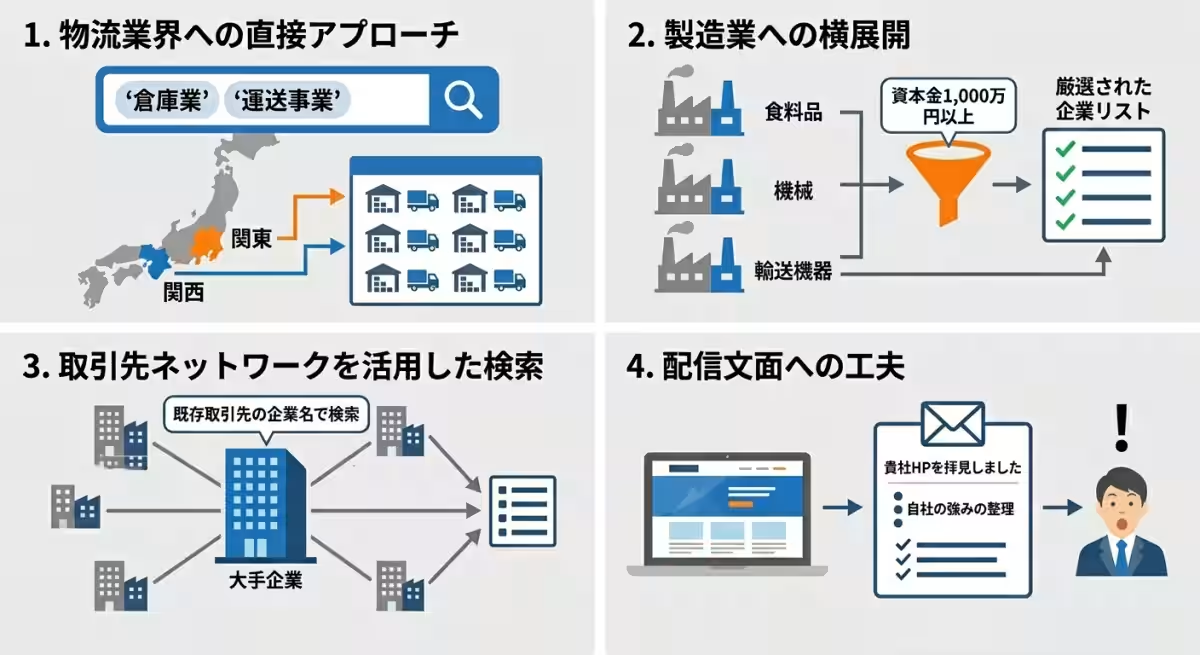
- - Direct Industry Engagement: They focused on attracting logistics firms in the Kanto and Kansai regions using keywords like “warehouse operations” and “general freight transport” to enhance partner searches and build industry networks.
- - Diverse Targeting: G Company didn’t just limit itself to logistics and warehousing but also filtered potential leads from the manufacturing sector that generates logistics demand based on capital and other criteria.
- - Target Company Naming: By searching for existing clients and major corporations, they efficiently extracted related companies from their websites for potential collaboration.
- - Personalized Communication: Each outreach message included a specific reference to the recipient's website, followed by a concise summary highlighting their strengths, positioning the outreach as sincere rather than generic.
Results Achieved
After approximately eight months of utilizing FutureSearch, the fruits of G Company’s redefined strategy became apparent:
- - Lead List Extraction: A total of about 24,500 leads was generated, averaging 3,500 per month.
- - Outreach Initiative: Around 9,600 outreach messages were sent, translating to an average of 1,200 per month.
- - Unique Visit Rate: G Company achieved a remarkable unique visit rate of 7.2%, exceeding industry standards by a significant margin.
The G Company case exemplifies a successful transition from a historically passive sales method to an actionable, structured format with the help of FutureSearch. This initiative signifies a crucial shift for many companies within the logistics industry, reflecting a growing necessity for innovative and proactive approaches to client engagement.
Conclusion
The key takeaway from G Company’s success lies in its commitment to fresh information, the strategic selection of targets based on industry knowledge, and the willingness to overhaul its antiquated sales processes. As the logistics landscape undergoes profound changes leading up to 2024, moving away from reliance on longstanding relationships and developing systematic new client acquisition methods will become a common imperative across the sector. FutureSearch remains committed to enhancing the optimization of client engagements for B2B businesses, leveraging AI and modern databases for ongoing support.
For further insights into G Company's successful transition or details on FutureSearch's offerings, you can find the complete case study here.



Topics Business Technology)
【About Using Articles】
You can freely use the title and article content by linking to the page where the article is posted.
※ Images cannot be used.
【About Links】
Links are free to use.