



The Impact of Social Media on Beauty Procedures: Insights from WOM CLINIC GINZA
Understanding the Trust in Social Media for Beauty Procedures
As we delve into the world of beauty and aesthetic procedures, the question arises: how reliable are social media and online reviews in guiding our choices? A recent survey conducted by WOM CLINIC GINZA, targeting individuals aged 18-45 who have considered cosmetic surgery, sheds light on this pressing inquiry.
Methodology of the Research
Between September 2 and September 3, 2025, WOM CLINIC GINZA commissioned an online survey through PRIZMA, involving 1,018 participants. Each participant had expressed interest in beauty treatments and cosmetic procedures, establishing a solid foundation for gathering insights into current trends in information sourcing.
Popular Sources of Information
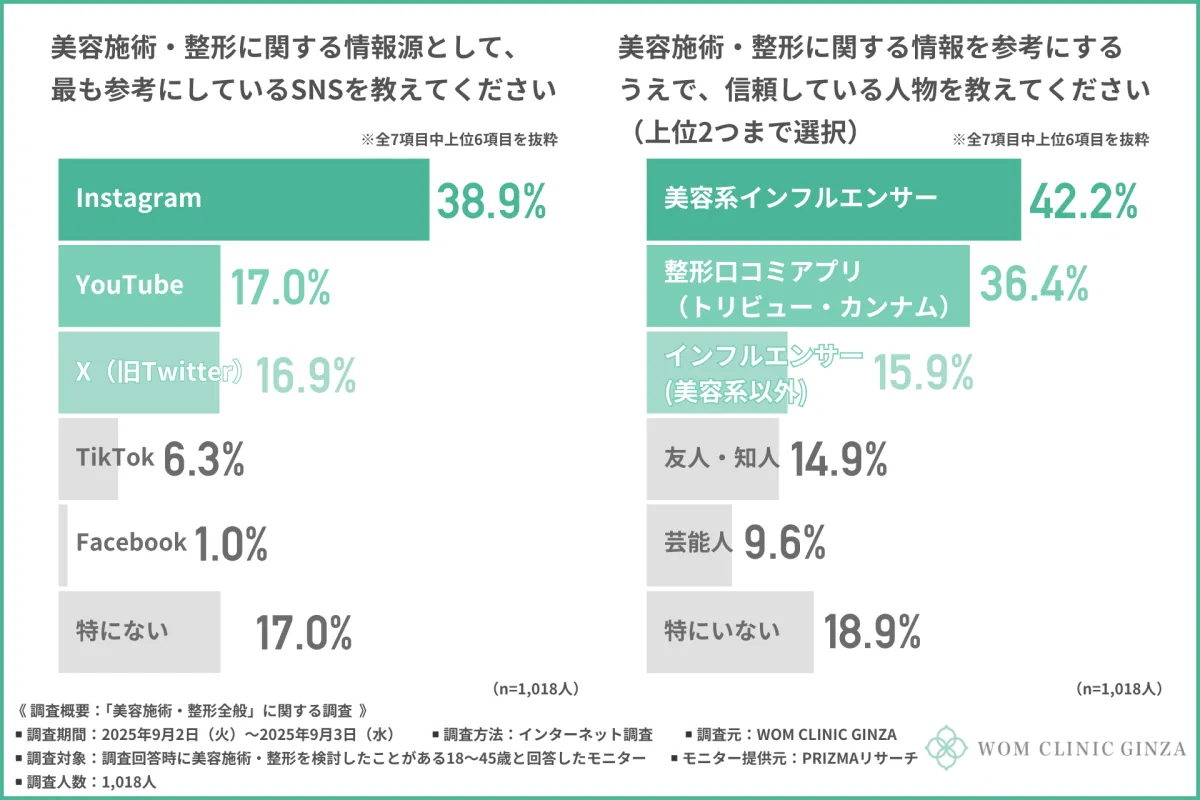
When asked about the most trusted platform for gathering information on beauty procedures, a staggering 38.9% identified Instagram as their top choice. Following Instagram were YouTube at 17.0% and X (formerly Twitter) at 16.9%. Together, these channels accounted for over 70% of the responses, underscoring their significance in the decision-making process for aesthetic procedures. Instagram's visual-oriented content, rich with before-and-after images, effectively engages users, making it a favored source of information.
Despite TikTok's growing prominence, its skewed demographic—primarily younger users—may hinder its effectiveness as a reliable information source for those actively considering cosmetic surgery.
The Influence of Beauty Influencers
In terms of whom participants trust for guidance, beauty influencers emerged as the most reliable source, with 42.2% citing them as crucial to their decision-making process. This was followed by reviews from cosmetic consultation apps like Tribu and Kannaum (36.4%) and other influencers in the beauty niche (15.9%). The reasons behind this trust are notable: many respondents feel that beauty influencers provide first-hand experiences and genuine insights into both the merits and drawbacks of various procedures.
For instance, a 20-something female participant expressed trust in influencers because they share real results through their posts. Meanwhile, a 40-something female participant valued the raw honesty about both benefits and possible pitfalls. This reflects a desire for transparency, which is often lacking in marketing-driven content.
The Role of Social Media in Influence
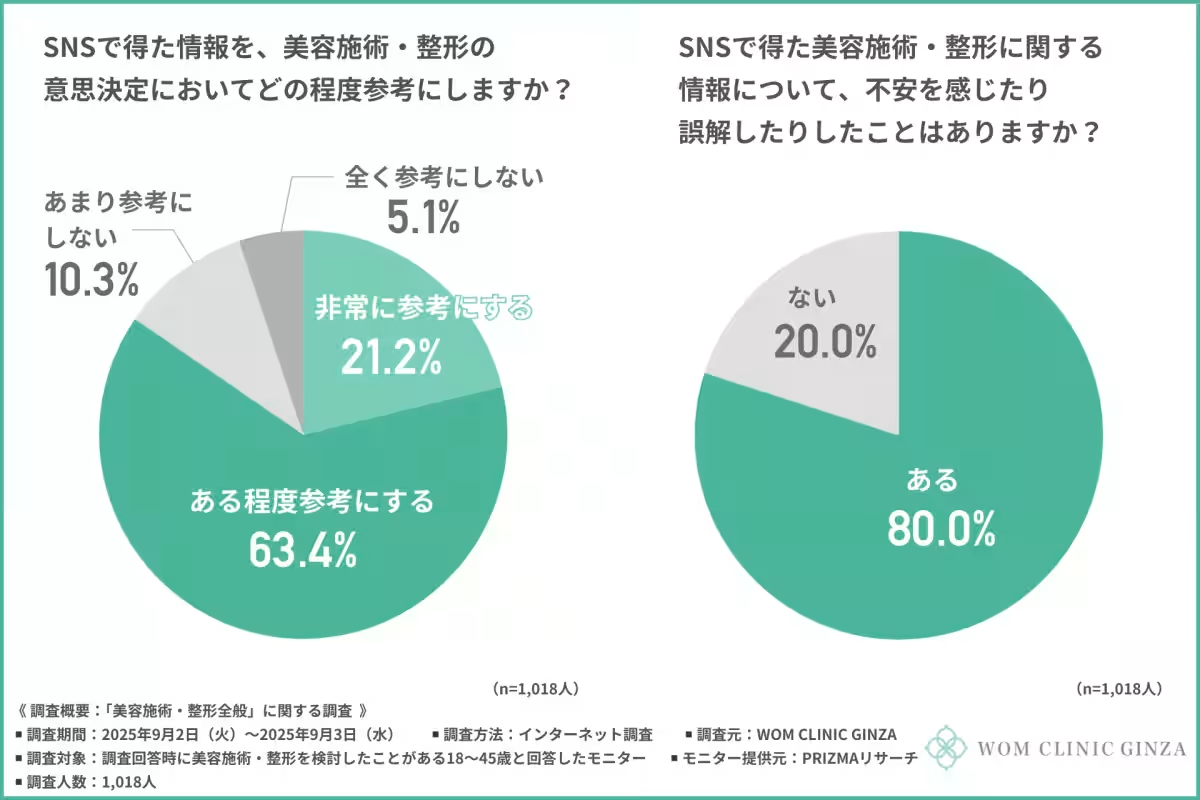
More than 80% of respondents reported they reference information from social media when deciding on cosmetic procedures. Out of these, 21.2% indicated this information was 'very influential' while 63.4% admitted it was 'somewhat influential'. However, it's important to note that there remains a level of skepticism regarding the reliability of social media sources; 80% of participants acknowledged having felt anxiety or confusion about the information they received.
Many voiced concerns about the authenticity of portrayed results and the risks associated with procedures not being fully disclosed. Understanding these fears provides insight into the balancing act of marketing aesthetics versus genuine peer experiences. Users appear to desire not only inspirational images but also a clearer view of potential risks and expenses tied to the procedures.
Timing of Information Gathering
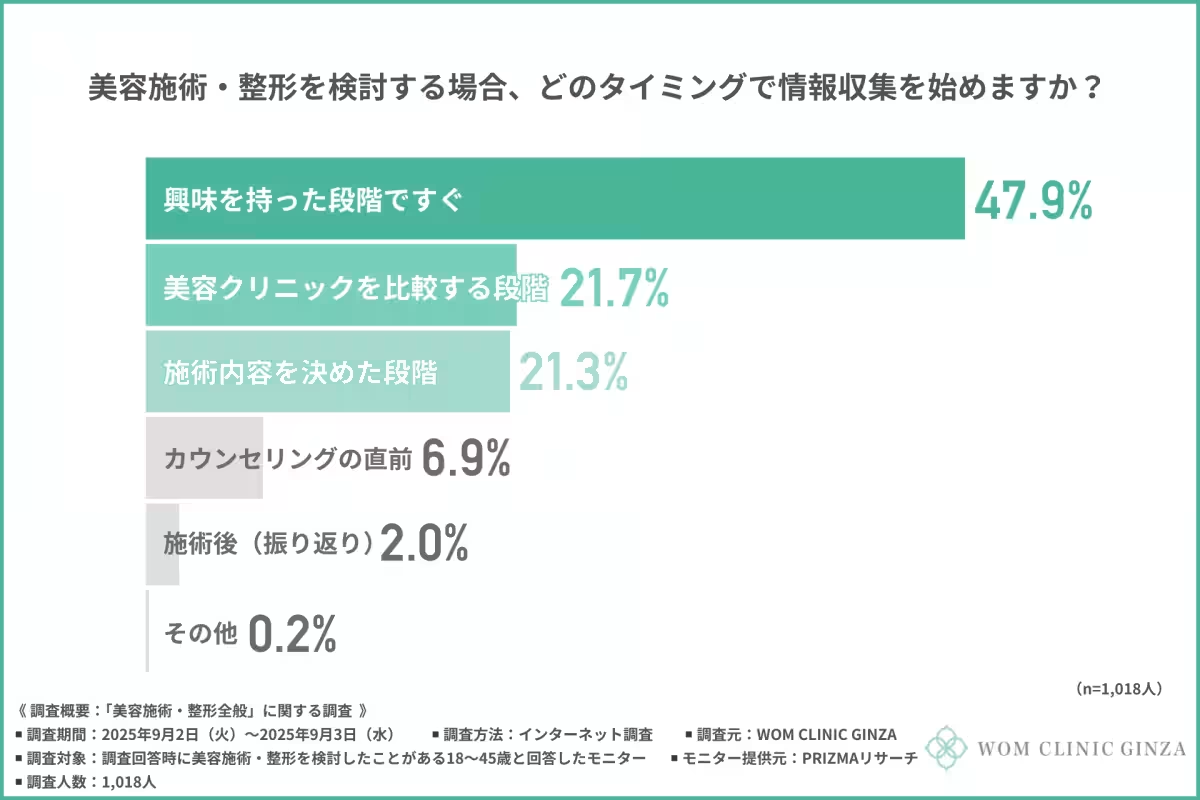
Interestingly, almost half of the survey participants (47.9%) indicated they begin gathering information the moment they become interested in a procedure. This highlights the immediate urge to educate themselves rather than waiting until they are ready to consult with a clinic. The results point to the increasing normalization of cosmetic procedures, as nearly 70% of participants indicated they had undergone some form of aesthetic treatment.
Key Factors in Choosing Clinics
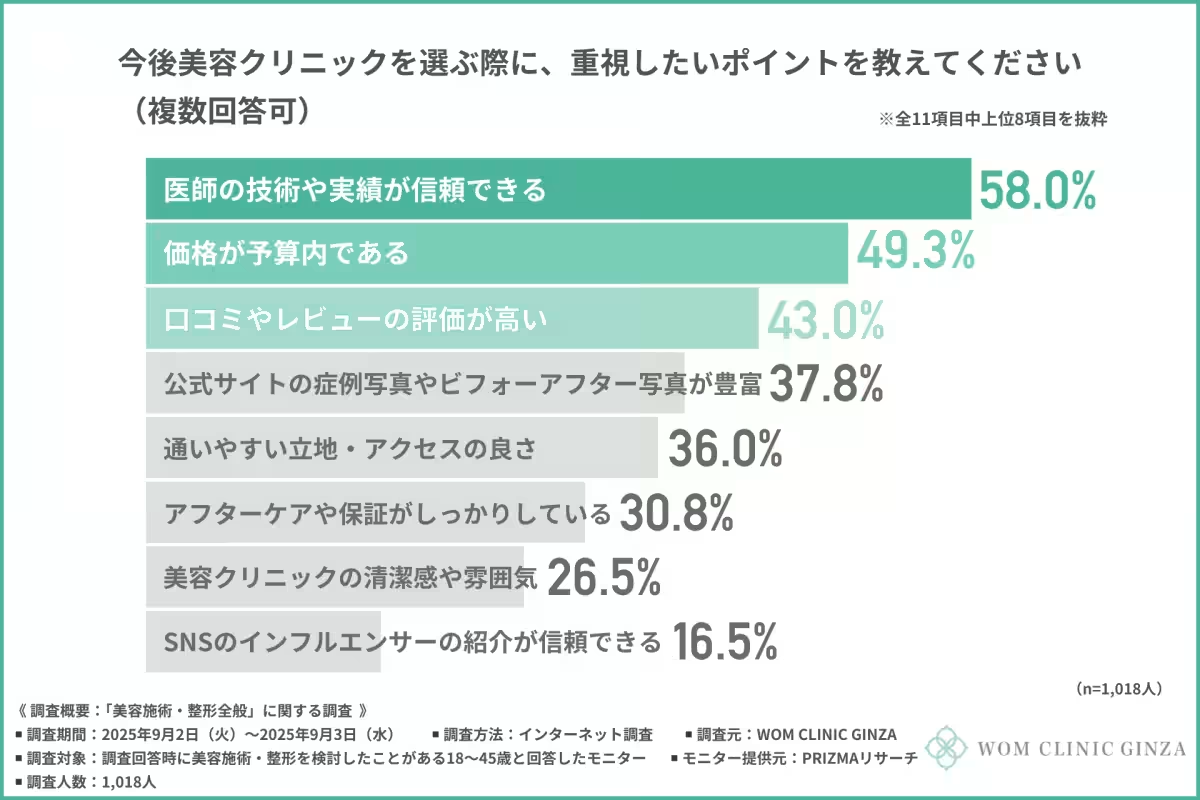
When it comes to selecting a cosmetic clinic, respondents emphasized critical considerations: the skills and credibility of the medical professional (58%), affordability (49.3%), and positive ratings from previous clients (43%). This illustrates a need for assurance surrounding technical proficiency while maintaining budget constraints.
Real Experience Matters
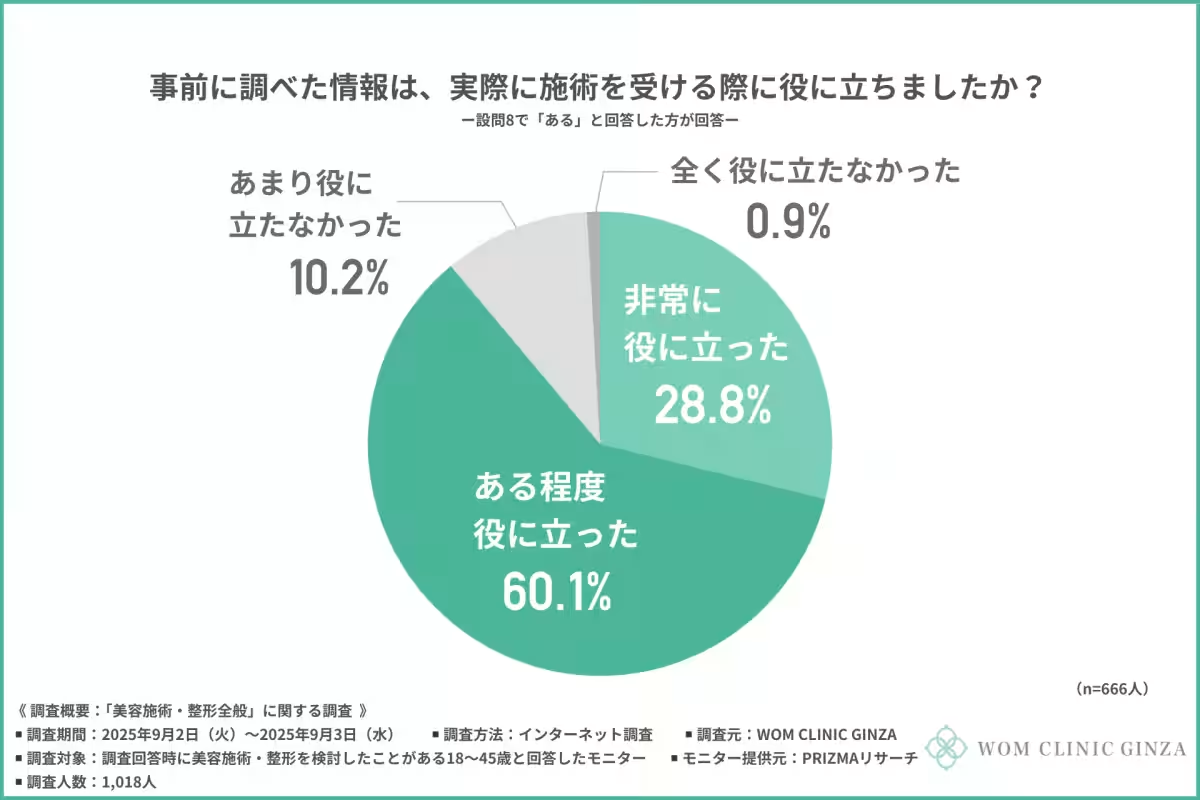
Among those who have proceeded with a procedure, nearly 90% confirmed that prior research significantly aided their experience. This points to the valuable role of social media and review platforms in alleviating uncertainties surrounding aesthetic surgery. Detailed accounts and photographs can demystify complex procedures and create a sense of preparedness.
Conclusion: Navigating the Landscape of Beauty Information
Ultimately, as indicated by this survey, social media plays a pivotal role in shaping the landscape of user preferences for aesthetic procedures. Whereas platforms like Instagram and YouTube provide easily digestible content geared towards immediate beauty inspiration, users also crave deeper insights into the risks and real-life implications of their choices.
The rise of beauty influencers and user-generated content has fostered a culture of transparency within the beauty industry, but questions surrounding reliability still loom. With the growing acceptance of aesthetic procedures in society, the emphasis on both skill and patient-centric approaches will continue to thrive, reinforcing the essential need for balanced and informative content in the decision-making matrix.
About WOM CLINIC GINZA
WOM CLINIC GINZA is committed to patient-focused care, comprehensive post-treatment follow-ups, and pricing transparency in cosmetic surgery. Guided by experienced professionals, the clinic stands out due to its dedication to delivering safe, effective, and satisfying results for cosmetic enhancements.


Topics Health)
【About Using Articles】
You can freely use the title and article content by linking to the page where the article is posted.
※ Images cannot be used.
【About Links】
Links are free to use.