



Survey Reveals IT Engineers Continue to Rely on Technical Books in the Age of AI and Video
The Value of Technical Books for IT Engineers in a Digital Age
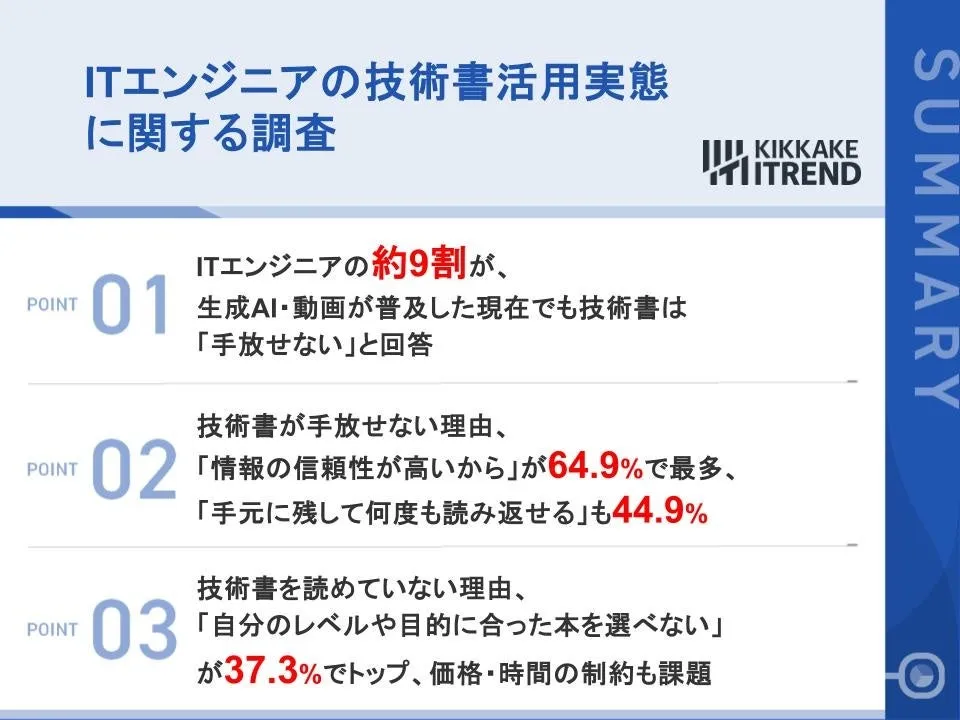
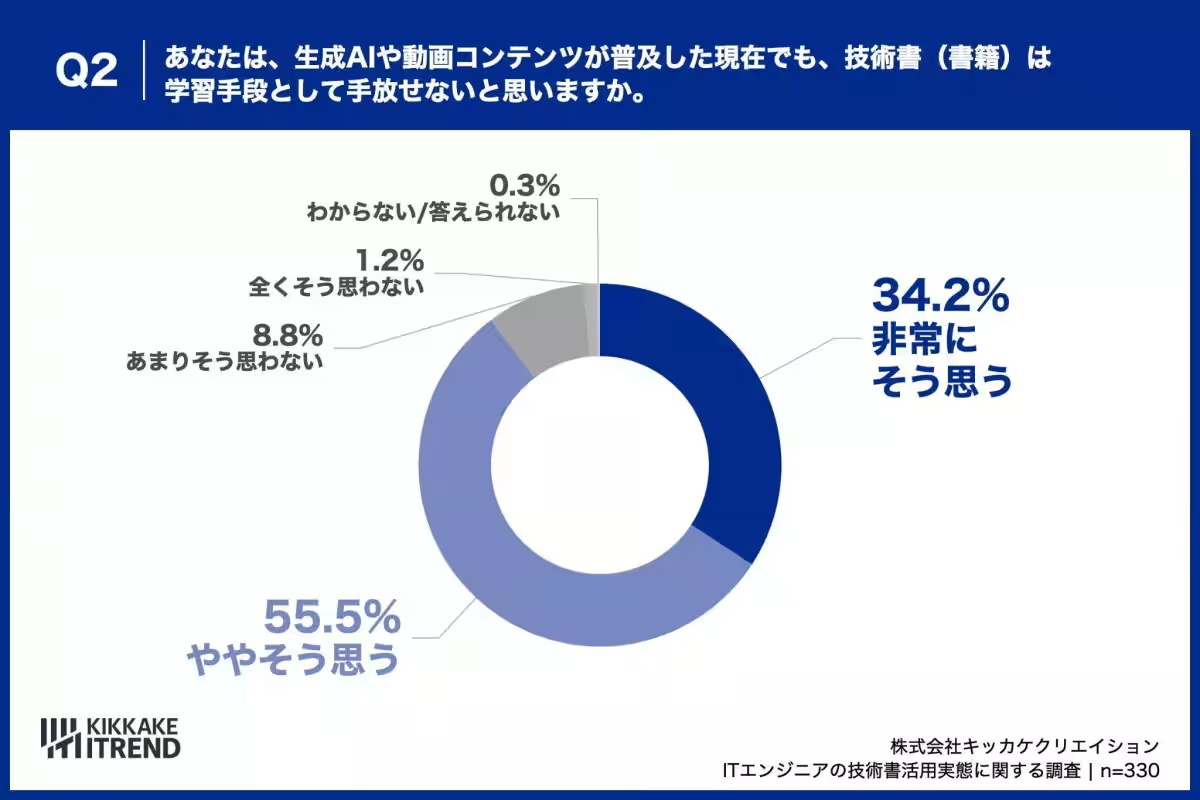
In a groundbreaking survey conducted by Kikkake Creation Co., Ltd., it was revealed that approximately 90% of IT engineers still hold on to technical books despite the increasing prevalence of AI and video content. Understanding the reasons behind this conviction sheds light on the deeper relationship engineers have with their resources, particularly concerning reliability and the ability to revisit complex materials.
1. Survey Insights on Usage of Technical Books
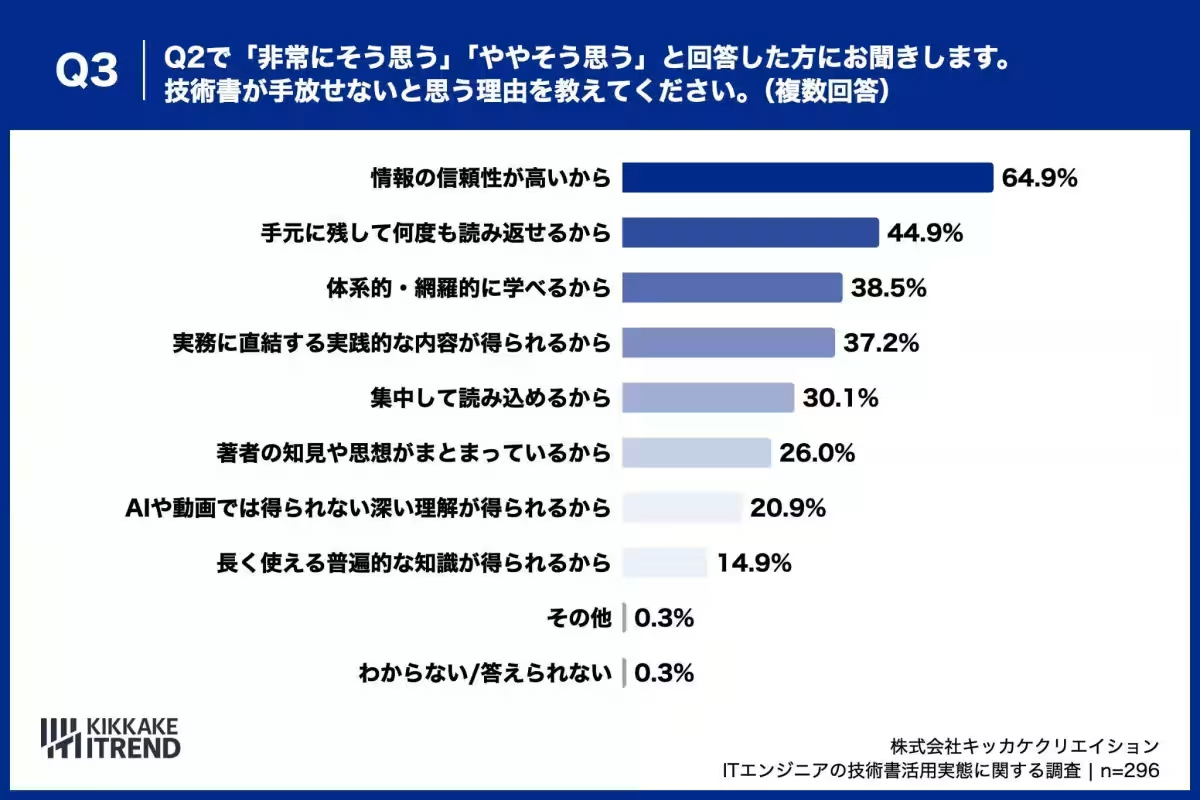
The study polled 330 IT engineers who reported having read technical books within the last year. Results indicate that 64.9% of respondents favor the reliability of information presented in traditional technical literature. Close to 45% of participants appreciate the ability to reread these texts, finding structured information essential for mastering intricate topics.
It's informal knowledge that the IT field is ever-changing, with new technologies and methodologies emerging daily. Yet, the foundation of learning through well-curated texts remains invaluable among professionals. Many engineers have expressed the idea that technical books offer a depth of knowledge and a structured approach that digital mediums often lack.
2. The Searching Dilemma and Cost Concerns
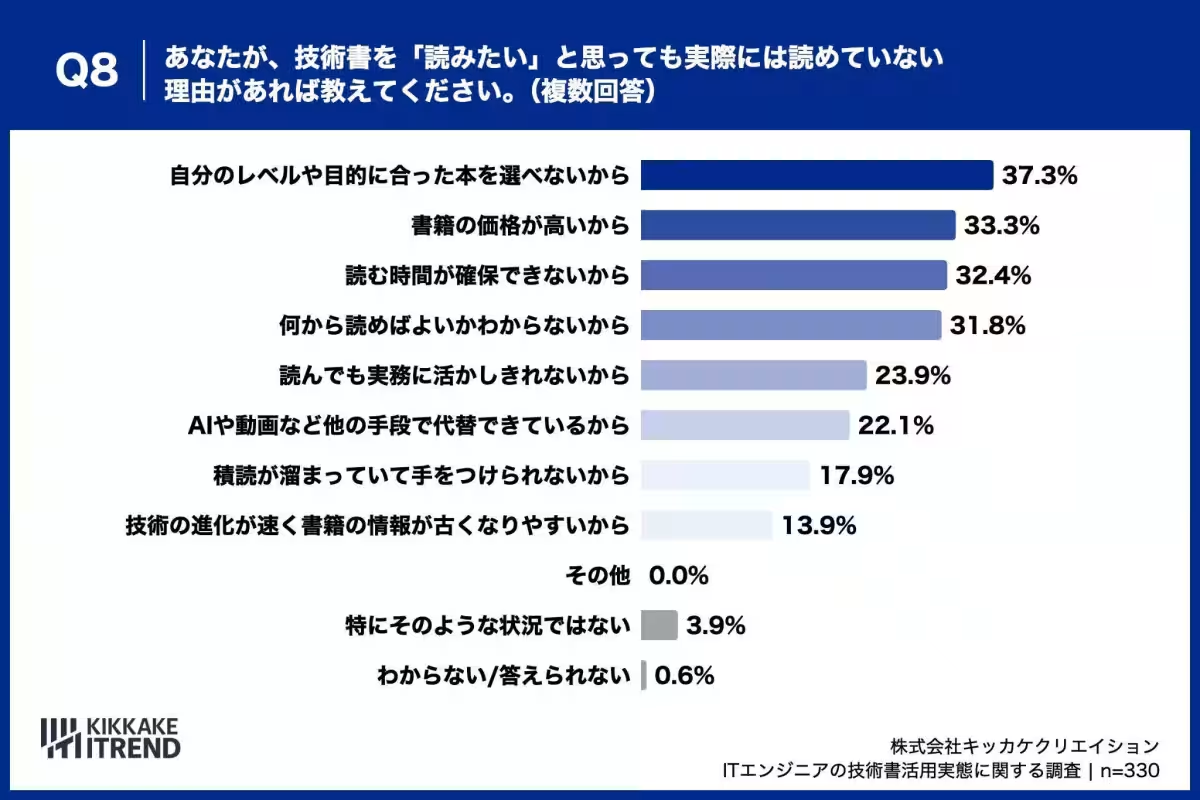
Despite this reliance on traditional books, many engineers also face challenges when selecting appropriate materials. Over 37% reported difficulty in finding resources that align with their individual skill levels and goals. Other common barriers included the perceived high costs of books (33.3%) and the challenge of finding sufficient time to read (32.4%). This points to a wider issue within the IT community: the necessity for platforms that better align reading material with the engineer's immediate needs and objectives.
3. Input Methods: Embracing Digital Content Alongside Books
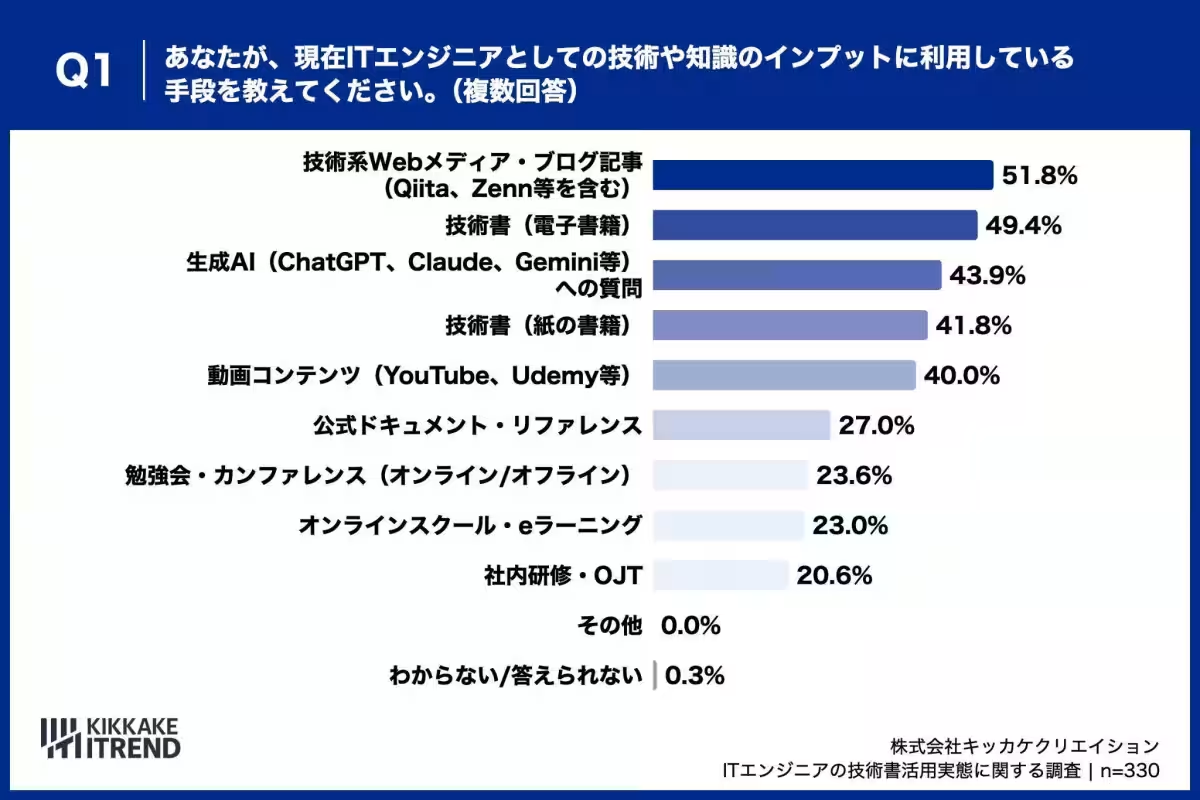
Interestingly, while technical books are still favored, the survey indicated that engineers are diversifying their input methods. 51.8% utilize technical web media and blogs for knowledge acquisition, while almost 50% have incorporated eBooks into their reading habits. Additionally, a significant number leverage AI tools, such as ChatGPT, to address immediate questions or gain insights. Notably, even with the emergence of digital alternatives, 41.8% still opt for printed technical books, highlighting a blend of old and new practices.
4. The Role of Technical Books in Professional Development
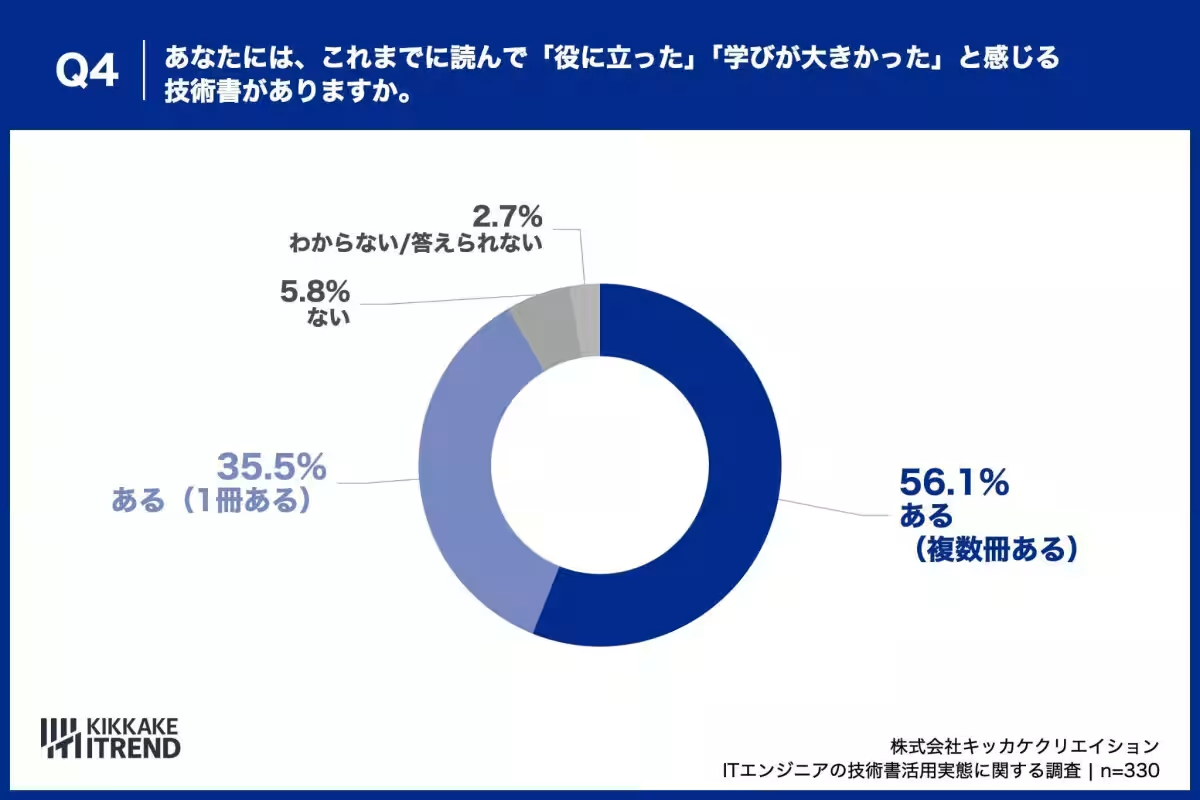
When asked about the impact of books on their professional growth, an impressive 91.6% affirmed they have encountered books that significantly aided their learning. Among the titles mentioned were well-regarded works such as Readable Code and Mastering TCP/IP. This suggests that specific texts remain treasured resources, providing essential insights that resonate with their career paths.
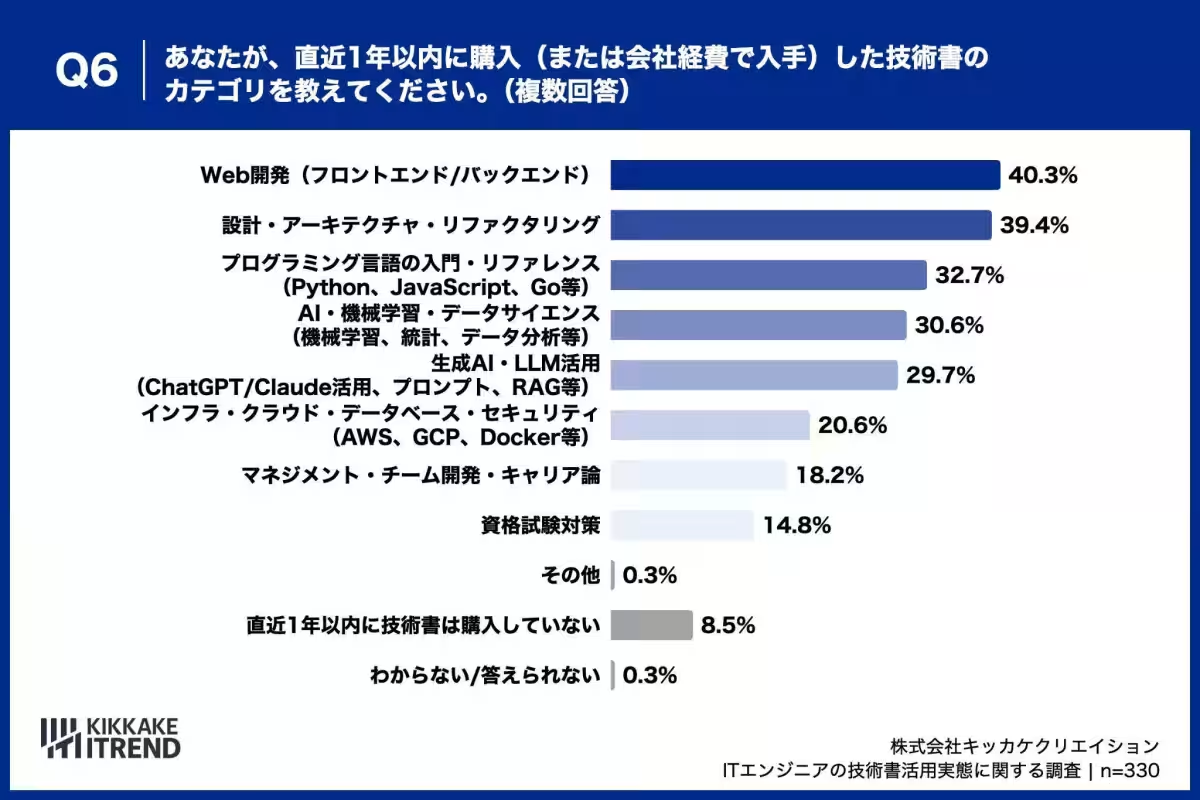
Furthermore, a notable 40.3% of respondents indicated that they recently purchased books related to web development, showcasing a continued commitment to developing practical skills relevant to their roles.
5. Financial Commitment to Continuous Learning
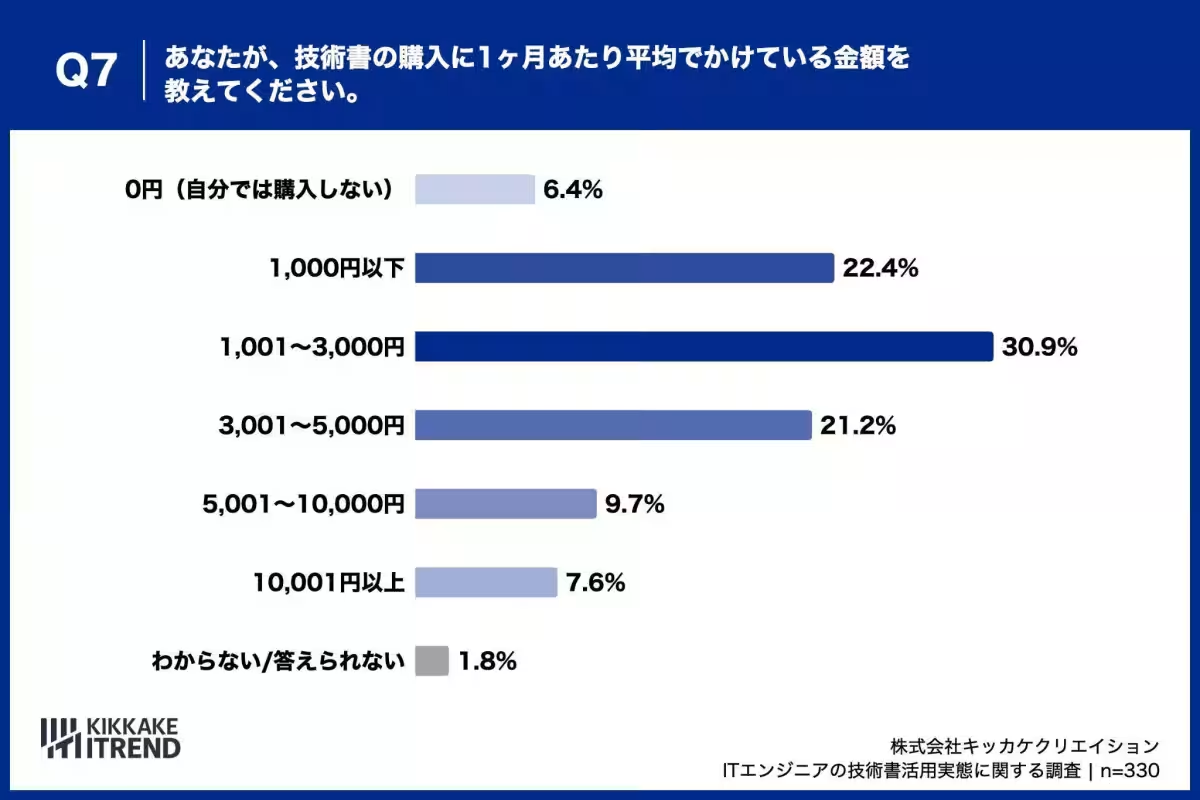
In terms of financial investment, around 30.9% of respondents allocate between 1,001 and 3,000 yen monthly to purchase technical literature. This reflects a healthy attitude toward continuous education and indicates that engineers are willing to invest in their professional growth.
6. Balancing Reading Practices with Professional Demand
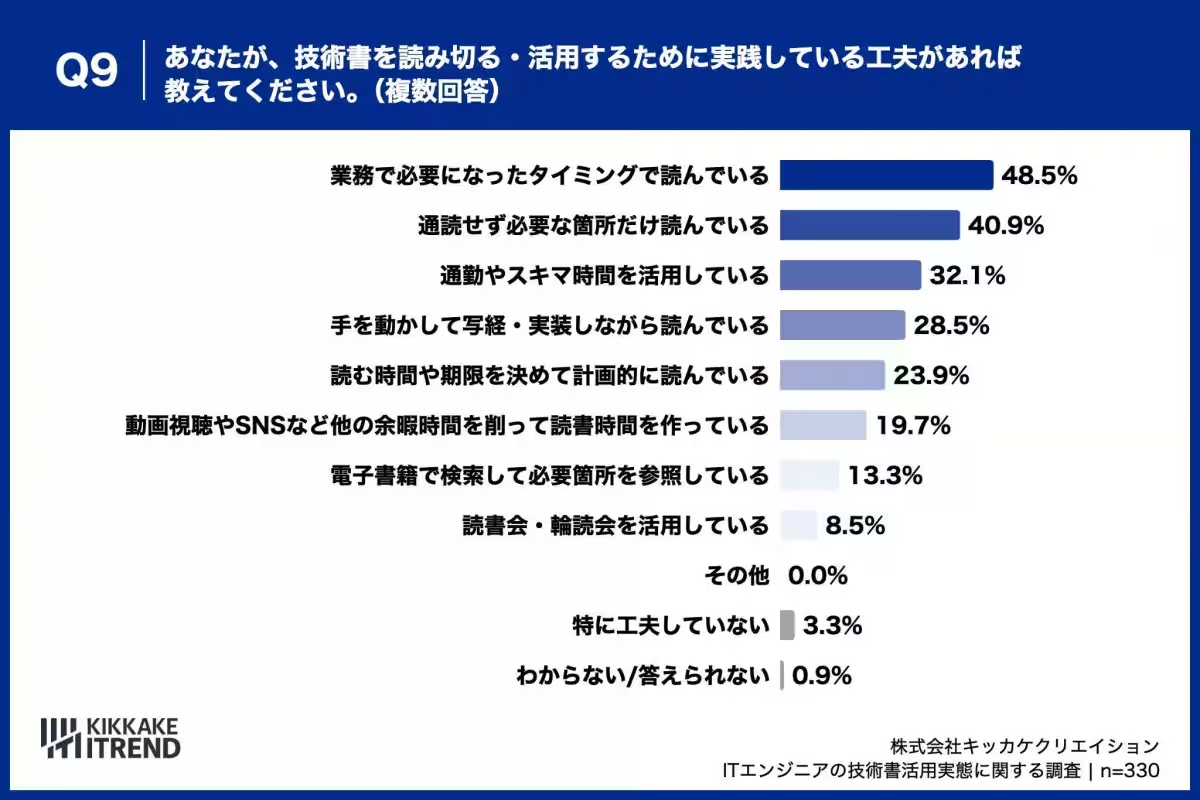
To maximize their reading efficiency, about half (48.5%) implement strategies to read books at times when the material is pertinent to current projects. Also, there is a prevalent trend of targeting specific sections as opposed to reading cover to cover, indicating a pragmatic approach to managing time and resources effectively.
Conclusion
The findings of this survey highlight a complex yet crucial relationship between IT engineers and technical books in the AI and video-centric age. While technology continues to evolve, the enduring value of well-structured texts endures amidst digital transformations. The need for resources that align with individual needs and suitable scaffolding for learning seems paramount. Therefore, the balance of traditional reading with modern technological aids may pave the way for a more productive and informed engineering community.
Topics People & Culture)






【About Using Articles】
You can freely use the title and article content by linking to the page where the article is posted.
※ Images cannot be used.
【About Links】
Links are free to use.