




Understanding Health Concerns Across Generations: Insights from a National Survey
National Health Awareness: Insights from a Recent Survey
A growing sense of stress and fatigue has become a hallmark of modern life, impacting individuals across various age groups. A recent survey conducted by Cross Marketing, a marketing research firm based in Tokyo, examined the health perceptions and concerns of 3,000 individuals aged 18 to 79, shedding light on emerging trends and attitudes towards health, stress, and aging.
Survey Overview
Conducted from November 5 to 7, 2025, this study aims to capture shifts in consumer consciousness and lifestyle. Key areas explored include self-perceived health status, fatigue and stress levels, reasons for fatigue, methods of stress relief, awareness of physical decline, and age perceptions associated with various terms.
Key Findings
1. Self-Reported Health Status
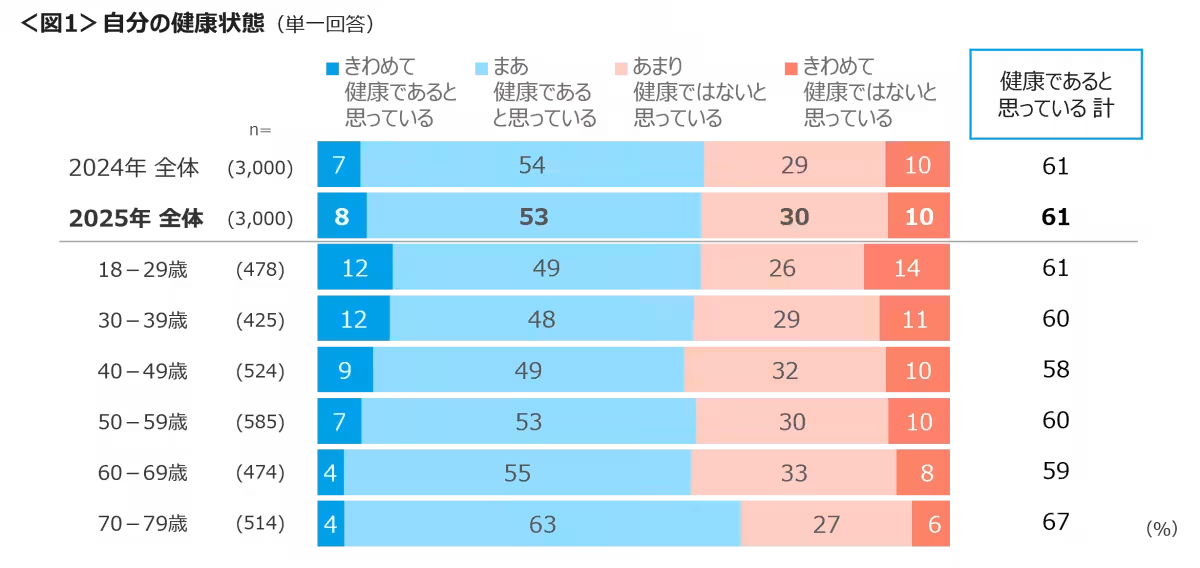
Surprisingly, only 8% of respondents identified themselves as “extremely healthy,” while 53% considered themselves “generally healthy.” This indicates that a significant portion of the population, 39%, feels less satisfied when it comes to their health. Interestingly, the younger generation exhibits a sharp increase in the number who feel “not extremely healthy.” This suggests that health perceptions are steadily declining as individuals age.
2. Fatigue and Stress Levels
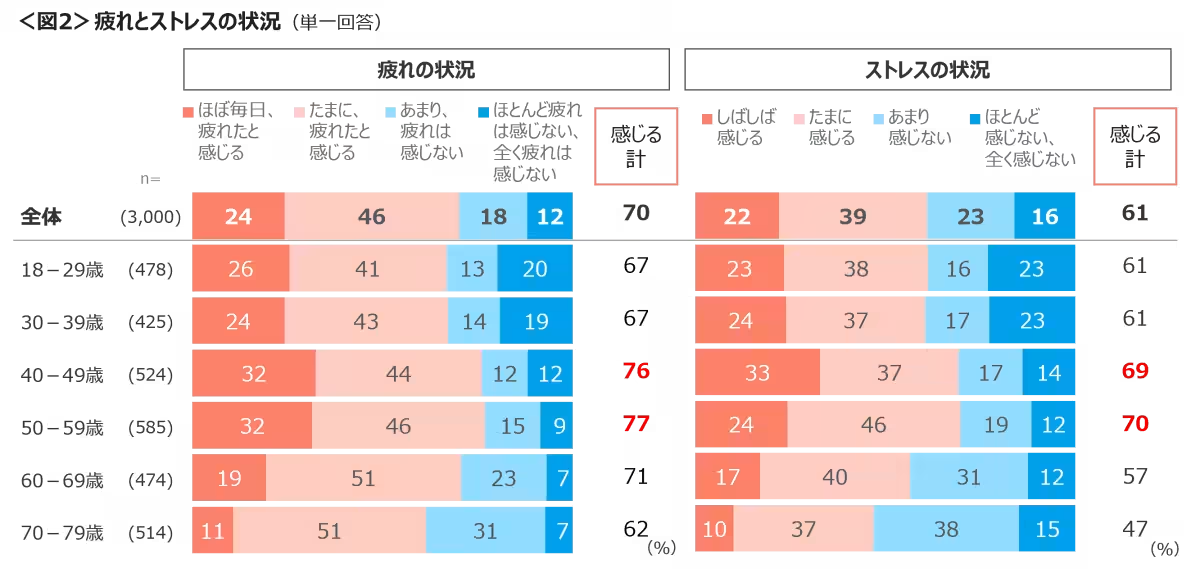
The survey revealed that 70% of respondents experience fatigue, with 24% reporting feeling tired almost daily. Stress levels are similarly high, with 61% of participants acknowledging frequent to occasional stress. Notably, individuals aged 40-50 reported the highest degrees of fatigue and stress among all age groups, reflecting the pressures of work and family responsibilities.
3. Reasons for Fatigue
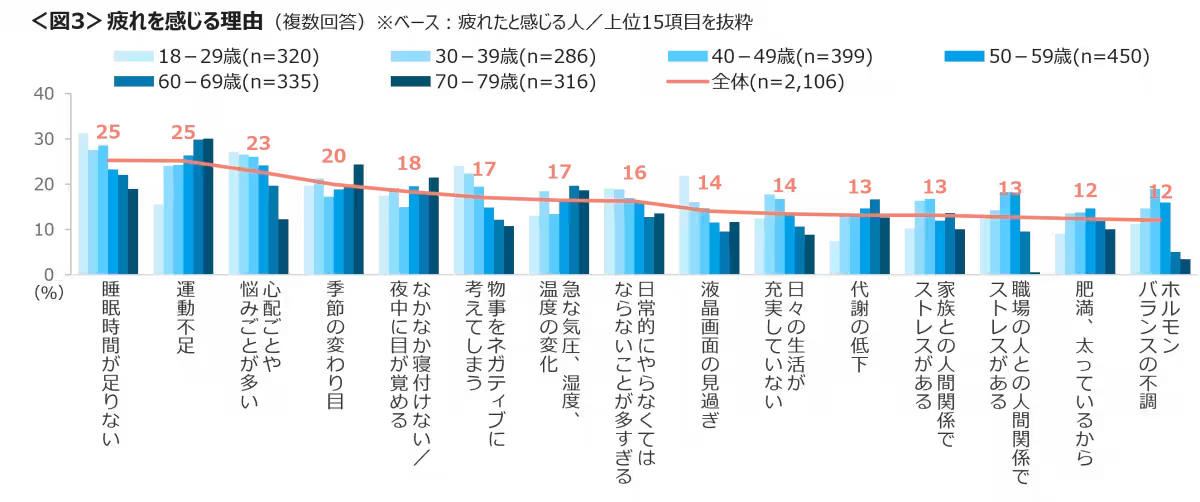
When asked about the causes of their fatigue, respondents primarily cited a lack of sleep, insufficient physical activity, and numerous worries or troubles. Those in the younger age brackets particularly highlighted sleep deprivation and concerns as major fatigue contributors. Among older participants in their 70s, changing seasons and difficulties with sleep were frequently mentioned.
4. Strategies for Stress Relief
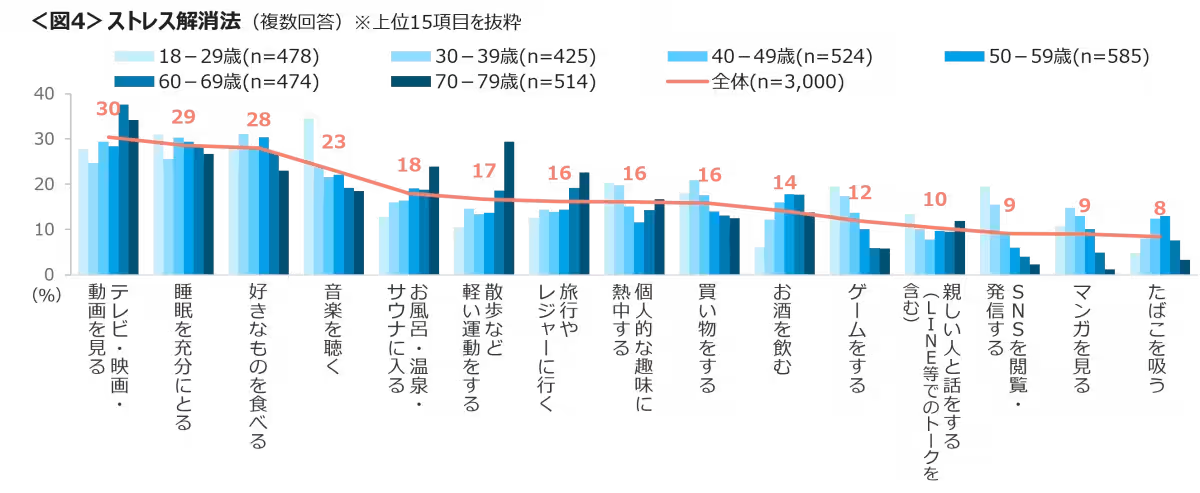
Participants identified several effective stress relief methods, with watching TV, getting enough sleep, enjoying favorite foods, and listening to music ranking as the top four methods. Not surprisingly, younger individuals aged 18-29 preferred listening to music, while moderately active participants in their 70s opted for light exercises like walking as a top choice for stress relief.
5. Awareness of Physical Decline
The survey highlighted that awareness of physical decline begins early, with individuals aged 18-29 reporting issues related to vision. By the 40s, concerns about memory, mobility, and grip strength became pronounced, with over half acknowledging a decline in these areas. Importantly, those in their 50s expressed feeling inconvenienced by age-related vision changes such as presbyopia.
6. Age Perceptions
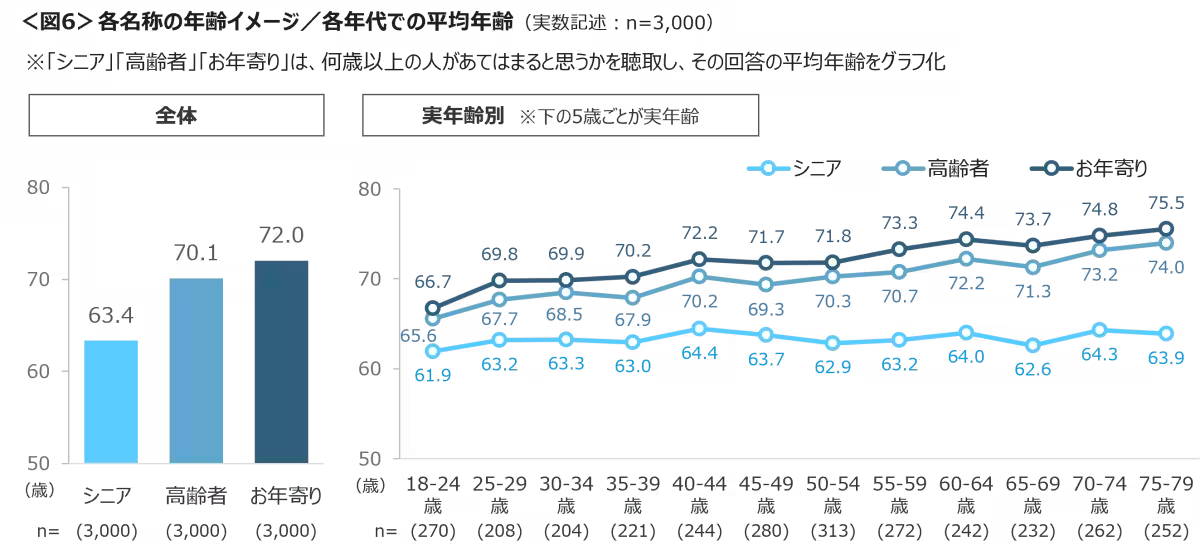
The survey also explored perceptions associated with various age-related terms. On average, people associate “senior” with age 63.4, “elderly” with 70.1, and “old person” with 72.0 years. Notably, perceptions of “senior” did not substantially fluctuate regardless of the respondents’ actual ages, whereas perceptions of “elderly” and “old person” increased significantly as one reaches their late 50s.
Conclusion
These findings highlight a pressing need for enhanced awareness regarding health and wellness across different generations. As stress and fatigue become commonplace, individuals must adapt their lifestyles and seek effective stress management techniques to foster well-being. The insights gathered from this survey can serve as crucial indicators for policymakers, health professionals, and marketers working towards better health outcomes in society.
For further research details and data, the full report is accessible at Cross Marketing.


Topics Health)
【About Using Articles】
You can freely use the title and article content by linking to the page where the article is posted.
※ Images cannot be used.
【About Links】
Links are free to use.