



Impact of Zero Food Consumption Tax on Restaurant Businesses: Insights from Synchro Food Survey
The Influence of the Zero Food Consumption Tax on Restaurants
In January 2026, Synchro Food conducted a survey targeting members of its platform, focusing on the proposed zero food consumption tax discussed during the upcoming elections. The study garnered responses from 306 restaurant owners and operators between January 30 and February 3, 2026.
Awareness Among Restaurants
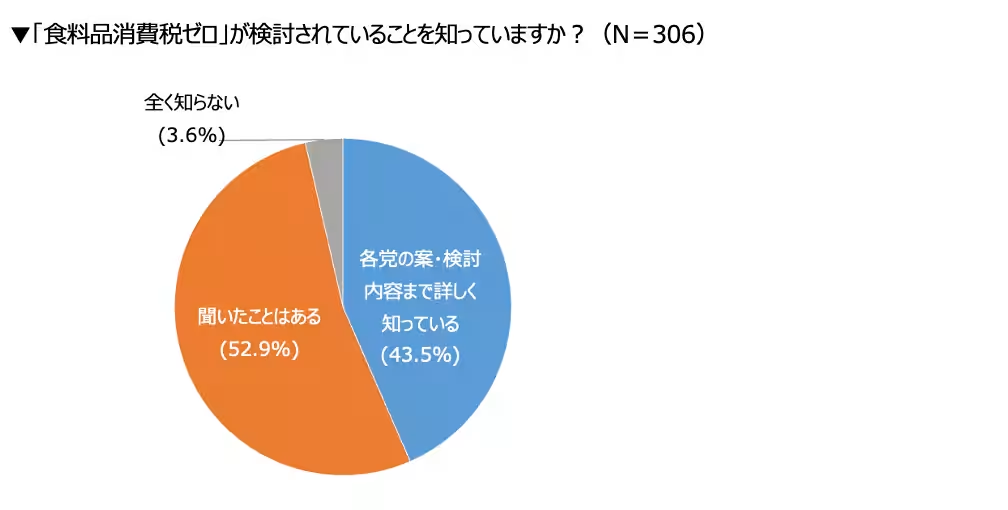
An overwhelming 96% of the surveyed restaurants were aware of the discussions surrounding the zero food consumption tax. Of these, 43.5% confirmed they were familiar with the detailed proposals, while 52.9% had heard about it but lacked comprehensive knowledge.
Divided Opinions on the Policy
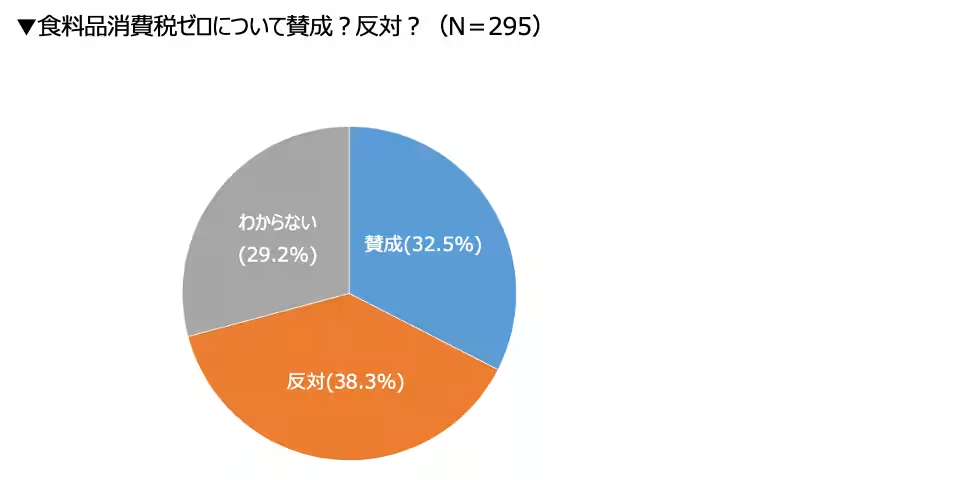
When asked for their stance on the proposed policy, responses were notably split. 32.5% of restaurant owners expressed support, while 38.3% voiced opposition, indicating a slight tendency toward negative sentiment. Additionally, nearly 30% remained uncertain, highlighting a significant portion of the industry contemplating the implications of the policy.
Economic Impact on Restaurant Operations
The survey discovered that approximately 70% of respondents have not concretely outlined how the zero consumption tax could affect their business operations. A mere 29.5% indicated clarity about the potential effects, while the remaining reported vague insights or no consideration at all.
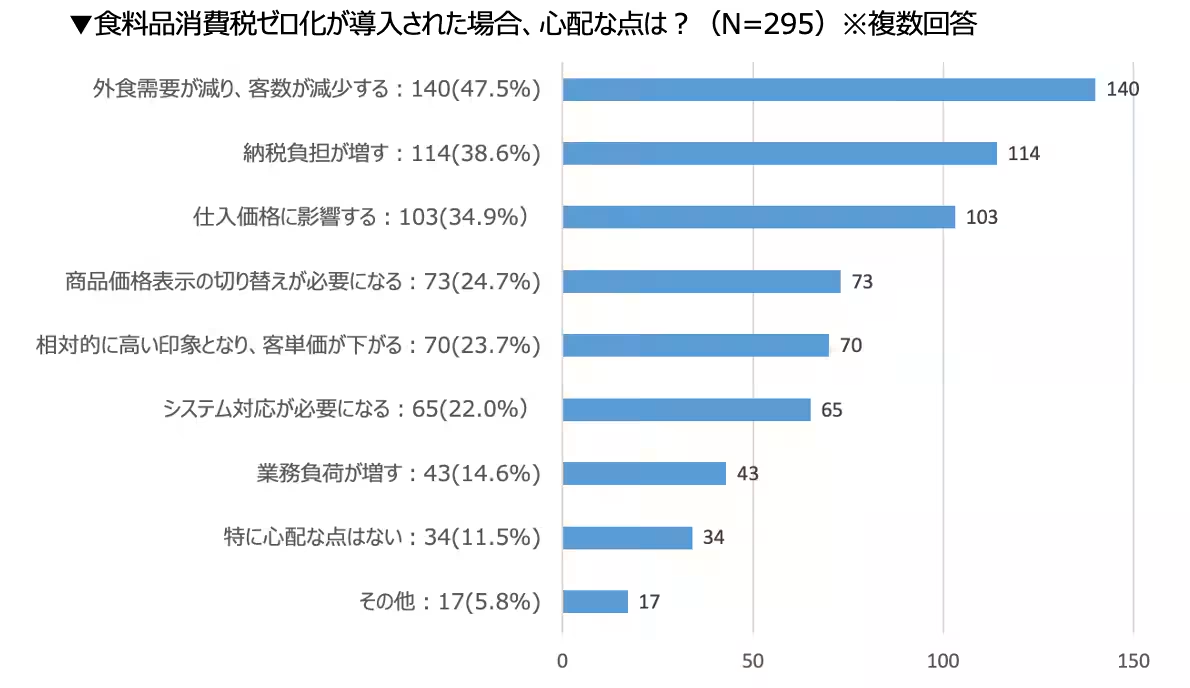
Concerns raised included a potential decline in dining out frequency (47.5%), increased tax burdens (38.6%), and variations in sourcing prices (34.9%). Clearly, apprehensions about the implications of the tax abolition were widespread.
Majority Anticipate Performance Effects
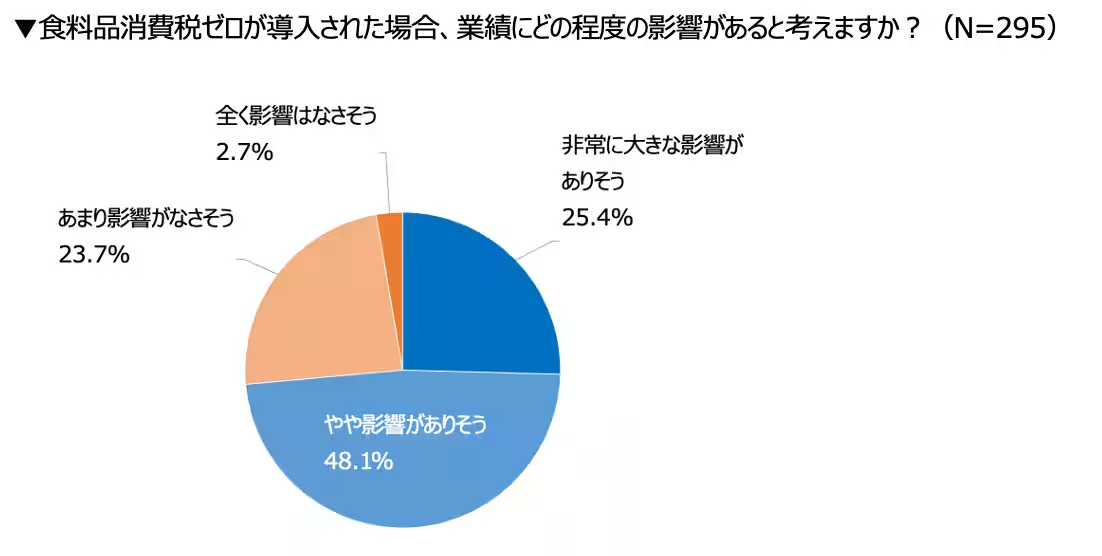
73.5% of the surveyed restaurant owners believe that implementing a zero food consumption tax would significantly impact their business performances; 25.4% identified potential effects as highly significant, while 48.1% anticipated moderate influence.
Reasons for Anticipated Negative Impact
- - Shift in Consumer Behavior: Concerns were raised regarding a shift towards take-out and reduced dining out based on pricing disparities. Restaurant owners worry that if food products are exempt, consumers may shy away from in-restaurant dining due to increased perceptions of cost.
- - Increased Tax Burden: Many pointed out that reducing sales tax on food would lead to an imbalance where they would face higher taxes from suppliers while also losing out on customer spending.
- - Value Pressure and Unforeseen Costs: There were fears of needing to lower prices due to customer expectations, which could lead to financial strain.
- - Administrative Burdens: Questions surfaced regarding the increased complexity in managing tax deductions and operational adjustments.
Optimistic Perspectives
While a significant number voiced concerns, some respondents felt that the influence on their operations would be limited due to their specific business models or customer demographics. For instance, certain establishments believed their clientele was less sensitive to pricing changes.
Preparedness and Strategy
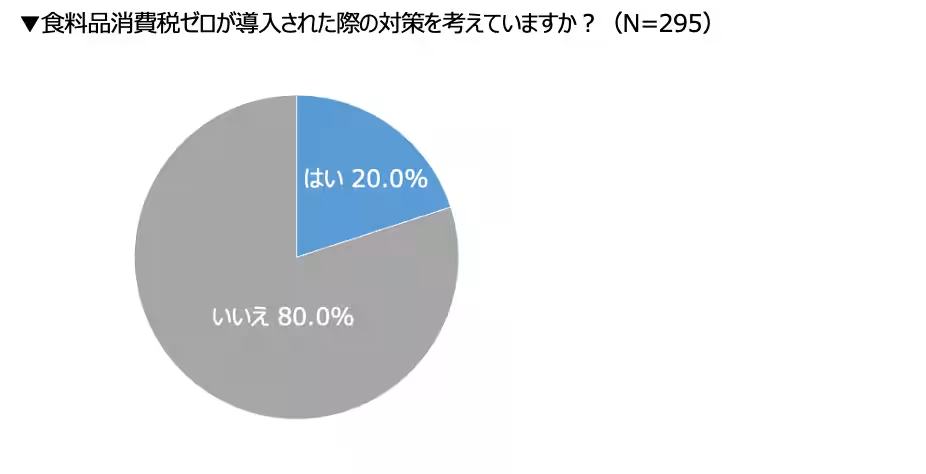
Interestingly, around 80% of respondents indicated they had not contemplated specific strategies in response to the potential changes from the zero consumption tax. However, the remaining 20% who had developed strategies focused on pricing adjustments, enhancing takeout services, or preparing for fiscal changes through system updates and resource allocations.
While many owners expressed the need for tactical responses, apprehensions about the vagueness of the policy details left numerous operators in a wait-and-see attitude. The forthcoming discussions post-elections about the plan's implementation could shape the restaurants’ long-term adaptability and business strategies moving forward.
As the debate over this taxation policy unfolds, it stands as a pivotal moment for restaurants in Japan, requiring careful navigation to ensure their sustainability and growth in an ever-evolving economic landscape.
Call to Action for Future Research
As dining establishments face transformative potential policy shifts, ongoing and comprehensive insights will be essential. Continued exploration into restaurant dynamics and economic assessments will further illuminate how adaptations can promote resilience in the food service sector.

Topics Consumer Products & Retail)


【About Using Articles】
You can freely use the title and article content by linking to the page where the article is posted.
※ Images cannot be used.
【About Links】
Links are free to use.