


Designing Organizations to Nurture Young Talent: Fresh Insights on Recruitment and Development
Crafting the Future: Nurturing Young Talent in Organizations
As we navigate through an age characterized by a significant shortage of skilled professionals, organizations face pressing challenges surrounding the recruitment and retention of young talent. Today, companies grapple with an alarming statistic: approximately 30% of new graduates leave their jobs within three years. This leaves businesses in a predicament where not only attracting but also fostering young employees is critical for long-term success.
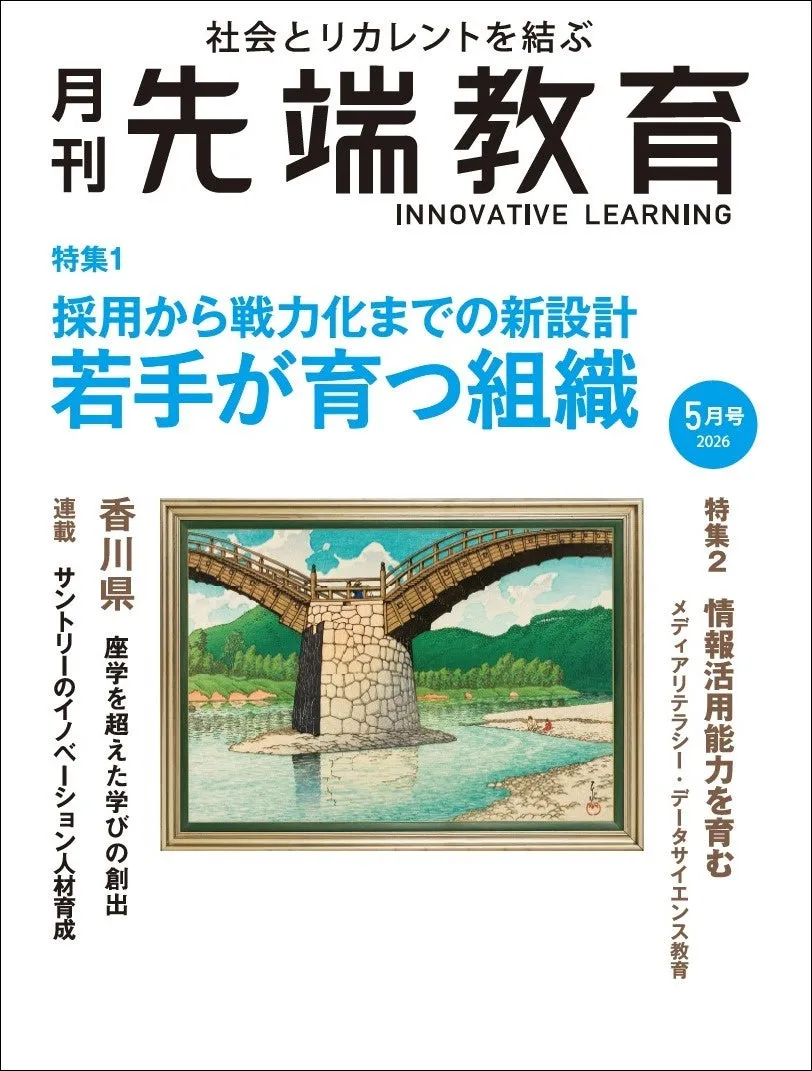
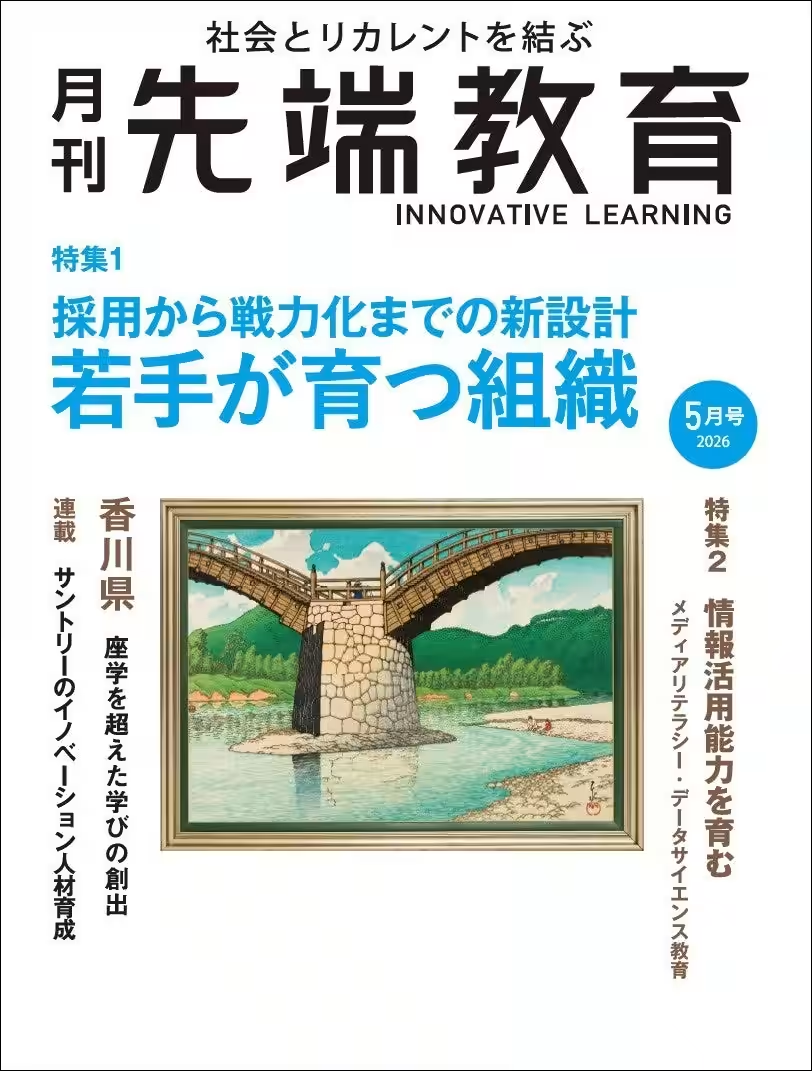
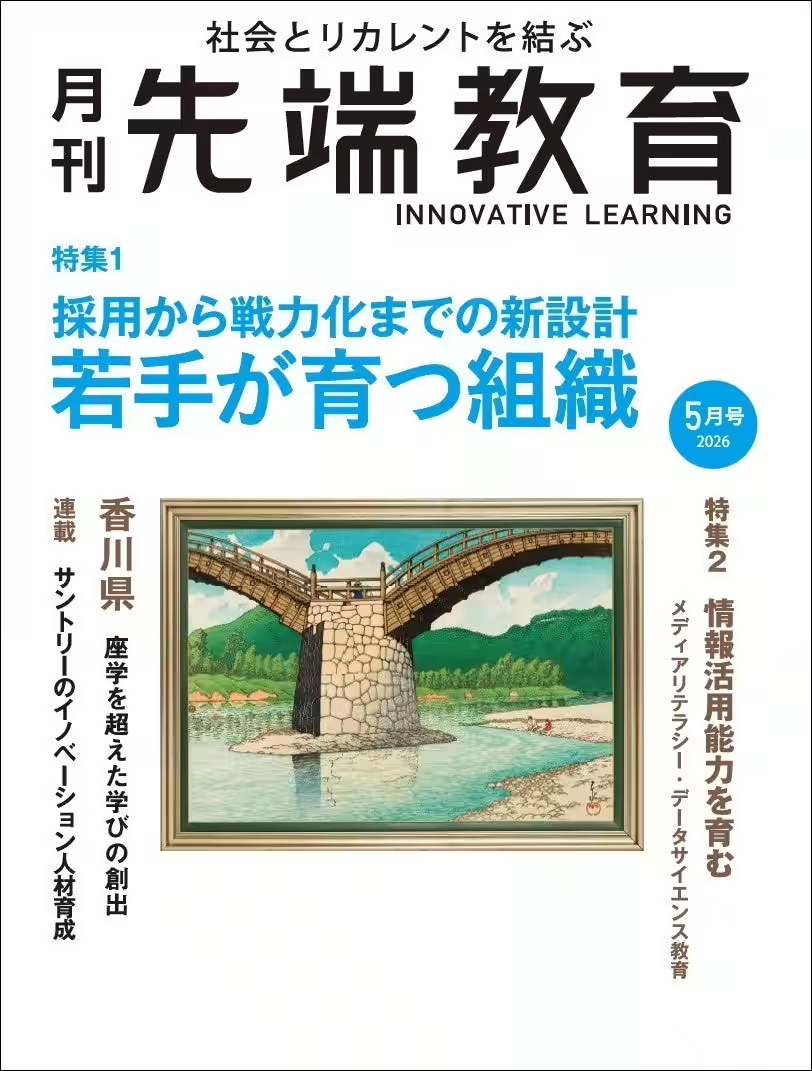
The May 2026 issue of Monthly Education offers in-depth insights into this challenge, proposing innovative designs for organizations that aim to grow and retain young talent effectively. Through expert interviews and exemplary case studies, the issue emphasizes how companies can create environments conducive to career growth and job satisfaction.
The New Recruitment Paradigm
In an interview with Toshimitsu Sowa, President of the Human Resource Research Institute, he highlights a transformative shift in recruitment philosophies. He states, "Changing the narrative around how companies assess academic performance is paramount. When businesses begin to value academic achievements, it shifts students’ focus from extracurricular activities to academics, fostering a growth-oriented mindset after their recruitment. This transformation could significantly enhance Japan's overall intellectual productivity."
This notion underscores the imperative for organizations to develop new evaluation metrics that align more closely with potential candidates' educational backgrounds and achievements. By fostering an environment that values academic accomplishments, organizations can encourage a more intellectually-driven workforce that is prepared to meet the evolving demands of the workplace.
Building Supportive Environments
Ryo Ikegami from Mitsui Sumitomo Insurance Company’s HR team discusses the importance of creating safe, supportive spaces for new hires. He notes, "Our HR department used to oversee recruitment globally, but now we are shifting towards a model where current employees in specific regions lead recruitment efforts. It's vital for candidates to understand what working in that locale entails and how their colleagues nurture an engaging and meaningful work experience."
This shift in perspective emphasizes the significance of peer involvement in recruitment, enhancing relatability and authenticity in the hiring process. By allowing current employees to partake in recruitment, businesses bridge the gap between potential hires and the organizational culture, ultimately giving a more realistic picture of the employment experience.
Incorporating Technology
Professor Tomonori Sekiguchi of Kyoto University’s Graduate School of Management discusses the role of AI in organizational management. He addresses the balance required to reconcile contradictory elements within the workforce, asserting that advanced technologies must complement human attributes to drive effective outcomes. AI systems can provide robust data analytics while simultaneously assisting in cultivating essential soft skills among employees.
Furthermore, Hirotoshi Saito, a professor at the Institute of Industrial Management, discusses the benefits of ‘job crafting’ as a means of enhancing employees’ enthusiasm for their work. This practice encourages workers to shape and redefine their roles, fostering a sense of ownership and satisfaction.
Collaboration Over Confrontation
Masayoshi Kuwabara from Recruit Management Solutions advocates for a collaborative approach between senior staff and younger team members, suggesting that rather than fostering conflict, organizations should promote partnerships based on mutual strengths. By aligning efforts to channel personal talents into team objectives, organizations can cultivate a more harmonious and productive work environment.
Understanding Younger Generations
Lastly, Shohei Funatsu from the University of Tokyo highlights the dangers of perpetuating stereotypes about younger generations. Misconceptions can lead to significant disconnects between expectations and reality, ultimately harming organizational culture and employee morale. Recognizing unique generational traits and addressing their concerns can bridge the gap and cultivate stronger relationships within the workforce.
In conclusion, the May 2026 issue of Monthly Education presents a thoughtful analysis of how organizations can design their environments for the betterment of young talent. Through innovative recruitment practices, supportive workplaces, and the integration of technology, companies are well-positioned to meet the evolving landscape of employment and enhance their overall productivity. With a focus on these transformative strategies, the future looks promising for businesses willing to adapt and grow alongside their talent.






Topics People & Culture)


【About Using Articles】
You can freely use the title and article content by linking to the page where the article is posted.
※ Images cannot be used.
【About Links】
Links are free to use.