



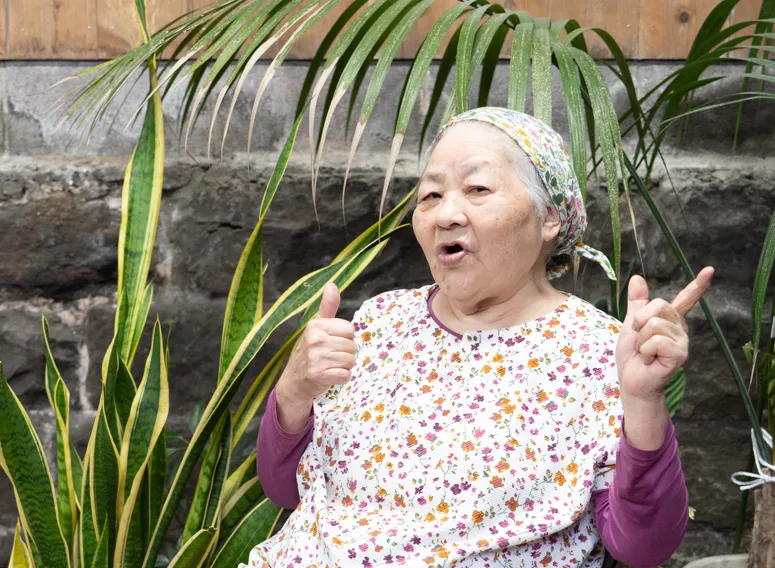
Eikoba's First Book Reveals the Fascinating Lives of Cats on Hachijo Island
Eikoba's Fascinating Journey into Hachijo Island's Cat Lore
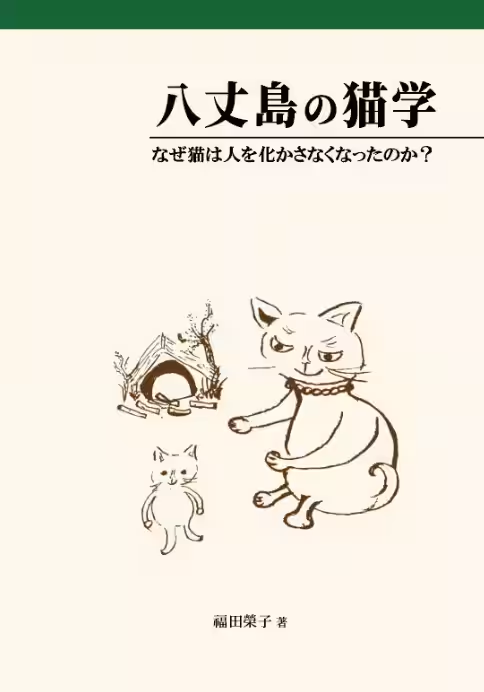
Eikoba, a beloved figure on Hachijo Island, has recently launched her first book titled Hachijo Island's Cat Studies: Why Cats No Longer Trick Humans? In this intriguing field guide, she documents the rich folklore and traditions surrounding cats that have developed over time on this unique island, which is part of Tokyo's Izu Islands, approximately 290 km south of Tokyo.
Born in April 1939, Eikoba has dedicated over 60 years to running the popular minpaku (guesthouse) called Garden Inn in Nakano-go, Hachijo Town. She has welcomed more than 100,000 guests over the decades and has earned a reputation for her energetic storytelling and delicious island sushi made with fresh local seafood. In recent years, her attention has shifted toward exploring the enigmatic nature of cats, leading her to investigate local anecdotes about cats and their interactions with humans.
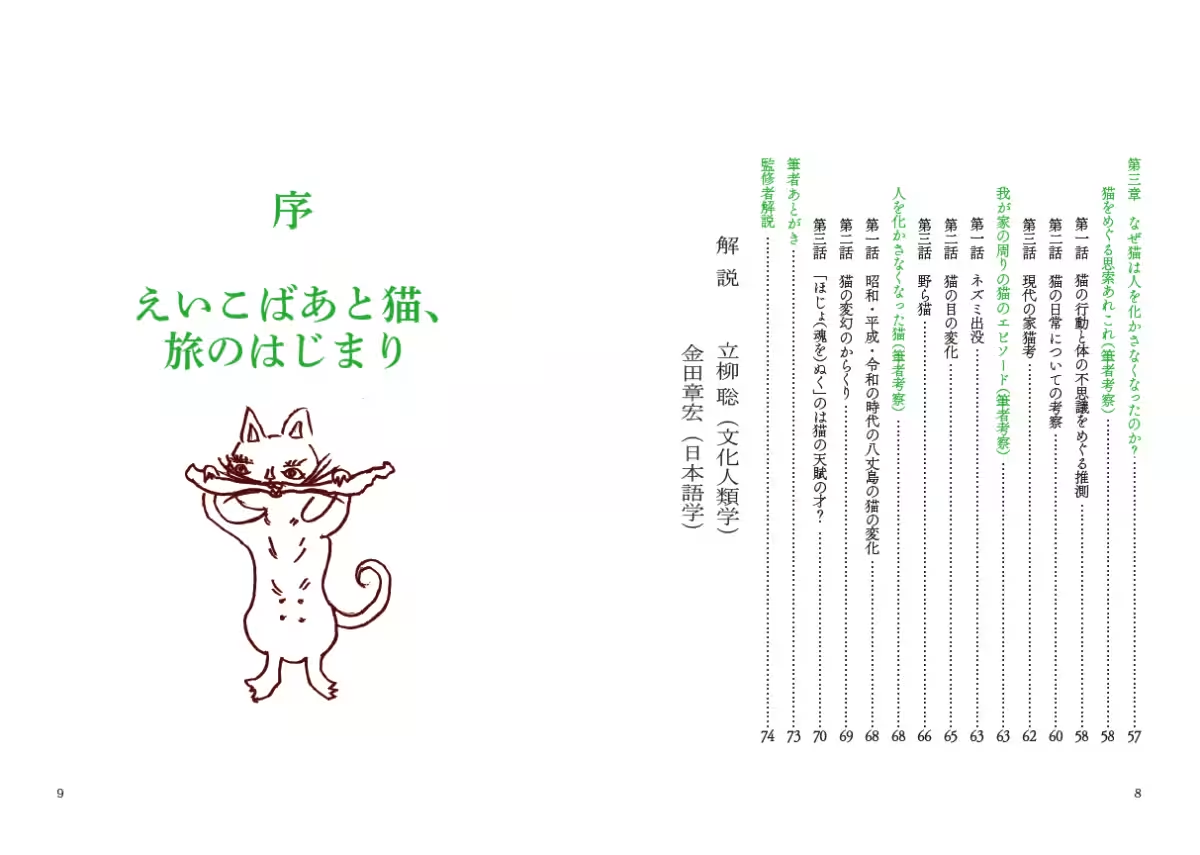
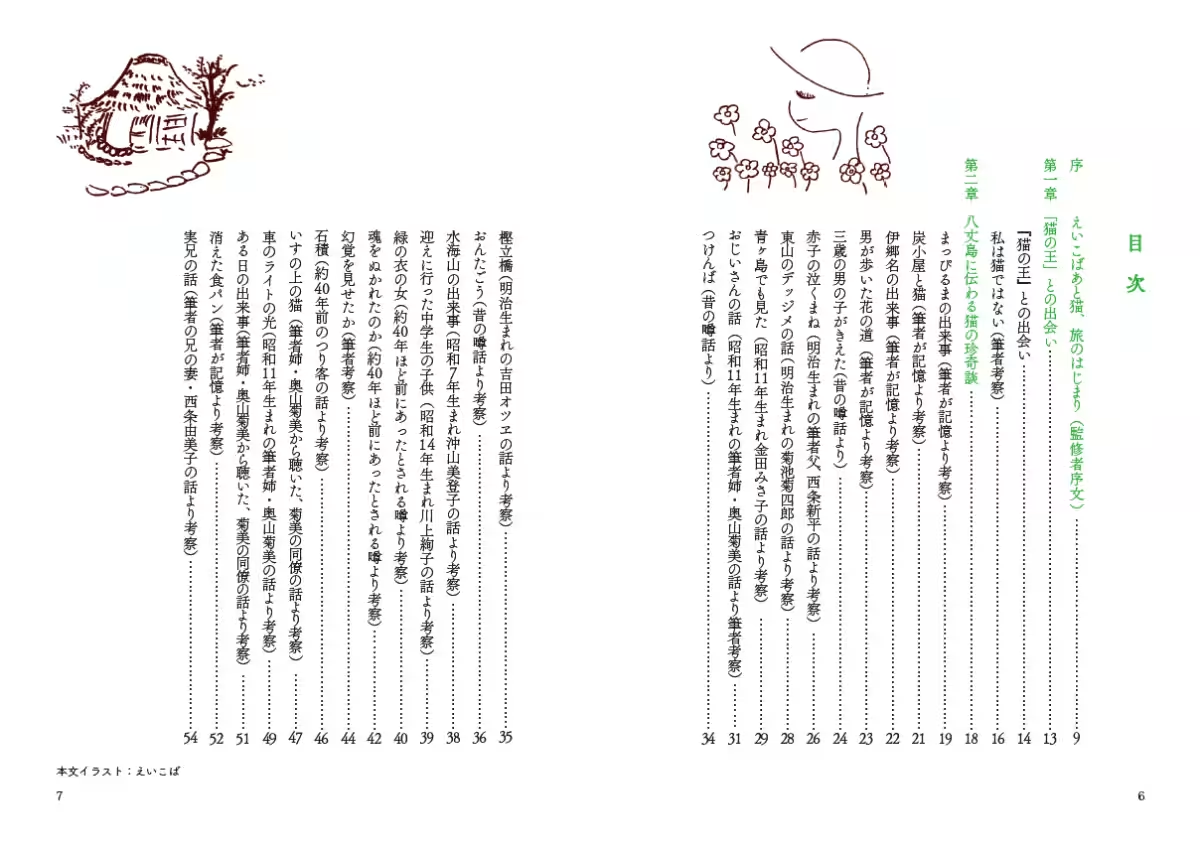
In her book, Eikoba weaves together her original commentary with firsthand accounts gathered from residents of Hachijo Island. It features 24 detailed tales centered on the theme of cats tricking or deceiving people, drawn from the collective memory of the island community. This work is not merely a travel guide or a local history; it serves as a lens through which to view the culture, folklore, and daily life of Hachijo Island through the symbolic presence of cats.
Cat Lore in Hachijo
The book systematically records cat-related folklore for the first time, presenting a collection of stories that have been passed down through generations. Eikoba was inspired to conduct her research after encountering references to Hachijo Island's cat folklore in the book The Cat King: Why Do Cats Disappear? Recognizing that she had heard many cat-related tales throughout her life, she embarked on a two-year journey of interviews and investigations.
Through Eikoba's unique perspective, readers gain insight into the cats' multifaceted roles, which historically included protection against pests in silk farming and as friendly figures for island visitors today. The text captures the changes in human-cat relationships over time, shedding light on how these dynamics interact with the community's livelihood and cultural identity.
Illustrated Insights
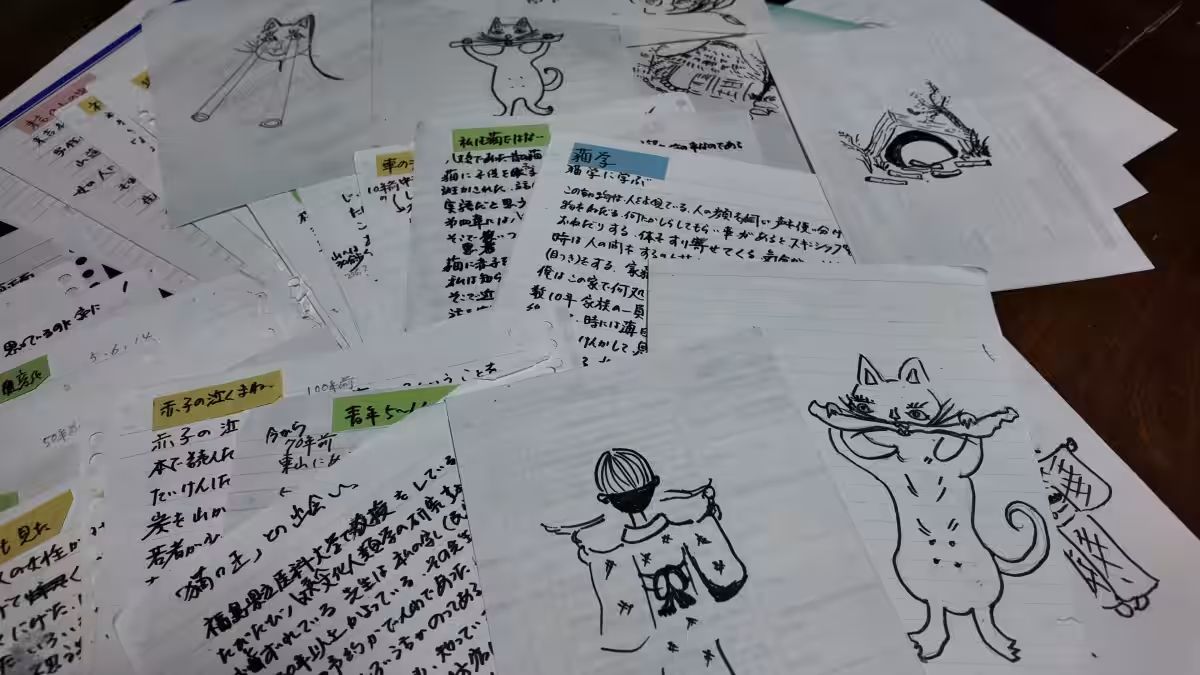
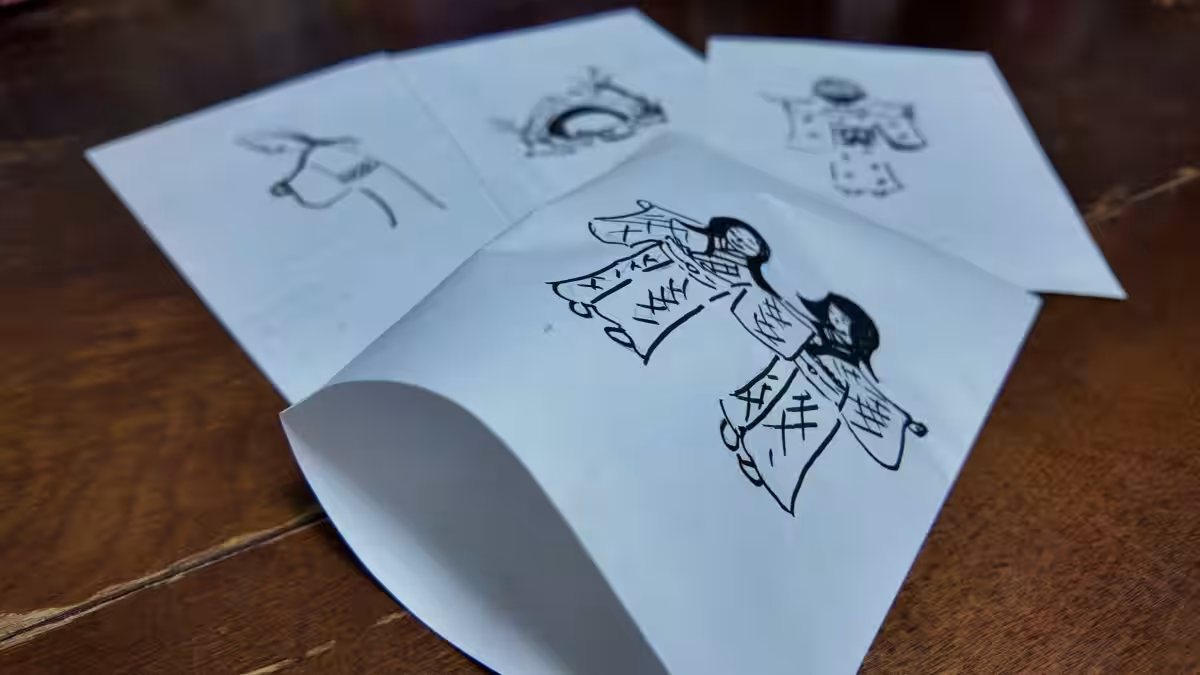
Each story within the book is accompanied by Eikoba's charming illustrations, depicting both the cats and the landscape of Hachijo Island. Moreover, the contributions from anthropologist Satoshi Tachiyanagi provide academic context, bridging Eikoba's narratives with cultural anthropology, while linguist Akihiro Kaneda offers Japanese translations and commentary on the endangered Hachijo dialect featured in the originals.
Engaging with the Community
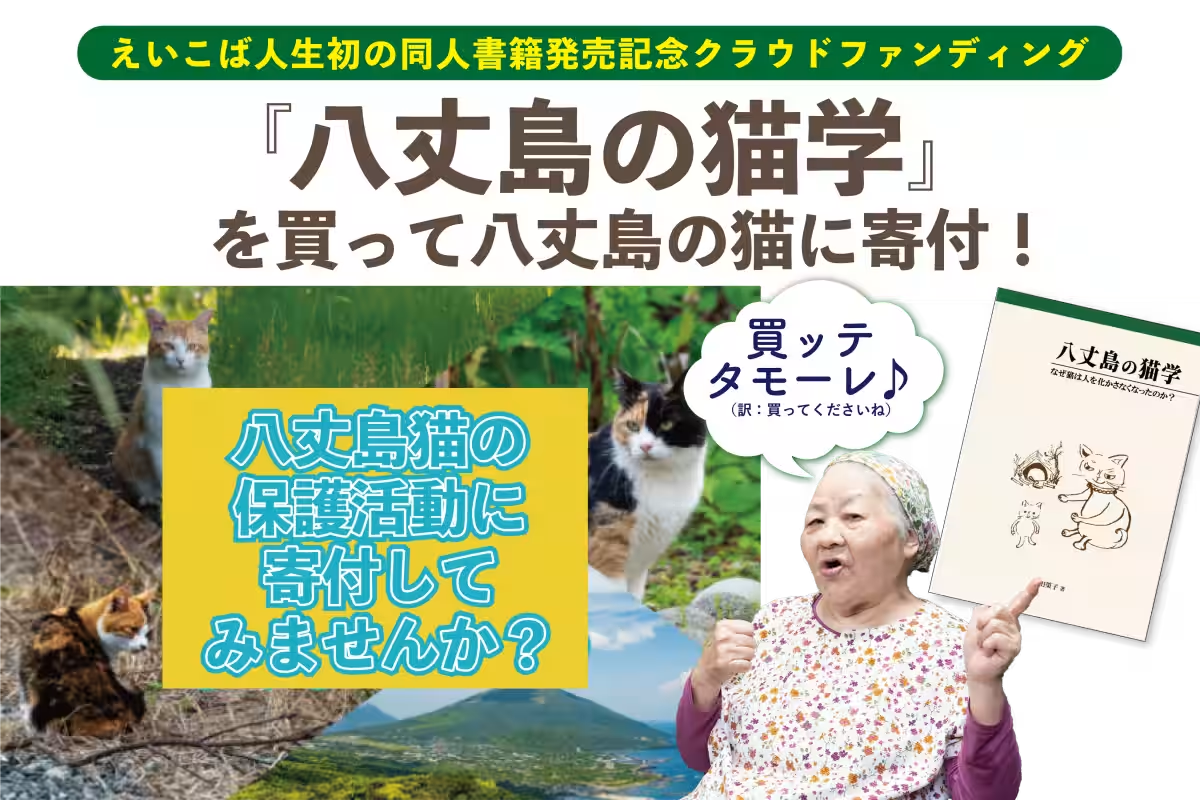
Eikoba's journey does not merely end with the publication of her book. In a bid to give back to the feline companions that have inspired her project, she has initiated a crowdfunding campaign. A portion of the funds raised will be donated to local cat protection organizations on Hachijo Island to support their ongoing efforts. This initiative reflects her deep love and respect for the island's community and its beloved cats.
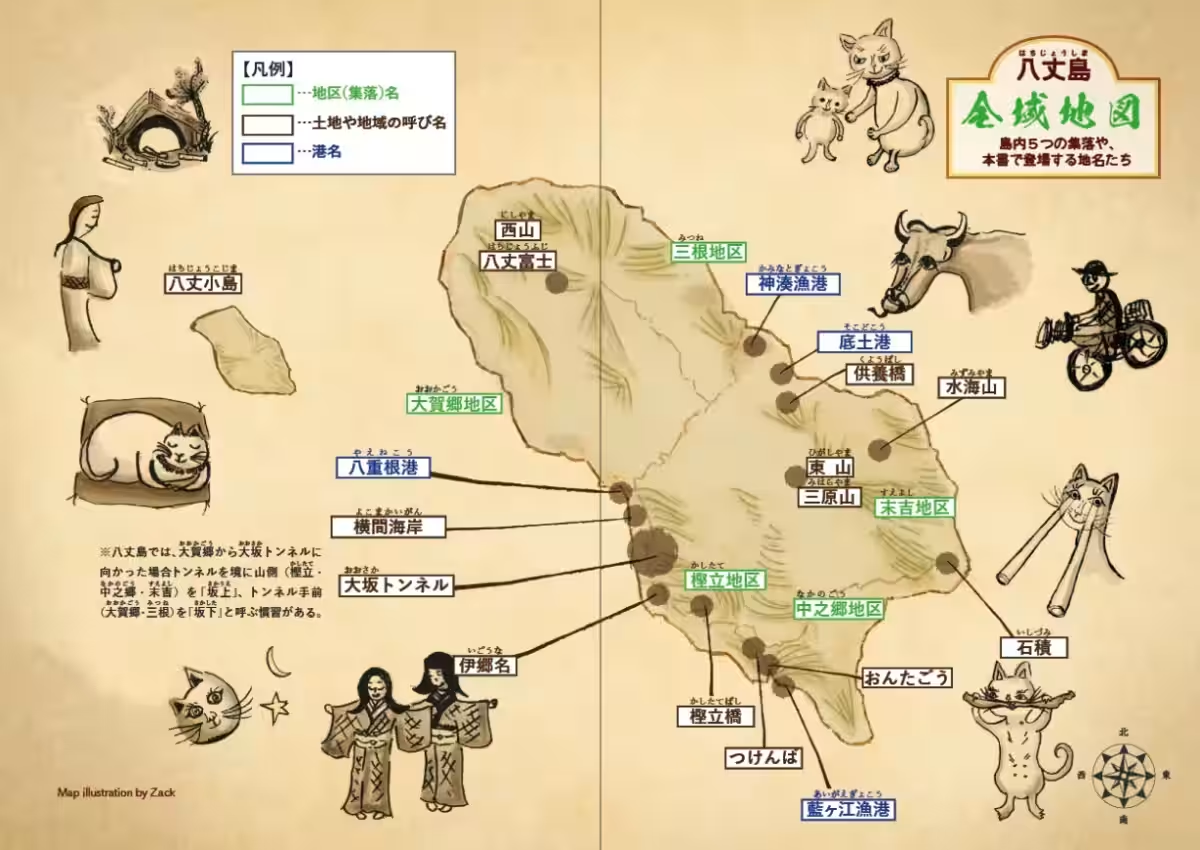
Readers unfamiliar with Hachijo Island's charm will find the book accessible, as it includes a full-color map and helpful visuals to enhance understanding of the stories and locations referenced.
In conclusion, Hachijo Island's Cat Studies is an essential read for cat lovers and those intrigued by the cultural tales of rural Japan. Eikoba's exciting debut invites you to explore the intersection of folklore and everyday life on Hachijo Island while celebrating the magical allure of cats.









Topics Entertainment & Media)



【About Using Articles】
You can freely use the title and article content by linking to the page where the article is posted.
※ Images cannot be used.
【About Links】
Links are free to use.