



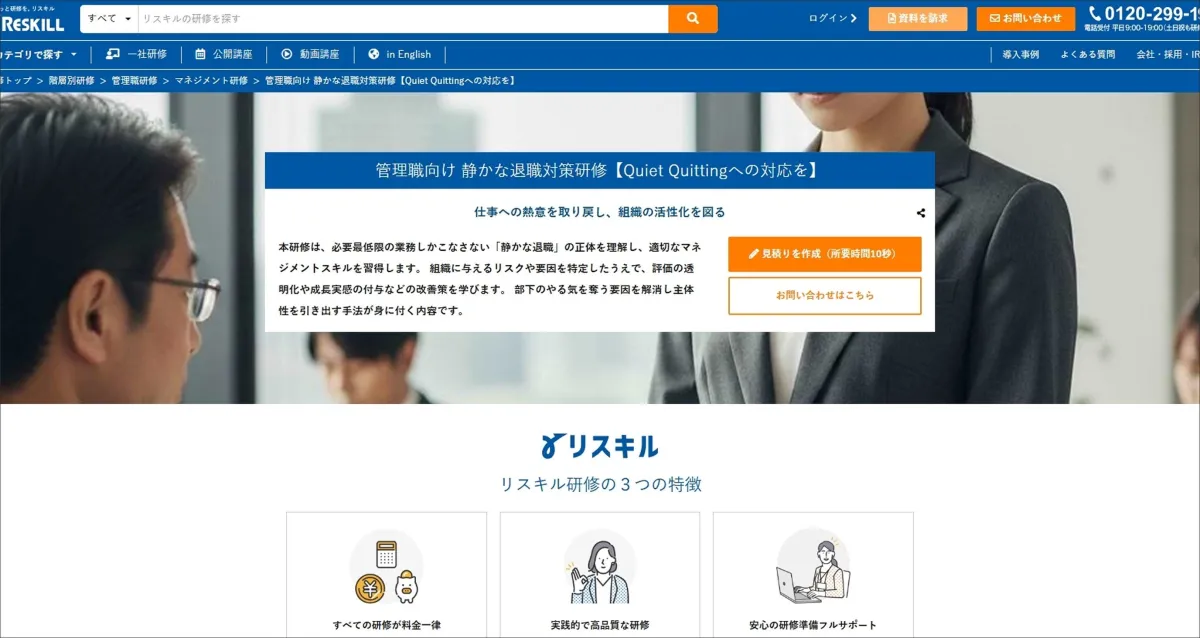
New Training Program for Managers to Address Quiet Quitting Risks in Organizations
Addressing Organizational Risks of Quiet Quitting
In the contemporary workplace, a phenomenon known as 'quiet quitting' is gaining prominence. Employees may not leave their jobs outright, but they perform only the bare minimum, resulting in a significant risk to corporate productivity and workplace dynamics. Recognizing and addressing this issue has become a pressing need for organizations.
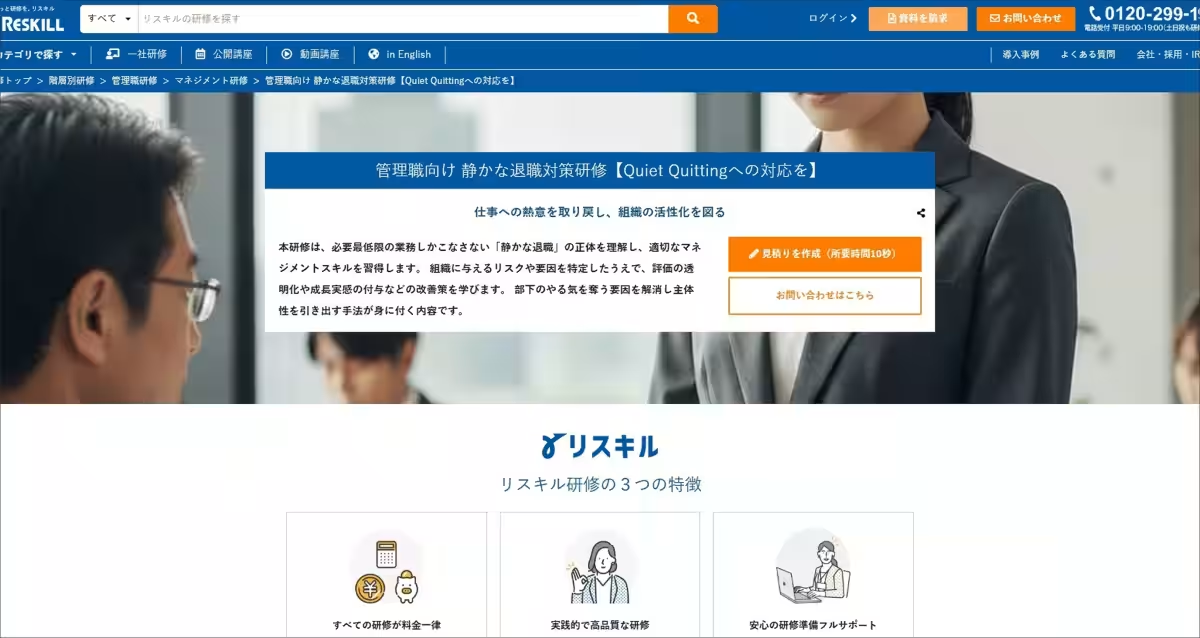
RISKIRU, a company specializing in employee training, has introduced a new educational program aimed at enhancing management skills to combat the repercussions of quiet quitting. This training is specifically designed for managers who seek to understand and address the underlying factors contributing to this disengagement among their team members.
The Urgency of the Issue
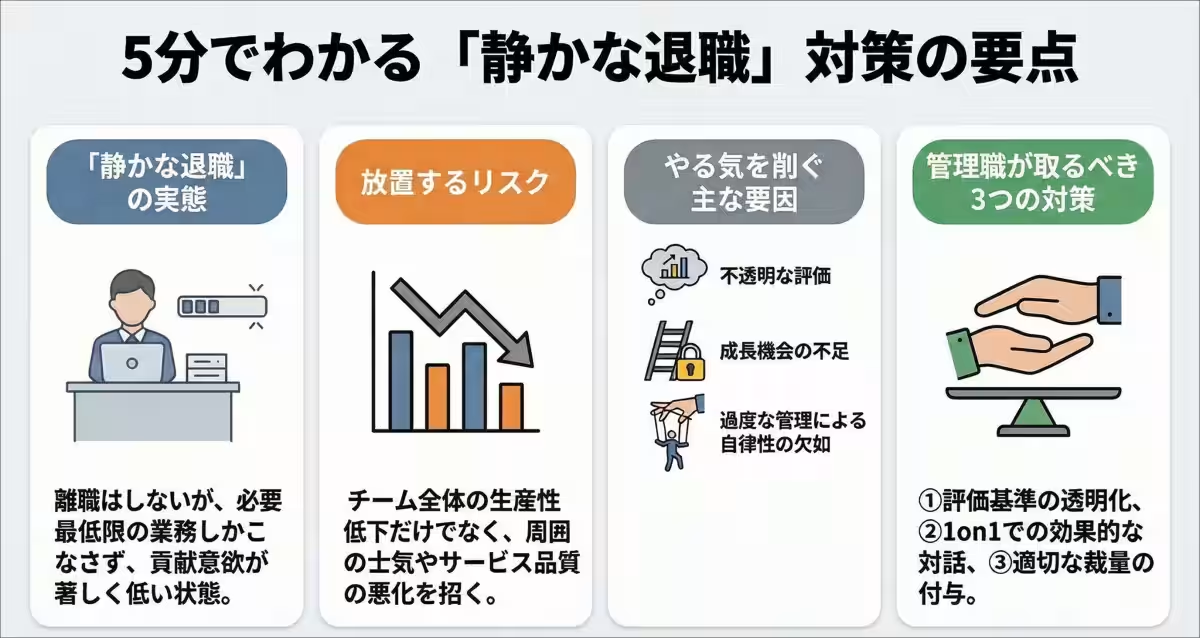
Quiet quitting is not merely an individual issue; it affects teams and organizations as a whole. When employees disengage from their roles, it can lead to a decline in overall productivity, a negative work environment, and even diminished customer satisfaction. Managers must play a proactive role in identifying the signs of disengagement and implementing measures to mitigate the risks associated.
Understanding Management's Role
Several factors contribute to employees feeling demotivated, including lack of clear evaluation criteria, insufficient opportunities for growth, and excessive oversight that undermines autonomy. It is crucial for managers to reflect on their management style objectively and understand how it may influence their employees' motivation levels. Through effective communication, managers can build psychological safety and nurture a sense of autonomy in their teams.
Overview of the Training Program
This training program focuses on equipping managers with the skills required to recognize and address the challenges posed by quiet quitting. Participants will learn about the root causes of this phenomenon and how to implement concrete management techniques aimed at revitalizing organizational engagement.
Key Features of the Training
1. Accurate Risk Recognition: Understand the essence of quiet quitting and recognize its potential impact on productivity, workplace atmosphere, and service quality. This awareness underscores the need for effective countermeasures.
2. Objective Reflection on Management Style: This module encourages managers to assess whether their evaluation methods or communication might be hindering employee motivation. By identifying areas for improvement, managers can connect with their teams more effectively.
3. Practical Skill Development: Participants will master goal-setting and feedback techniques crucial for team engagement. Through effective questioning in one-on-one interactions, managers can draw out a sense of growth and autonomy in their subordinates.
Training Curriculum Highlights
The curriculum addresses:
- - Understanding the essence of quiet quitting: definitions and behavior patterns.
- - Impacts on organizations, including productivity, workplace ambiance, and service quality.
- - The management factors leading to quiet quitting, including evaluation-related issues and a lack of growth opportunities.
- - Managerial strategies to prevent quiet quitting, such as transparency in evaluation processes, clarity in setting growth goals, and expanding employees' autonomy through delegated responsibilities and targeted questioning.
About RISKIRU
RISKIRU is dedicated to offering a diverse range of training programs, including those specifically designed for management personnel. The company is known for its transparent pricing model, allowing businesses to seamlessly conduct high-quality training sessions with comprehensive support in place. This commitment to fostering a robust training environment is essential for organizations striving to elevate employee engagement and performance.
By implementing this training program, RISKIRU aims to empower managers with the tools needed to tackle the risks associated with quiet quitting, ultimately fostering a more dynamic and engaged workplace environment.
Topics Business Technology)
【About Using Articles】
You can freely use the title and article content by linking to the page where the article is posted.
※ Images cannot be used.
【About Links】
Links are free to use.