



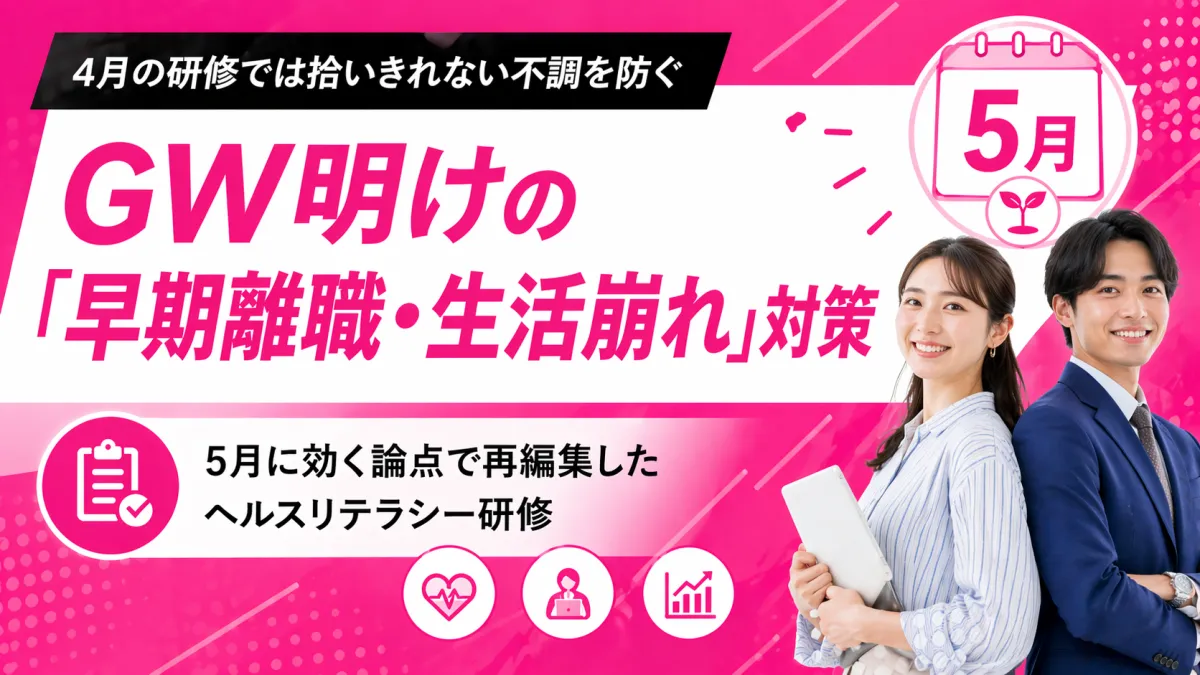
Addressing New Employee Wellbeing: Health Literacy Program Revamped for May Impact
Addressing the Post-Golden Week Dip in New Employees
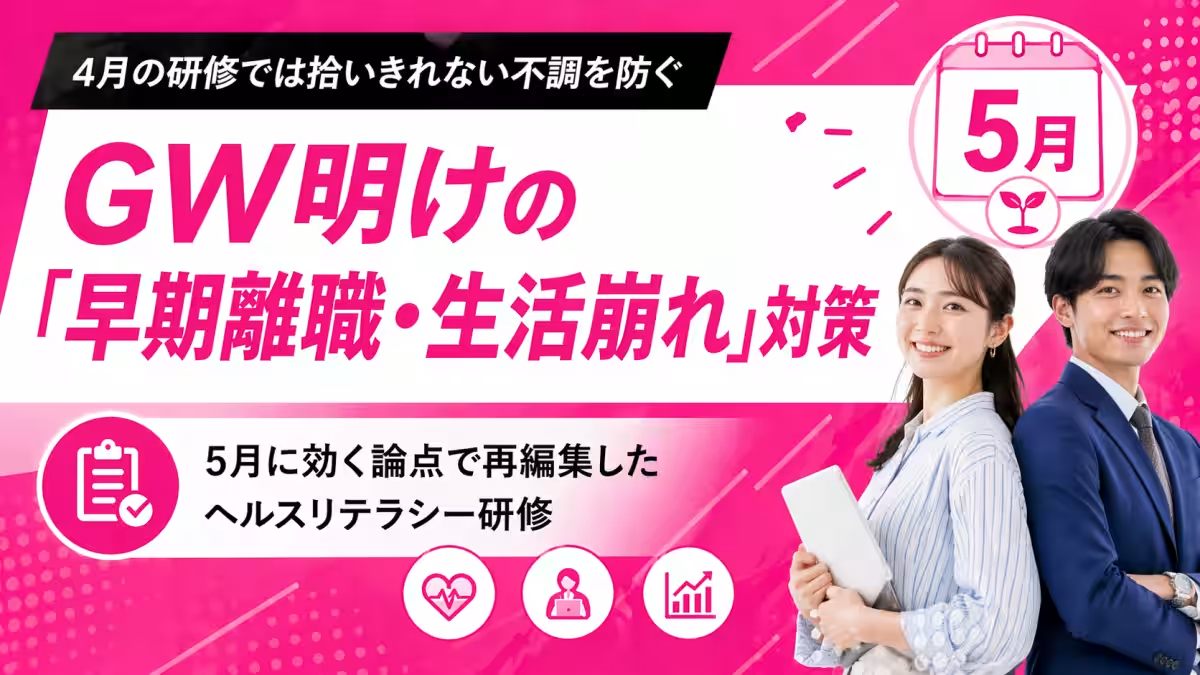
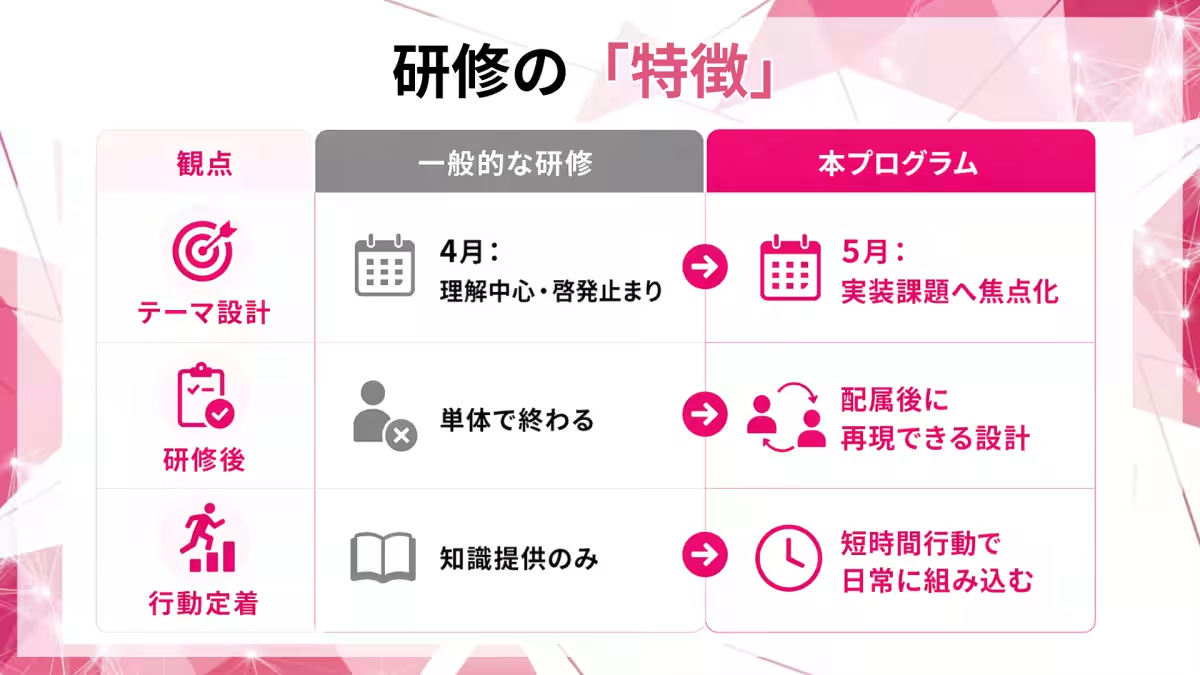
Fractal Workout Inc. is taking a proactive approach to enhancing the health literacy of new employees with a revamped training program specifically designed for May. Unlike traditional training themes centered around April’s rules and regulations, this updated curriculum addresses the unique challenges that arise immediately after the Golden Week holiday.
The Importance of Timing in New Employee Training
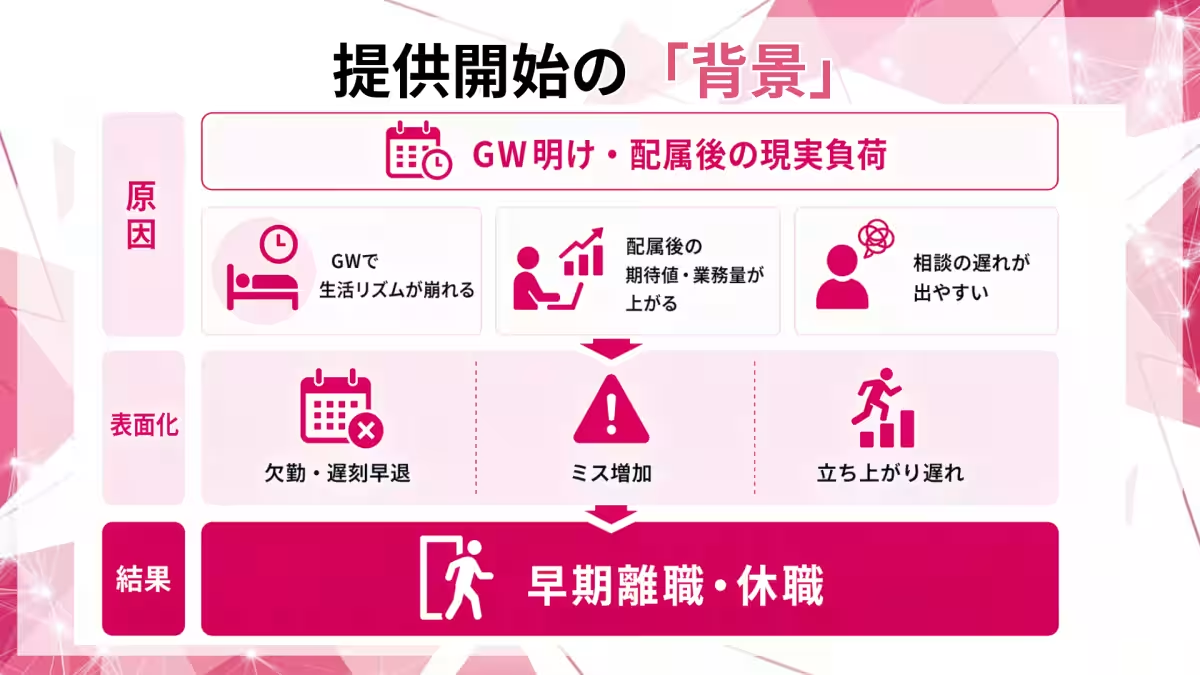
In April, training sessions largely consist of explaining company policies and workplace etiquette, often leaving health behavior advocacy as an afterthought. However, by May, realities such as workload increase, erratic daily routines due to holiday disruptions, and the pressure from supervisors can lead to fatigue, anxiety, and ultimately decreased productivity.
With these complications in mind, identifying specific actions to regain control and knowing the proper channels for seeking support become crucial for new hires. If left unaddressed, these issues could lead to chronic job inertia, early resignations, or sick leave.
Revising the Training Program
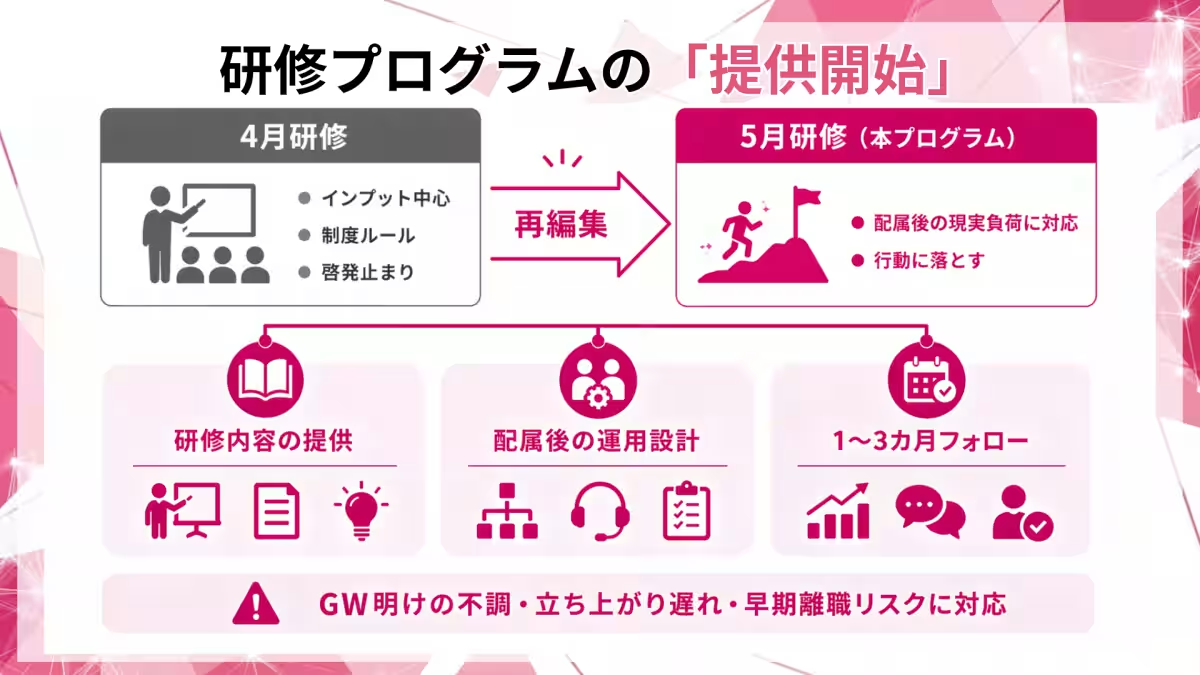
This new training initiative, tailored to the immediate needs of May, encompasses not only the training sessions themselves but also follows through with support mechanisms for new employees during their adaptation period. We emphasize a comprehensive infrastructure that includes consultation pathways, supervisor engagement, and follow-up support over the first three months.
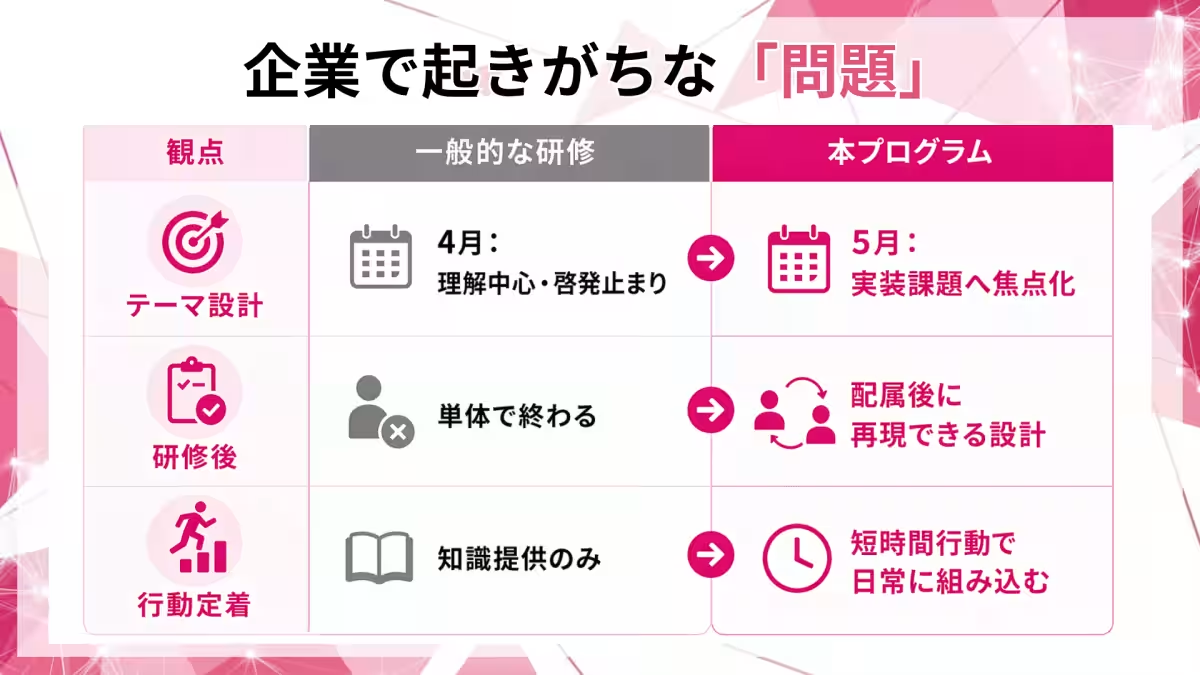
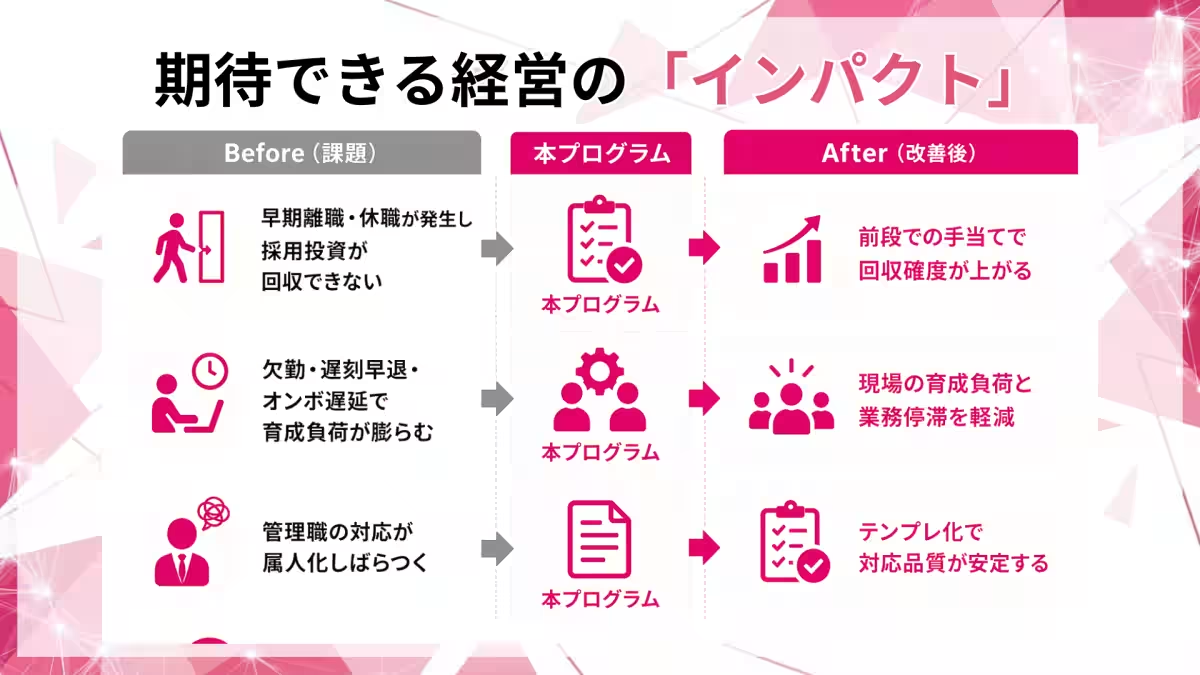
Common Challenges Faced by Companies
1. Understanding the training in April does not guarantee its application in practical scenarios post-deployment.
2. New hires may experience early warning signs of distress but lack clarity on how to seek help effectively.
3. Supervisors frequently face ambiguity in what to observe, how to listen for concerns, and where to direct the employees, creating a reliance on personal judgment.
These factors contribute to increased absenteeism, delays in onboarding processes, and variances in initial evaluations, ultimately increasing the time invested in employee development.
Training Modules Tailored for May
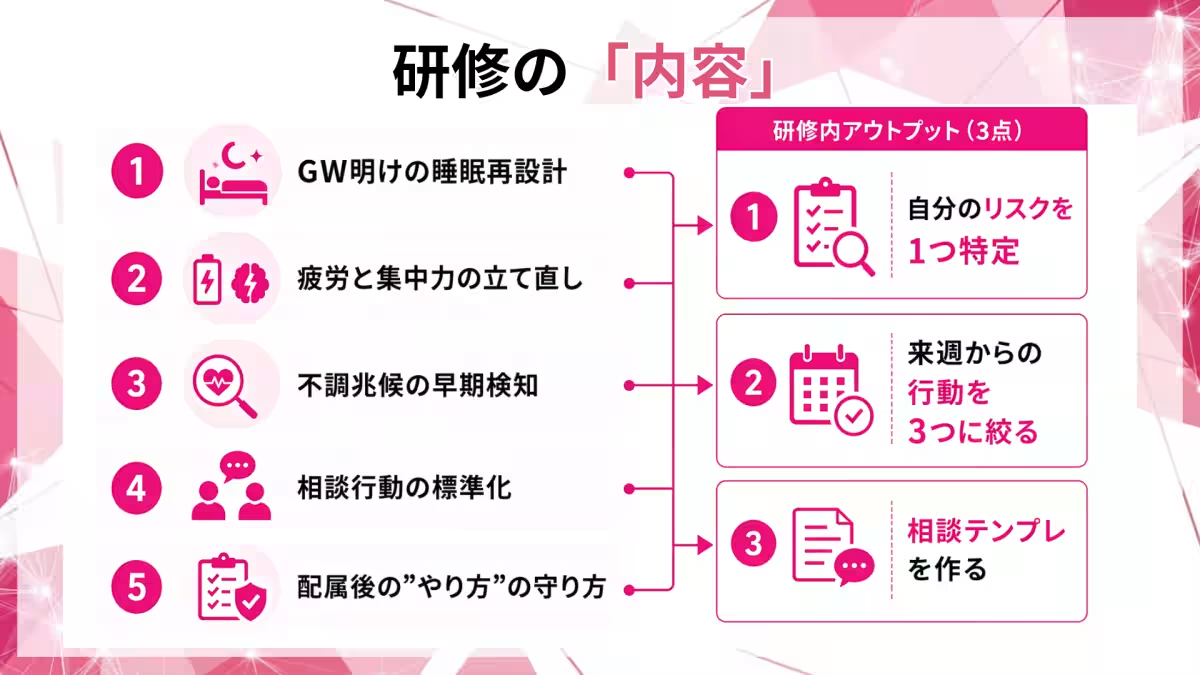
Our newly revised training program will cover the following essential topics:
- - Redesigning Sleep Patterns: Establishing fixed wake-up times, planning recovery days, and managing sleep deficiency.
- - Combatting Fatigue and Enhancing Concentration: Optimizing meal timing, understanding caffeine effects, and implementing short recovery activities.
- - Early Detection of Distress Signs: Teaching participants how to articulate their challenges and establish criteria for proactive intervention.
- - Standardizing Communication for Help: Simplifying the process of who to approach, what to discuss, and the communication strategies to lower psychological barriers.
- - Maintaining Routines Post-Placement: Developing minimal self-management routines that are resilient even during busy periods.
Expected Outcomes from the Training
Participants will:
- - Identify one personal risk scenario that may lead to difficulties.
- - Narrow down actionable steps into three manageable changes to implement next week.
- - Create a consultation template to assist in conversations with supervisors or HR representatives.
Unique Aspects of the Program
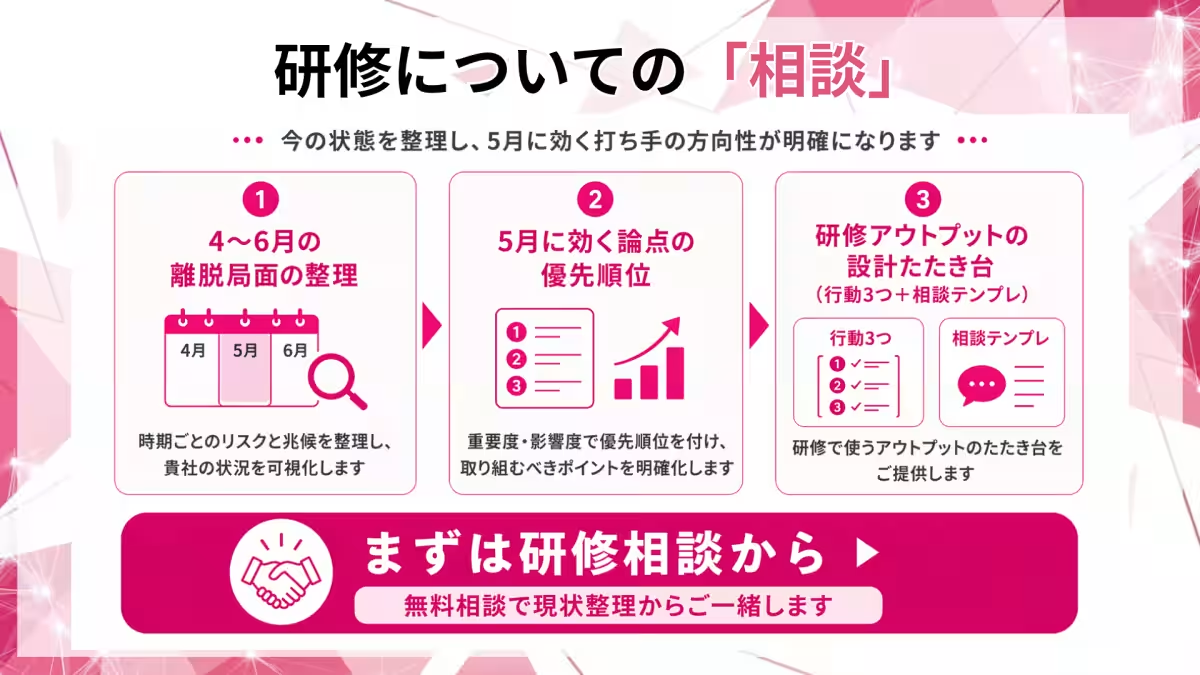
What distinguishes this program from past training offerings is its strategic timing and focus shift from theoretical understanding to practical application. By placing emphasis on May’s realistic challenges such as sleep management and effective consultation behaviors, we aim to create actionable insights that new hires can implement immediately.
Not only does this training ensure retention of knowledge, but it also facilitates a smoother transition into their roles by fostering effective communication and problem-solving practices among team members and supervisors alike.
Impact on Business Operations
Investing in these early interventions can reduce turnover rates and absenteeism, thus protecting the return on recruitment investments. Establishing standardized supervisory responses can greatly diminish inconsistency in support, enhancing overall workplace morale and productivity.
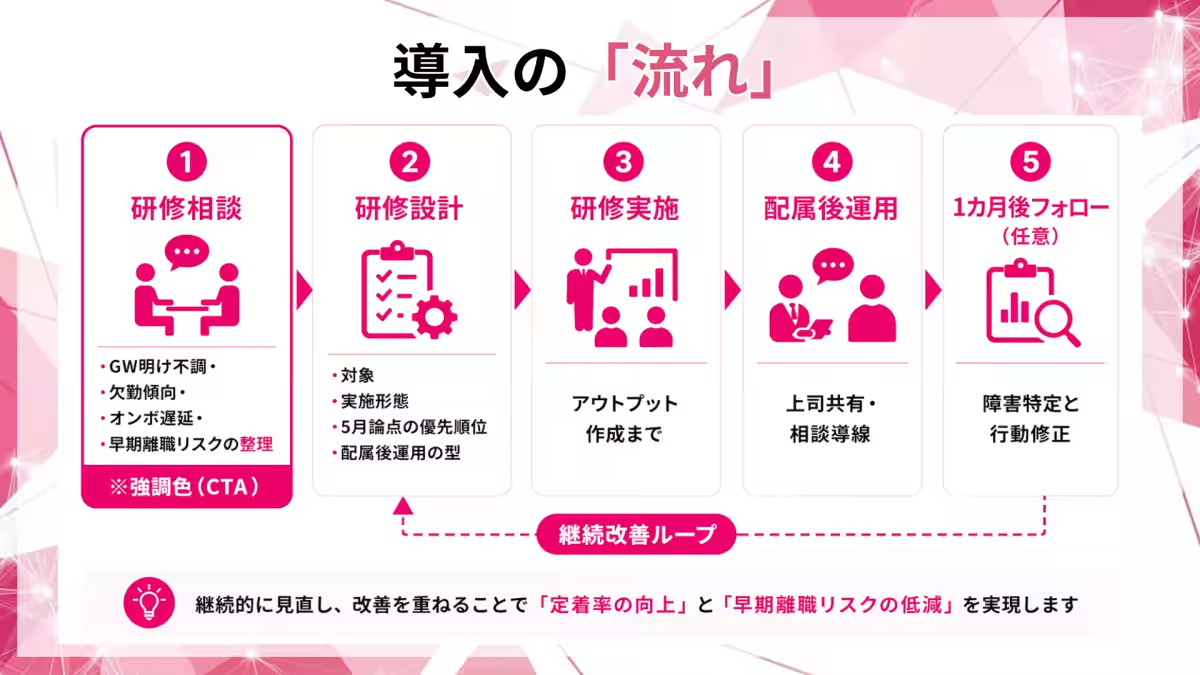
Implementation Process
1. Initial Consultation: Identifying current issues related to post-holiday performance dips and early departure risks.
2. Training Design: Tailoring the training content, format, and key focus areas prioritized for May.
3. Training Execution: Conducting sessions that culminate in actionable outputs.
4. Post-Deployment Support: Sharing insights for ongoing supervisor support and creating avenues for employee consultation.
5. Optional Follow-Up: A month later, reassess progress and make necessary behavioral adjustments.
This comprehensive approach to training ensures that your organization can better prepare new employees for the challenges of their roles while fostering a culture of wellbeing and support. For more information on implementing this training program, please reach out to us directly.
Topics Business Technology)
【About Using Articles】
You can freely use the title and article content by linking to the page where the article is posted.
※ Images cannot be used.
【About Links】
Links are free to use.