



Understanding the Challenges Faced by Disability Employment Support Professionals
Overview of Disability Employment Support
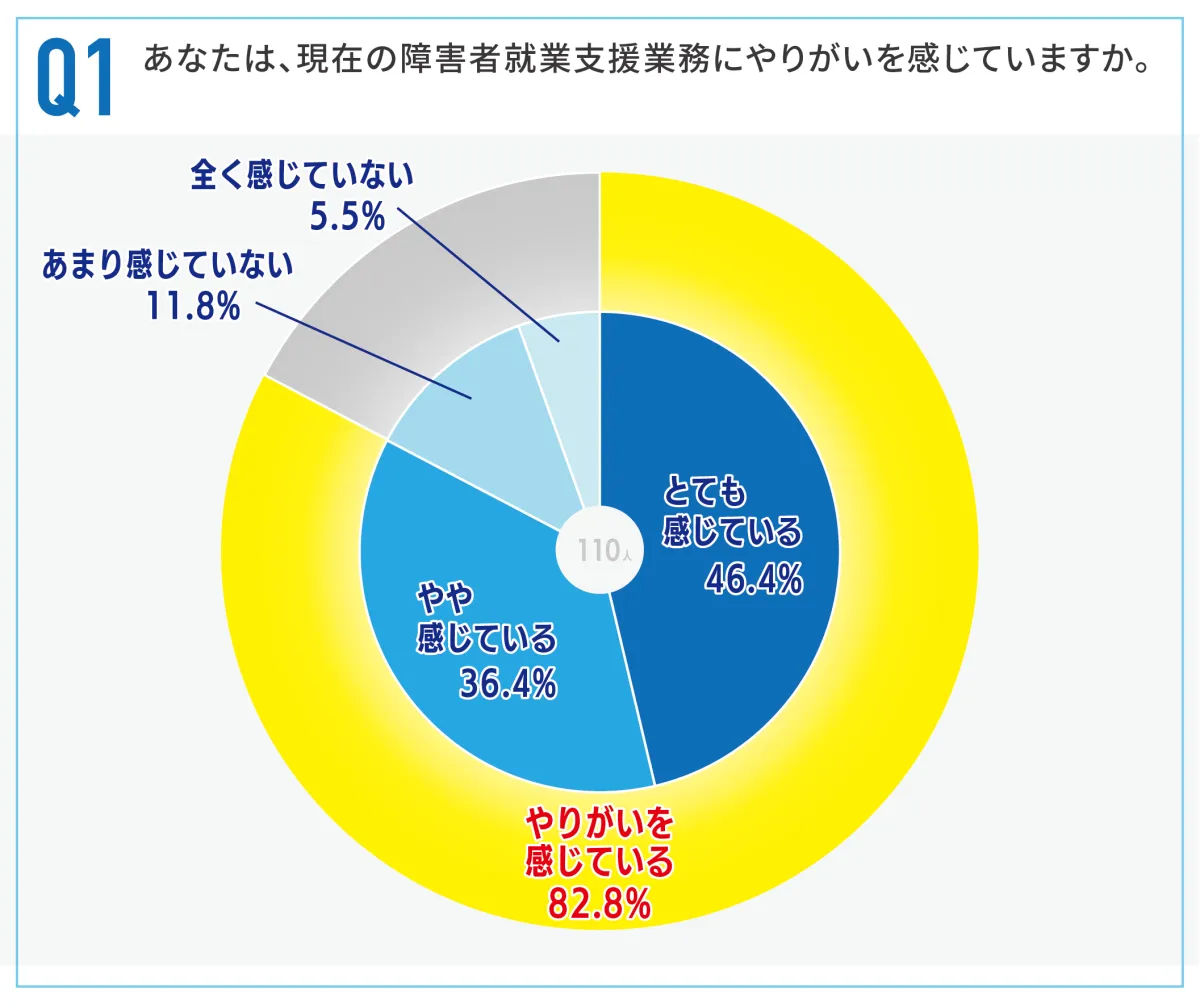
In a recent survey conducted by Start Line, a company dedicated to building a society where everyone can live as themselves through disability employment support, 110 professionals in various employment support roles provided insights into their challenges and motivations. Despite over 80% expressing a sense of fulfillment in their roles, nearly 90% also reported experiencing limitations in their support efforts.
Key Findings from the Survey
High Levels of Job Fulfillment
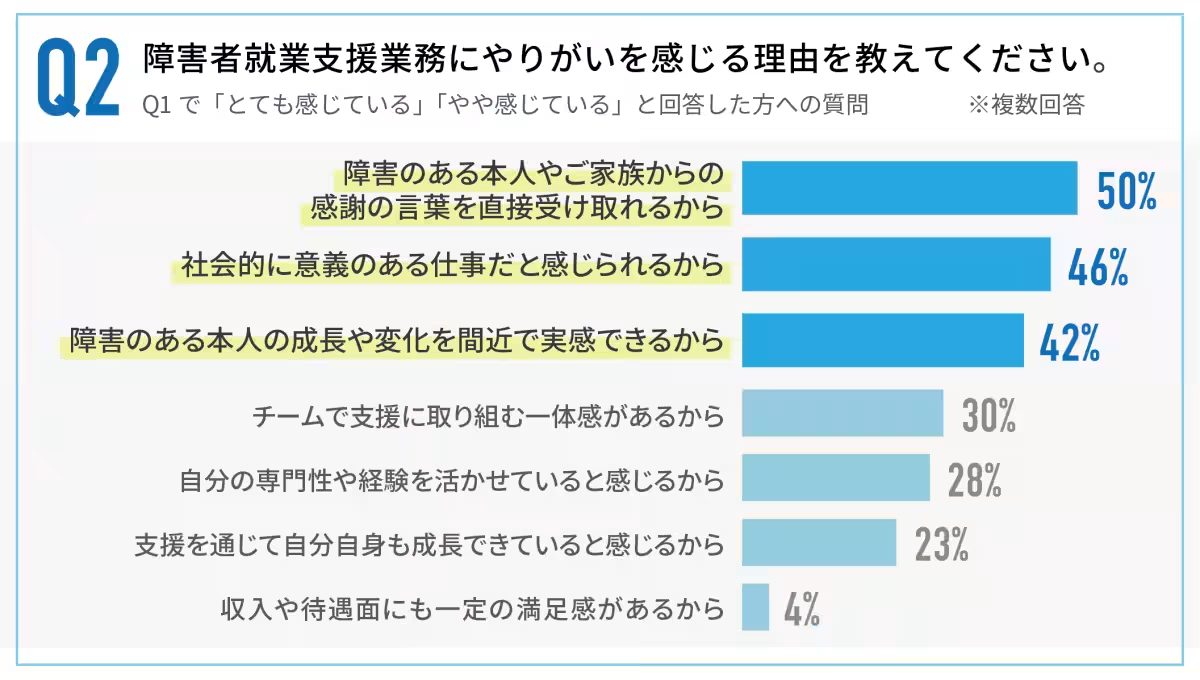
The survey revealed that 82.8% of disability employment support professionals feel a sense of fulfillment in their work. This fulfillment stems primarily from receiving gratitude from those they support and their families, with 50% citing direct appreciation as a driving factor. Furthermore, 46% recognized the social significance of their work as crucial to their job satisfaction.
Encountering Limits in Support
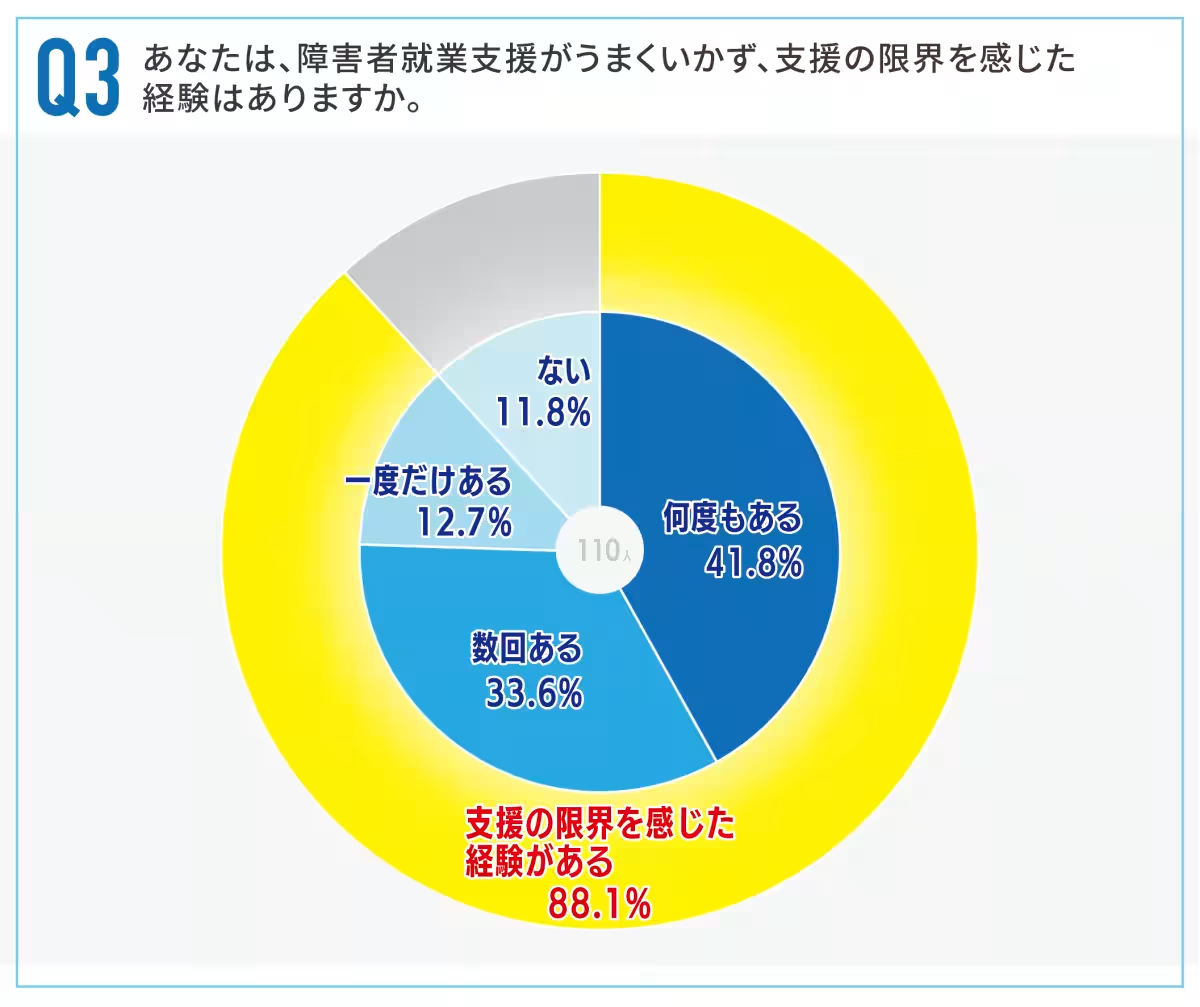
Conversely, the survey indicated that around 88.1% of participants have faced moments where they felt the limits of their support capabilities. Specifically, 41.8% reported frequent encounters with these limits, illustrating how common this challenge is among professionals in the field.
Self-Blame Among Supporters
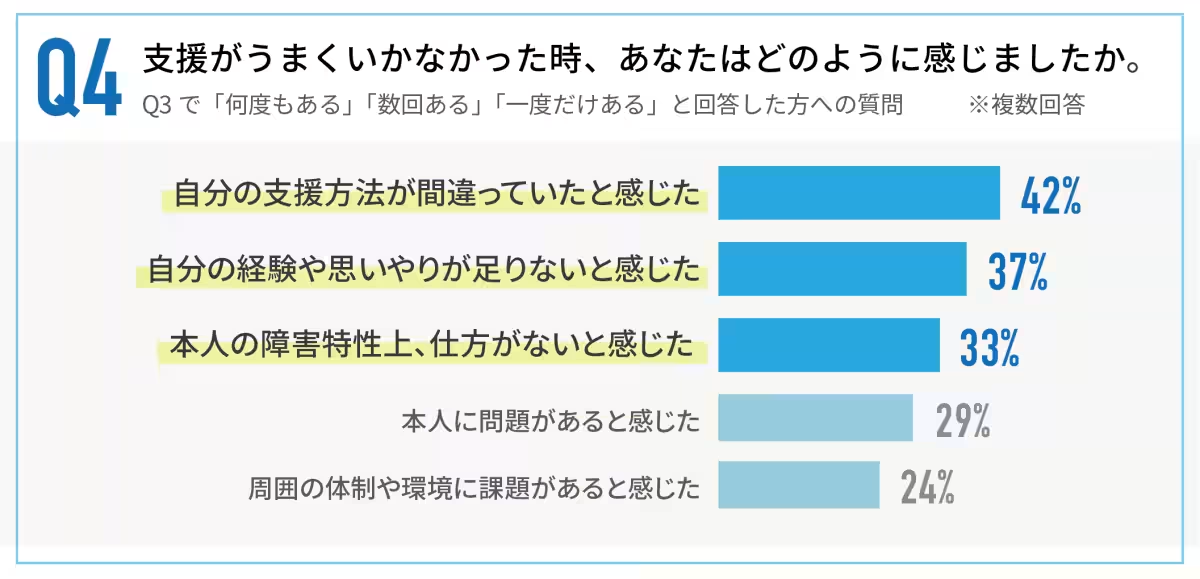
A concerning discovery was that over 40% of support workers, when faced with unsuccessful outcomes, attributed the issues to their methods or to personal shortcomings. Approximately 42% felt their methods were incorrect, while 37% believed they lacked the necessary experience or empathy. This tendency for self-blame highlights a significant psychological burden that many in the profession carry, potentially leading to increased burnout and turnover.
The Need for Systematic Support
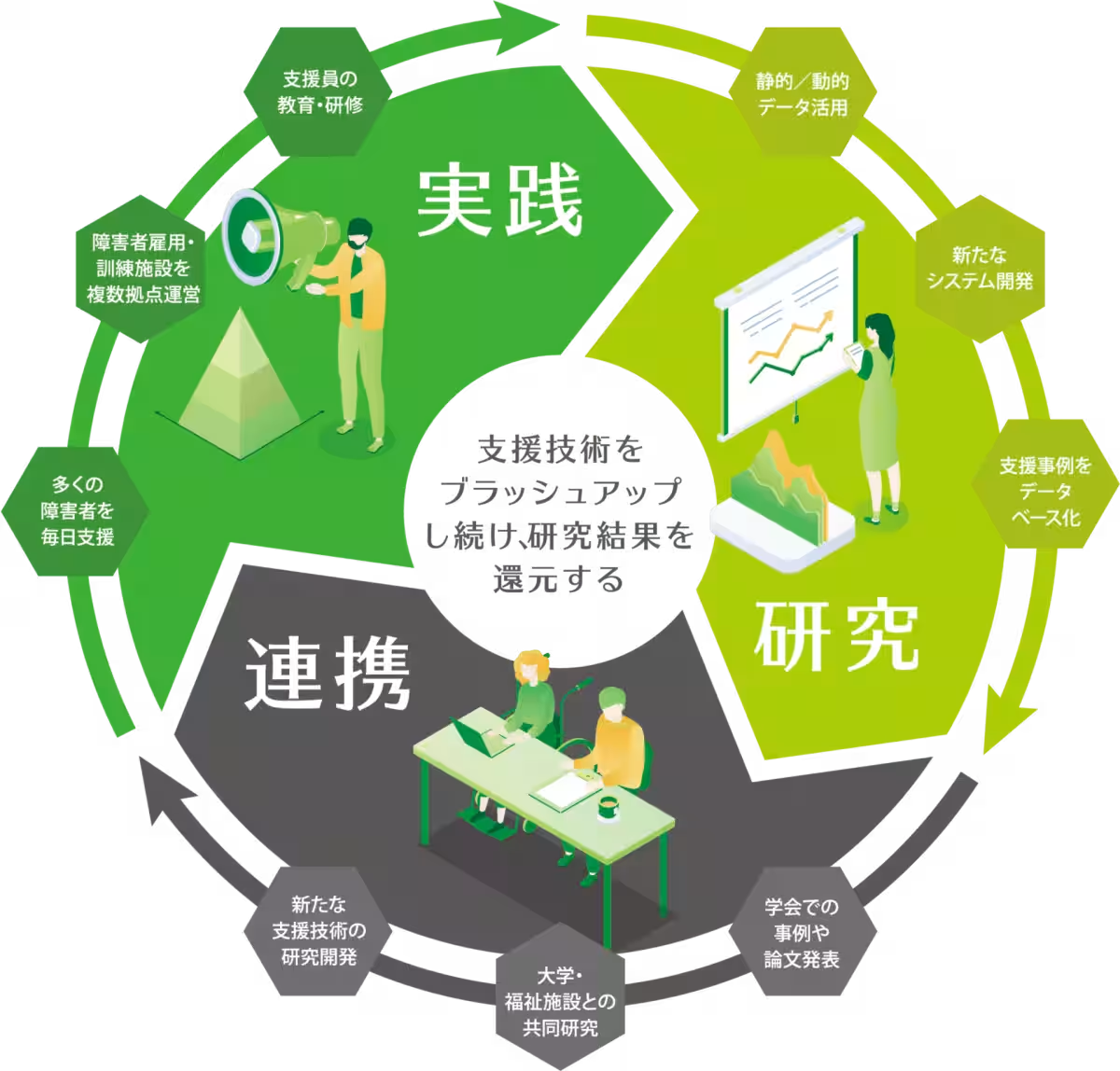
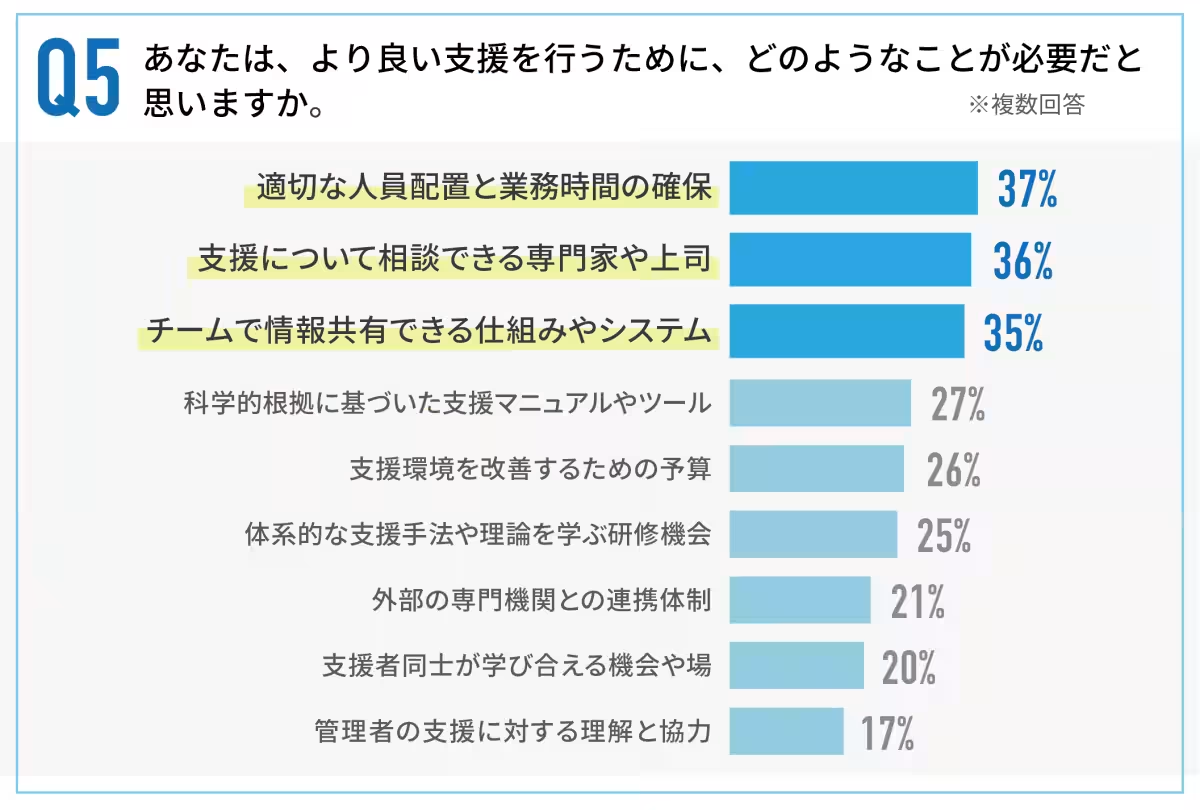
To improve the quality of support offered, professionals indicated that 37% believe appropriate staffing and work hours are crucial, while 36% stressed the importance of having access to consulting professionals or supervisors for guidance. This reflects a call for a structured approach to support that is grounded in research and collaboration, rather than relying solely on individual goodwill and effort.
Conclusion
The insights gathered from this survey showcase the high aspirations held by disability employment support professionals, alongside the pervasive challenges of self-doubt and isolation that can arise in the field. When support efforts stagnate, many workers find themselves questioning whether the faults lie within their own abilities or attribute them to the clients' difficulties.
To combat this dualistic way of thinking, a shift towards utilizing scientifically-backed methods, such as Applied Behavior Analysis (ABA), is essential. By framing challenges as issues stemming from a lack of proper assessment or ineffective strategies, supporters can avoid unnecessary self-blame. This logical re-framing can empower professionals to move forward positively and take constructive action.
Implementing scientific methods and creating structured processes for support does not lead to a cold, detached environment; rather, it fosters a culture where professionals can experiment and learn with a solid foundation. This empowerment can result in delivering the most suitable support tailored to each individual's disabilities and needs.
Start Line remains committed to promoting a transition towards a society that relies on scientific methods for support rather than solely individual goodwill. Through this commitment, we aim to lead the way to an inclusive society where everyone can thrive.


Topics People & Culture)



【About Using Articles】
You can freely use the title and article content by linking to the page where the article is posted.
※ Images cannot be used.
【About Links】
Links are free to use.