




Analyzing the Comparison Between Spot Work and Part-Time Job Markets in 2026
Analyzing the Comparison Between Spot Work and Part-Time Job Markets in April 2026
In the past few years, the rise of a new employment paradigm known as "spot work" has dramatically transformed the job market landscape in Japan, influencing both the existing part-time and temp job sectors. According to the latest analytical report by Frogs Inc., the differences and similarities between these two types of employment are now more relevant than ever, prompting a detailed comparison of their operational structures, job types, salaries, and geographical distributions.
Overview of Spot Work and Its Impact
Spot work, characterized by short-term job assignments that offer flexibility to both companies and individuals, is changing how job seekers view their employment options. This alteration is not just a mere enhancement of part-time jobs; it represents a shift in the contemporary job-seeking experience. The report published by Frogs Inc. prompts us to delve deeper into how spot work is reshaping the part-time job market.
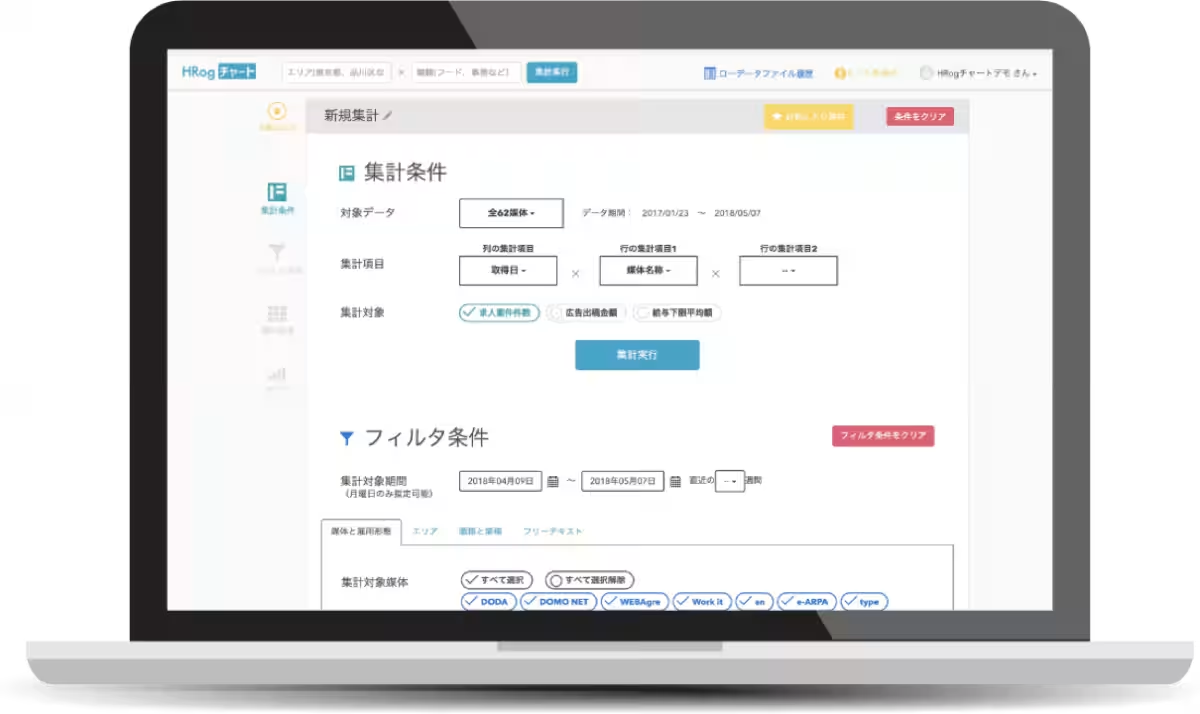
To understand the dynamics at play, Frogs Inc. utilizes the HRog Chart—a powerful data analysis tool that provides real-time insights into the recruitment market across approximately 150 job platforms. It enables users to understand hiring trends by manipulating various parameters like media, region, and job type with ease.
Spot Work vs. Part-Time Jobs: A Side-by-Side Examination
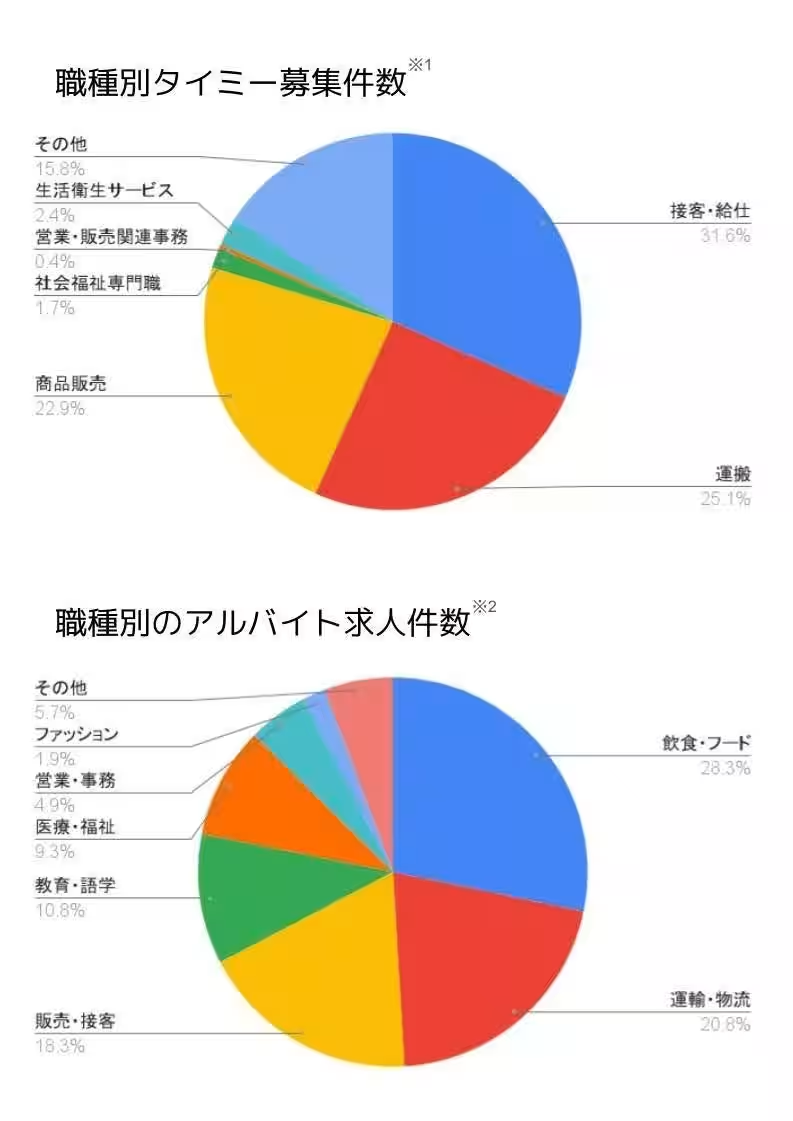
Based on data collected, the top three in-demand job categories in the spot work market are "Customer Service," "Transportation," and "Product Sales,” which interestingly overlap with the leading categories in the part-time job market: "Food and Beverage," "Transportation and Logistics," and "Sales and Customer Service". This intersection indicates a competitive landscape where both job types vie for the same pool of job seekers.
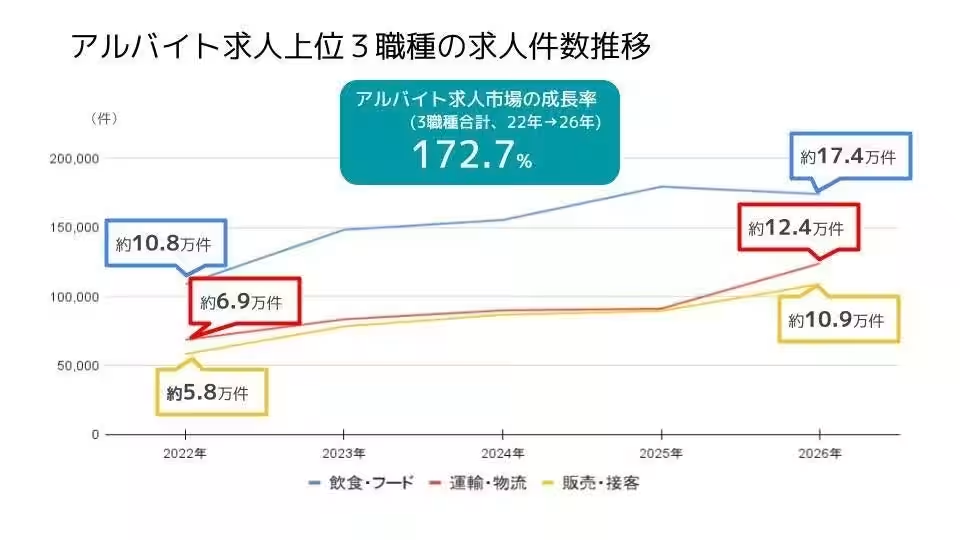
Historical data from the past five years highlighted a notable increase in job postings for food and beverage, transportation and logistics, and sales/customer service positions. From 2022 to 2026, the growth rate for these categories surged by a staggering 172.7%, largely due to labor shortages fueling demand in the part-time sector. Although some speculate that the rise of spot work may be stifling the growth of part-time jobs, current trends suggest that both have been thriving together, harnessing increased demand in the job market.
Geographic Distribution of Job Opportunities
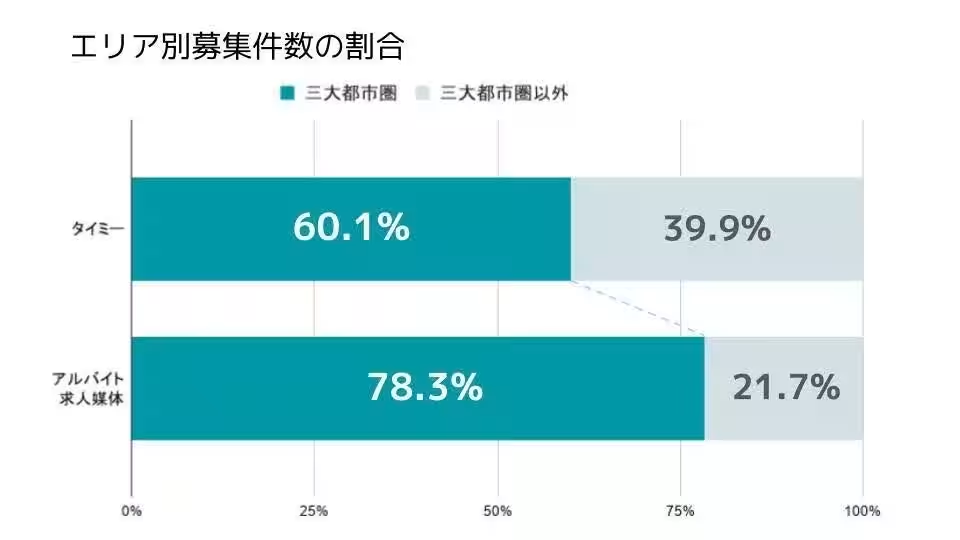
The geographical distribution of job listings paints a distinct picture; about 78% of part-time job listings are centralized in the three major metropolitan areas, while spot work opportunities extend outside these regions, with 40% of listings found in non-urban locales. This trend reflects a marked penetration of spot work services even in rural regions, addressing local hiring challenges.
Given the lower labor force population in rural areas, organizations are adopting strategies to ease recruitment barriers, encouraging prospective employees to try working for just a day or a few hours. The performance-based remuneration model of spot work services also reduces onboarding costs, making it attractive for rural establishments struggling to attract long-term talent.
The Growing Significance of Hybrid Recruitment Models
It's increasingly common for businesses to utilize both spot and part-time job avenues in tandem rather than choosing one over the other. Notably, DIPP Corporation has taken strides in this direction with its "Spot Bait" platform, which presents spot job opportunities to users browsing regular job listings, fostering a culture of short-term engagements leading to longer-term employment. As labor shortages are projected to intensify, the hybrid recruitment model may become the standard, merging the benefits of both employment types. This approach will better equip firms to meet their staffing needs in a progressively competitive marketplace.
An In-Depth Look at Salary Trends
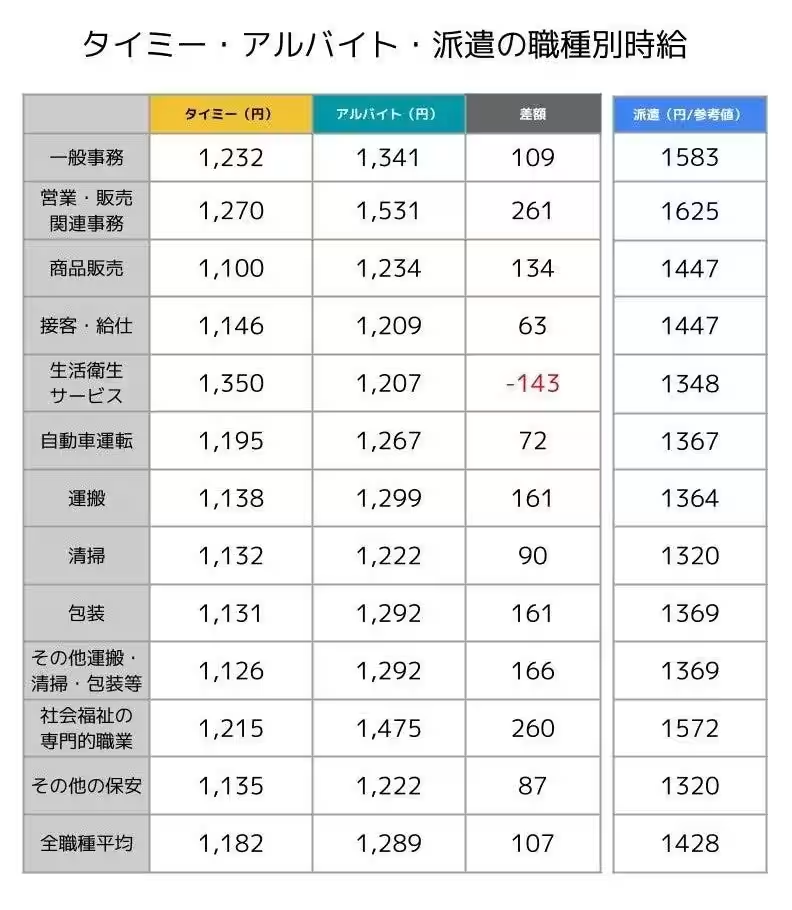
An analysis of average salaries shows that part-time jobs top out at an average hourly wage of ¥1,289, while spot work—represented by services like Timy—offers a lower average of ¥1,182. This wage gap implies that for those job seekers prioritizing higher pay, traditional part-time positions remain preferable. Specific professions, like clerical and social welfare roles, exhibit substantial pay disparities exceeding ¥260, indicating a built-in value in traditional roles. Conversely, positions such as customer service, driving, and cleaning show minimal wage gaps, highlighting their suitability for spot work replacement.
Conclusion
The landscape is clear; rather than one simply displacing the other, the part-time job market and spot work are coexisting and evolving symbiotically within an expanding employment framework. While recruitment dynamics differ from urban to rural centers, the interplay between both markets hints at diverse job seeker strategies tailored to individual circumstances and preferences. Firms should thus regard spot work as a complement rather than a competitor, integrating both realms effectively into their recruitment processes to bolster long-term hiring success.
This extensive data and analysis reflect the broader shifts occurring across the recruitment landscape, painting an optimistic picture for job seekers and employers alike, as they adapt to this new era of work.

Topics Consumer Products & Retail)




【About Using Articles】
You can freely use the title and article content by linking to the page where the article is posted.
※ Images cannot be used.
【About Links】
Links are free to use.