



The Impact of Temperature Fluctuations on Skin Health During Autumn and Winter
The Impact of Temperature Fluctuations on Skin Health During Autumn and Winter
As autumn transitions into winter, many people experience sudden changes in temperature, with some days fluctuating drastically by 5°C or more. A recent study conducted by the I.C. Clinic has shed light on how these temperature differences affect skin health, revealing that a significant percentage of the population suffers from skin problems related to these changes.
The Connection Between Temperature Changes and Skin Issues
The study was executed by I.C. Clinic, which operates across several locations in Tokyo and specializes in dermatology and plastic surgery. The survey targeted working adults aged 20-50 and was conducted from October 1 to October 15, 2025. Over 300 individuals participated in the survey, which aimed to investigate the correlation between daily temperature variations and skin troubles amidst seasonal transitions.
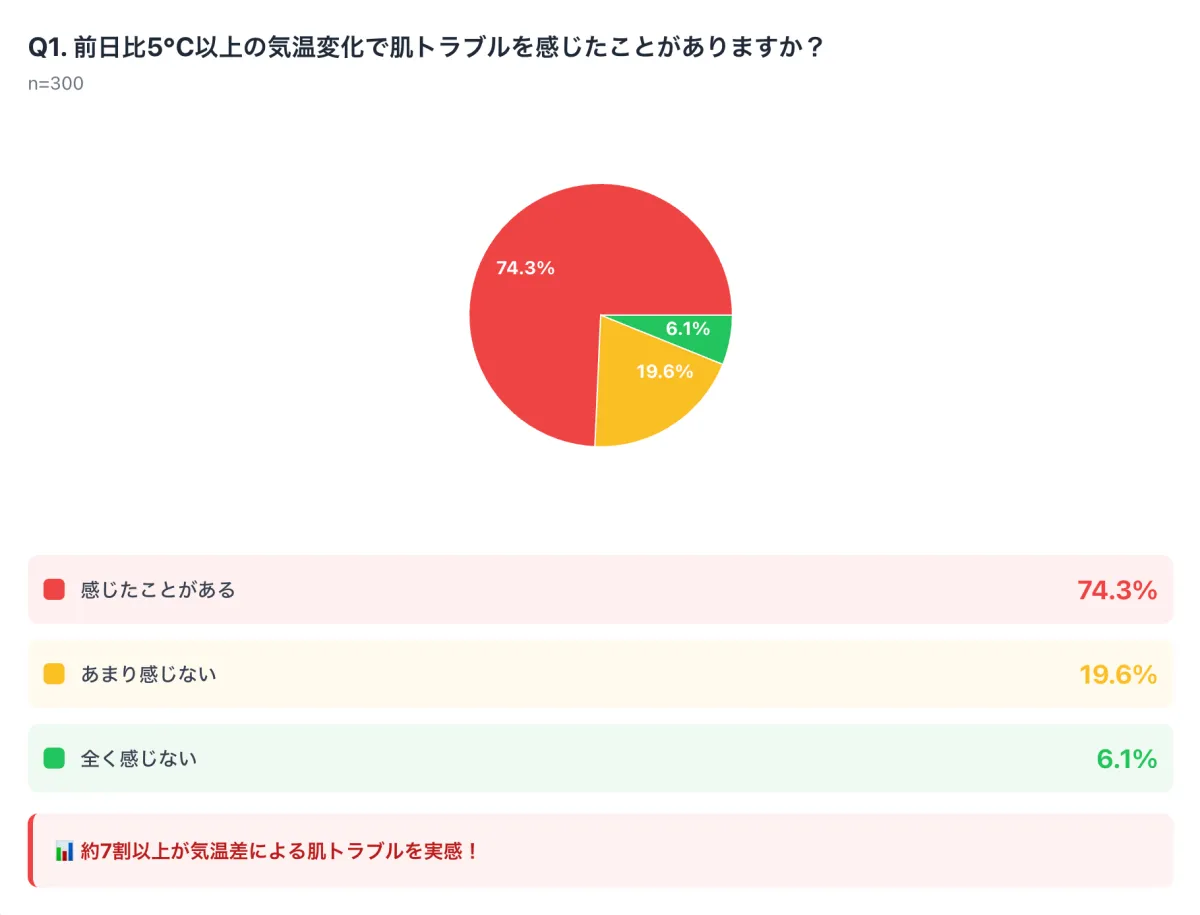
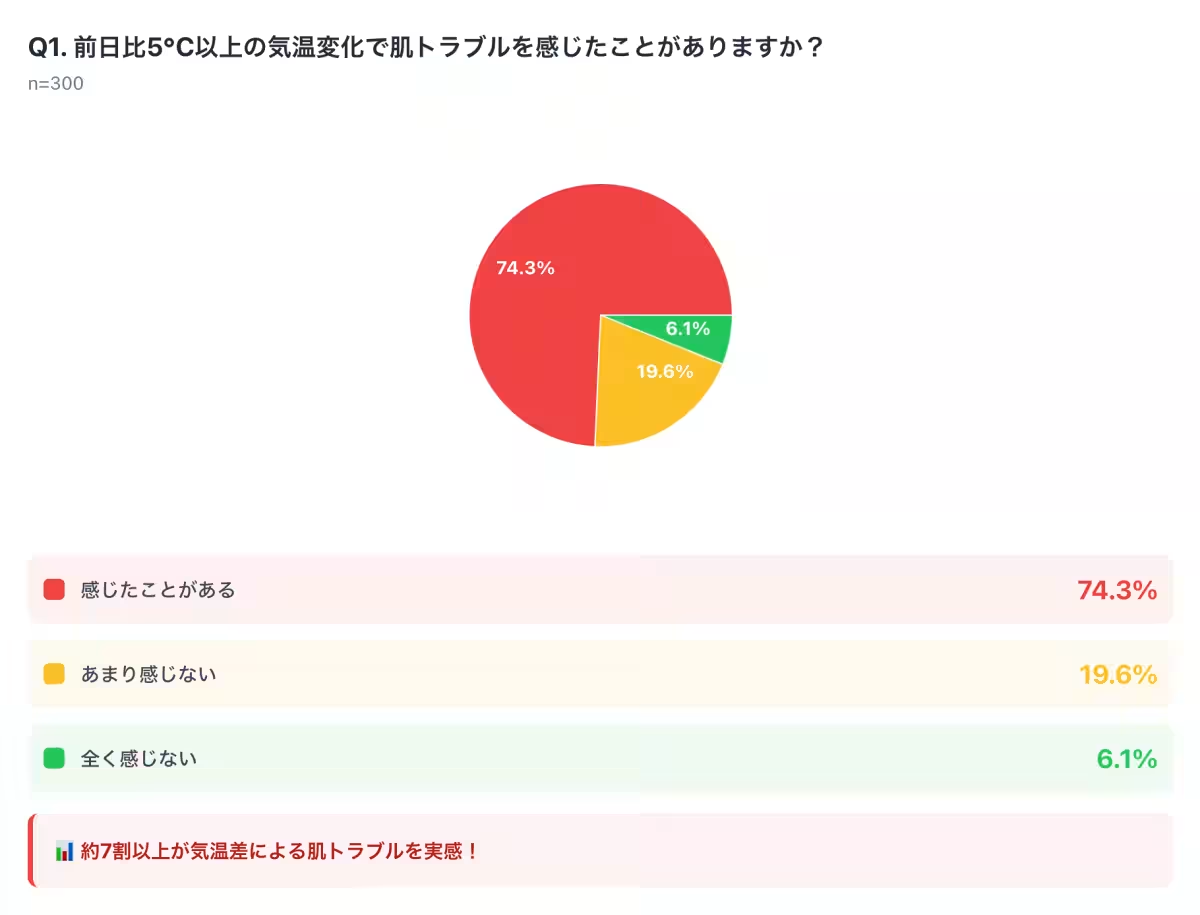
With an alarming statistic, the study found that 74.3% of respondents reported experiencing skin issues when the temperature shifted by 5°C or more from the previous day. Physical symptoms included redness, itching, and dryness, all which are signs of what they termed “temperature-related skin stress.”
The Types of Skin Issues Caused by Temperature Fluctuations
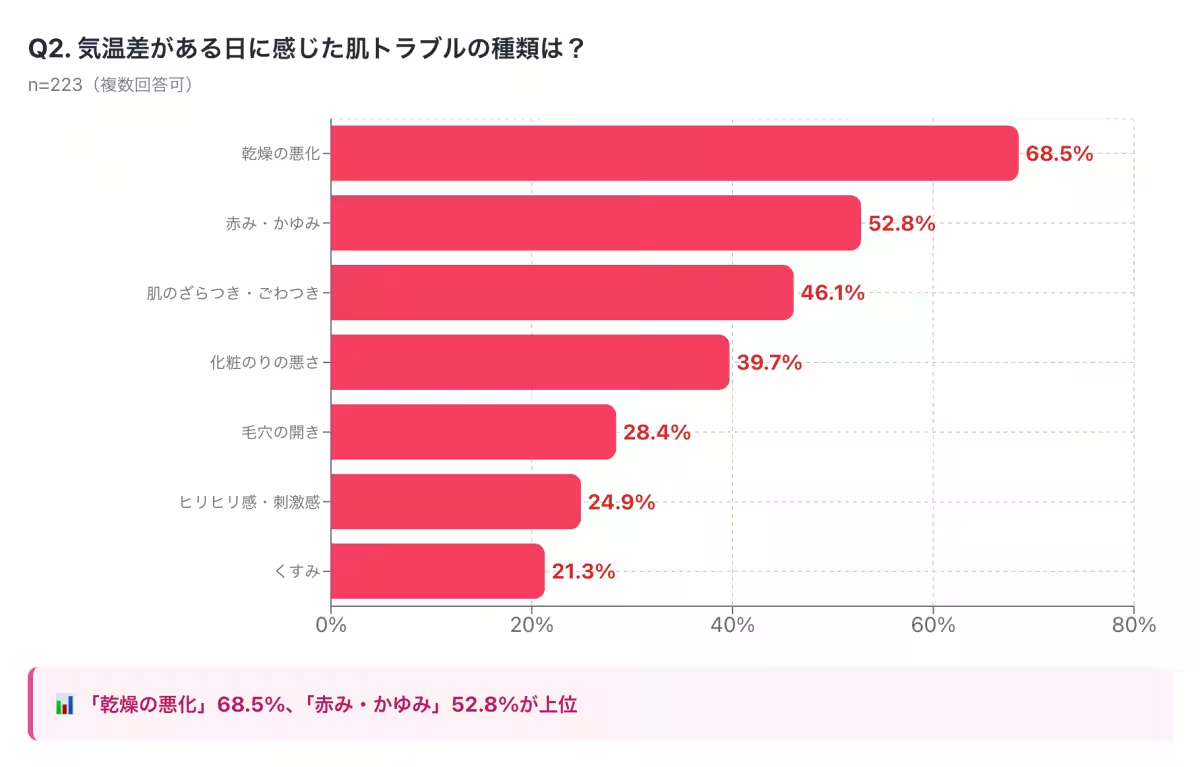
Among those who reported skin issues due to temperature variation, the most common problems were identified as:
- - Worsening Dryness: 68.5%
- - Redness & Itching: 52.8%
- - Rough Texture: 46.1%
The data indicates a shift in common issues faced during this time, where reactions like redness and itching have become significantly more prevalent due to sudden temperature changes.
Regional Analysis: The North vs. The South
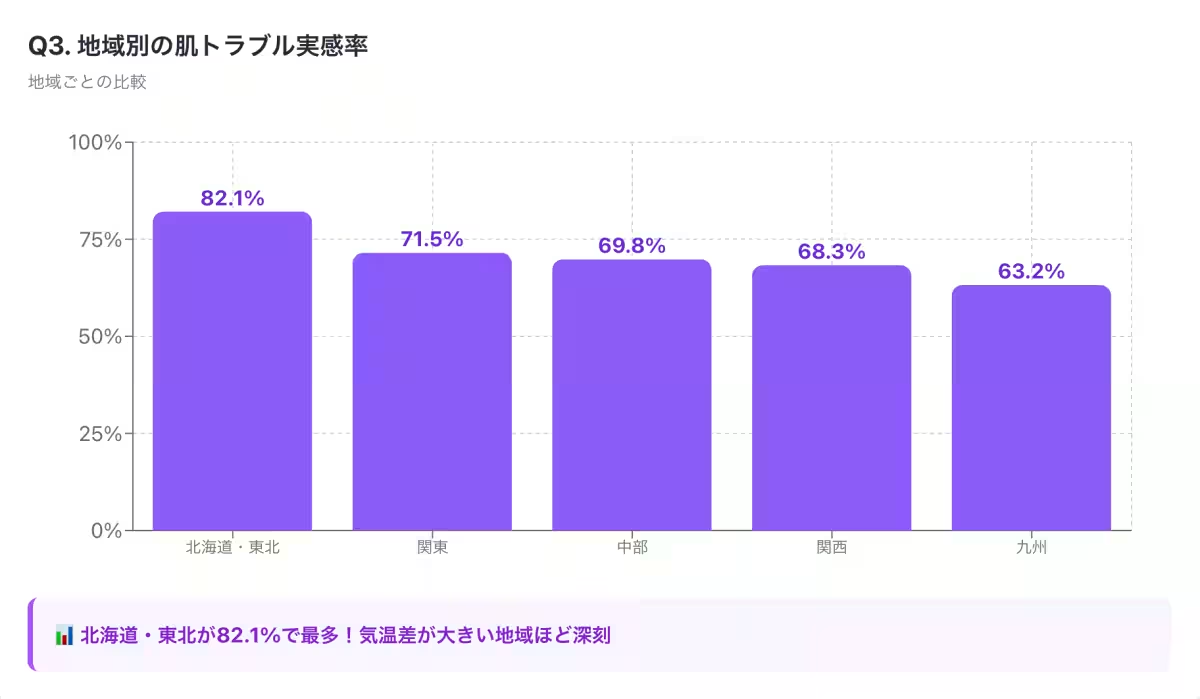
Interestingly, the frequency of experiencing skin troubles correlated with geographical location. In regions known for harsh autumn climates, such as Hokkaido and Tohoku, about 82.1% of individuals reported feeling the effects of temperature changes. In comparison, areas like Kanto (71.5%), Chubu (69.8%), and Kyushu (63.2%) showed lower percentages but still indicated a significant problem for residents.
Responding to Skin Issues: How People React
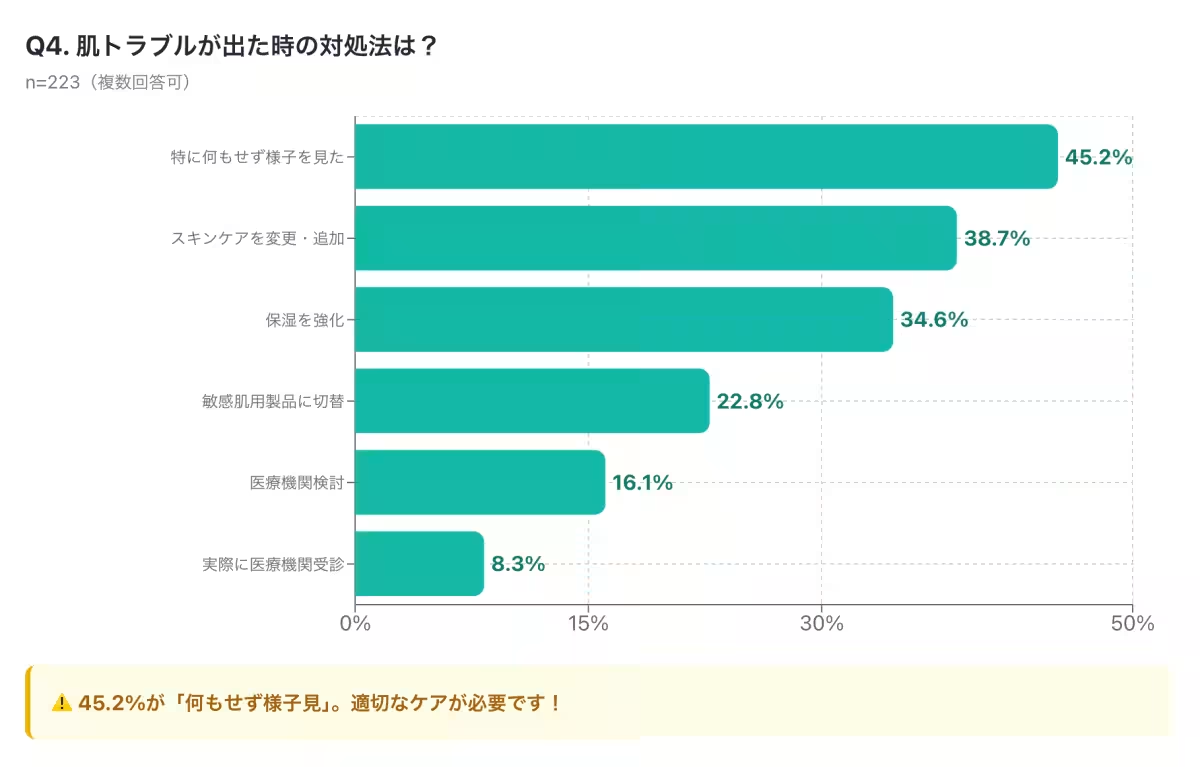
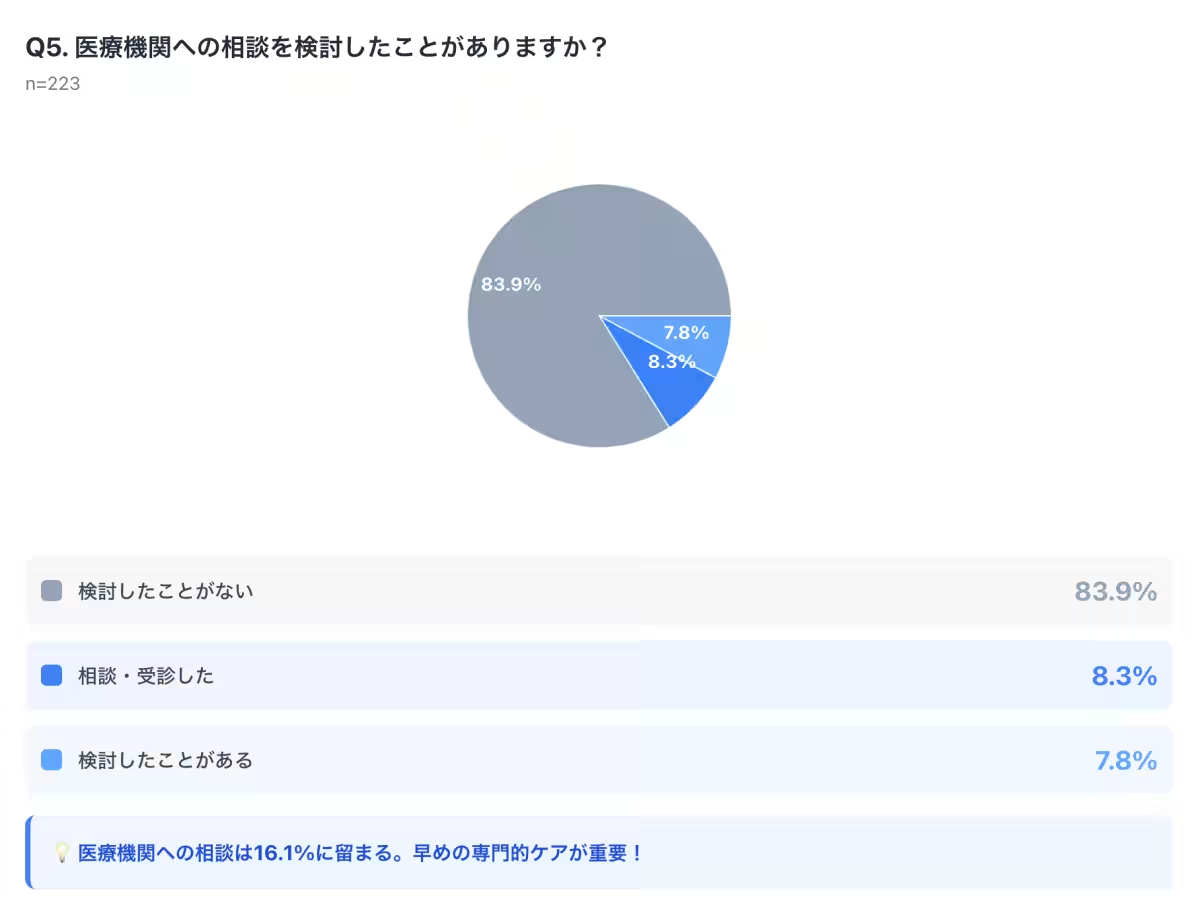
When faced with skin troubles due to temperature changes, the common response was surprisingly passive, with 45.2% of respondents choosing to take no action and merely observe their symptoms. Around 38.7% opted to modify their skincare routines, while only 16.1% considered consulting a healthcare professional. Such statistics show a worrying tendency among individuals to overlook their skin's health, potentially leading to chronic conditions.
Professional Insights: Dealing with Temperature-Related Skin Stress
Dr. Kouta Takakuwa from I.C. Clinic provided crucial advice on tackling temperature-related skin stress. He emphasized that during October and November, skin is particularly vulnerable due to daily temperature fluctuations. He notes, “When there's a temperature change of 5°C or more, skin's ability to adapt decreases, leading to a reduction in its barrier function.”
Some symptoms hinting at temperature-related skin stress include:
- - Sudden onset of redness or itching
- - Sensations of burning during routine skincare
- - A rough or bumpy skin texture
- - Increased dryness
Recommended Skin Care Strategies
- - Strengthening the Barrier Function: Incorporate skincare products containing ceramides or hyaluronic acid to support skin's barrier function.
- - Avoid New Products: In times of sensitivity, hold off on trying new skincare products and opt for gentle formulations.
- - Seek Medical Assistance: Dr. Takakuwa advises consulting a dermatologist if symptoms persist beyond two weeks or do not improve with over-the-counter treatments. Medical interventions such as vitamin therapies or laser treatments can provide more effective solutions.
Conclusion: Prioritize Skin Health During Seasonal Changes
This survey revealed a critical perspective on how temperature changes in the autumn and winter months significantly impact skin health, affecting over 70% of individuals. With a noticeable increase in skin issues like worsening dryness and irritation, it’s imperative for people, particularly in colder regions, to adopt effective skin care practices. Ignoring the symptoms of “temperature-related skin stress” can lead to prolonged suffering, hence why timely preventive measures and consulting professionals when necessary are essential.
In conclusion, as autumn progresses, it’s vital to stay vigilant regarding skincare routines and to seek professional help when faced with persistent issues for maintaining healthy skin into the winter months.
Topics Health)
【About Using Articles】
You can freely use the title and article content by linking to the page where the article is posted.
※ Images cannot be used.
【About Links】
Links are free to use.