



Increasing Cost of Commuting Lunch Puts Pressure on Young Employees in SMEs
The Rising Cost of Lunch: Implications for Young Employees in SMEs
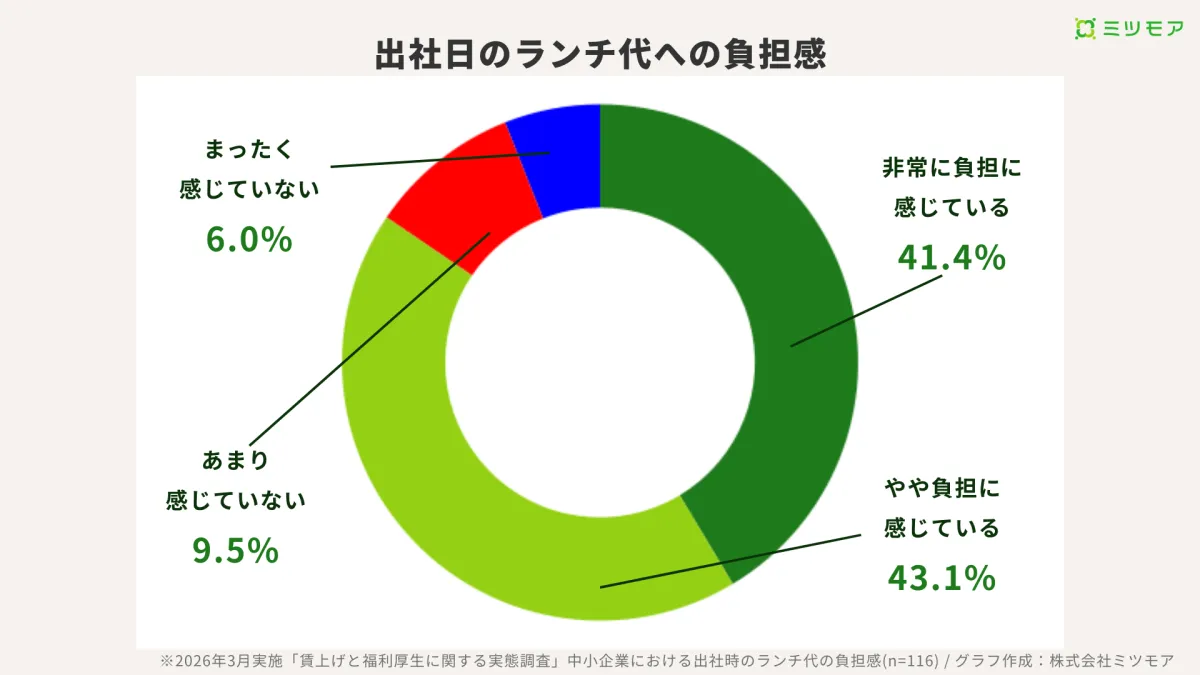
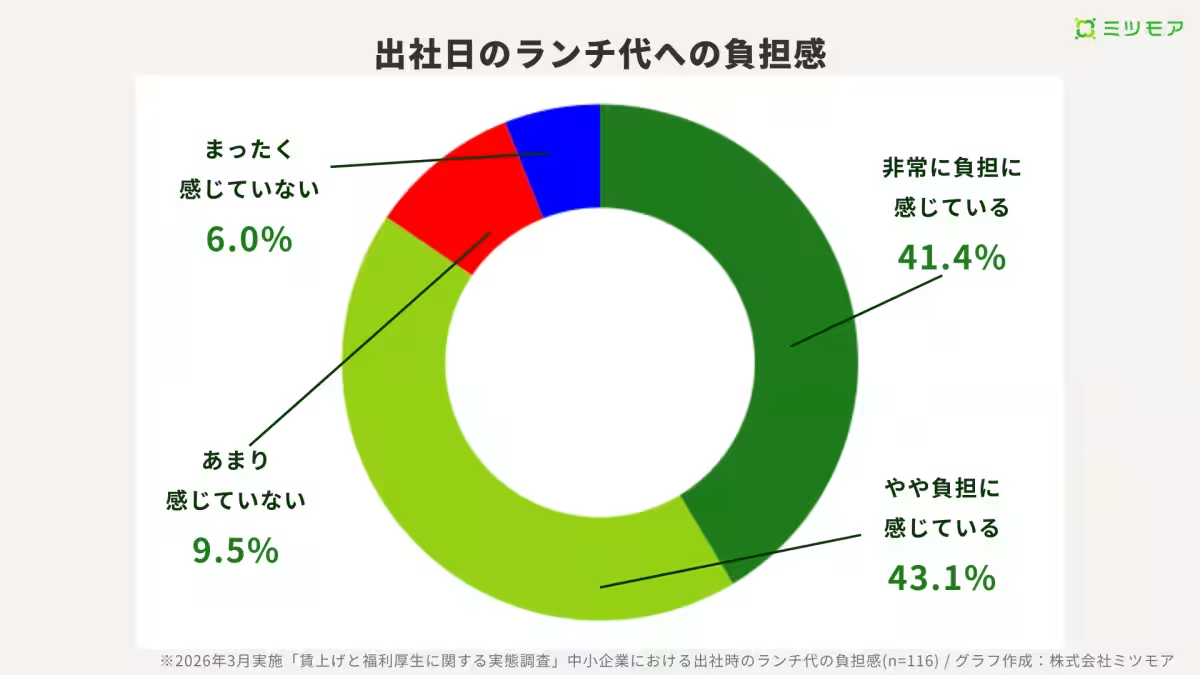
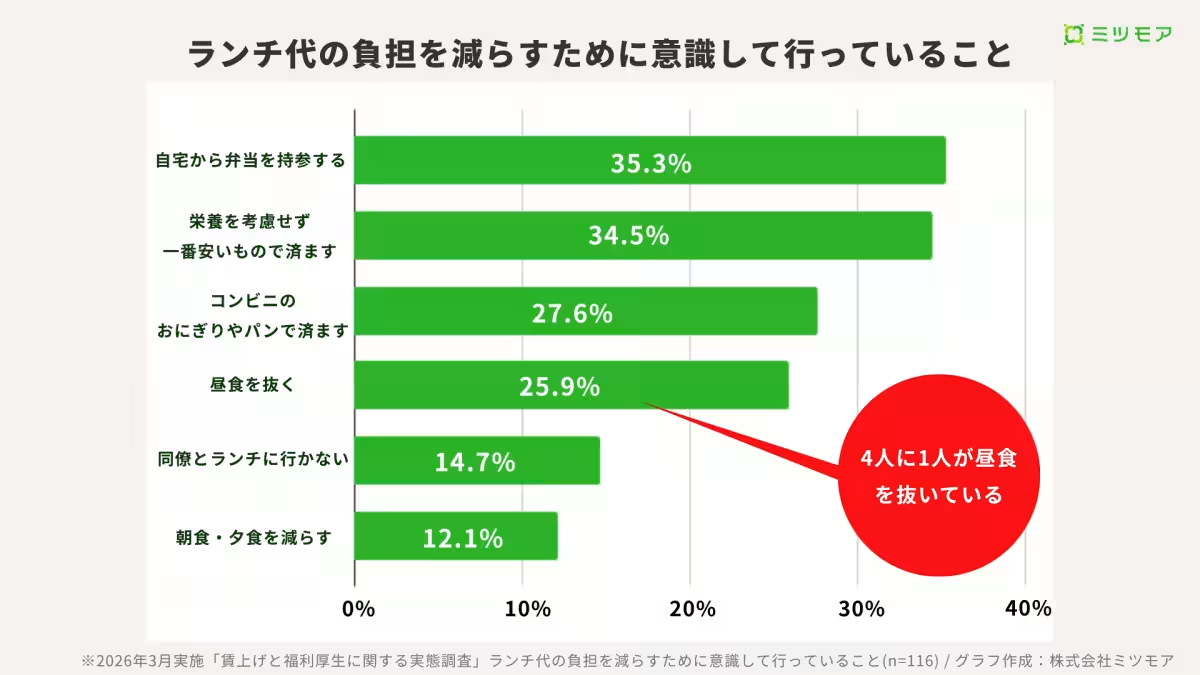
A recent survey conducted by Mitsumore, an online business comparison service based in Chuo-ku, Tokyo, has shed light on the financial burden faced by young employees working in small and medium-sized enterprises (SMEs) in Japan. The report, which focused on employees under 30 who work at companies with fewer than 300 employees and who commute at least once a week, revealed that a staggering 84% feel the cost of lunch during commutes has become a considerable financial burden. Moreover, 26% of respondents reported skipping lunch altogether to save money, while 34% indicated they often settle for inexpensive options like bread rolls or instant noodles.
Commuting Inflation and its Effects on Young Employees
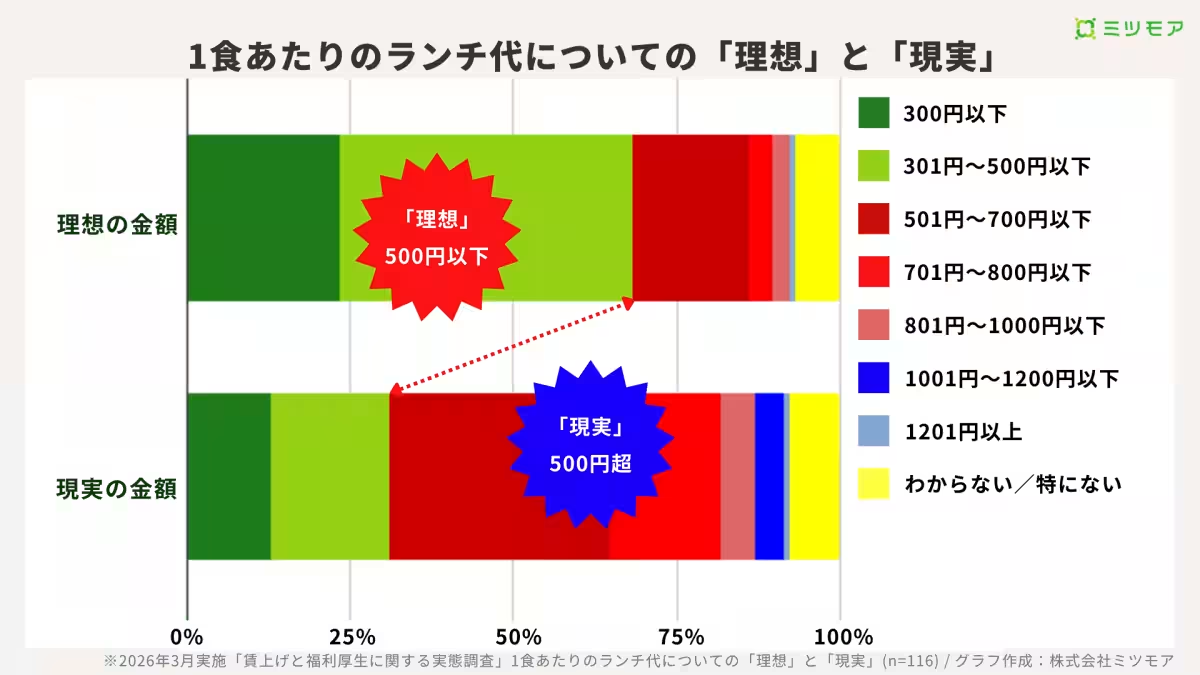
The escalating prices of food, paired with the mandated return to offices, have created a scenario where young employees are finding that commuting can quite literally eat into their budgets. The ideal price for lunch for approximately 68% of respondents is less than 500 yen, yet the current reality sees nearly 61% spending over that amount. This stark contrast highlights the economic stress of about 36,000 yen annually, which many are feeling in their wallets.
Interestingly, of the small and medium enterprises surveyed, around 40% do not provide any meal assistance, thereby forcing employees to rely solely on their resources to cover lunchtime expenses. Some participants expressed their frustration: “It’s tough to not be able to eat what we want because of rising prices.”
Impact on Workplace Dynamics and Employee Retention
The survey also revealed an alarming trend; about 15% of young professionals actively skip invitations to lunch with coworkers to save money. This behavior can disrupt workplace communication and camaraderie, yielding a negative effect on professional relationships and team dynamics.
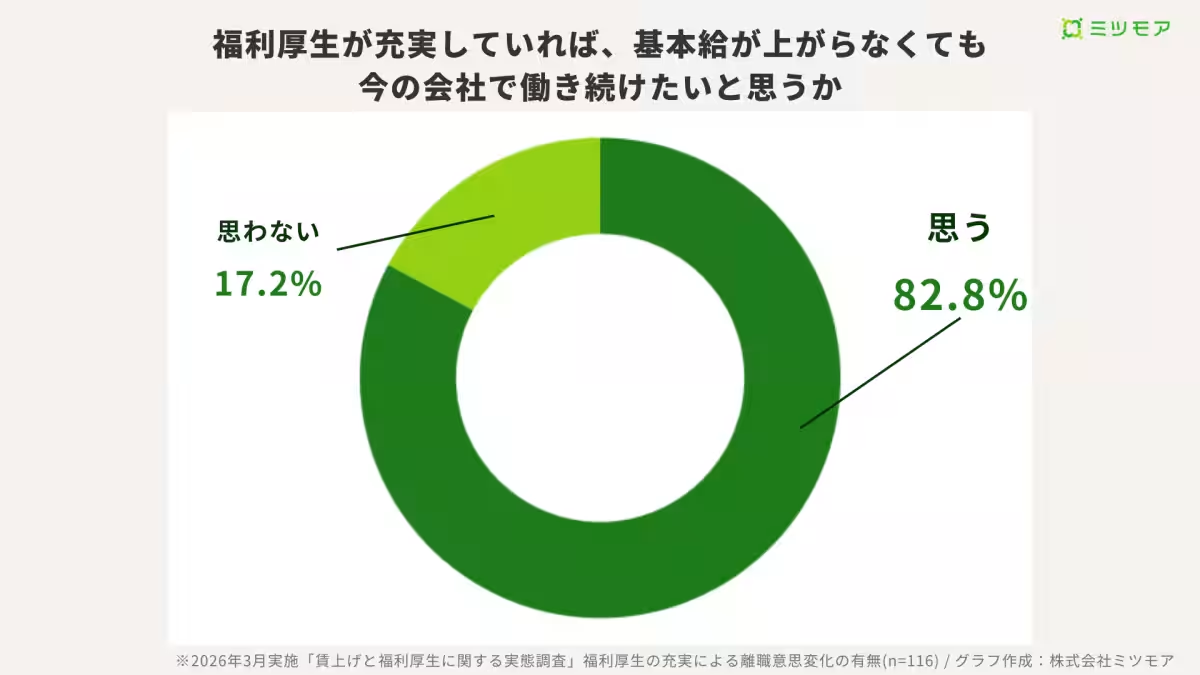
In contrast to this challenging environment, an encouraging finding from the survey was that 83% of young employees indicated they would stay with their current jobs if their companies improved their welfare benefits, even if salary increases were not significant. This insight emphasizes the need for SMEs to focus on enhancing welfare offerings to retain staff, rather than relying solely on salary competition against larger corporations.
The Demand for Welfare Benefits
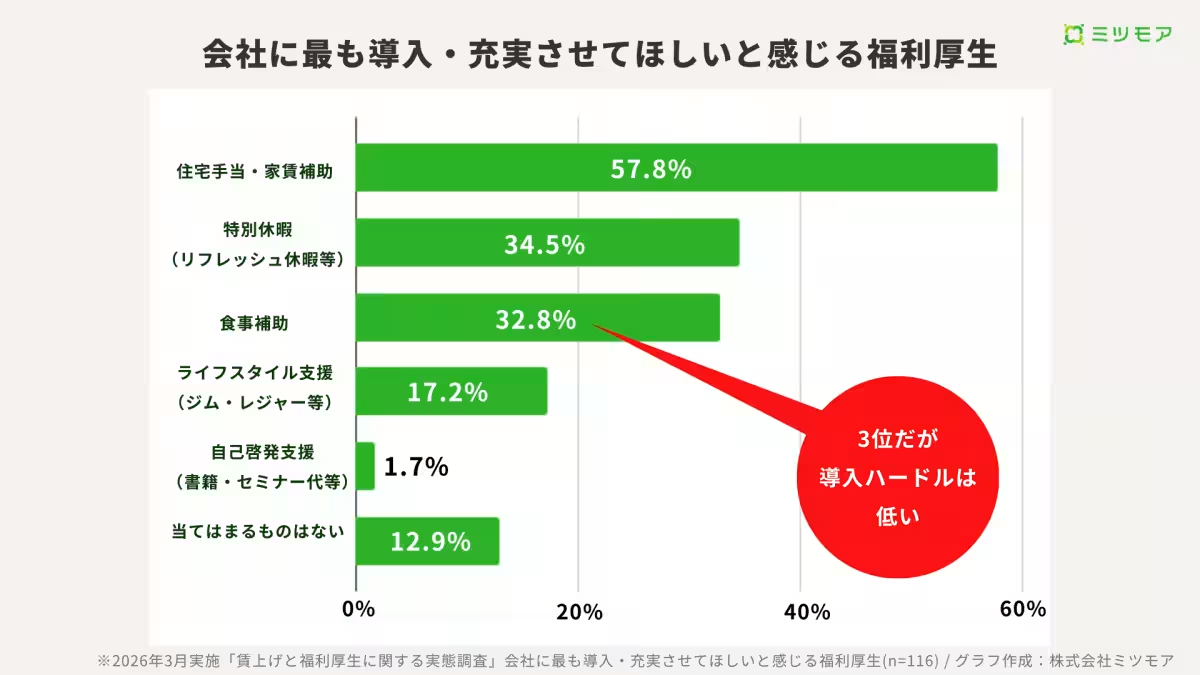
Among the most sought-after benefits are housing allowances, with 58% of respondents prioritizing this over other options. Meal subsidies ranked third at 33%. The complexity of offering housing allowances due to financial risk and administrative burdens may make meal subsidies a more feasible immediate option for companies seeking to improve employee satisfaction without worsening their budget constraints.
With a projected increase in the meal allowance tax exemption limit from 3,500 to 7,500 yen starting April 2026, more companies are likely to contemplate the introduction of meal support systems. This change could serve as a pivotal step towards reducing financial strains experienced by employees while improving workplace dynamics and motivation.
Future Projections
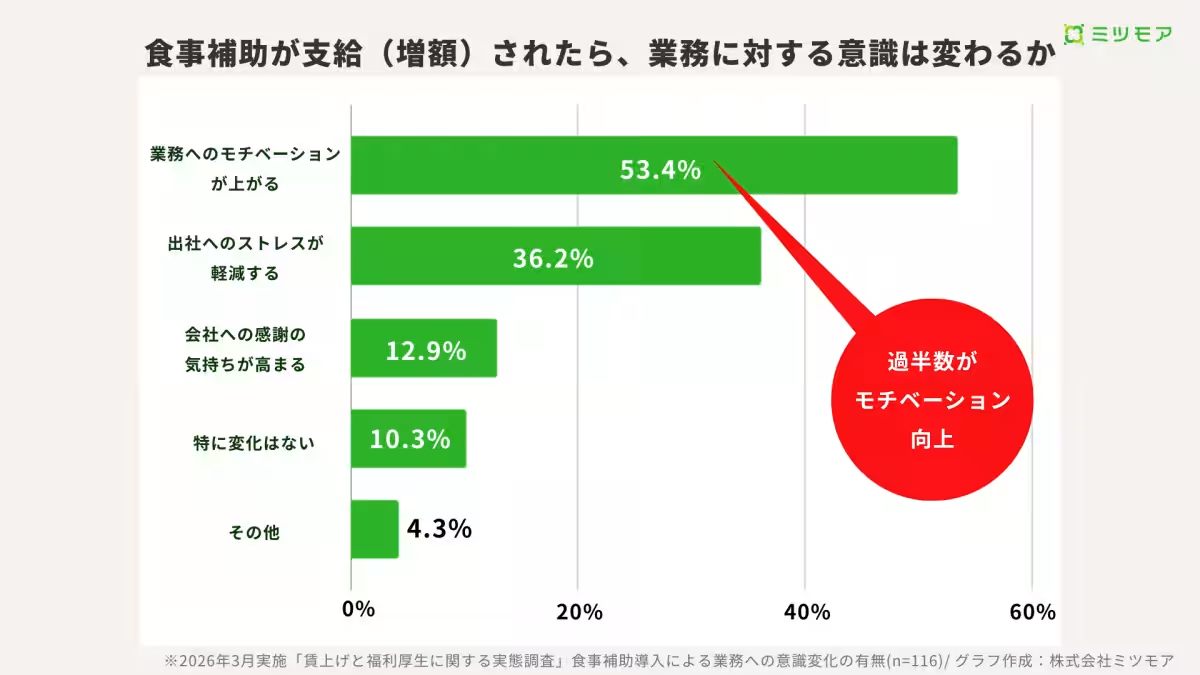
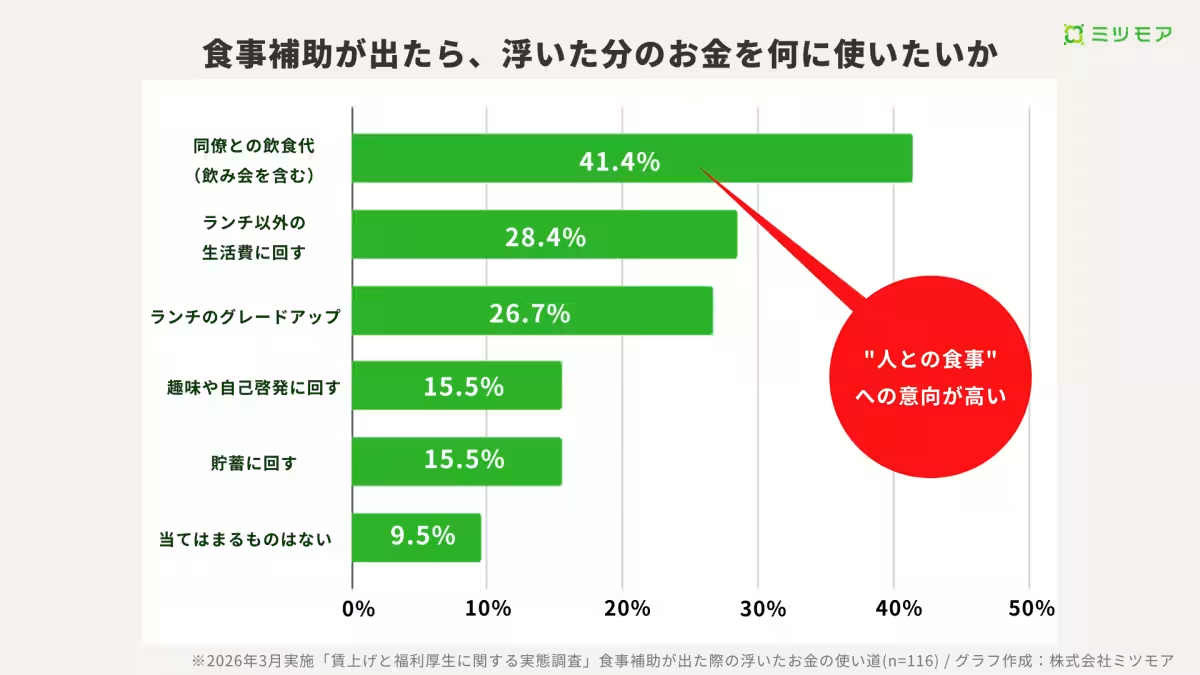
Should meal subsidies be effectively implemented, researchers found that over 53% of young employees believe their work motivation would increase, and 41% stated they would be more likely to dine with coworkers, thus alleviating the stress tied to meals at work and improving lines of communication among teams.
Conclusion
In conclusion, the findings from the Mitsumore survey highlight a critical intersection between rising food costs, employee satisfaction, and the necessity for SMEs to reevaluate their benefits structures. The anticipated changes in welfare regulations could present an opportunity for companies to better support their employees, thereby sustaining their workforce despite ongoing economic challenges.

Topics Consumer Products & Retail)
【About Using Articles】
You can freely use the title and article content by linking to the page where the article is posted.
※ Images cannot be used.
【About Links】
Links are free to use.