



Winter Skin Irritations: Understanding the Causes and Solutions
The Struggles of Winter Skin Irritation
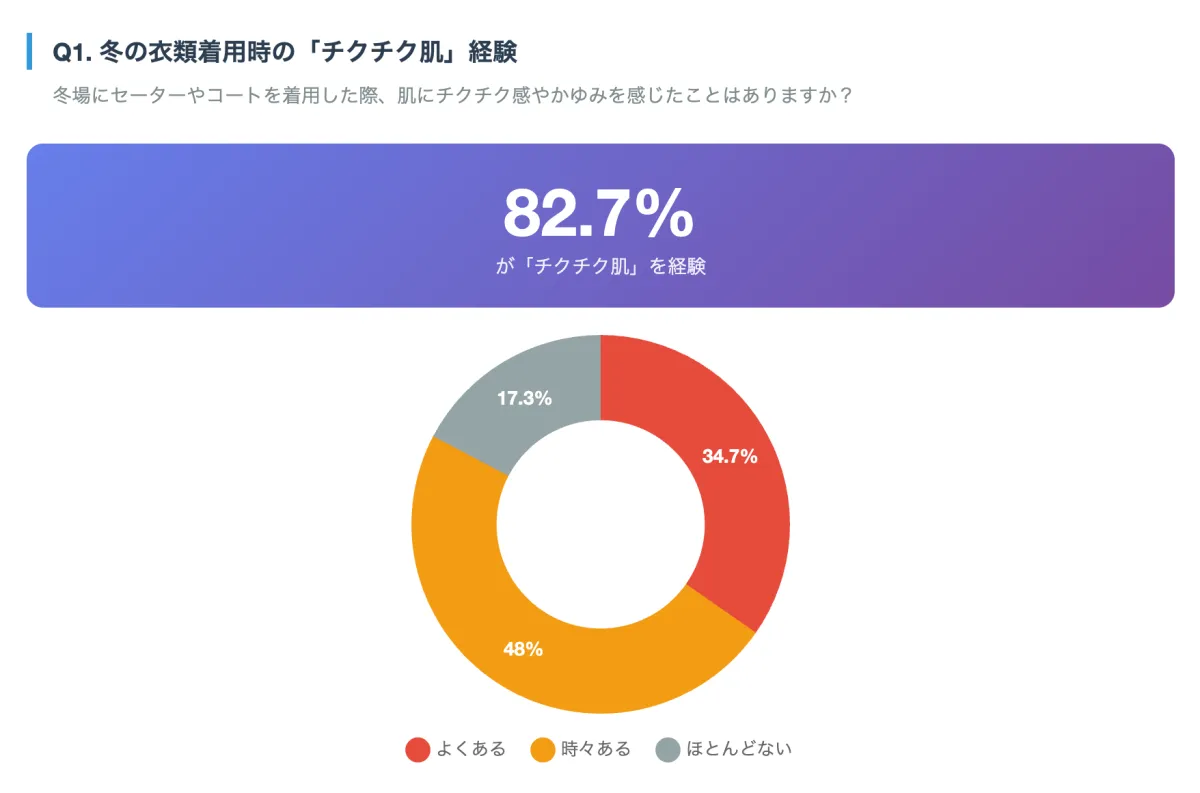
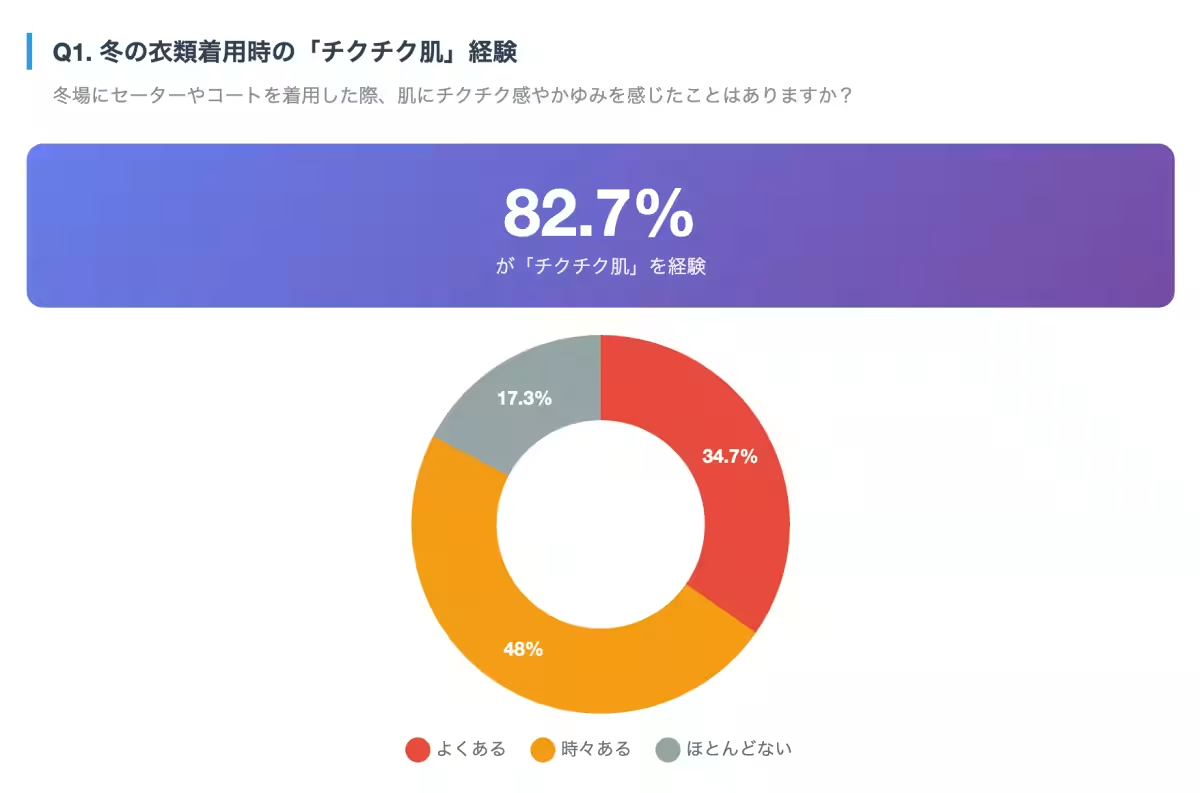
As winter arrives, many individuals find themselves grappling with discomfort, particularly due to irritation related to their clothing materials. A recent survey conducted by the Iron Binding Medical Corporation showcased that more than 80% of respondents reported experiencing skin irritation during the colder months. This issue primarily arises from common winter fabrics such as wool and synthetic fibers, which can exacerbate the sensitivity of the skin, particularly due to dry air and heating systems that diminish skin’s natural barriers.
Survey Highlights
The study was conducted between November 15 and November 30, 2025, targeting 300 men and women aged 20 to 50 across Japan. The findings painted a concerning picture:
- - 82.7% of participants reported experiencing skin irritation during winter.
Areas Most Affected
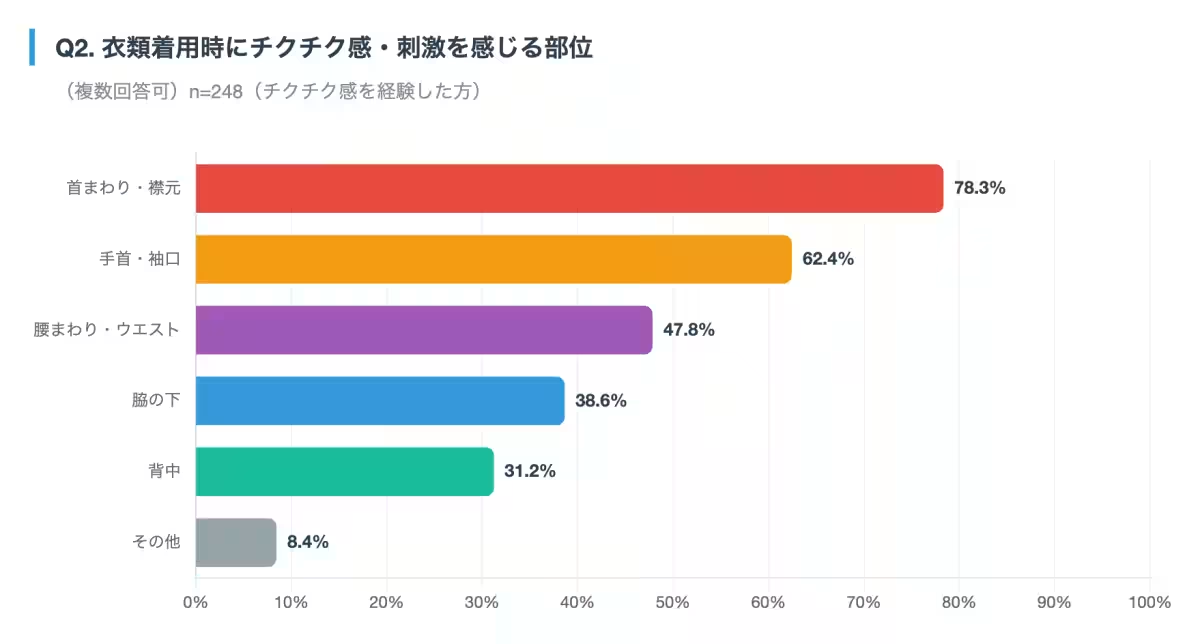
In examining which body parts are most vulnerable to these irritations, the survey revealed that the neck and collar region are the most affected, with 78.3% of respondents experiencing discomfort there. This was followed by wrists and cuffs (62.4%) and waist areas (47.8%). These findings suggest that thinner skin and the points of contact with clothing are more prone to irritations. Other areas affected include:
- - Underarms: 38.6%
- - Back: 31.2%
- - Others: 8.4%
Sensitivity to Wool
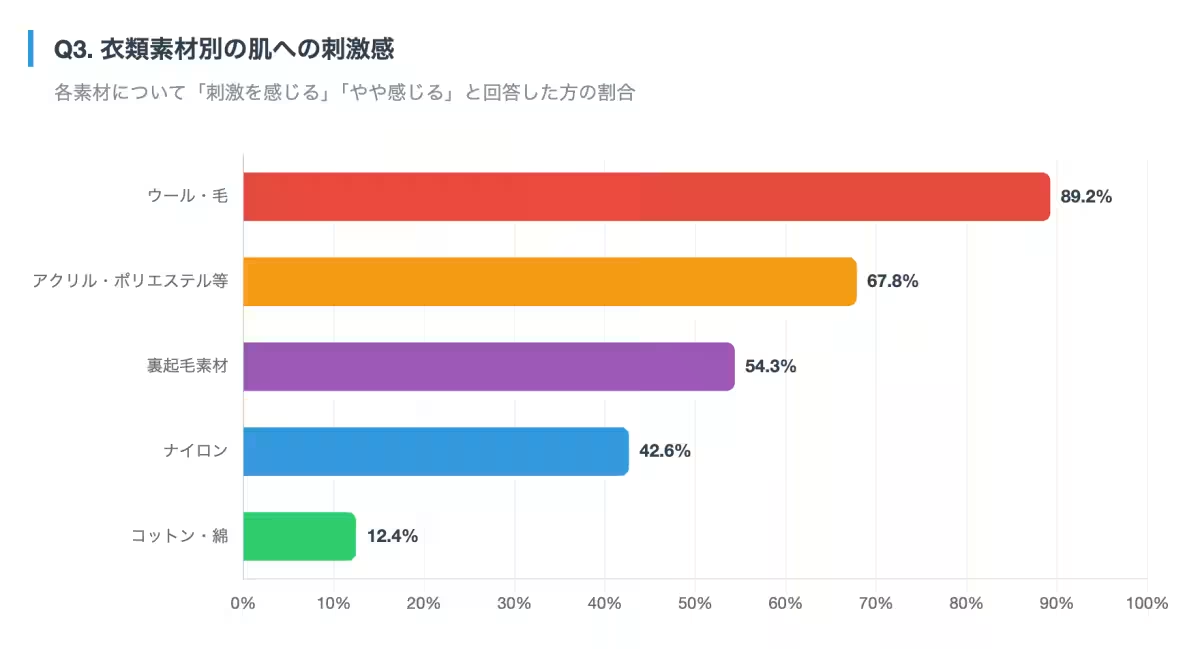
When it comes to material sensitivity, nearly 89.2% of respondents reported discomfort from wool-based garments, making it the highest-ranking fabric for causing skin irritation. This was followed by synthetic fibers like acrylic and polyester (67.8%) and fleece-backed fabrics (54.3%). Interestingly, even natural fibers like wool can irritate the skin depending on their thickness and processing methods.
Seasonal Sensitivity
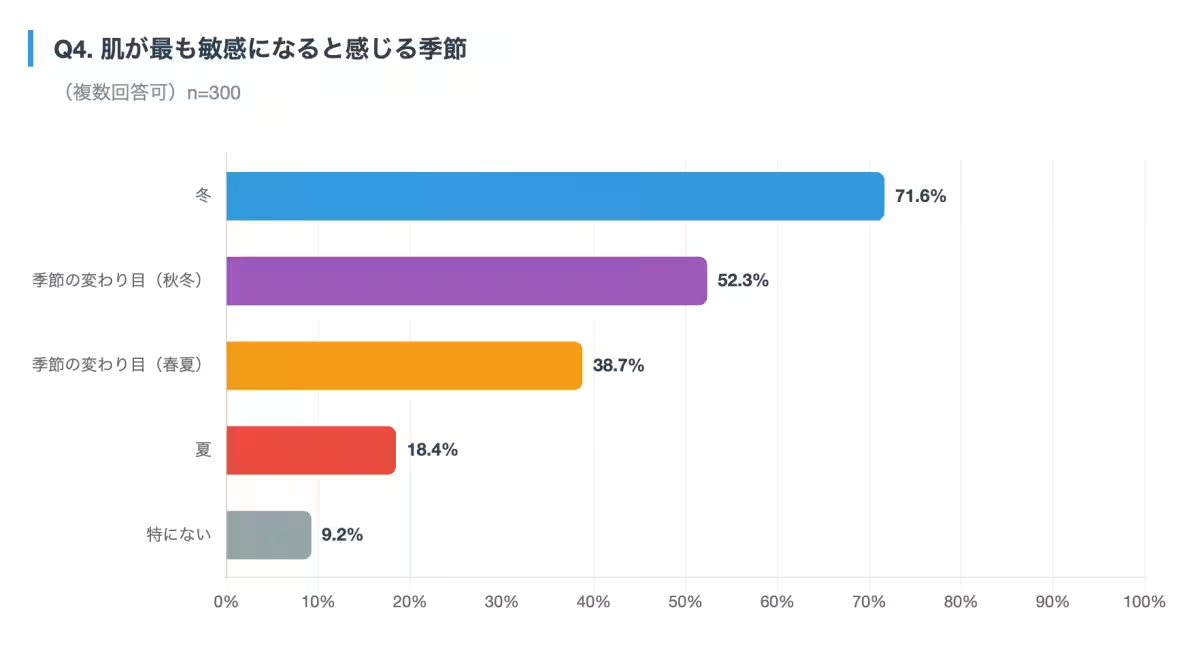
Participants were asked to identify when they feel their skin is most sensitive, with 71.6% citing winter as the period of greatest sensitivity. Seasonal transitions (fall to winter) followed closely at 52.3%. The survey highlighted how winter's dry air and heating contribute to a decrease in skin barrier function, resulting in increased sensitivity to clothing materials.
Managing Skin Irritation
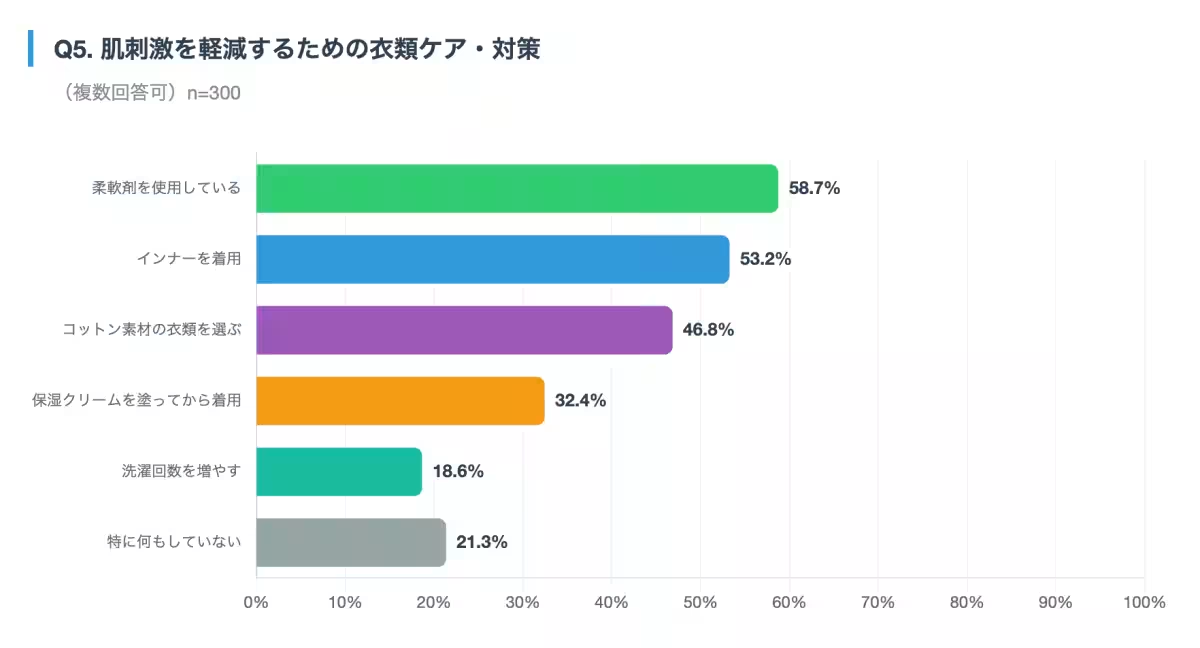
In response to skin irritation and mitigating discomfort, survey respondents shared their go-to strategies:
- - 58.7% use fabric softeners to reduce roughness.
- - 53.2% wear inner garments to prevent fabrics from contacting the skin directly.
- - 46.8% opt for cotton clothing instead.
Final Thoughts
These findings indicate a significant number of individuals struggle with winter allergies due to their clothing. It's vital to recognize that this irritation can lead to serious issues like itching, redness, or even dermatitis. Proper skin care alongside thoughtful clothing choices in winter can help maintain healthy skin. And for persistent symptoms, seeking professional dermatological advice is recommended.
Medical Insights
Dr. Kōta Takakuwa from the IC Clinic emphasized the challenge many face during winter due to the physical structure of fibers and how sensitive skin can react adversely to even mild stimuli when it is compromised. He suggests this season, individuals should focus on maintaining hydration through the use of moisturizing agents rich in ceramides and hyaluronic acid. Also, selecting softer fabrics like cotton or silk for direct skin contact can help alleviate discomfort.
In summary, while winter fashion is enjoyable, it is essential to prioritize skin health, ensuring comfort and beauty go hand in hand. For personalized advice and treatment, feel free to reach out to your local dermatology clinic today.
Topics Health)
【About Using Articles】
You can freely use the title and article content by linking to the page where the article is posted.
※ Images cannot be used.
【About Links】
Links are free to use.