



Uchida Yoko Implements SmartOfficeNavigator for Asahi Kasei's Headquarters Employee Connectivity and Data Utilization
Revolutionizing Workplace Communication: The SmartOfficeNavigator at Asahi Kasei Headquarters
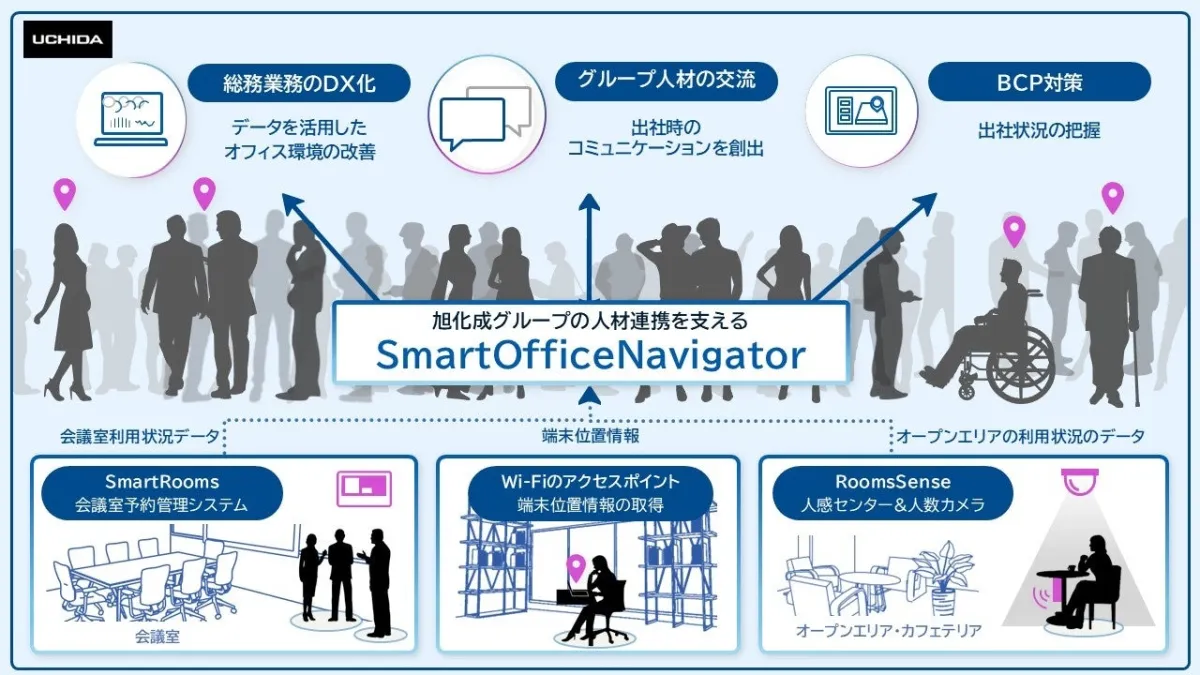
In an effort to enhance connectivity and communication among its workforce, Uchida Yoko has introduced the innovative system, SmartOfficeNavigator, at the headquarters of Asahi Kasei Corporation, located in Tokyo. With a workforce of approximately 3,000 employees, Asahi Kasei is recognized for its commitment to contributing to the lives and daily activities of people globally through its diverse business domains, including healthcare, housing, and materials. Following the changes in work habits resulting from the COVID-19 pandemic, the necessity for facilitating communication and collaboration in the workplace became paramount. Thus, the implementation of SmartOfficeNavigator serves as a strategic solution to address these challenges.
Addressing Modern Work Challenges
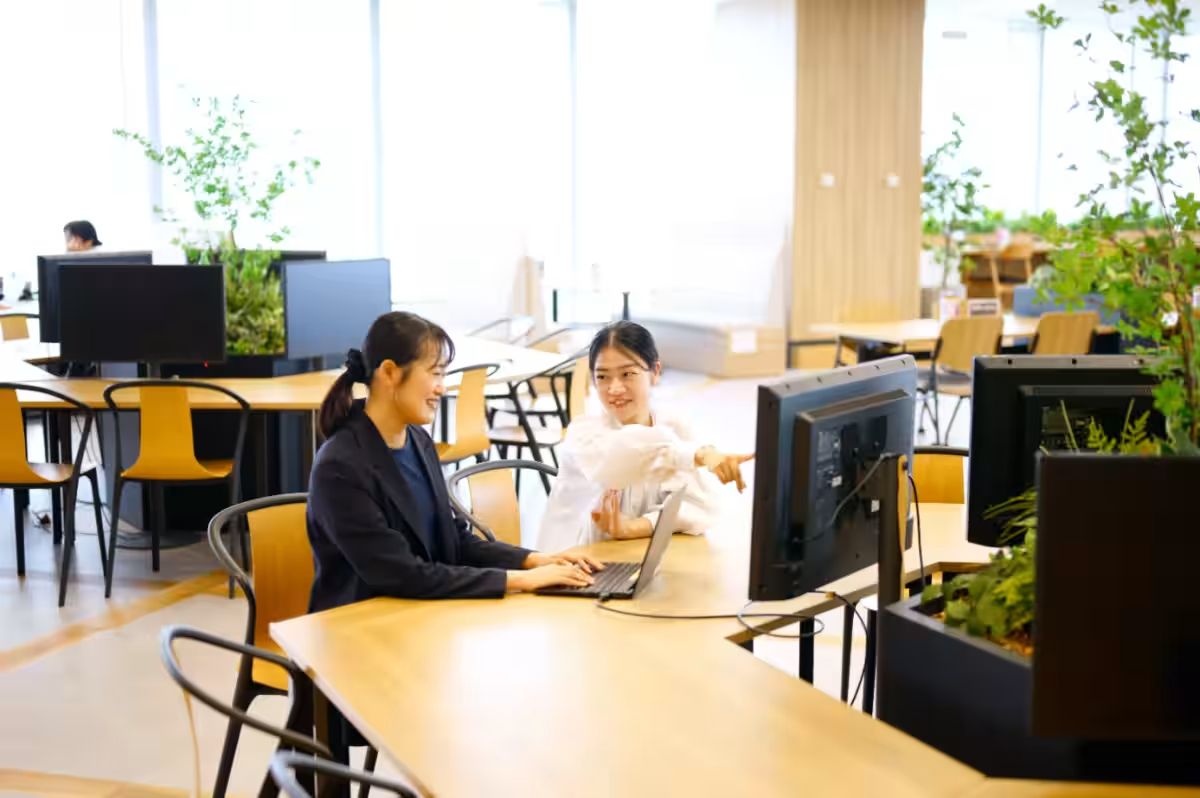
The headquarters plays host to a variety of specialized personnel across numerous companies within the Asahi Kasei group. Traditionally, employees operated under a structured in-office work model, but with an increase in remote work scenarios, the impetus to create avenues for interaction grew. SmartOfficeNavigator makes use of Wi-Fi connection data to allow real-time visibility into employees' locations, promoting natural interactions during office attendance.
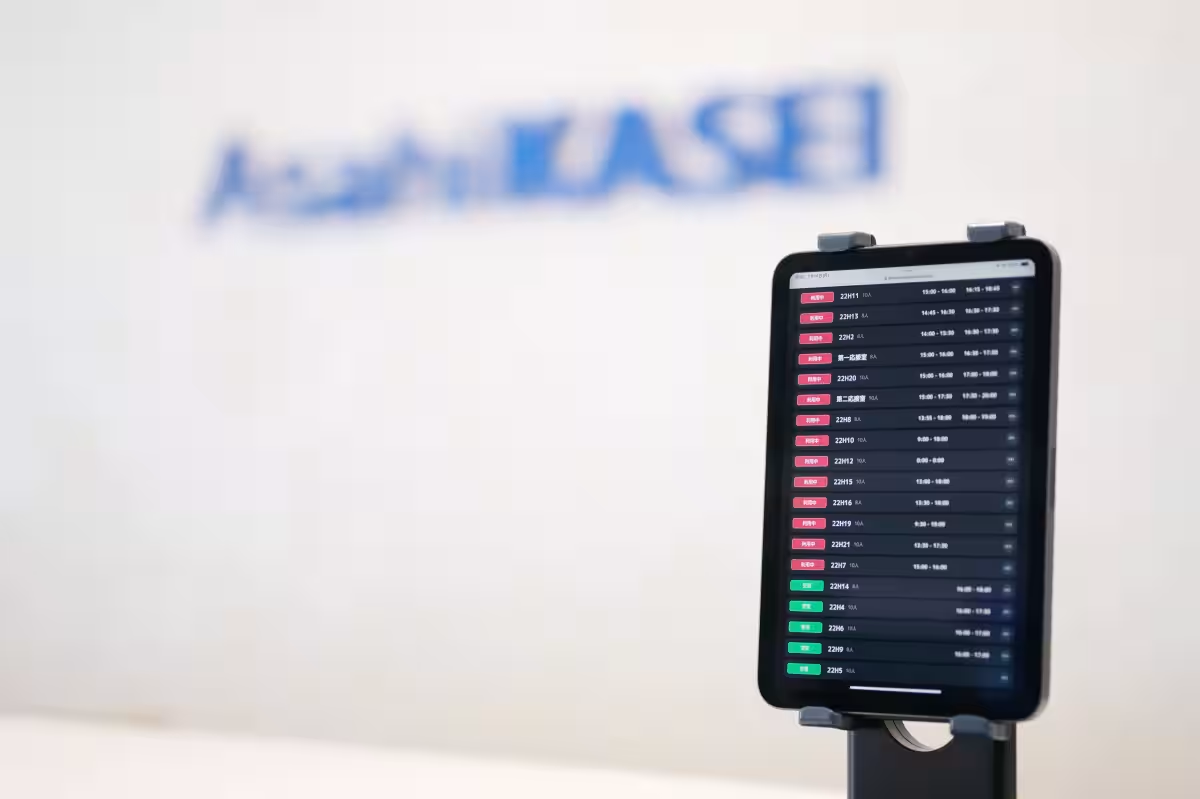
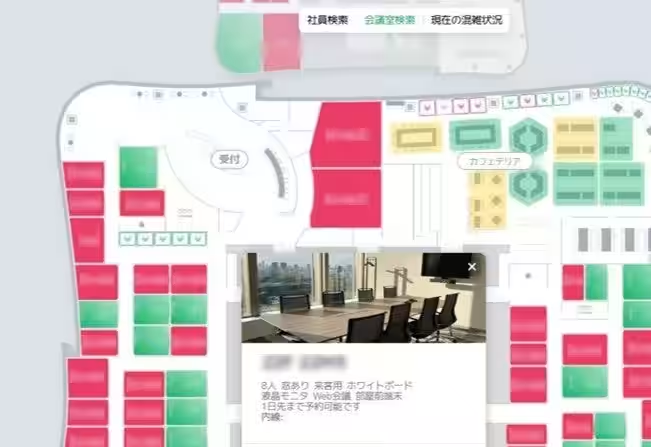
Additionally, within this system, features such as SmartRooms for conference room management and RoomSense for monitoring congestion in open spaces have been incorporated. Approximately 200 meeting rooms and shared spaces utilized by the group are monitored using the SmartOfficeNavigator, optimizing overall room utilization, alleviating congestion, and streamlining operations for the administrative department.
Real-Time Visibility for Enhanced Collaboration
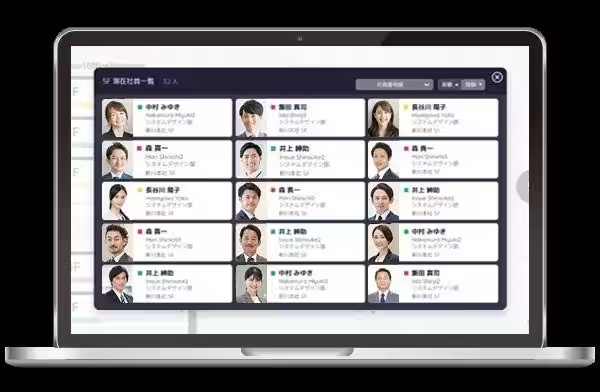
A distinct feature of SmartOfficeNavigator is its integration with Microsoft 365, allowing for real-time displays of employee presence, including photos, names, and affiliations. This not only clarifies “who is in the office” and “where they are located” but also fosters a sense of familiarity and encourages natural interactions. As employees can quickly identify who else is present, it alleviates barriers to communication and promotes engagement among staff.
Data-Driven Office Reform Initiatives
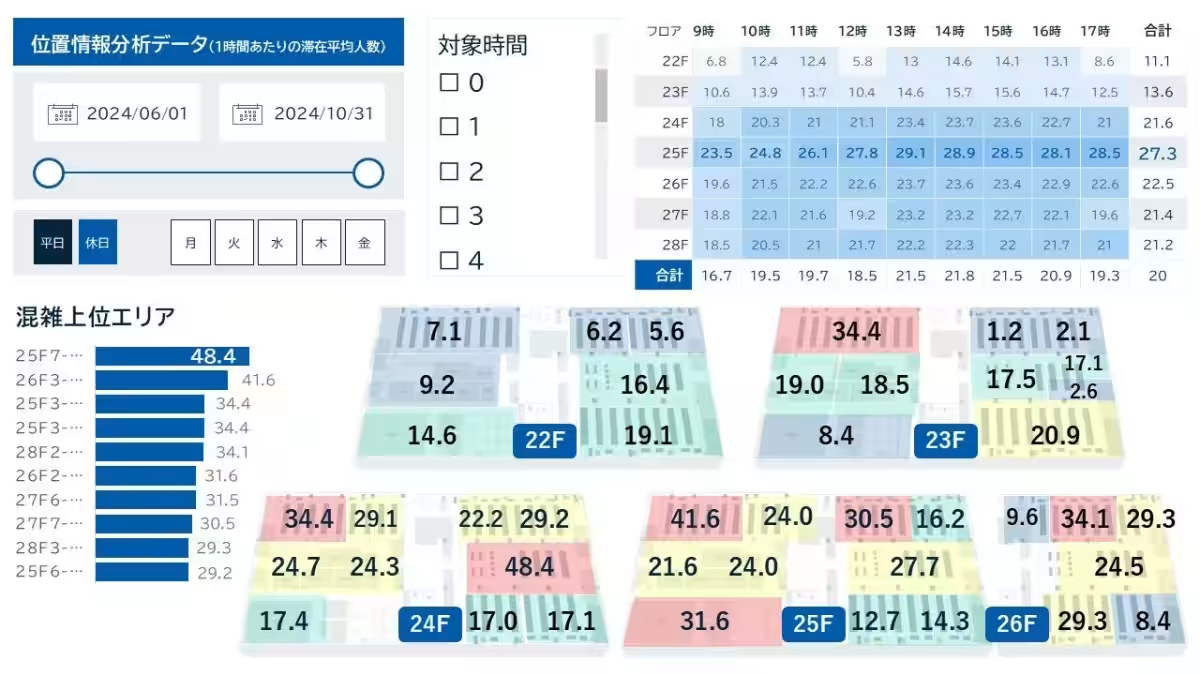
To better understand workplace usage and trends, Asahi Kasei's administrative department is actively utilizing data to visualize and address office-related issues. By analyzing data captured from over 76 occupancy sensors and ceiling cameras, they recognized that the cafeteria's usage rates were lower than anticipated. In response, they expanded monitor installations and adjusted furniture layouts, leading to increased utilization confirmed through follow-up assessments.
The administrative team is continuously implementing data-supported initiatives, aiming to enhance efficiency in office layouts and equipment use based on observed behaviors.
Optimized Conference Room Management
Given that the headquarters also serves as a crucial meeting space for external partners and stakeholders, effective management of the approximately 200 conference rooms is vital. SmartOfficeNavigator allows for centralized real-time management of meeting room bookings and availability, enabling staff to swiftly assess which rooms are open. The innovative “Concierge Feature” of the SmartOfficeNavigator program further improves operations by updating cleaning schedules in real time following room usage, ensuring timely preparations for incoming visitors.
Supporting Business Continuity Planning (BCP)
Beyond improving everyday operations, SmartOfficeNavigator is envisioned as a critical infrastructure that can function during emergencies or disasters. Using the employee presence feature, the system can assist in quickly assessing who is in the office, aiding in emergency response measures and business continuity planning for the entire Asahi Kasei group.
A Message from Asahi Kasei's Management
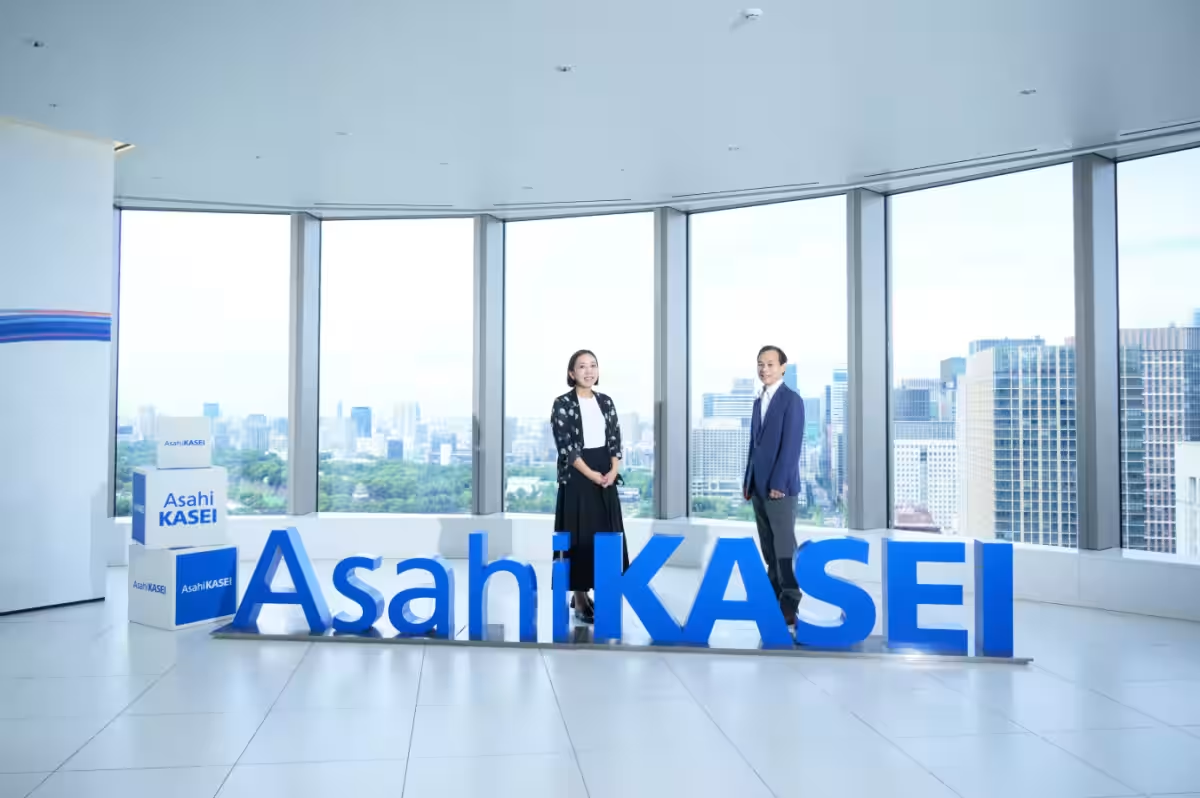
According to Junyo Sumoto, Section Manager at Asahi Kasei's General Affairs Department, the COVID-19 pandemic was a catalyst for significant changes in workplace dynamics, leading to the integration of SmartOfficeNavigator alongside the office renewal. The decision was bolstered by the system's capacity to seamlessly monitor employee whereabouts, its successful implementation in large-scale applications, and the clear roadmap for data utilization presented by Uchida Yoko. The current environment supports efficient space utilization, as well as the building of connections across different departments and roles.
Conclusion
Asahi Kasei continues its commitment to adapting and thriving in a changing work landscape while fostering connections across its workforce. The introduction of the SmartOfficeNavigator is just one step towards realizing a modern workplace where employee interactions are optimized, data is effectively utilized, and purpose-driven space management is achieved. By continuing to innovate and embrace data-driven strategies, both Uchida Yoko and Asahi Kasei are poised for a future that prioritizes growth, collaboration, and enhanced employee experiences.
Topics Consumer Products & Retail)
【About Using Articles】
You can freely use the title and article content by linking to the page where the article is posted.
※ Images cannot be used.
【About Links】
Links are free to use.