



Understanding Inner Dry Skin: A Comprehensive Study on Winter Skin Problems
Understanding the Rise of Inner Dry Skin This Winter
As the temperatures drop and humidity levels plummet, many individuals begin to experience various skin problems. Notably, a study conducted by the Medical Corporation Iron Connection, which operates the IC Clinic across several locations in Tokyo, aimed to shed light on a lesser-known issue—inner dry skin, or inner dryness, which affects a majority of people without them realizing it.
The Issue at Hand
According to the data from a survey targeting 300 participants aged 20 to 40 across Japan, over 70% reported feeling the drying effects on their skin as winter approaches, indicating that many are essentially preliminary candidates for winter skin troubles.
Overview of the Survey
- - Target: 300 individuals aged 20-40 in Japan
- - Period: October 18 to October 25, 2025
- - Method: Online survey
- - Conducted by: Medical Corporation Iron Connection
Observations from the Survey
73.7% Report Dry Skin
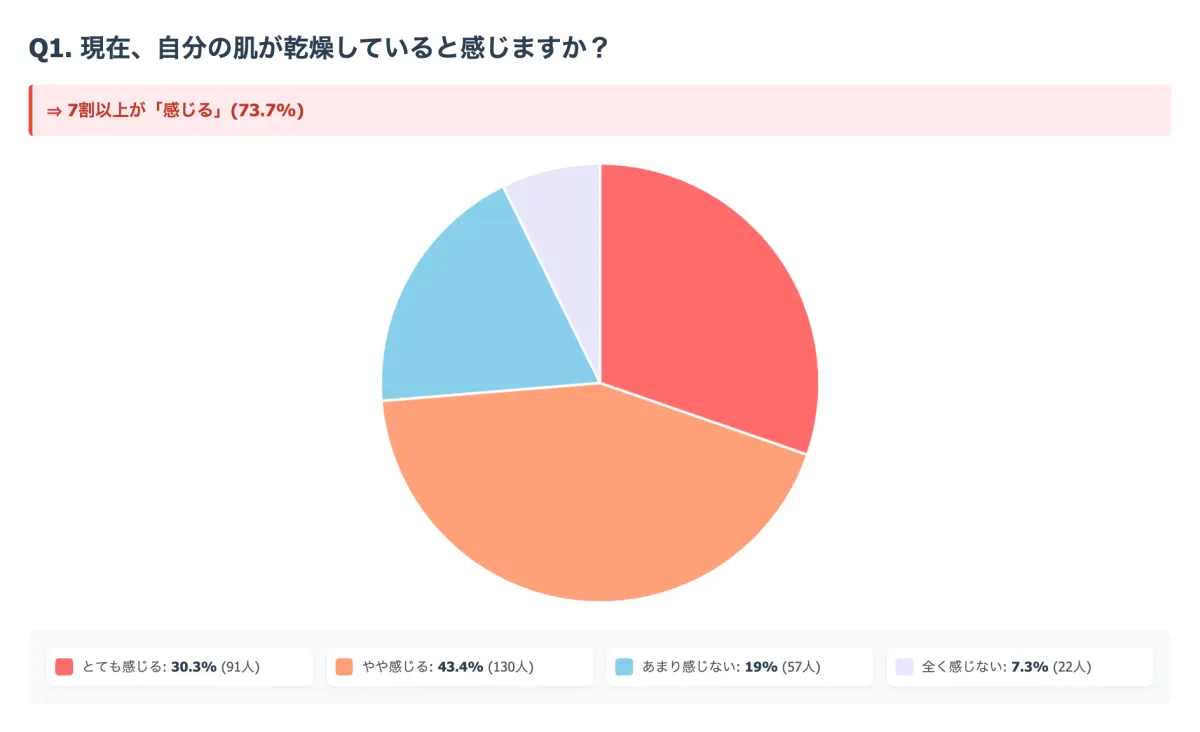
A key finding revealed that 73.7% of respondents felt their skin was dry. Specifically, 30.3% felt it was very dry, while 43.4% felt somewhat dry. With winter around the corner, this high percentage signals that many people are on the brink of experiencing significant skin issues this season.
Skin Trouble Peaks Post-Cleansing
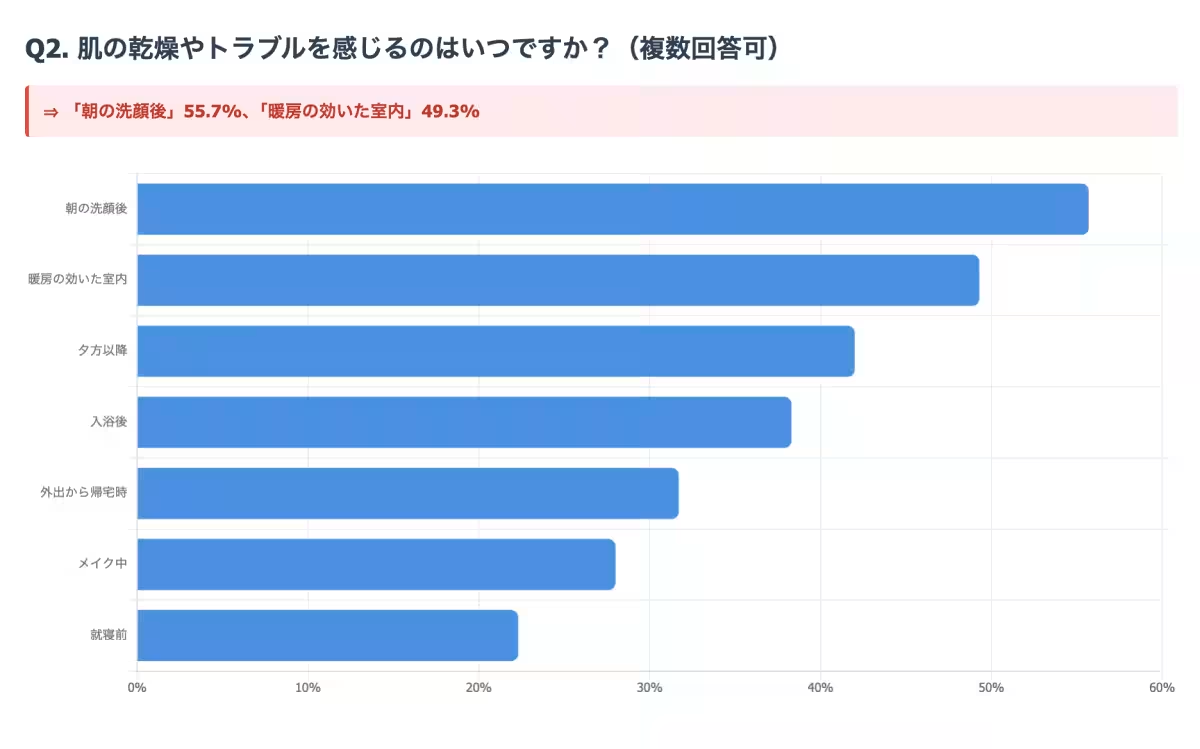
The survey also identified when individuals noticed the most skin troubles. It turns out that washing one’s face in the morning triggered the most complaints, indicated by 56% of participants. Another 49% noted indoor heating as a primary contributor to skin discomfort. It’s critical because the temporary removal of facial oils during washing and the drying effects of heating are primary culprits disrupting the skin's moisture levels.
68.3% Have Experienced Inner Dry Skin Symptoms
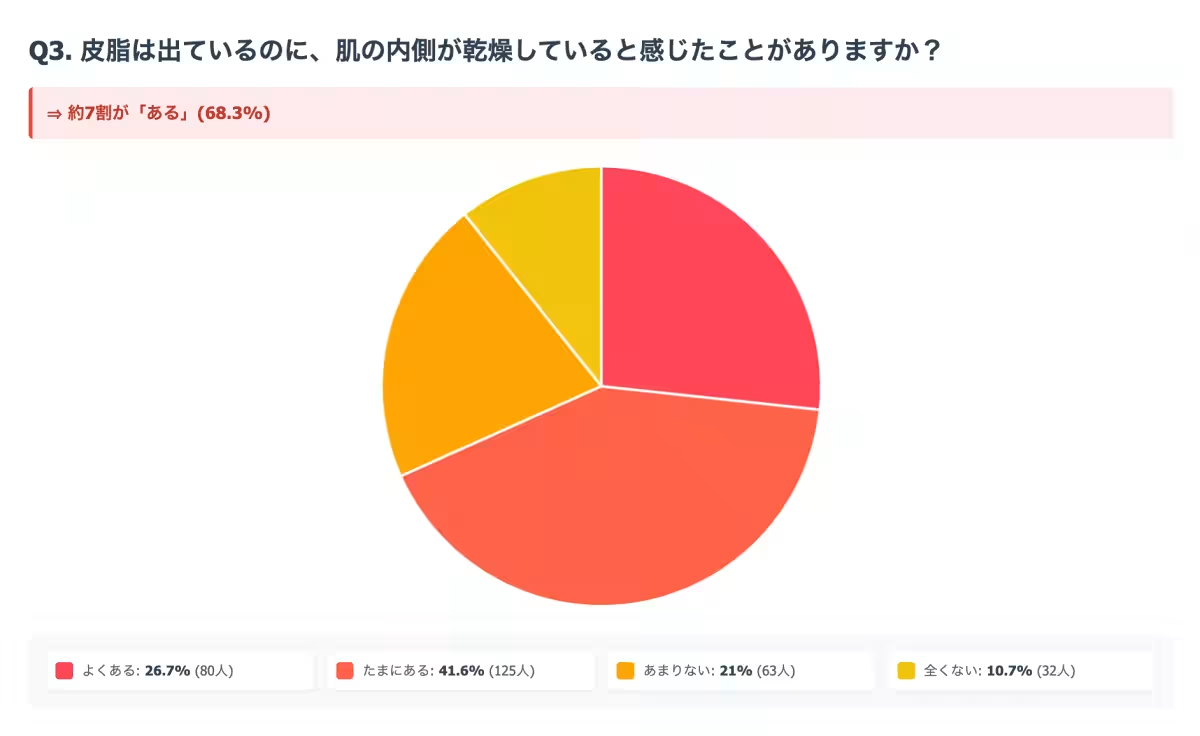
When asked if they had experienced the sensation of oily skin yet feeling dry inside, 68.3% answered affirmatively. This state, known as inner dry skin, leads to an increase in oil production intended to compensate for the perceived dryness, often causing a cycle of mismanagement in skincare routines.
Alarmingly Low Awareness of Inner Dry Skin
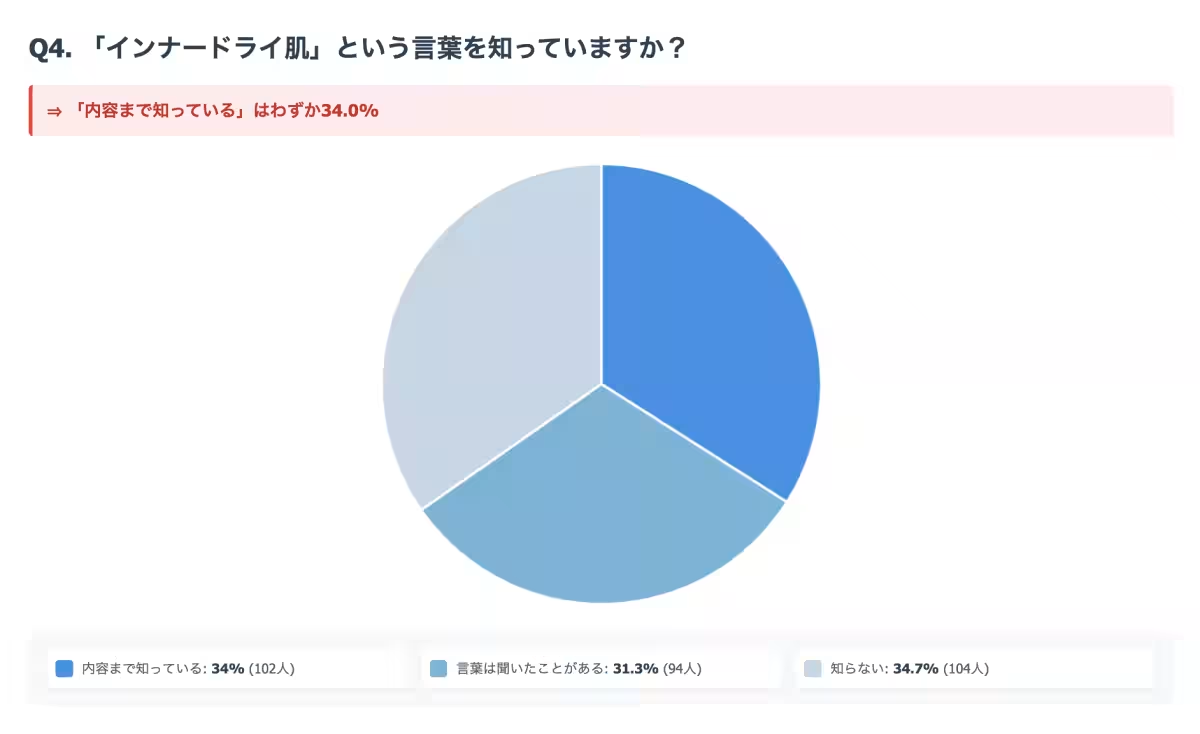
Despite experiencing these symptoms, only 34% of respondents were aware of the term
Topics Health)







【About Using Articles】
You can freely use the title and article content by linking to the page where the article is posted.
※ Images cannot be used.
【About Links】
Links are free to use.