



Innovative Cultivation Technique Unleashes Plant Cell Metabolism for Valuable Compound Production
Introduction
In the ever-evolving field of biotechnology, researchers are constantly seeking innovative methods to enhance the production of valuable compounds from plant cells. A recent study spearheaded by a team at Tokyo University of Science has unveiled a brilliant technique that utilizes endophytic bacteria to awaken the latent metabolic capabilities of plant cell cultures. This pioneering research highlights a promising avenue for efficient and sustainable production of medicinal and functional materials.
Research Background
The potential of plant cells to produce a diverse range of crucial compounds is well-established. However, cultivated plant cells, specifically cultured cells like BY-2 (derived from tobacco), have traditionally shown limited production capabilities. Thus, the need for novel methods to unlock their full metabolic potential has become paramount. The researchers have investigated endophytic bacteria—bacteria that reside within plants without causing harm—as a means to stimulate these dormant pathways effectively.
Methodology
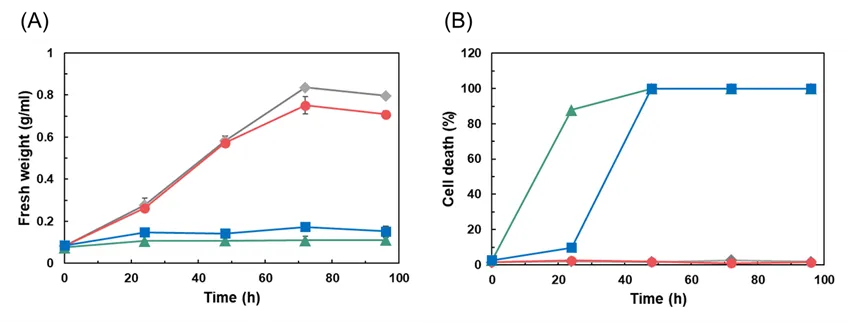
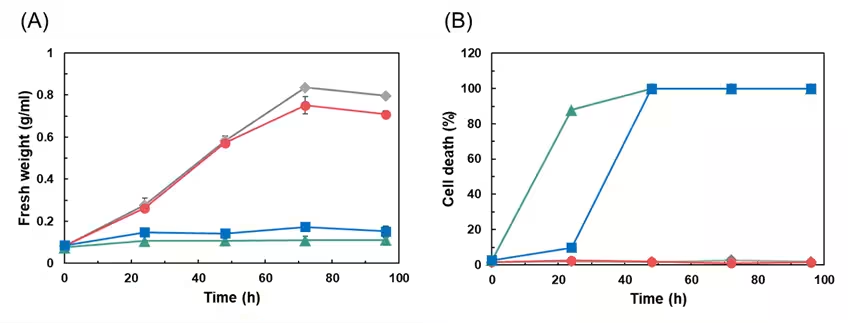
The research team, led by Professor Toshiki Furuya and Assistant Professor Takafumi Hashimoto, conducted their experiments by co-cultivating the BY-2 tobacco cell culture with an endophytic bacterium, Delftiasp. BR1R-2, extracted from komatsuna (Japanese mustard spinach). They found that, unlike many microorganisms that can inhibit plant cell growth, BR1R-2 had no detrimental effects on BY-2 cell proliferation. This unique interaction was instrumental in altering the metabolic profile of the BY-2 cells significantly.
Findings
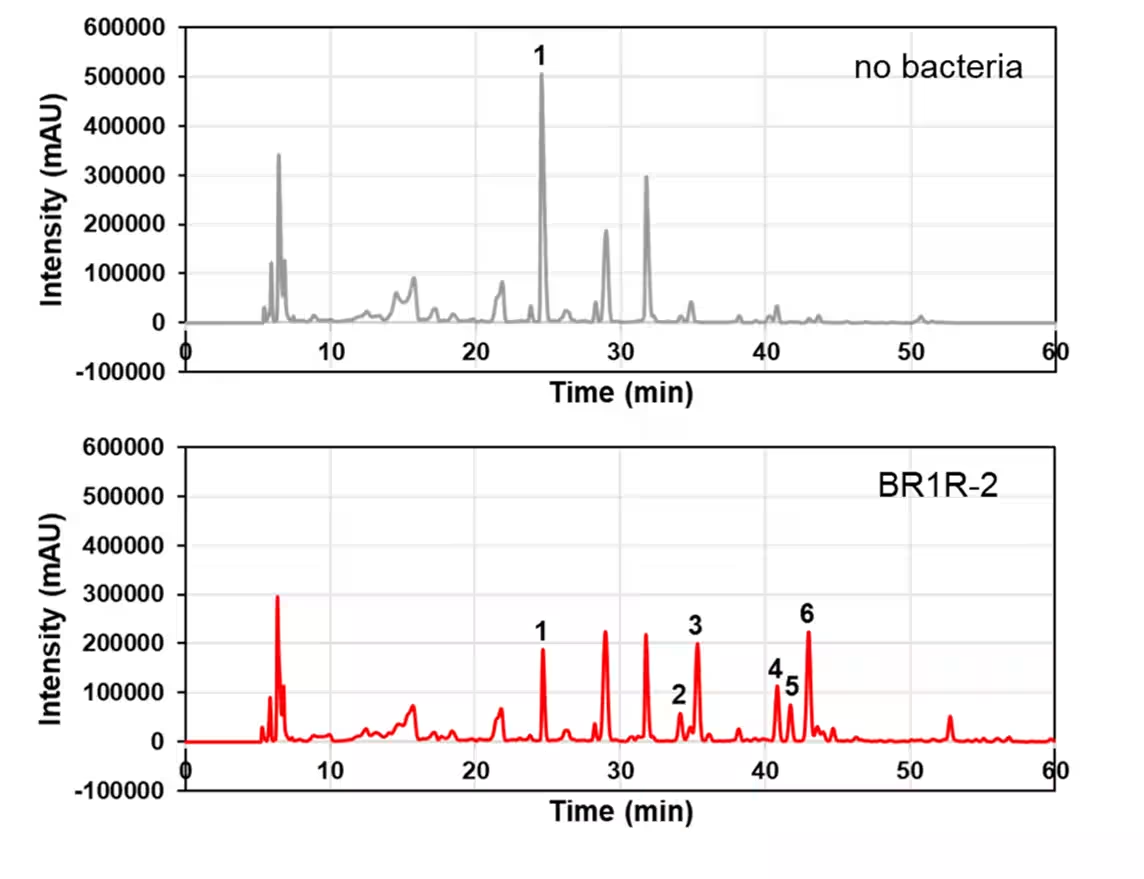
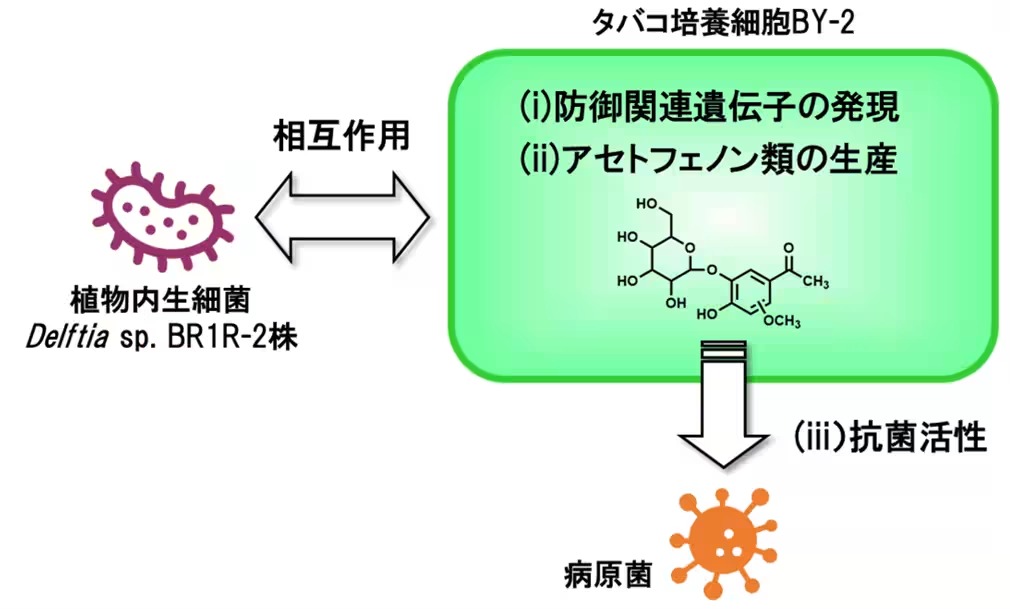
Through careful analysis, the researchers identified that the presence of BR1R-2 bacteria led to considerable changes in the metabolic product profile of BY-2 cultures. Remarkably, induced compounds included derivatives of acetophenone, renowned for their antibacterial properties. The study demonstrated that the co-cultivation approach not only preserved cell proliferation but actually enhanced the synthesis of compounds pivotal for plant defense mechanisms.
The experimental results confirmed that BR1R-2 could activate defense-related genes and stimulate the production of antimicrobial substances within the BY-2 cells. This activation is especially significant as it suggests that endophytic bacteria can be leveraged to engineer plant cell systems for heightened compound production without compromising cell viability, a common challenge in previous studies involving other microorganisms.
Implications
This groundbreaking technique opens the door for future research and applications in the pharmaceutical and functional material development sectors. By utilizing endophytic bacteria to enhance the metabolic capabilities of not just tobacco, but potentially a variety of other plant cell cultures, researchers anticipate uncovering a vast reservoir of previously untapped plant metabolic abilities.
Future Directions
The insights from this study have been published in the renowned journal, Microbial Biotechnology, marking a significant milestone in the field of plant biotechnology. The collaborative nature of this research, involving various specialists in microbiology and plant science, underscores the importance of interdisciplinary approaches to solving complex biological challenges. As the research group continues to refine this co-cultivation methodology, they aim to extend the application to different plant species, aiming for a broader impact on agricultural biotechnology and sustainable compound production.
This study was supported by grants from the Japan Society for the Promotion of Science (JSPS), the Nagase Science and Technology Foundation, and the Noda Institute of Industrial Science Research, reflecting the growing interest and potential of this research area in the global scientific community.
Conclusion
The successful awakening of dormant metabolic pathways in plant cell cultures through strategic co-cultivation presents an inspiring model for the future of biotechnological advancements. With ongoing research and exploration, this approach could transform the landscape of how we produce valuable bioactive compounds from plants, making significant contributions to science and industry alike.
Topics Consumer Technology)
【About Using Articles】
You can freely use the title and article content by linking to the page where the article is posted.
※ Images cannot be used.
【About Links】
Links are free to use.