


The Impact of Extreme Heat on Senior Lifestyle Choices in 2025
The Impact of Extreme Heat on Senior Lifestyle Choices in 2025
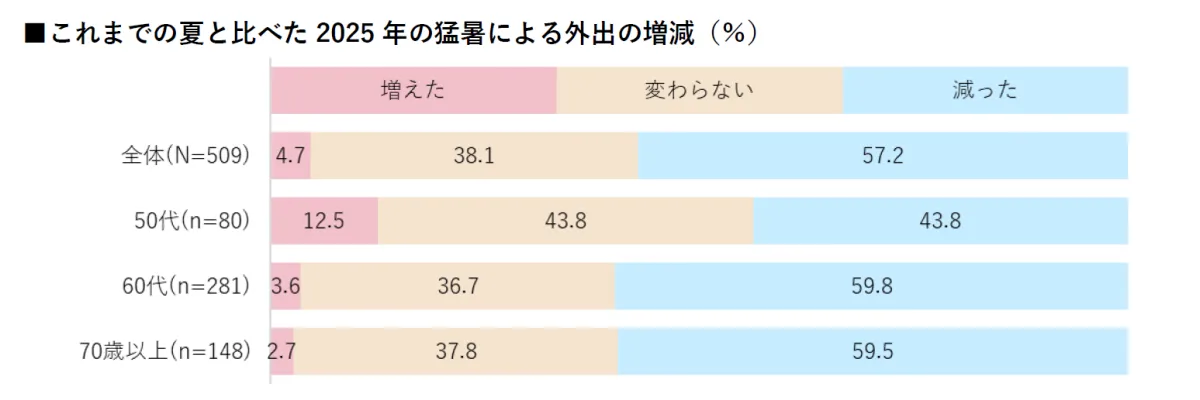
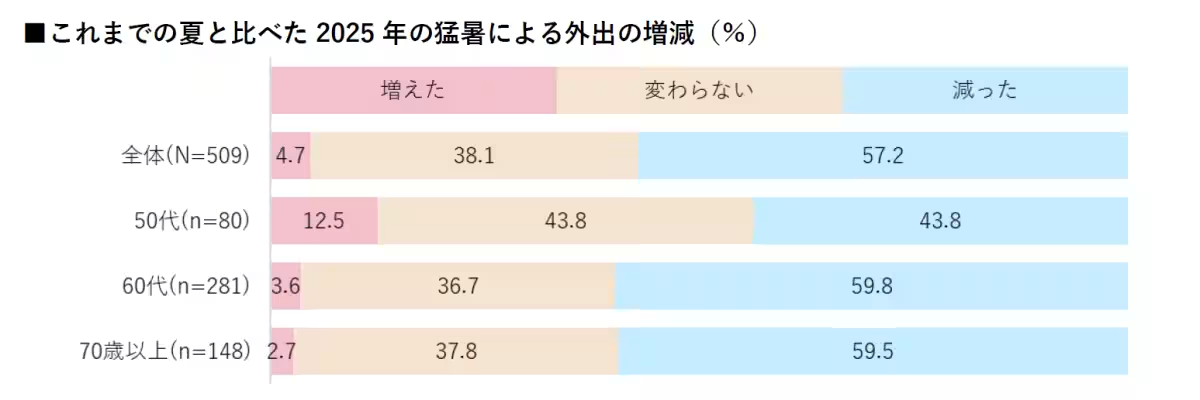
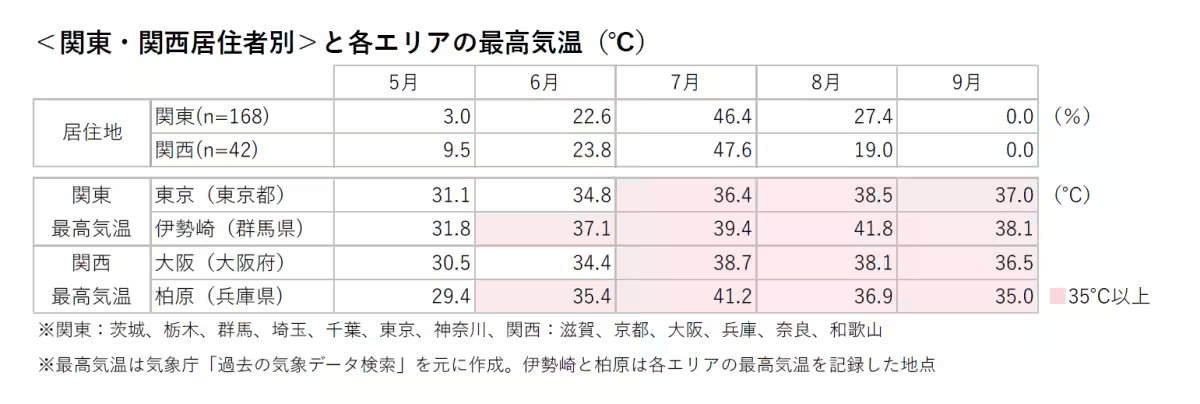
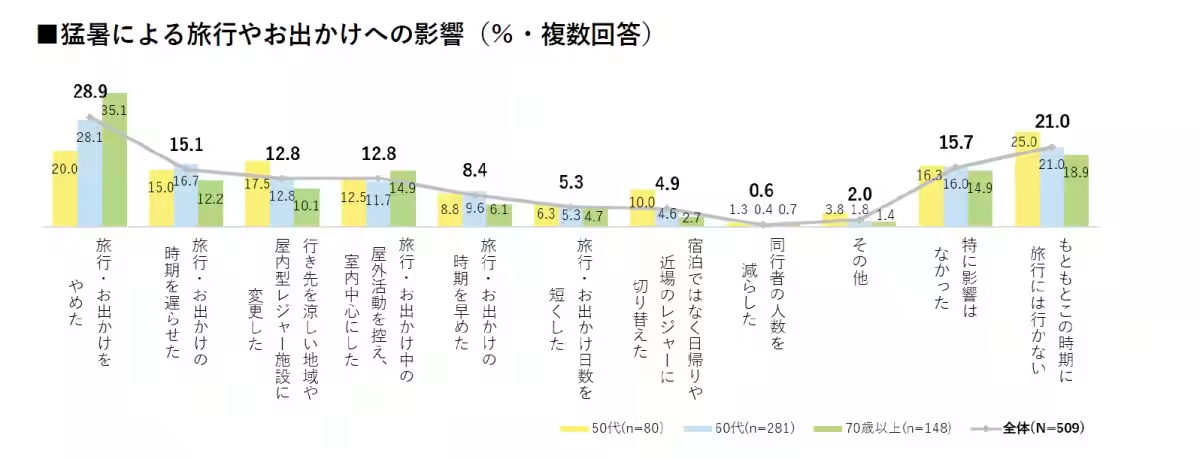
In 2025, the extreme heat wave has led to significant changes in the lifestyle choices of seniors over 50, particularly among women. According to a survey conducted by Halmeq's Lifestyle Research Institute, nearly 60% of respondents reported reducing their outdoor activities due to the extreme temperatures. The survey included 509 participants and revealed that about one-third of seniors opted to cancel travel plans or outings as temperatures began to soar, often reaching 35°C as early as June.
Changing Perceptions of Summer
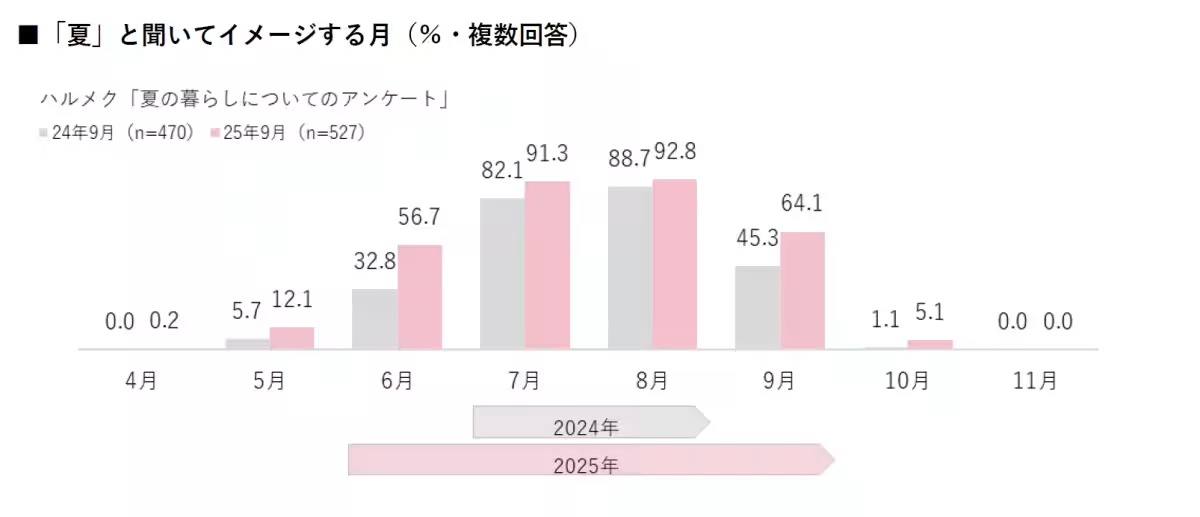
The traditional perception of summer, usually confined to July and August, has slowly evolved. Now, 83% of seniors believe that summer extends from June to September, a notable shift attributed to rising temperatures. This transformation reflects a broader trend in which the definition of summer is shaped not just by the calendar dates but by climatic conditions.
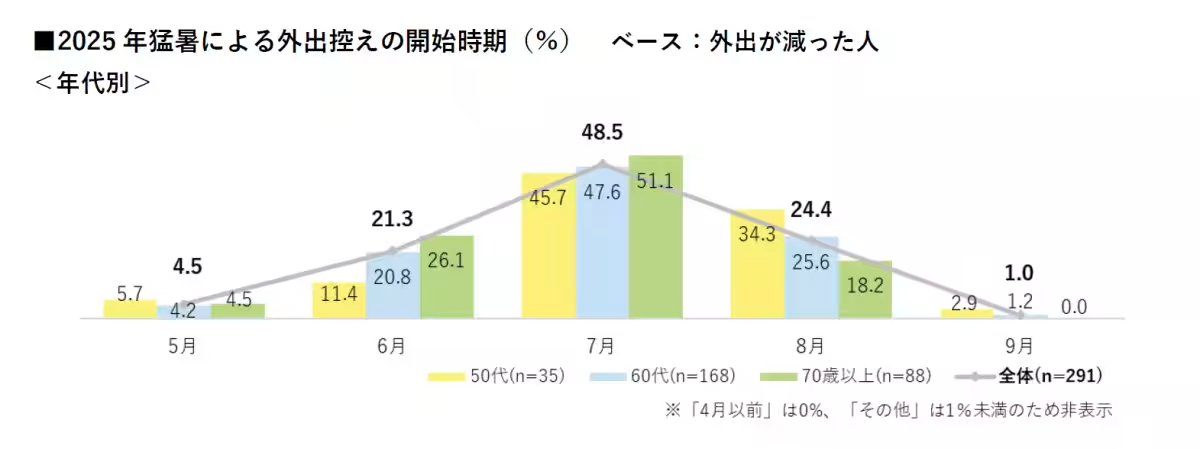
Interestingly, those in the 60s and above were more likely to report a significant decline in outdoor activities, with 57.2% admitting to reduced outings compared to the previous summers. Starting as early as June, areas across Kanto and Kansai recorded temperatures exceeding 35°C, prompting many to restrict their time outside. Among those who curtailed their activities, 21.3% indicated they began doing so in June, and 48.5% in July, emphasizing age-related differences in responsiveness to rising temperatures.
Housebound Entertainment and Lifestyle Adjustments
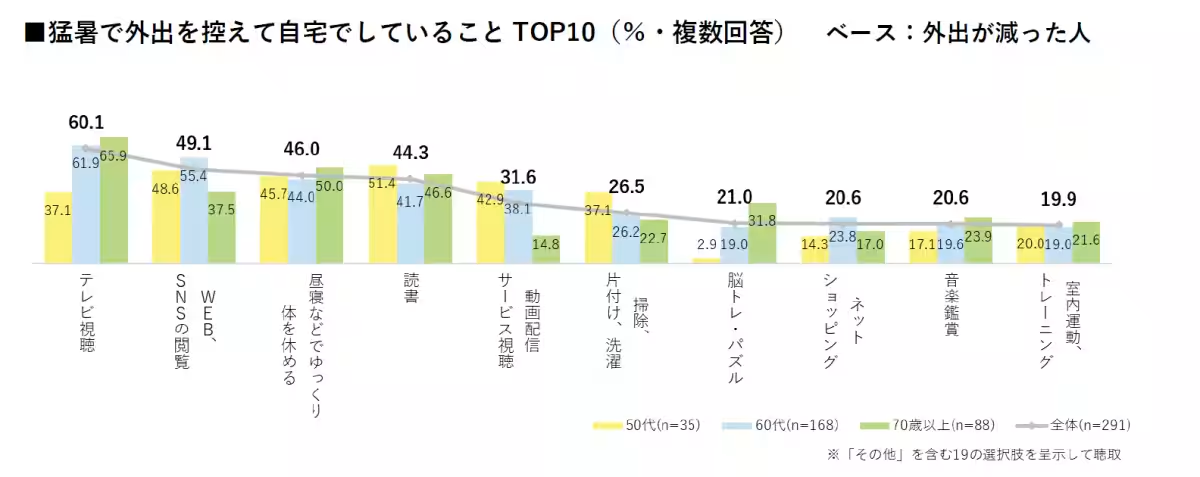
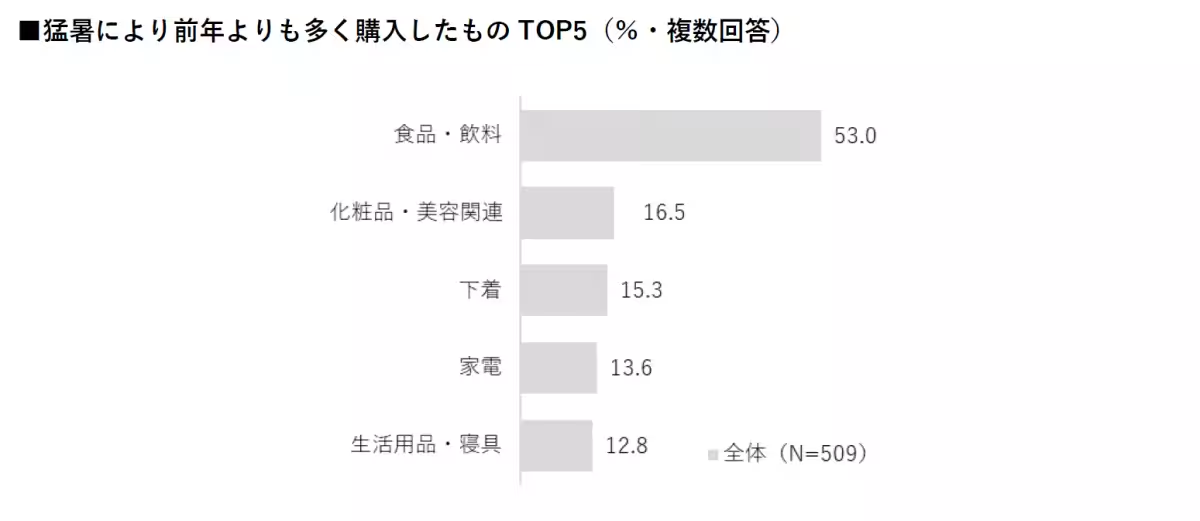
Due to these heat waves, many seniors turned to indoor activities. Primary activities at home included watching television, browsing the web, and taking afternoon naps. Notably, there was an increase in purchases of food and beverages, with many adapting their shopping habits. Online shopping saw a rise as seniors sought to avoid the heat.
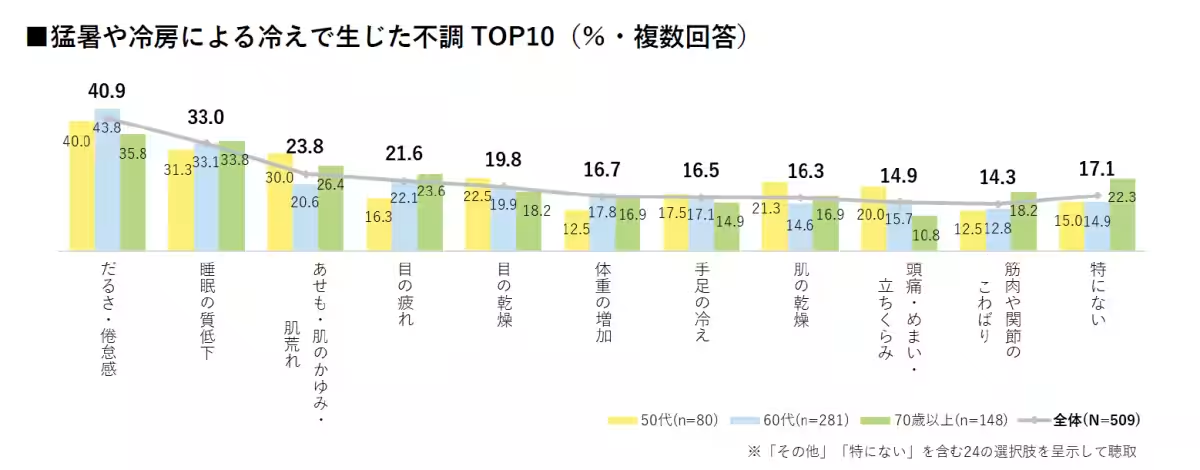
Respondents also identified common purchases to combat the heat, with food and drinks topping the list, followed by heat stress alleviation products. As more people stayed indoors, issues such as eye strain and dehydration became prevalent, further impacting their quality of life. The most common complaints, reported by a substantial 82.9% of participants, included fatigue, decreased sleep quality, and skin problems such as dryness and irritation.
Anticipations for Summer 2026
Looking forward to summer 2026, many seniors aim to adapt their habits and routines to cope with the anticipated heat. Responses collected included intentions to maintain physical activity during cooler hours, improve dietary habits for better hydration, and prioritize UV protection while outdoors.
Suggestions from the survey pointed to a broader trend where seniors are not merely focused on reducing consumption but are willing to invest in items that enhance their comfort and health during extreme weather. Examples included purchasing air conditioning units, heat-resistant clothing, and engaging in hobbies that can be enjoyed indoors.
Expert Insights: Yukie Umedzu, director of Halmeq Lifestyle Research Institute, emphasized that this ongoing shift towards a prolonged summer not only reshapes outdoor plans but also creates opportunities for businesses to adjust marketing strategies towards temperature-driven products and services.
Conclusion
The findings reveal a critical connection between climate and lifestyle, particularly within the senior demographic. While the heat poses challenges, it also opens avenues for innovation and adaptation in living conditions, suggesting that marketers targeting seniors must remain sensitive to these evolving dynamics. As temperatures dictate lifestyle changes, the way seniors embrace summer and engage with products will continue to transform. The long summer of 2025 not only presents challenges but also marks a pivotal point for creating new opportunities in the evolving landscape of senior living.

Topics People & Culture)





【About Using Articles】
You can freely use the title and article content by linking to the page where the article is posted.
※ Images cannot be used.
【About Links】
Links are free to use.