



Midlife Crisis No More: Embracing Beauty Care for Seniors
Midlife Crisis No More: Embracing Beauty Care for Seniors
As April 28 marks Senior Day in Japan, it serves as a reminder not only to honor the elderly but also to support those in their 40s and 50s in confidently creating a life that reflects their values. Increasingly, many individuals within this demographic are confronting a so-called "midlife crisis," leading them to seek new paths, including the emerging role of "Care Beauticians."
The Emergence of the Care Beautician Role
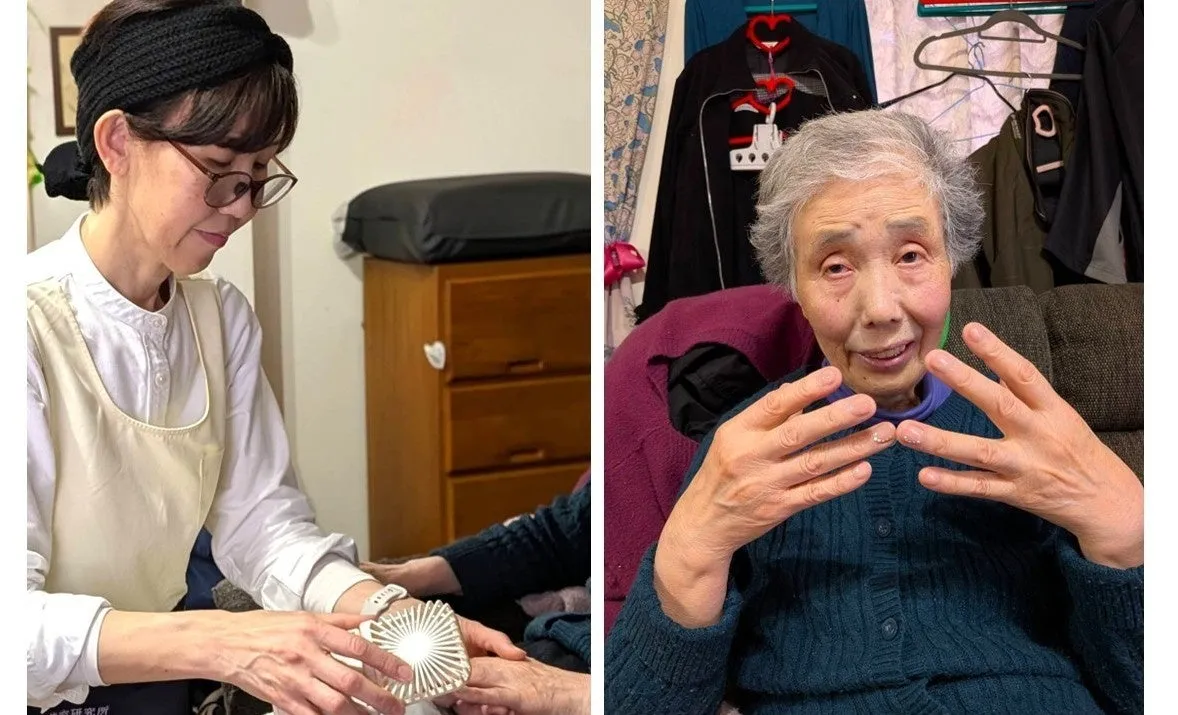
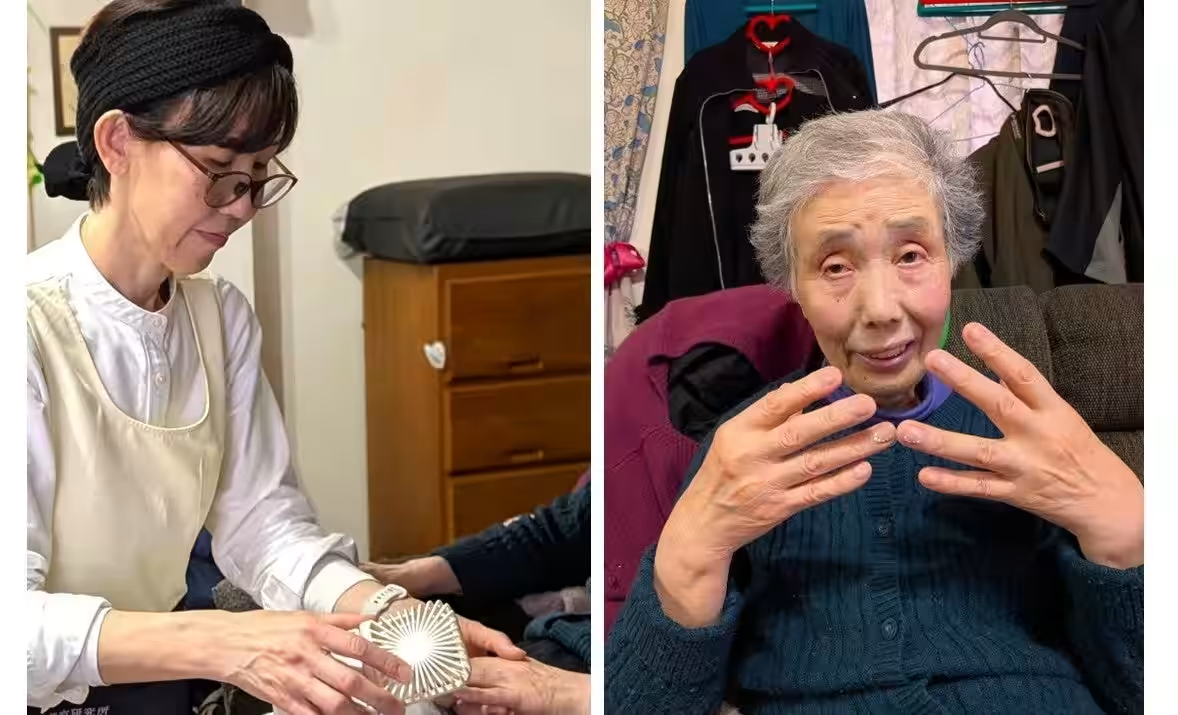
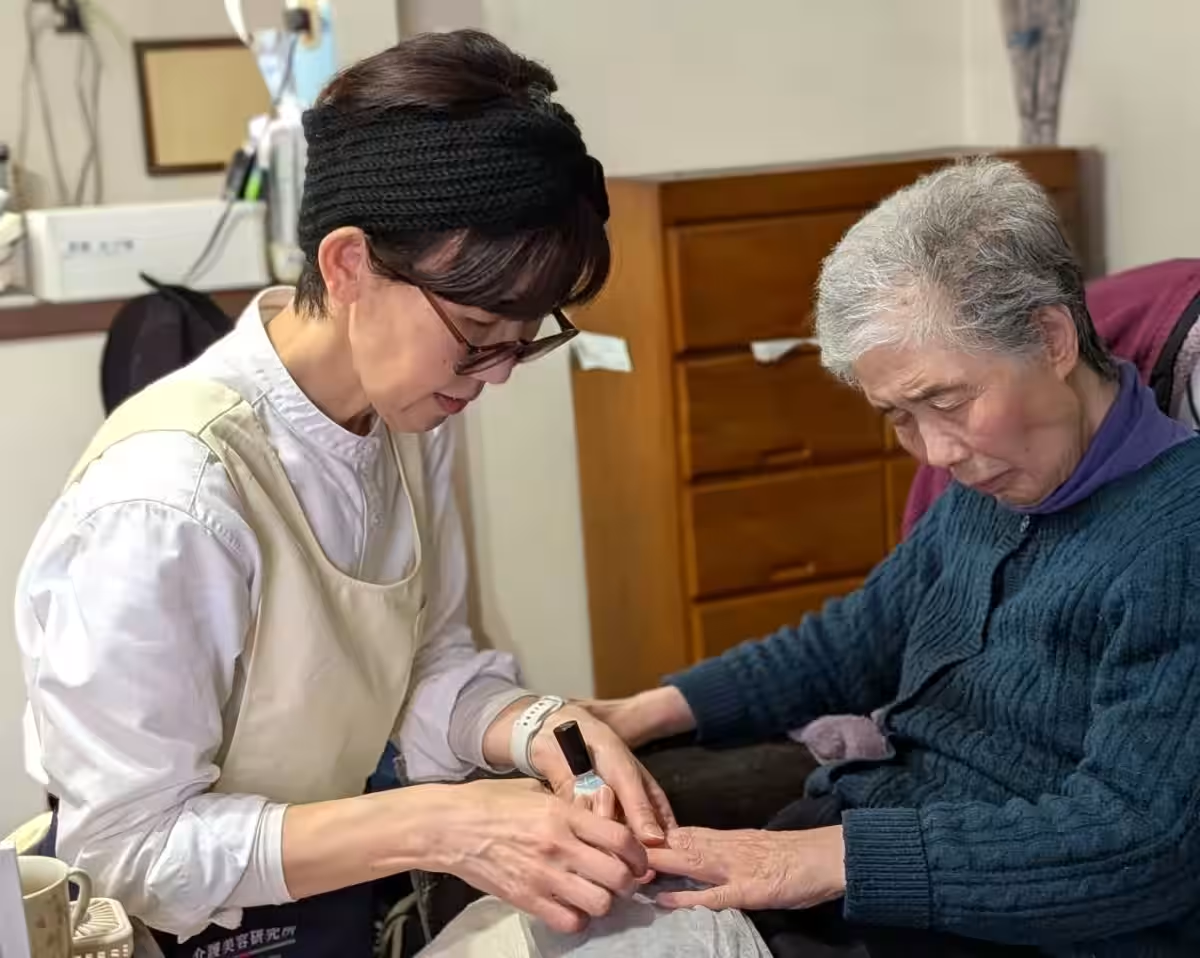
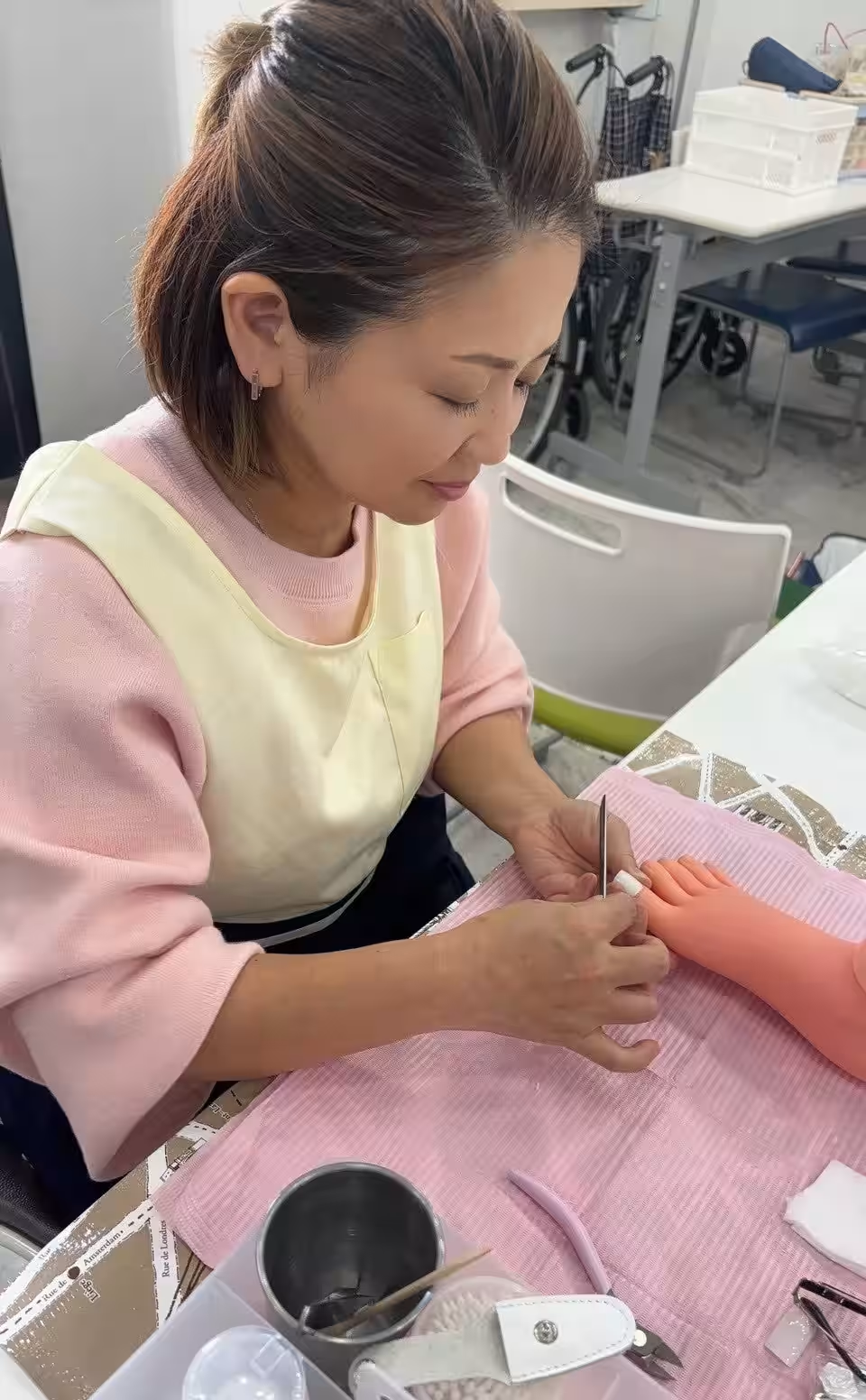
Operated by Mirai Project Co., Ltd., the Care Beauty Research Institute in Shibuya, Tokyo, focuses on training professionals to enhance the quality of life (QOL) for elderly individuals through beauty care. Recent trends show a significant rise in enrollment among individuals in their 50s, many of whom are grappling with uncertainties about their careers and future. Amidst concerns regarding aging parents and their own professional trajectories, these individuals are asking themselves whether they will be satisfied continuing in their current roles until retirement.
Confronting these questions, many have turned to the path of beauty care as a means to uplift seniors' spirits and interact directly with them, thereby creating rewarding personal experiences. This shift not only symbolizes the changing perception of aging but also showcases the resilience and adaptability of the midlife generation.
Midlife Crisis: A Common Challenge
Recent surveys indicate that about 75% of individuals in their 50s harbor concerns about their future work prospects. This statistic paints a picture of a generation at a crossroads—dealing with life challenges such as parental care and the conclusion of parenting responsibilities, while also reevaluating the course of their own lives. As they begin to confront these realities, they often find themselves seeking a deeper connection to their own identities and aspirations.
The field of beauty care has emerged as an appealing option to those wishing to foster direct and meaningful interactions with the elderly. Many participants identify a desire to engage in work that brings joy and satisfaction to others, contributing positively to society while creating personal fulfillment.
Inspirational Stories of Change
To illustrate these transitions, we present two inspiring stories of women in their 50s who have taken the leap toward becoming Care Beauticians. Their journeys highlight the transformative power of finding purpose in one's professional life.
Case Study 1: Reaffirming Family Connections
Yoneko, aged 53 from Ibaraki Prefecture, spent 17 years in a desk job. Feeling disconnected and doubtful about her future, she noticed her mother, in her 70s, losing her joy as she withdrew into isolation. Upon discovering the Care Beauty program, Yoneko felt an epiphany, realizing she could use this opportunity to not only revitalize her career but also bring joy back to her mother through beauty care. After enrolling in the program in October 2025, she learned skills that allowed her to rekindle family connections, gaining newfound purpose in her professional journey.
Case Study 2: Leaving a Lasting Impact
Hana, a 51-year-old from Tochigi Prefecture, found herself reflecting on her life after her father's funeral. Observing the shared memories, she questioned what legacy she would leave behind. With her children now grown, she sought a meaningful career and discovered the Care Beauty field. Since enrolling in the program in October 2025, Hana has embraced the joy of direct communication and feedback through beauty services in a care facility. This transformative experience has invigorated her sense of purpose, motivating her to create a local initiative aiming to support active seniors through beauty care.
The Broader Significance of Senior Day
Senior Day is not just about honoring the elderly; it is about facilitating a narrative of resilience among those approaching their senior years. Once viewed as a period of settling into a passive existence, the landscape is shifting as individuals redefine midlife as a chance for renewal and passion. By promoting the stories of these women who turn their midlife crises into empowering career choices, we highlight the significance of role models in society and the potential for positive change.
- - Shifting Mindsets: Transforming fears into empowerment by equipping individuals with skills to support the elderly, thereby mitigating care anxieties.
- - Uncovering Workforce Potential: Reskilling from desk jobs to dedicated care roles opens doors for a new segment of the labor market.
- - Rebuilding Family Bonds: Approaching care as a form of beauty-based communication proposes solutions to societal challenges surrounding elderly care and isolation.
In pursuing their dreams of leaving meaningful legacies, these women exemplify the drive necessary to not only elevate the QOL of seniors but also inspire others within this demographic to embrace change. The stories featured on Senior Day reflect a commitment to fostering mutual support and empowerment across generations.
Conclusion
The journey of individuals like Yoneko and Hana underscores a growing trend towards finding purpose and redefining the narrative of aging. Through programs like those offered by the Care Beauty Research Institute, these stories serve as a beacon of hope, showing that it’s never too late to start anew and make a difference.
Topics People & Culture)


【About Using Articles】
You can freely use the title and article content by linking to the page where the article is posted.
※ Images cannot be used.
【About Links】
Links are free to use.