



New Study Reveals Serious Decline in Fitness Among Women Aged 30 to 40
Serious Decline in Fitness for Women Aged 30 to 40
A recent study conducted by Japan's Sports Agency has unveiled a worrying trend: women in their 30s and 40s are experiencing a significant decline in fitness levels. This decline appears to correlate with a reduced participation in exercise and sports among this demographic. As a result, many women have taken to social media to express their struggles, lamenting the lack of time for physical activity amidst juggling careers and parenting demands. Some shared sentiments such as, "I don’t even have enough time to sleep, let alone exercise."
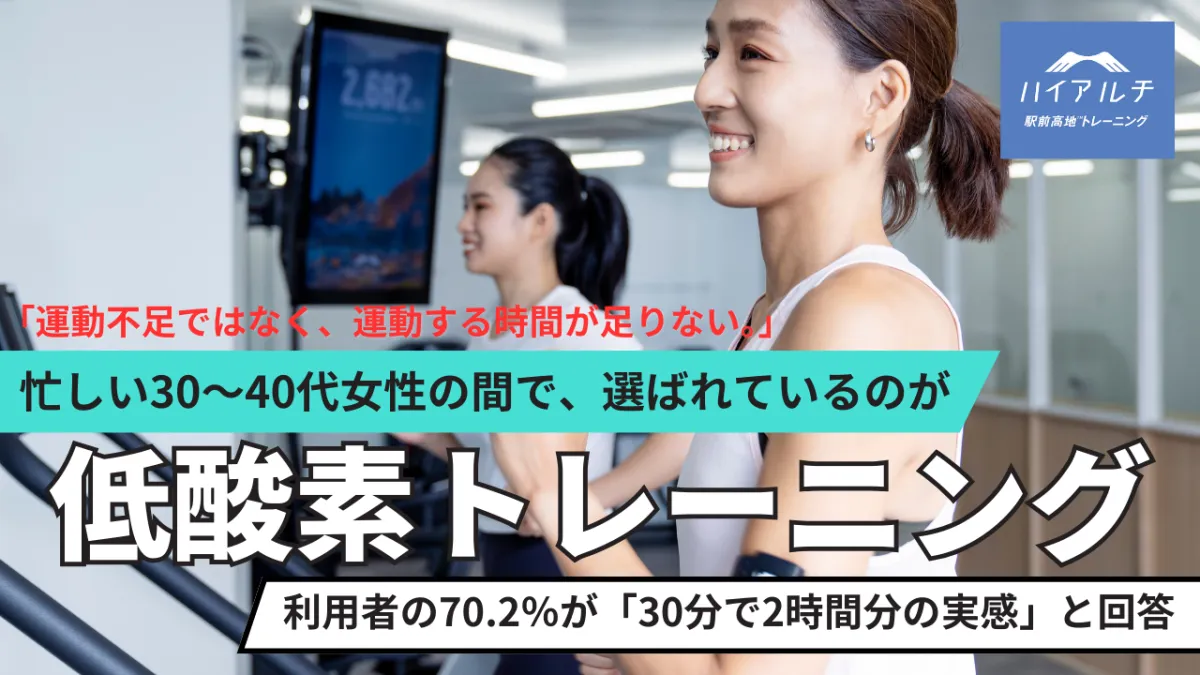
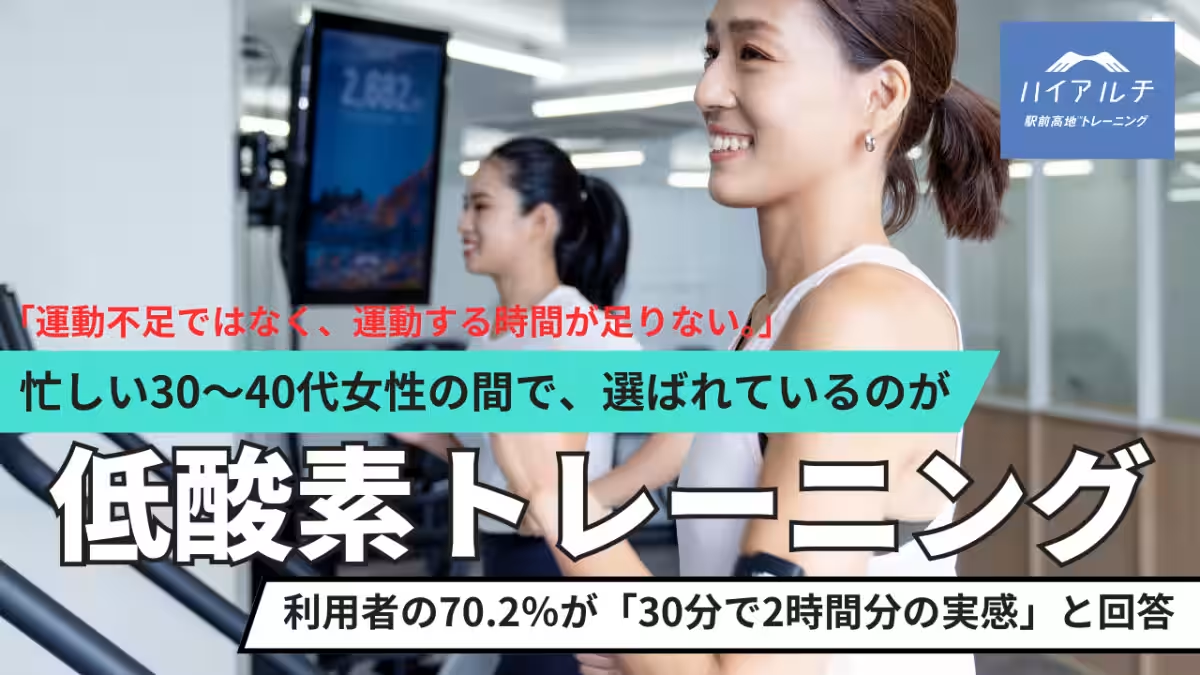
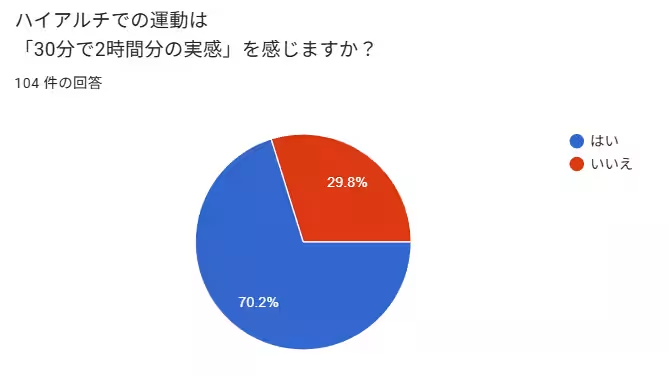
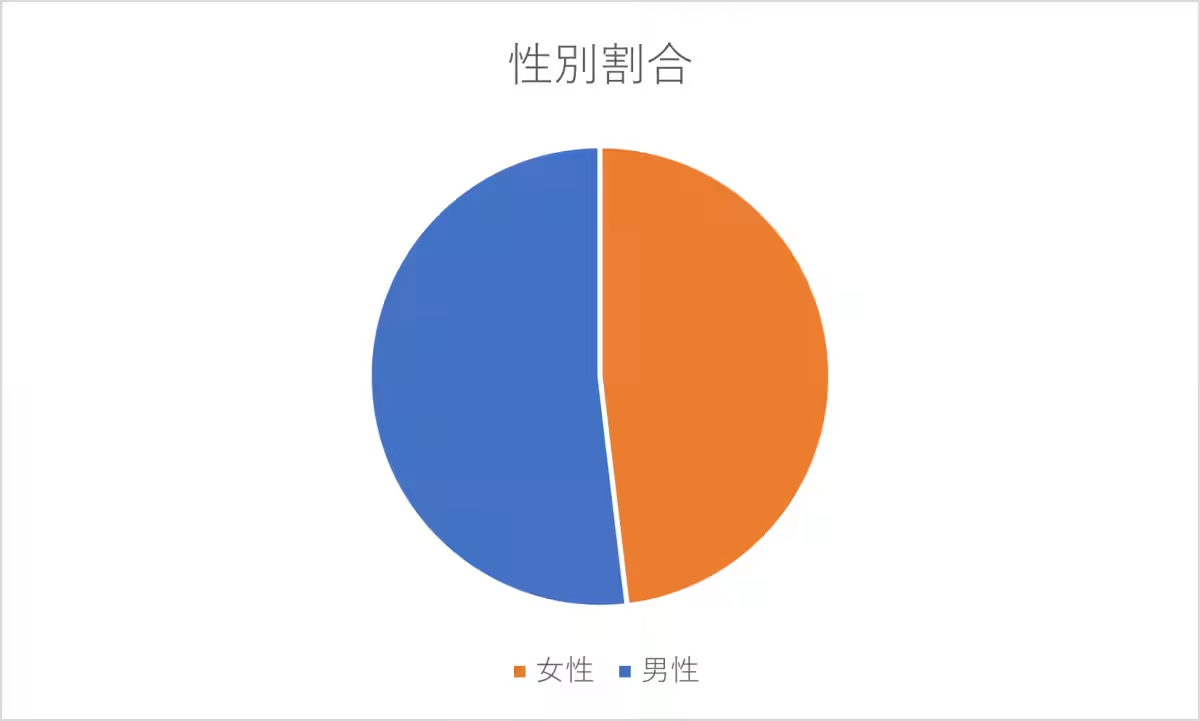
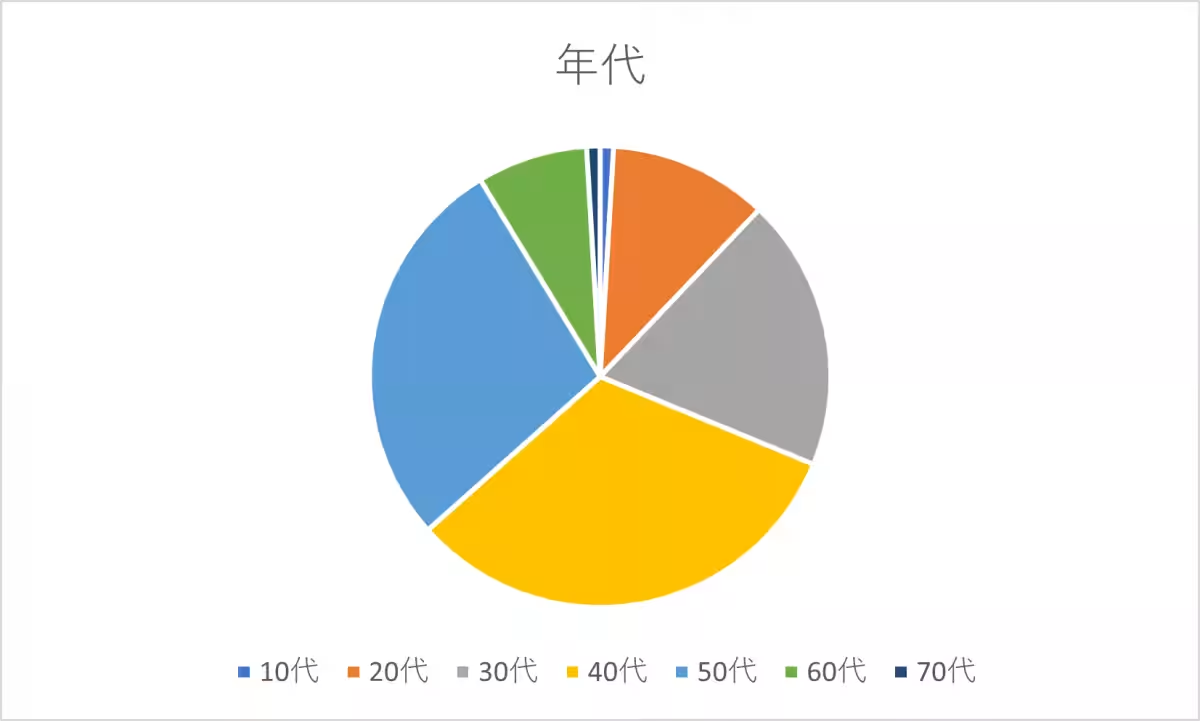
At High Altitude, Japan's first altitude training studio, around 50% of its members are women, predominantly from the busy 30-40 age group. In response to this issue, High Altitude conducted a survey revealing that approximately 70.2% of respondents felt that just 30 minutes of their training equated to two hours of exercise. This points toward increasing interest in low-oxygen training, which is recognized for its efficiency in promoting fitness within a limited time frame.
Understanding Low-Oxygen Training
Low-oxygen training, also known as altitude training, involves engaging in aerobic activities in a setting with lowered oxygen levels. Historically, this training method has been utilized primarily by elite athletes. However, more recent studies have begun exploring its advantages for the general populace, particularly for weight management and overall health. The rising need for efficient, short-duration workouts has made low-oxygen training particularly appealing to busy individuals who seek to maximize their fitness results within a constrained timeframe.
Effects of Low-Oxygen Training on Fitness
A meta-analysis incorporating studies published up to November 2024 focused on the impact of low-oxygen aerobic training on overweight and obese adults. It evaluated various metabolic indicators like body fat percentage, triglycerides, LDL cholesterol, and insulin resistance. Notably, the findings indicated that aerobic workouts in low-oxygen conditions led to more significant improvements in these metabolic markers compared to traditional training environments. While the research is still ongoing, it suggests that engaging in low-oxygen training could be beneficial for weight management and improving metabolic health markers.
The Social Context of Physical Activity for Women
Discussions around the issue surfaced during an ABEMA news program, highlighting that the environment for women aged 30 to 40 leaves little room for leisurely activities. Associate Professor Momoko Shirakawa from Showa Women’s University emphasizes that for many women, the struggle isn't merely about lack of motivation but rather that they simply don’t have the time or energy to spare for exercise.
The OECD's research reiterates the struggles faced by Japanese women, as it indicates they have the shortest average sleep duration among 33 surveyed countries. This scenario suggests that many women aren't unwilling to exercise but rather are burdened by their daily responsibilities that leave little time for self-care.
High-Alti: Making Fitness Accessible
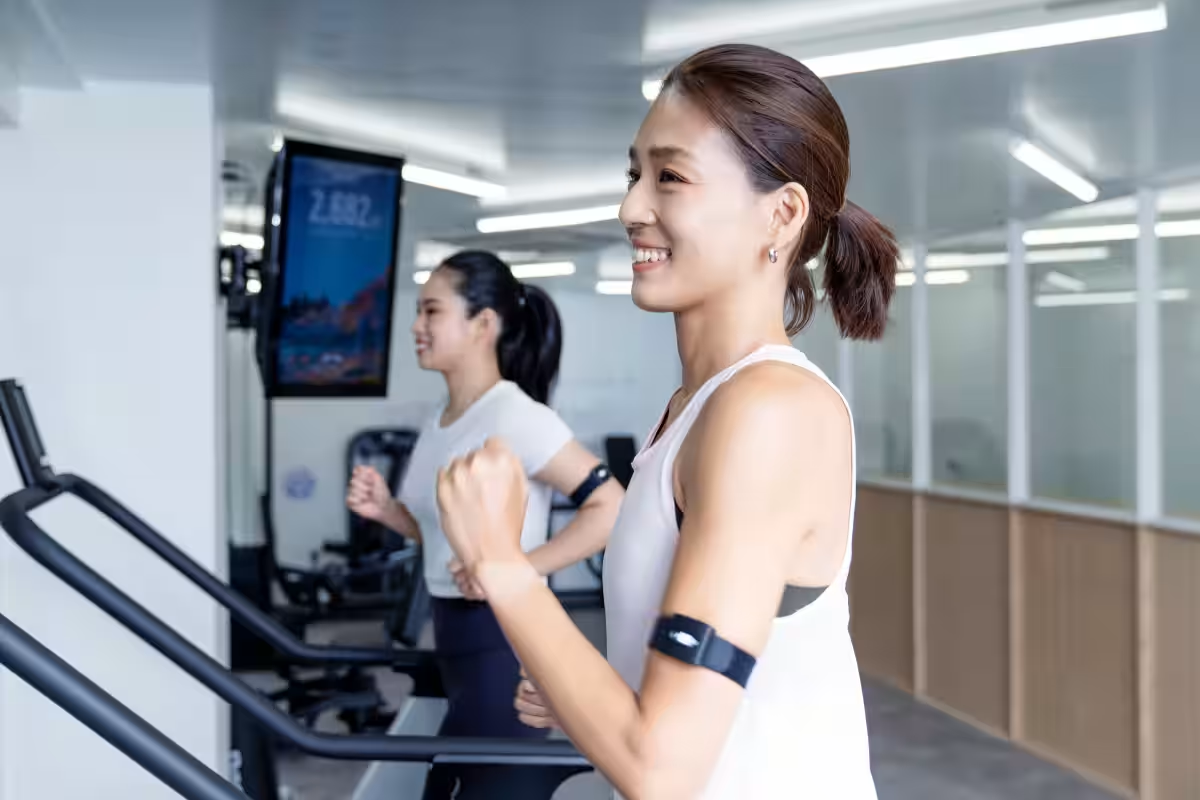
In response to these findings, High Altitude has crafted programs aimed at accommodating busy lifestyles. By simulating an altitude of approximately 2,500 meters, the studio offers a unique environment for aerobic exercises like walking. The staff is dedicated to providing personalized support, ensuring that even those who are new to physical activity can participate comfortably.
Through partnerships with universities and research institutions, High Altitude is actively pursuing validations of its methods' effectiveness on general wellness. Programs are designed not only for athletes but also for the general population to reclaim healthier metabolic functions regardless of age or work commitments.
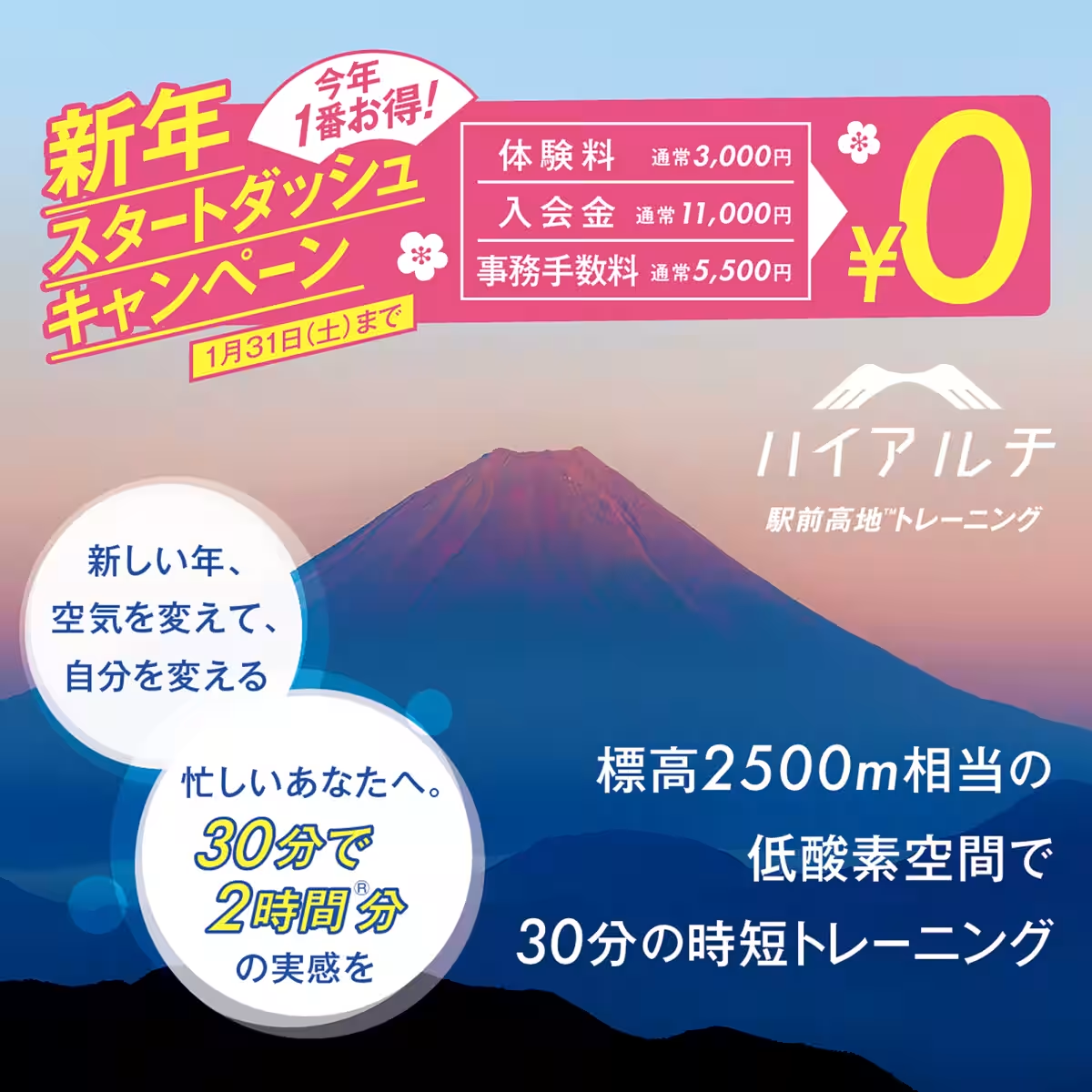
With the current promotion dubbed the


Topics Health)
【About Using Articles】
You can freely use the title and article content by linking to the page where the article is posted.
※ Images cannot be used.
【About Links】
Links are free to use.