



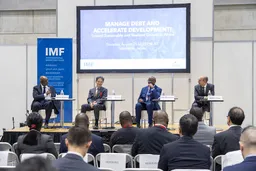
Global Dialogue on Debt Management Strategies at TICAD9 in Yokohama
Global Dialogue on Debt Management Strategies at TICAD9
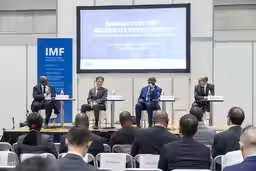
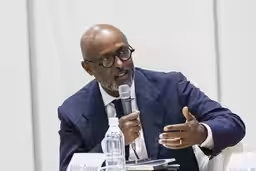
The Ninth Tokyo International Conference on African Development (TICAD9), co-hosted by the Japan International Cooperation Agency (JICA) and the International Monetary Fund (IMF), took place on August 21, 2025, at Pacifico Yokohama. This thematic event titled "Accelerating Development through Debt Management: Towards Sustainable and Resilient Growth in Africa" gathered an array of international stakeholders, including debt management representatives from African governments, creditors, the private sector, and multilateral organizations. The aim was to address Africa's economic challenges, particularly debt vulnerabilities, and explore how international cooperation can be strengthened for effective solutions.
Key Discussions and Insights
Session 1: Lessons from the G20 Common Framework
The session was led by Abebe Aemro Selassie, the Director of the IMF's African Department, focusing on the sovereign debt restructuring processes learned from the G20 Common Framework. Jun Mimura, Japan’s Deputy Minister of Finance, highlighted ongoing efforts to improve debt management capabilities under the framework. He emphasized the importance of transparency, citing initiatives like debt data-sharing aimed at fostering trust among stakeholders.
Felix Nkulu, Zambia’s Minister of Finance, shared Zambia's experience in debt restructuring under the Common Framework, noting the gradual improvement of its debt situation under the IMF’s programs. He remarked on the crucial role of information sharing between creditors and debtors, stressing the necessity for international collaboration to find solutions to the myriad of challenges facing African nations.
William Reuter, Co-Chair of the Paris Club Secretariat, elaborated on how robust policies backed by the IMF are facilitating cooperation between debtor and creditor nations for debt restructuring. He did, however, note concerns regarding delays in defining parameters for debt processing, calling for the introduction of innovative solutions to expedite the process.
Online Contributions and Perspectives
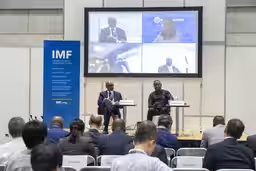
Sonia Gibbs, Managing Director of the International Finance Corporation, joined the discussion virtually, advocating for the essential nature of multilateral cooperation as geopolitical tensions rise. She stated that building transparency and accountability towards investors is crucial, directly impacting trust. She also pointed to the need for debt countries to clearly convey policies and establish open communication with markets, emphasizing emerging financial products like climate-related bonds that could be effectively utilized.
Session 2: Ongoing International Efforts
The focus then shifted to international initiatives aimed at addressing debt vulnerabilities, enhancing domestic resource mobilization (DRM), and increasing fiscal sustainability. Ghana's Minister of Finance and Economic Planning, Cassiel Ato Forson, discussed Ghana's evolving situation in overcoming debt management challenges. He reaffirmed the significance of fiscal transparency, committing to strengthening reporting, formulating debt management strategies, and advancing recovery plans.
Manuela Francisco, Global Director of Economic Policy at the World Bank, provided insights on the dire global fiscal landscape, indicating that creditor nations are tightening borrowing conditions due to rising risks. She called for debt countries to enhance legal frameworks and transparency, along with tackling issues like secured debts and insufficient transparency from creditors.
Kevin Urama, Chief Economist at the African Development Bank Group, outlined the institution's commitment to assisting African nations in improving debt management capabilities while stressing the rising debt vulnerability and borrowing costs affecting many African countries. He advocated for a multifaceted approach, underscoring the importance of domestic resource mobilization in fostering sustainability.
Rafael Owino Ochieng, Chief Officer of Debt Management at Kenya's National Treasury, highlighted Kenya's journey to address its debt management issues. He detailed strategies for improving borrowing methods and revenue enhancements while promoting privatization programs as part of an integrated solution.
Conclusion: The Need for Urgent Action
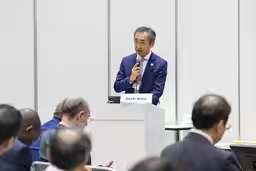
In concluding remarks, Naoki Ando, JICA's Senior Vice President, reiterated the crucial need for urgent action to address Africa's financial vulnerabilities. He emphasized that debt management transcends mere technicalities; it is a strategic challenge that requires the strengthening of management capabilities to prevent future crises. He emphasized the need for collaborative efforts that promote transparency, inclusivity, and growth.
This event underscored the pressing challenges and pathways articulated during discussions, highlighting the expectation for reinforced resilience, transparency, and debt management capabilities in African nations moving forward.
Topics Policy & Public Interest)
【About Using Articles】
You can freely use the title and article content by linking to the page where the article is posted.
※ Images cannot be used.
【About Links】
Links are free to use.