



The Rise of Architectural Festivals: Transforming Urban Spaces into Experiences
The Rise of Architectural Festivals: Transforming Urban Spaces into Experiences
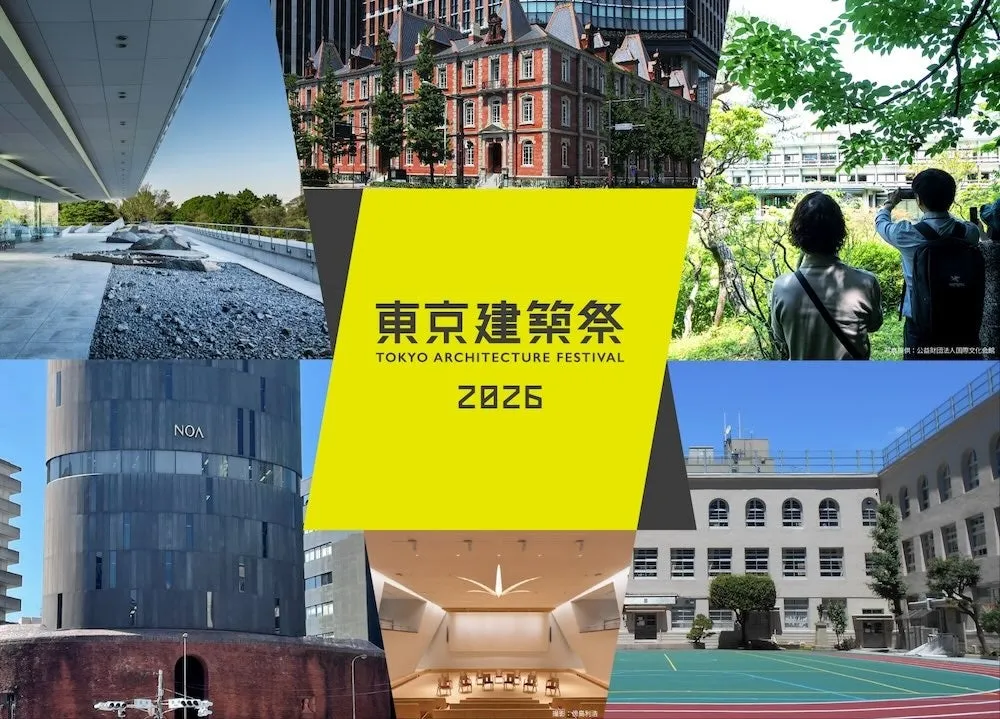
In recent years, architecture has undergone a profound transformation from being solely a subject of appreciation to becoming an interactive experience. Festivals celebrating architectural culture are thriving across various regions in Japan, inviting all individuals to engage with their urban landscapes like a museum. Leading this movement is MotionGallery, a major domestic crowdfunding platform, which has initiated funding campaigns for several key events, including the Namerikawa Architecture Festival 2026 on April 11-12 in Toyama Prefecture and the Tokyo Architecture Festival 2026 from May 16 to 24 in major areas of Tokyo.
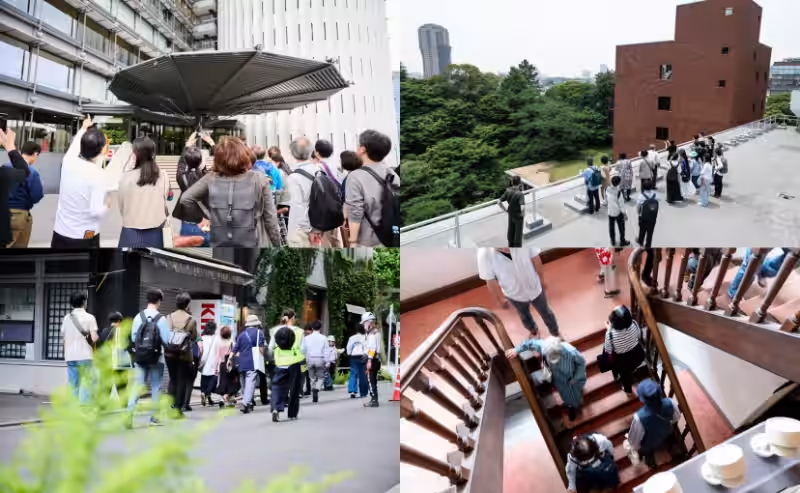
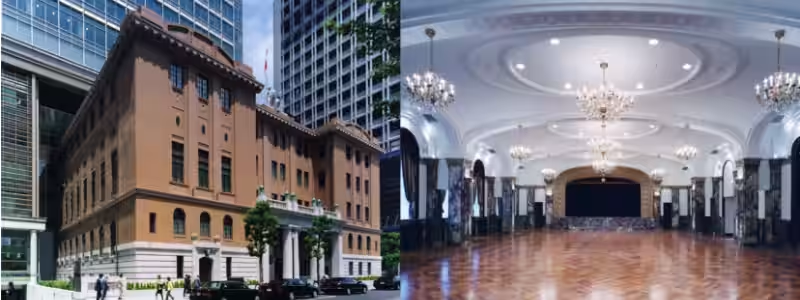
Tokyo Architecture Festival 2026
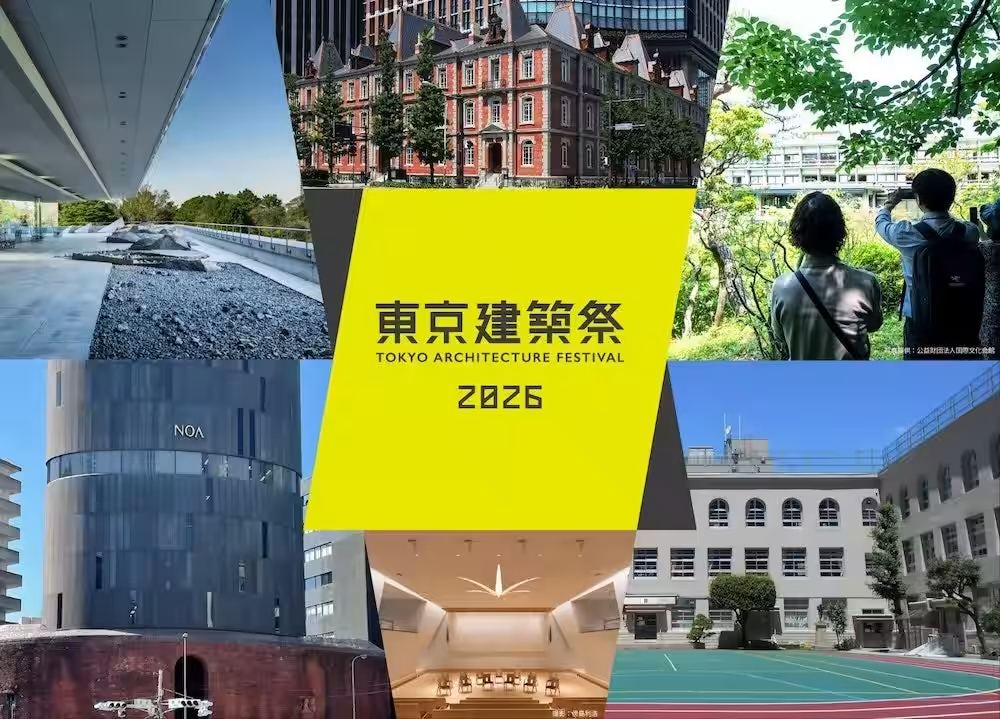
The crowdfunding initiative for Tokyo Architecture Festival 2026 is set to run from February 12 to June 1, with a target goal of 6 million yen. The event features an extensive array of programs, including special exhibits, guided tours, and discussions that allow both experts and novices to explore the captivating stories behind architectural works. Last year's festival attracted over 80% of attendees who were not professionals in the field, highlighting a growing trend of public interest in architecture.
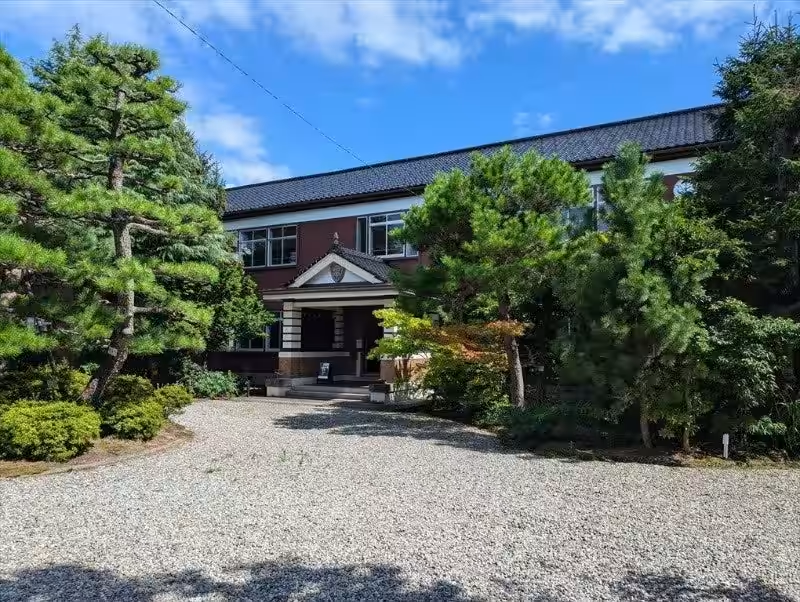
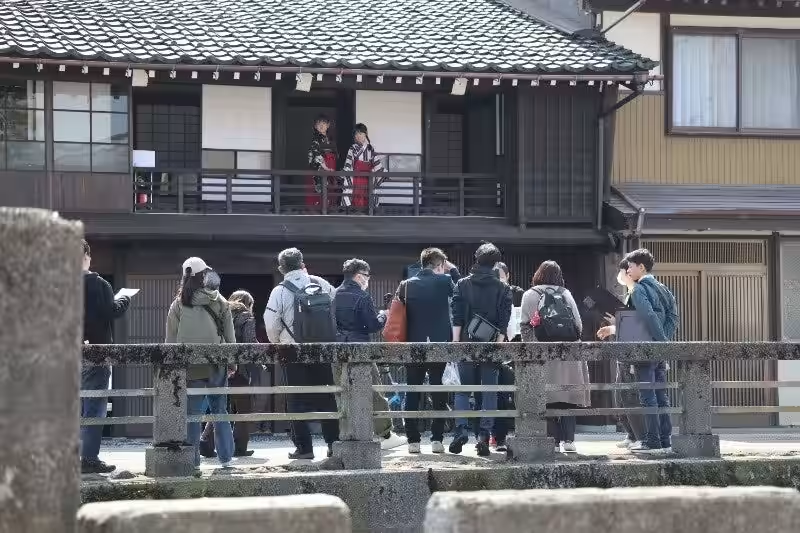
Namerikawa Architecture Festival 2026
Simultaneously, the Namerikawa Architecture Festival encourages residents and tourists alike to delve into the rich panorama of modern and historical architecture within Namerikawa City. This year's campaign runs from February 11 to March 27, seeking to raise 500,000 yen, to promote local heritage and community engagement with public landmarks.
Insights into Emerging Trends
Today, the way people experience architecture has expanded significantly with the advent of digital technologies, particularly social media. Platforms like Instagram have popularized the concept of sharing aesthetically pleasing architectural visuals, broadening the audience who appreciates these structures. In tandem, Twitter (now X) serves as a venue for real-time discussions and analyses by architecture enthusiasts, transforming architecture appreciation into a more interactive and community-oriented experience.
This shift could be invigorated further by the recognition of architect Riken Yamamoto, who won the prestigious Pritzker Prize in 2024, bringing international attention to Japanese architecture. Such accolades encourage a deeper interest in local architecture among residents and tourists alike.
The Significance of Public Engagement
The Tokyo Architecture Festival uniquely fosters collaboration between architects, academics, and the community. Not only do events bring awareness to lesser-known architectural masterpieces, but they also contribute to the education and engagement of young minds through various learning programs - nurturing the next generation's perspective on urbanism.
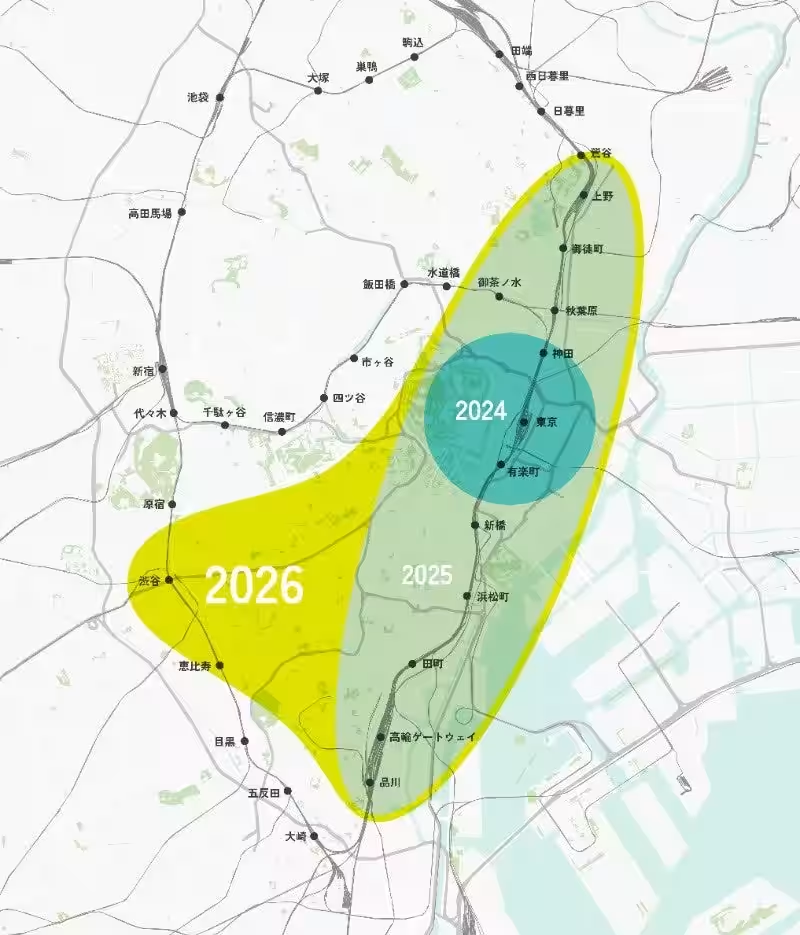
One of the planned enhancements for the 2026 festival includes enlarging its geographic scope to include Shibuya's prominent districts. Anticipation is building, with an estimated increase in attendance projected to reach 130,000 visitors. Efforts to improve accessibility include implementing a digital ticketing system, developing mobile applications for guide services, and hosting an array of supportive initiatives for an enriched experience.
Engaging Communities Through Festivals
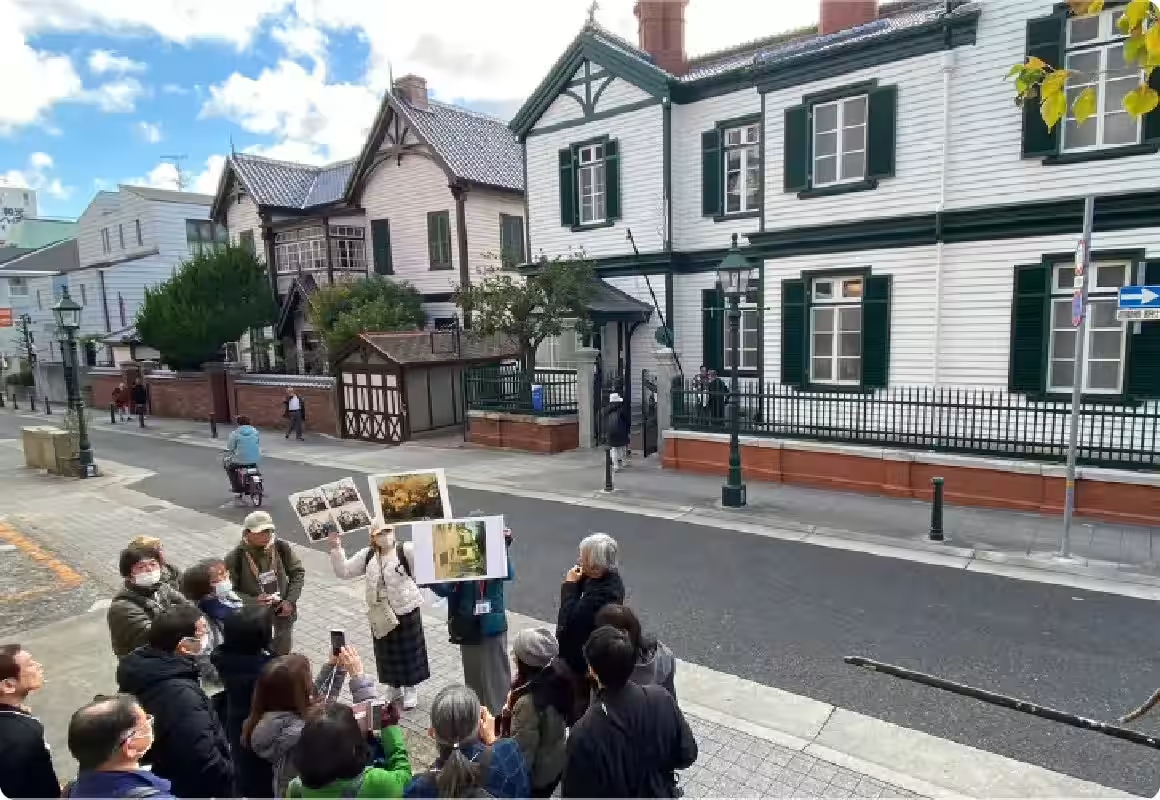
The Namerikawa festival, rooted in showcasing local architecture—many structures built during the early Showa period—aims to draw attention to these often-overlooked treasures. Crowdfunding activities aim to boost communal recognition of these landmarks, creating events where residents can not only view but interact with their city's architectural history. A unique blend of activities, including guided tours, lectures, and post-event gatherings, reinforces the festival's commitment to enriching community ties.
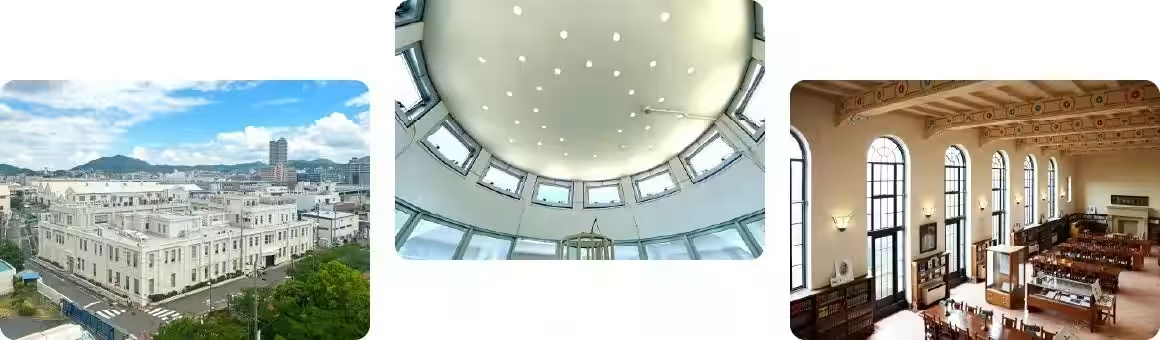
With the launch of additional notable architectural festivals like the Kobe Architecture Festival, slated for May 8-10, 2026, expectations rise for an engaging exploration of the city's historical and cultural richness. The festival strives to utilize architecture as a bridge between the past and present, highlighting valuable lessons from the city's experiences with disasters and recovery.
In conclusion, the burgeoning interest in architecture festivals is more than mere cultural occurrence; it signifies a shift towards recognizing architecture as an integral part of urban identity—transforming the way communities engage and appreciate their shared spaces. The combined efforts of these festivals and the wider architectural community affirm a collective desire to celebrate and preserve the beauty and significance of architectural heritage in Japan.
For more information and to contribute to these fascinating initiatives, visit Motion Gallery's Tokyo Architecture Festival 2026 and Namerikawa Architecture Festival 2026.


Topics Entertainment & Media)
【About Using Articles】
You can freely use the title and article content by linking to the page where the article is posted.
※ Images cannot be used.
【About Links】
Links are free to use.