



Z Generation Consumption Behavior Survey 2026: Unveiling Distinct Layers of Preferences
Z Generation Consumption Behavior Survey 2026: Unveiling Distinct Layers of Preferences
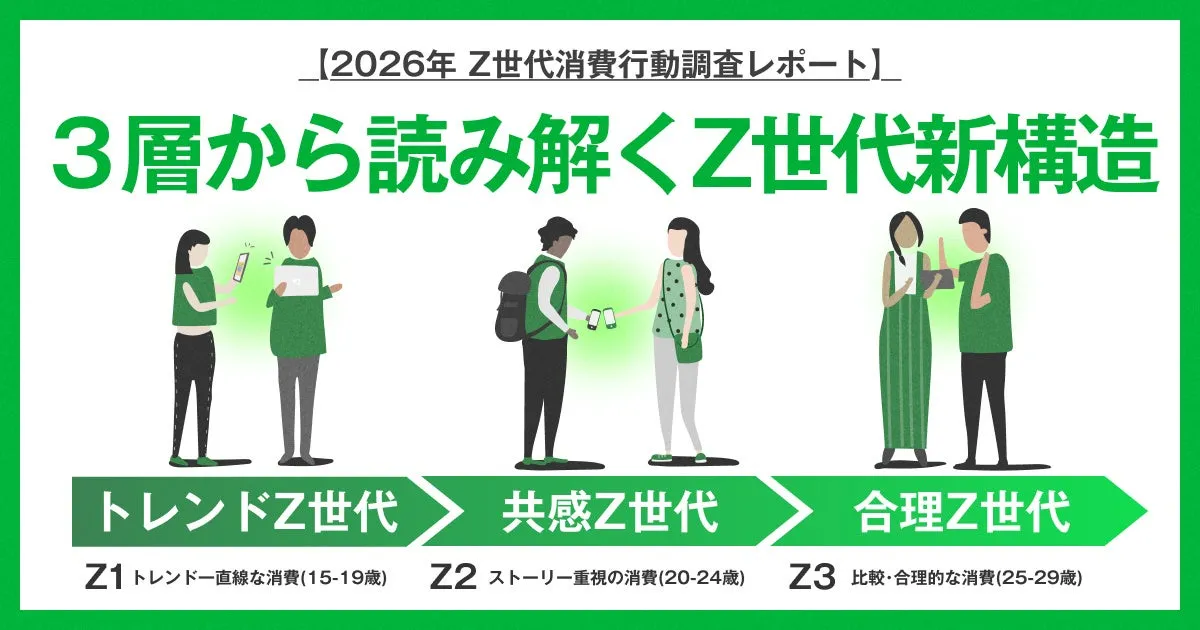
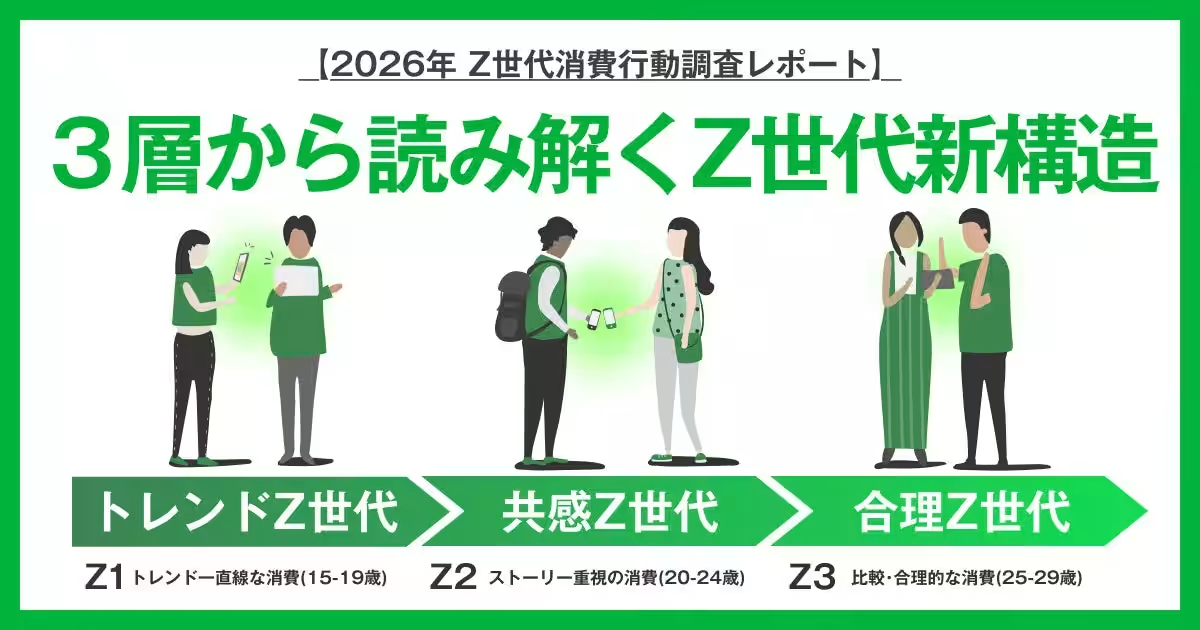
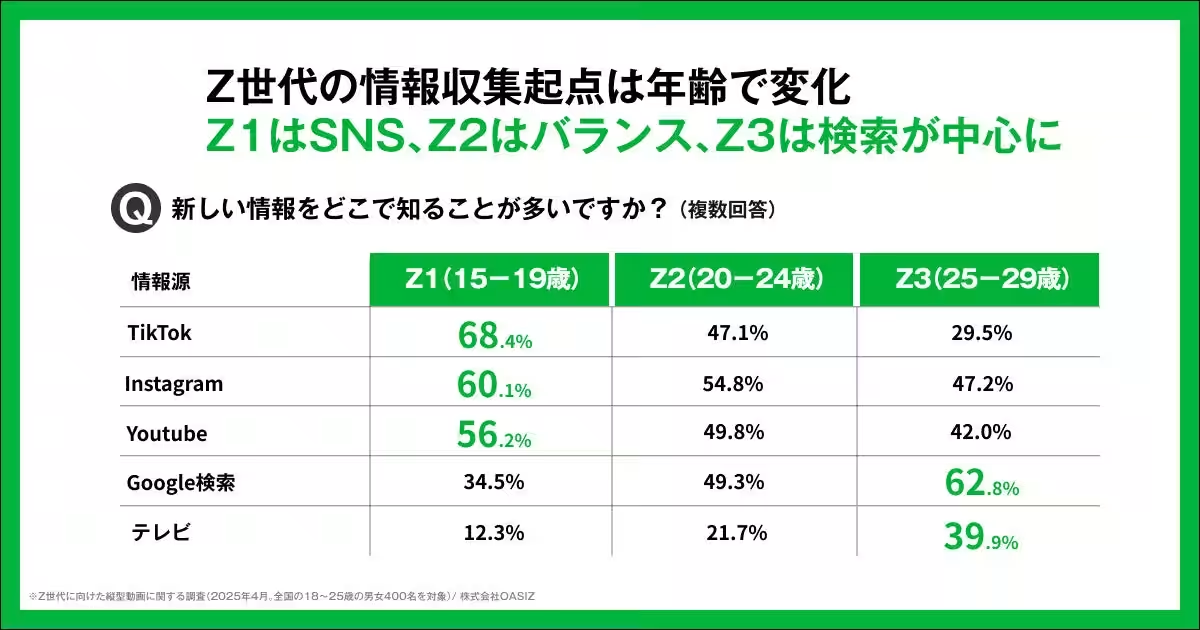
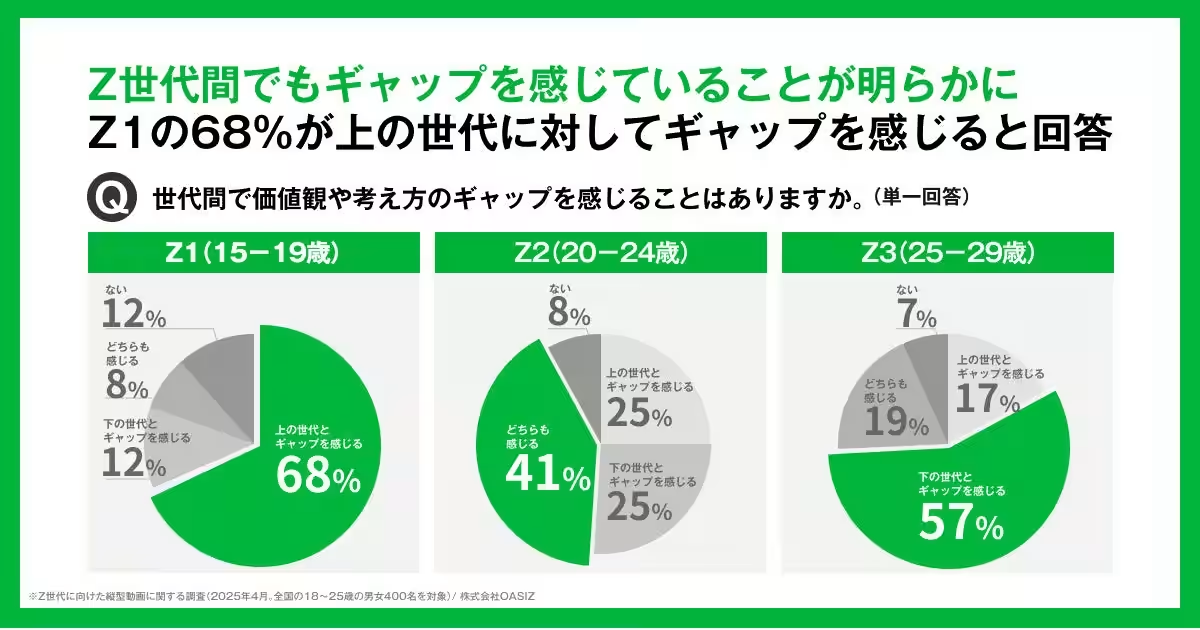
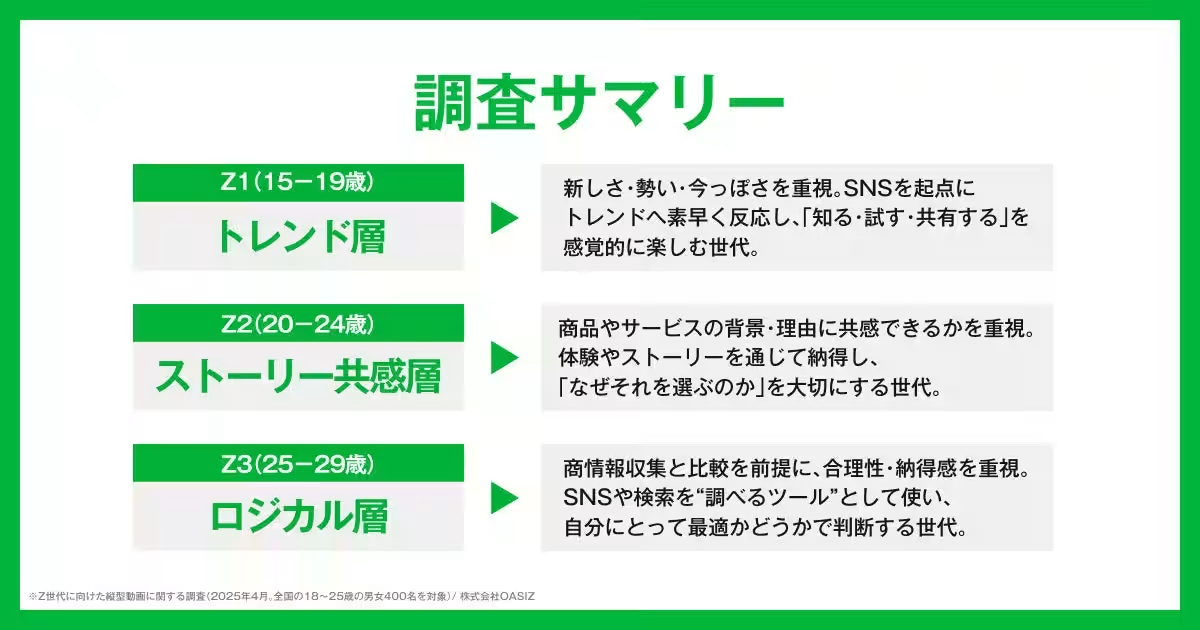
A recent survey by OASIZ, a cutting-edge company specializing in short-form video marketing for Generation Z, has fundamentally reshaped our understanding of this demographic's consumption behavior. Through extensive analysis, the survey segmented Generation Z into three distinct layers: Z1 (ages 15-19), Z2 (ages 20-24), and Z3 (ages 25-29), revealing that treating them as a monolithic group fails to capture their unique consumer preferences and values.
Survey Background
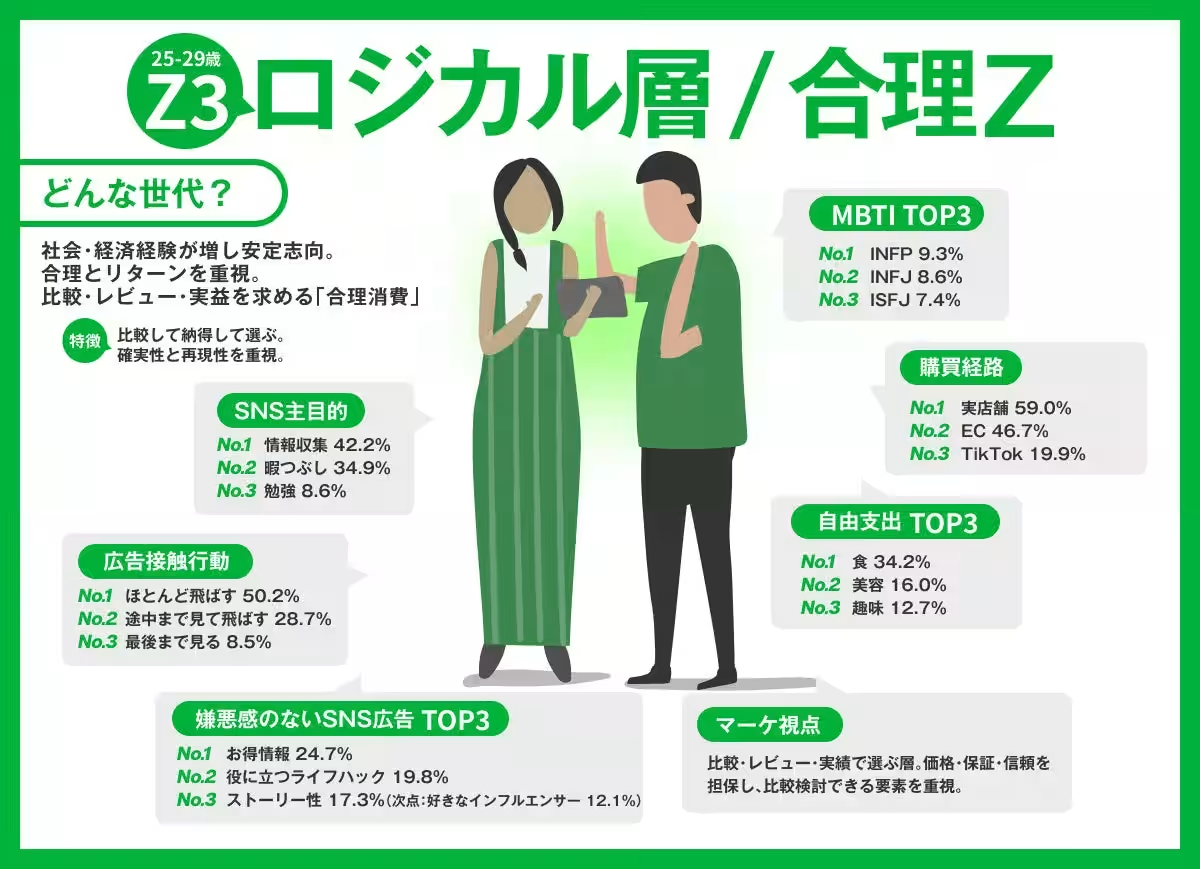
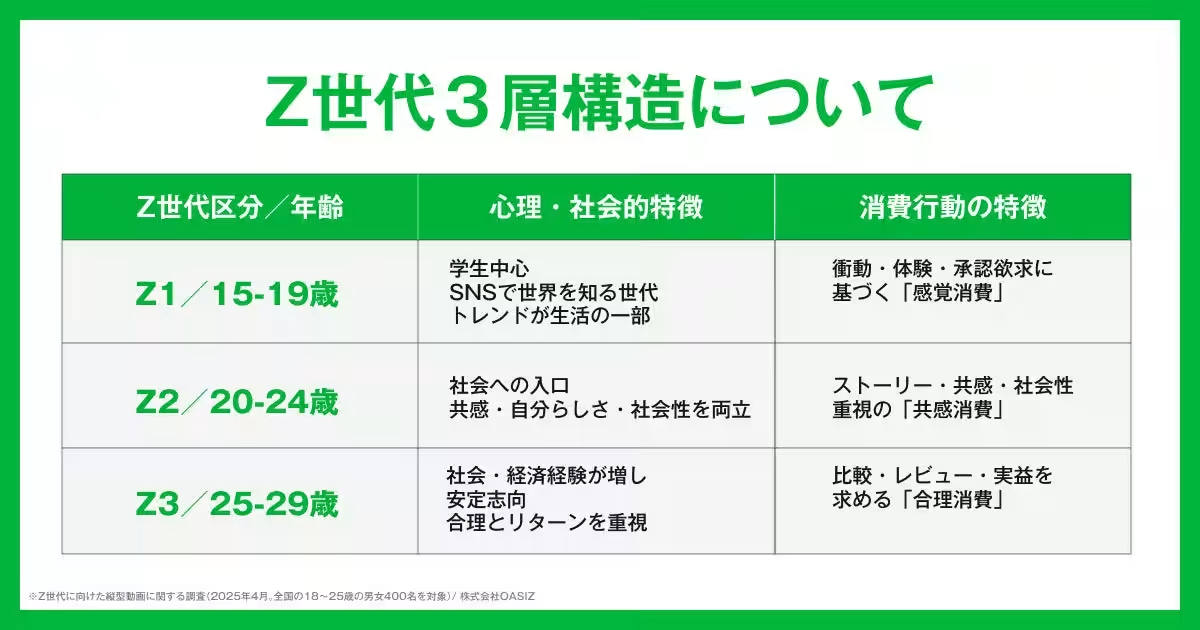
Generation Z, composed of individuals born between the late 1990s and early 2010s, is often recognized as a digital-native generation that uses social media for self-expression and information gathering. However, within this age range of 15-29 years, significant shifts in upbringing and context have led to remarkably different values and behaviors. Based on OASIZ's experience in social media marketing targeting this age group, the survey aimed to dissect these variations and redefine Generation Z. The findings identified three layers of consumption behavior characterized as Sensory Z1, Empathetic Z2, and Rational Z3, highlighting their distinct approaches to spending and purchasing.
Summary of Findings
The survey targeted 1,201 respondents across Japan, investigating the consumption behavior and values of Generation Z divided into three segments:
- - Z1 (15-19 years)
- - Z2 (20-24 years)
- - Z3 (25-29 years)
The analysis indicates that Generation Z can no longer be generalized into a single category, as each layer exhibits unique consumption traits:
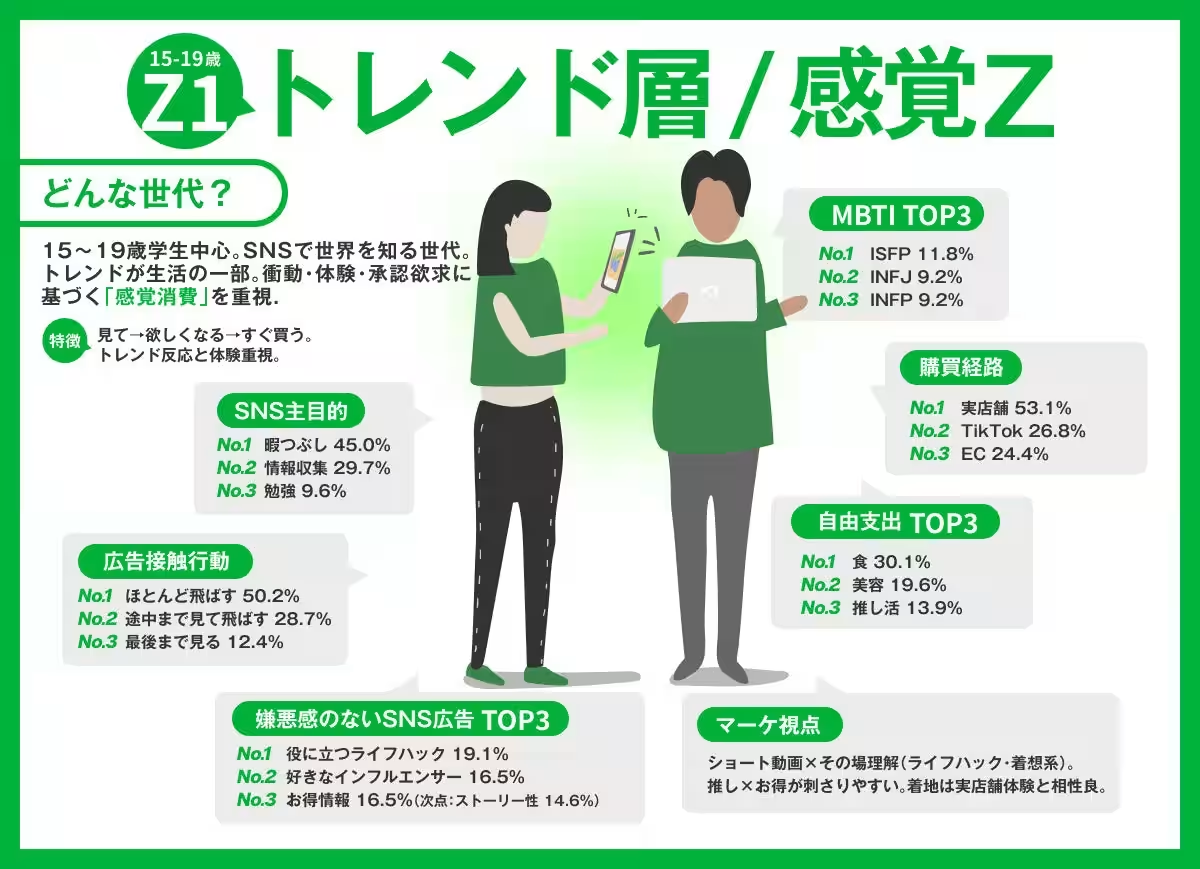
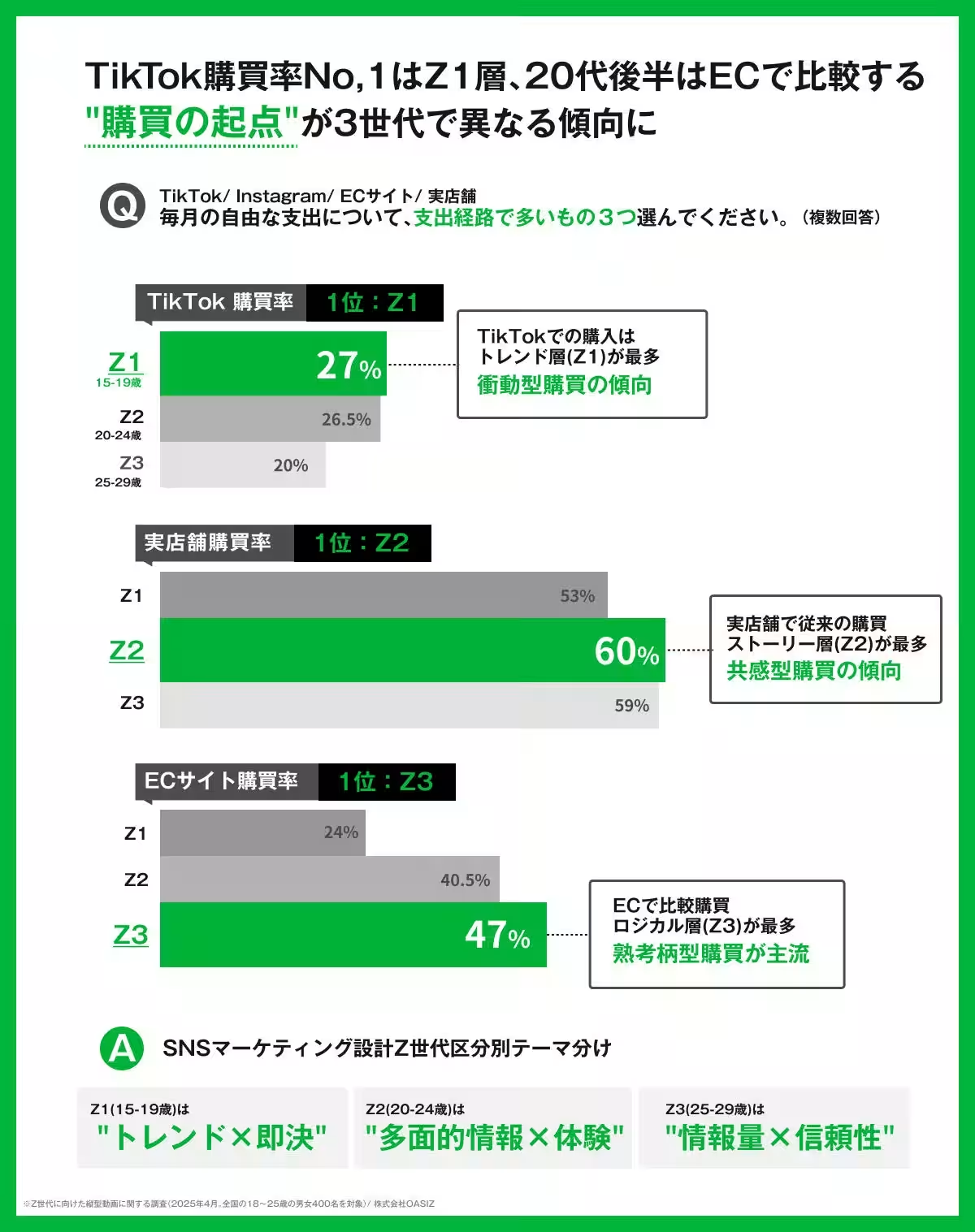
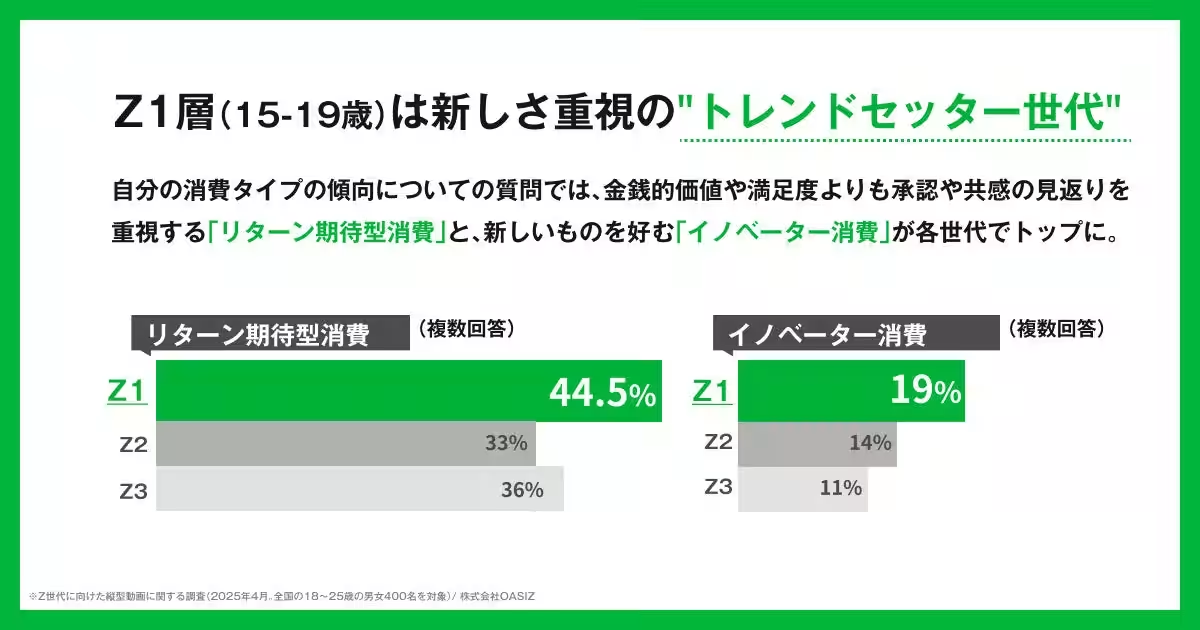
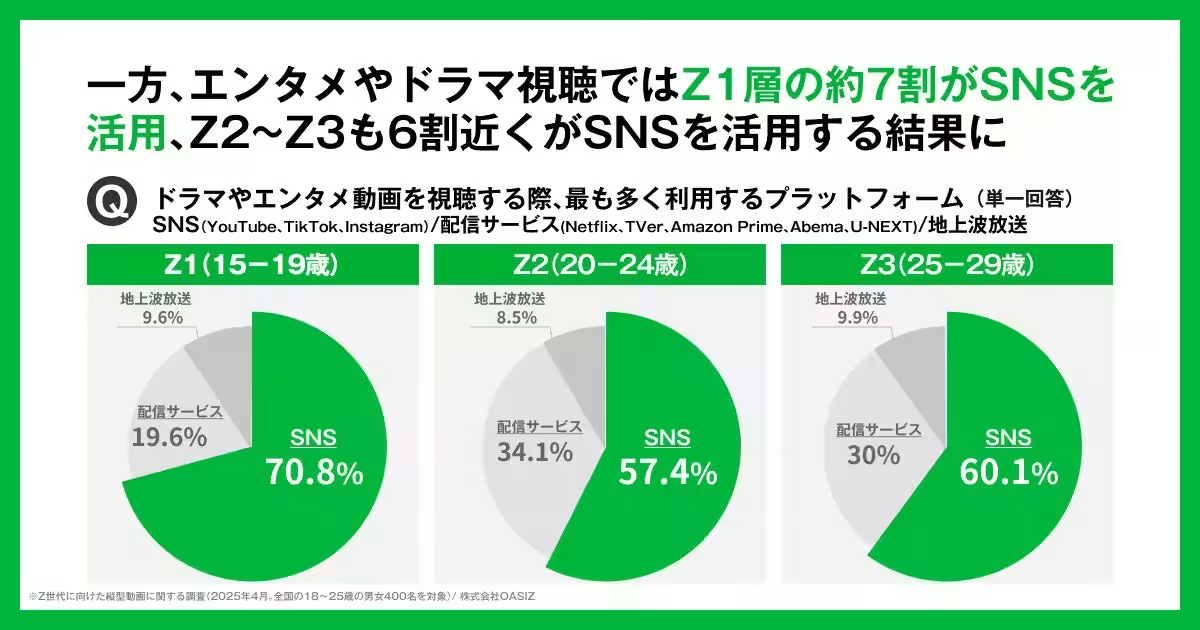
1. Z1 Layer: Engaged primarily through TikTok and similar platforms, they purchase impulsively based on current trends.
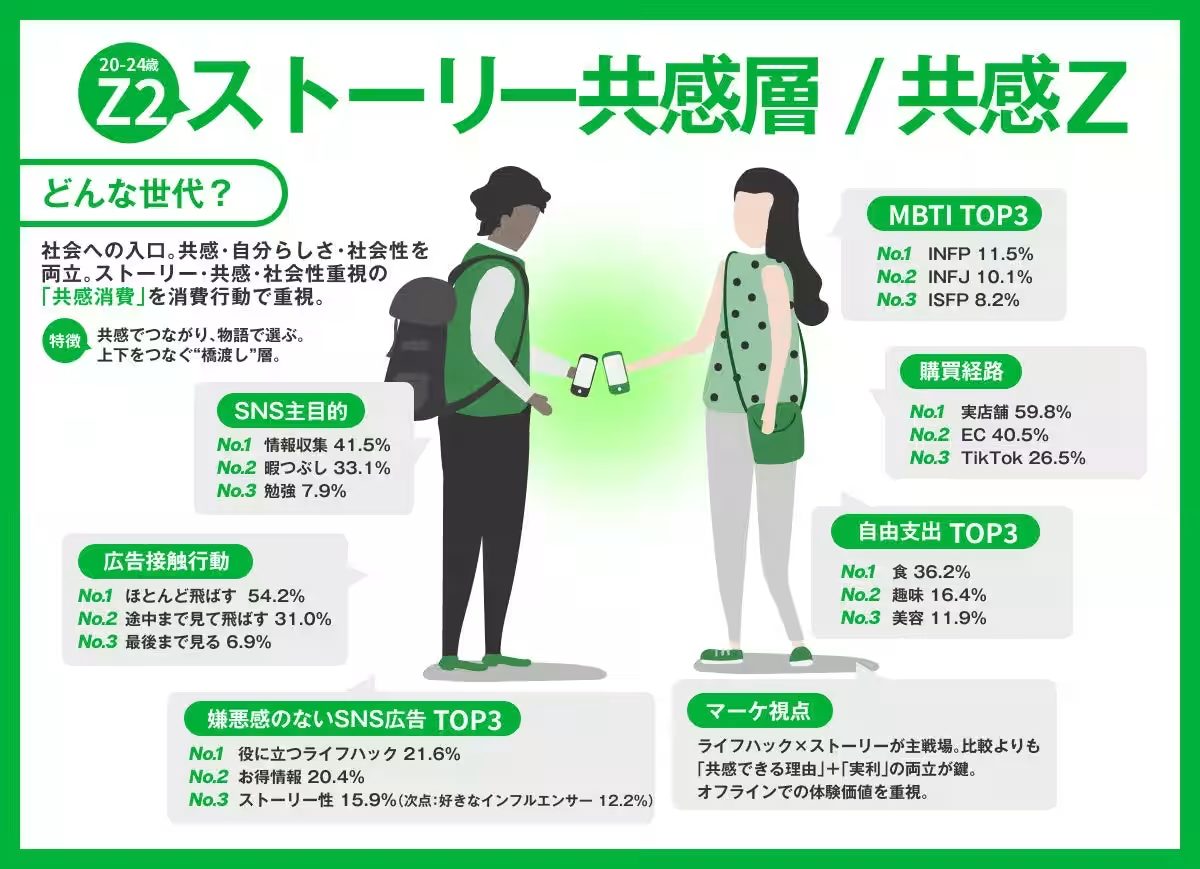
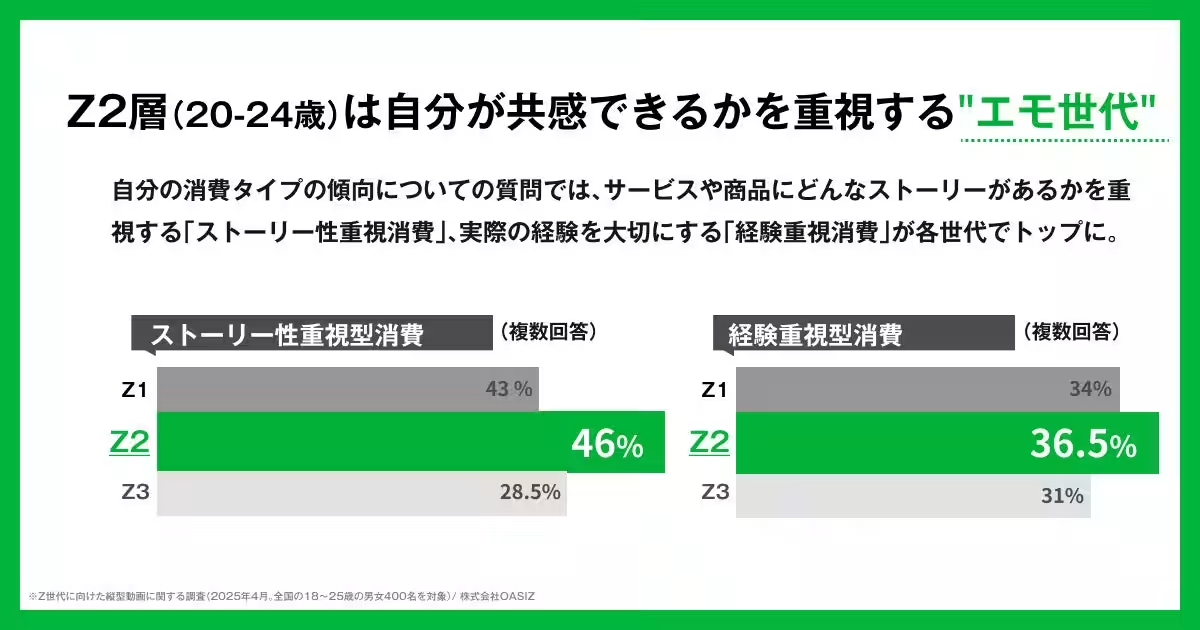
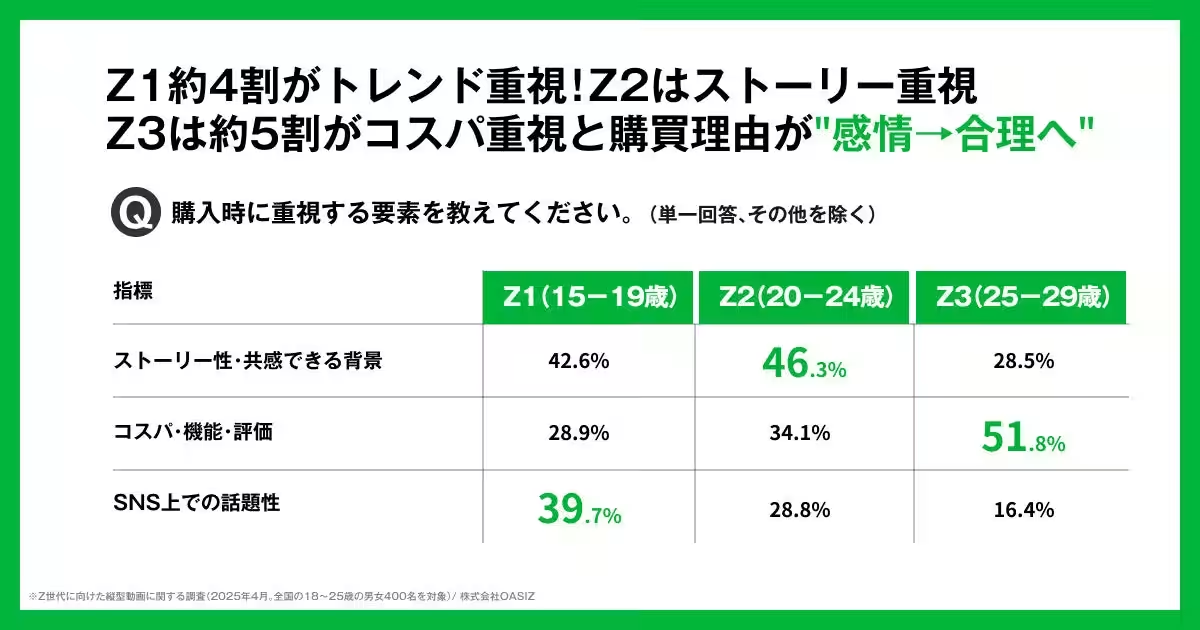
2. Z2 Layer: Makes choices based on the emotional stories behind products, placing significance on the narrative rather than just the product itself.
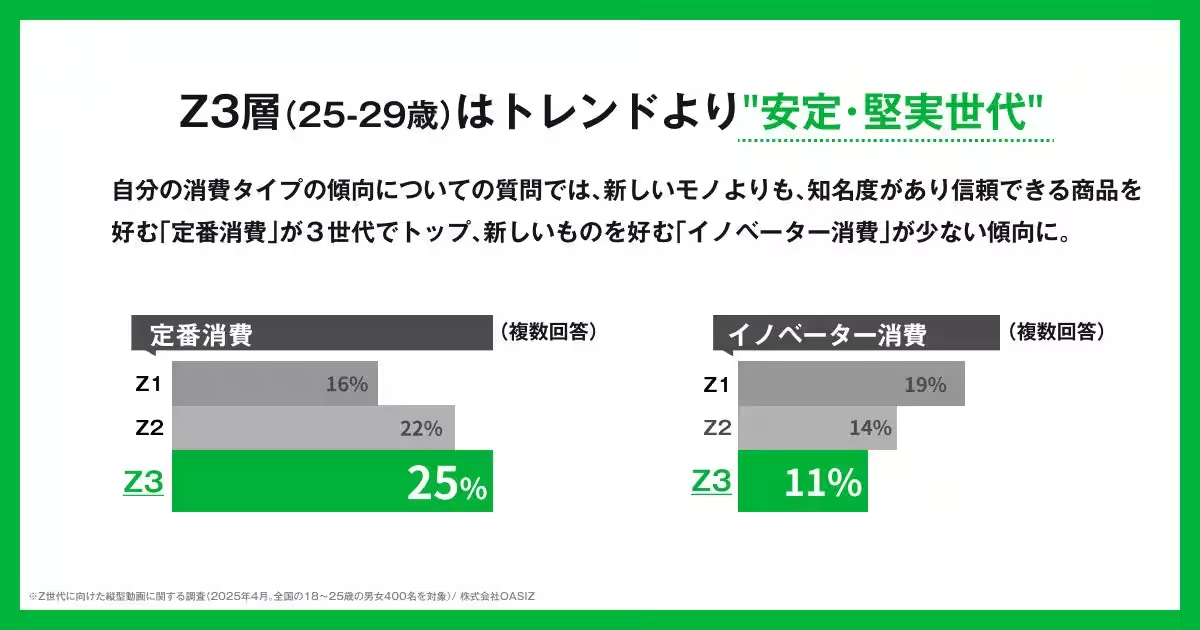
3. Z3 Layer: Prefers thorough comparisons and practical considerations, prioritizing value for money.
Distinct Consumption Patterns
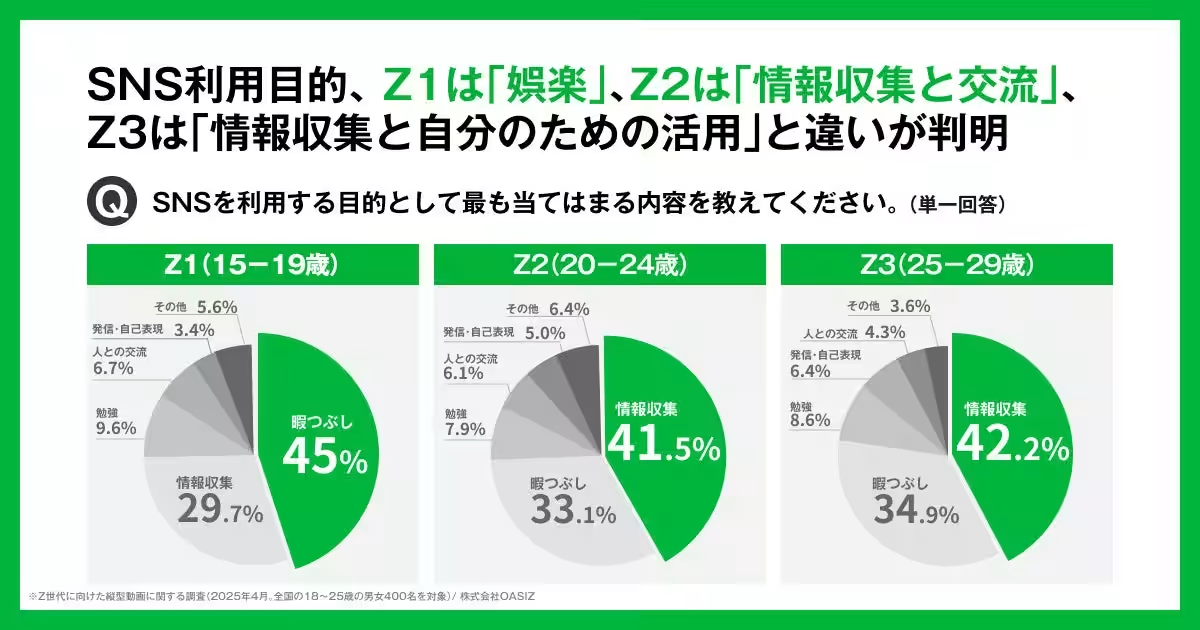
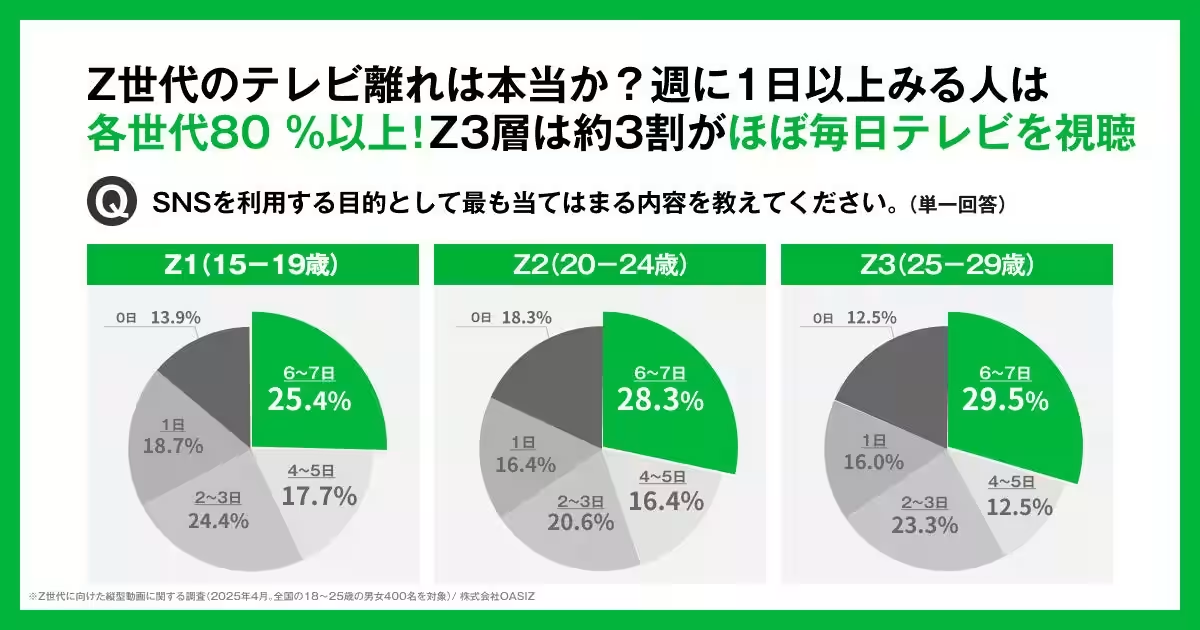
The investigation demonstrated clear variations in consumption behavior between the three layers:
- - Z1, often referred to as the
Topics Other)
【About Using Articles】
You can freely use the title and article content by linking to the page where the article is posted.
※ Images cannot be used.
【About Links】
Links are free to use.