




Understanding the Five Types of People More Susceptible to Influenza Through Big Data Analysis
An Insight into Influenza Susceptibility: A Big Data Approach
This winter has seen an earlier-than-usual outbreak of influenza, with confirmed cases steadily rising. According to the Ministry of Health, Labour and Welfare, the primary strain is the H3/N2 subtype, which accounts for nearly half of the infections nationwide. This strain is noted for its potential severity and reduced vaccine efficacy.
Healthcare facilities are currently overwhelmed due to a surge in patients with influenza and cold symptoms. There are growing concerns that a shortage of antiviral medications, such as Tamiflu, could occur, akin to the last season's challenges, especially in urban areas.
Against this backdrop, a novel study utilizing health big data has been reported, exploring why different individuals exhibit varying susceptibilities to influenza. A collaborative research team from Hirosaki University, Kyoto University, and Taisho Pharmaceutical employed data from a large-scale health survey known as the Iwaki Health Promotion Project (IHPP), conducted in Hirosaki City, Aomori Prefecture. This research examined the relationship between individual characteristics, lifestyle habits, and the risk of developing influenza. The findings will be published in the esteemed journal Scientific Reports in August 2025.
Below, we’ll delve into the trends identified from this collaborative research, highlighting the characteristics of people who are more susceptible to influenza as revealed by the study. We will also discuss practical preventive measures with Dr. Eiji Kusumi, an infectious disease specialist, to prepare for the upcoming flu season.
An Analysis of 1,000 Health Data Entries
The IHPP, executed annually by Hirosaki University, involves a community health survey targeting around 1,000 residents over the age of 20. The survey collects health data exceeding 3,000 items, including blood tests, lifestyle factors, occupational history, and body composition.
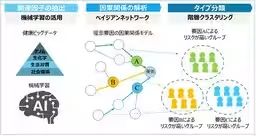
In this research, AI was employed to extract 165 factors that correlate with an increased risk of influenza. The analysis comprised comparing health data of those infected with influenza to those who weren’t, and subsequently identifying contributing factors. A Bayesian network analysis, which allows researchers to estimate causal relationships within vast data sets, was utilized to depict these connections. Traditional statistical methods only reveal correlational relationships; however, this network analysis elucidates the causal links and clarifies how various health factors interact.
By using over 100 health data relationships simultaneously, this research marked a significant advancement in visualizing the complex causalities of influenza susceptibility and individual variability. These findings indicate a pathway toward personalized infection prevention strategies, complementing traditional vaccination and general prevention measures. Furthermore, this analytical approach could optimize strategies against other infectious diseases and lifestyle-related ailments.
Five Types More Susceptible to Influenza
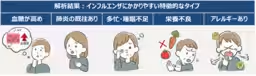
The study identified five significant types of individuals at higher risk for influenza based on lifestyle habits and health data:
1. Elevated Blood Sugar Levels: Higher levels of glucose-related items can impair the functioning of immune cells, diminishing the body’s resistance to viruses.
2. History of Pneumonia: Individuals with a history of pneumonia are often considered to have inherently weaker defenses against infections.
3. Busy Lifestyle with Insufficient Sleep: A hectic lifestyle that leads to inadequate sleep has been linked to a higher frequency of respiratory illnesses.
4. Nutritional Deficiency: Diets often lacking in balance, particularly low vegetable intake, can increase susceptibility.
5. Allergy Prone: High allergic test values indicate chronic inflammation and nasal congestion, weakening respiratory barriers.
Complexity of Risk Factors
Previously understood factors like high blood sugar or sleep deprivation increase infection risk but were considered separately. This study demonstrated how these elements interactively contribute to the likelihood of developing influenza. A particular group exhibiting characteristics such as high blood sugar, poor sleep quality, and a past of pneumonia had an astonishingly higher risk—about 3.6 times—compared to others.
Expert Prevention Advice
With this research in mind, we reached out to Dr. Eiji Kusumi for specific preventative strategies tailored to different susceptibility types:
1. For Individuals with High Blood Sugar
Maintaining steady blood sugar is essential for immune functioning. While it's unnecessary to drastically lower carbohydrates, focus on consuming more fiber-rich foods, such as brown rice. Incorporating regular light exercise, like walking, helps with blood sugar control. Consulting with a healthcare provider for continued management is vital if diagnosed with high blood sugar.
2. For Those with a History of Pneumonia
Maintaining respiratory health is crucial. Maintain indoor humidity levels and practice meticulous hand hygiene, especially post-exposure to potential infective agents. A diet rich in beta-carotene and vitamins can support mucosal health.
3. For Individuals Leading Busy Lives
Poor sleep can destabilize hormones that regulate immunity. Prioritizing good sleep hygiene is essential—incorporate rest practices and limit screen time before bed to encourage better sleep quality.
4. For Nutritionally Deficient Individuals
A balanced diet is paramount. Ensure each meal includes a variety of food groups and focus on consumption of colorful fruits and vegetables for their antioxidant properties.
5. For Allergy Prone Individuals
In managing allergies, consuming foods rich in omega-3s and antioxidants can help to balance immune responses. Maintaining diligent care of nasal passages and following physician recommendations for any prescribed medications is also crucial.
Emphasizing Self-Medication
With the potential for healthcare facilities to become strained, self-medication is an option for managing mild symptoms. Have over-the-counter medications on hand and utilize antigen test kits to screen for influenza at home. Accurate testing can significantly aid in managing health effectively in potential outbreak conditions. Should symptoms worsen or not improve, seeking medical advice is essential to ensure proper care.
By enhancing our understanding of these susceptibility types and adhering to preventive measures, we can collectively foster a healthier society.

Topics Health)
【About Using Articles】
You can freely use the title and article content by linking to the page where the article is posted.
※ Images cannot be used.
【About Links】
Links are free to use.