



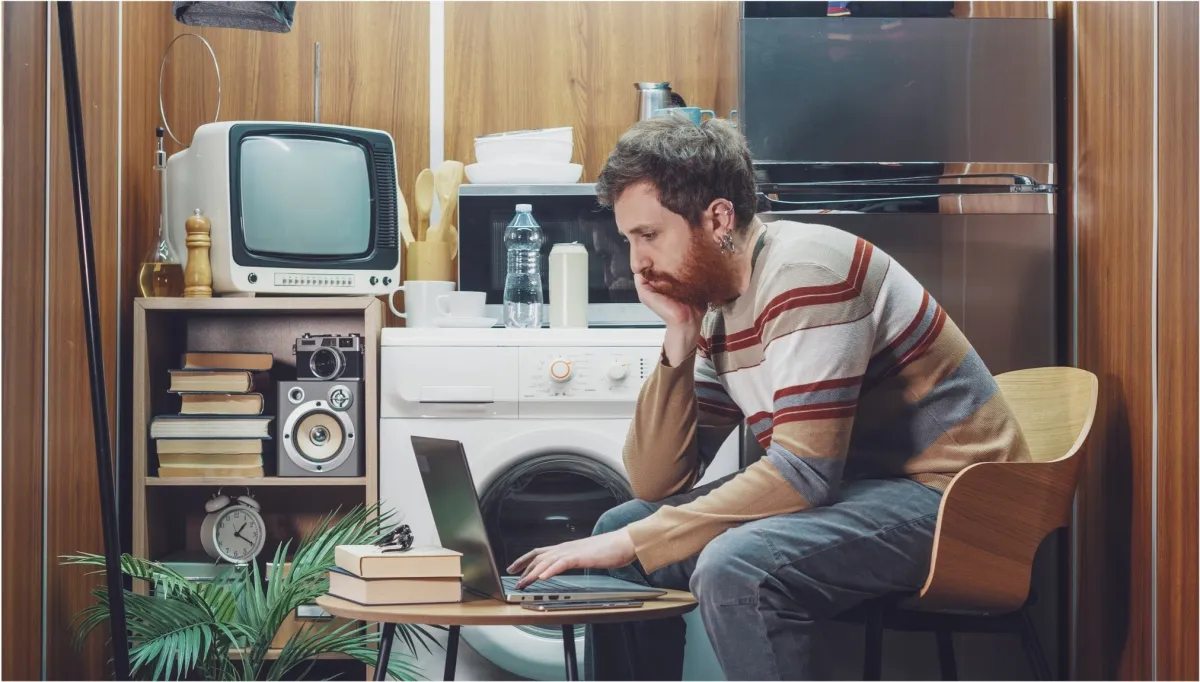
One in Three Studio Apartment Residents Struggle with Mental Space: The Impact of Living Conditions on Rest and Relaxation
Mental Space Dilemma: A Dive into Living Conditions in Japan
In recent years, housing prices have skyrocketed globally, leading to an increase in the number of people living in compact spaces like studio apartments. In Japan, the renowned bedding and furniture company, Koala Japan, conducted a survey involving men and women aged 20 to 50 to assess the correlation between living conditions and sleep quality.
Key Findings of the Survey
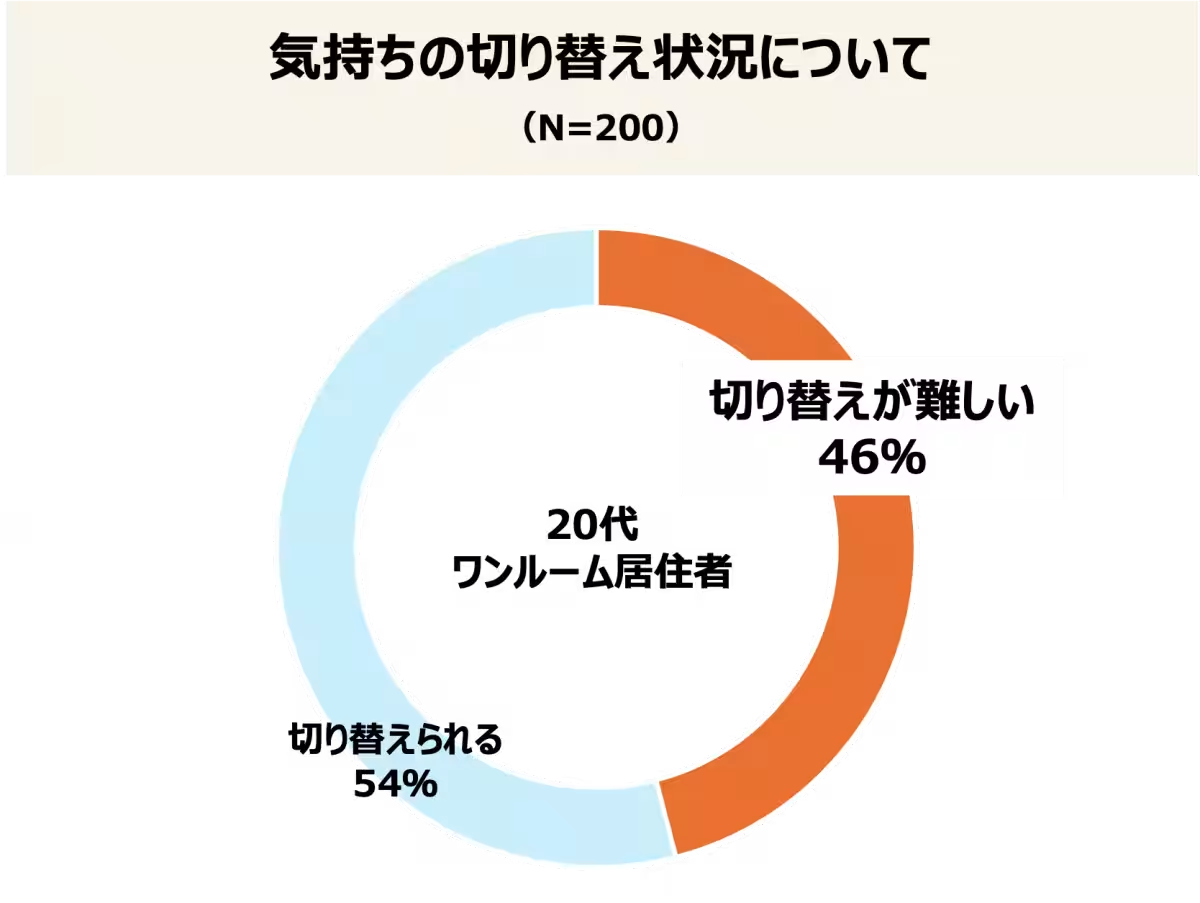
Approximately 31.9% of studio apartment dwellers reported that they lack a place to mentally shift gears. This issue is even more pronounced among residents in their 20s, nearly half of whom (46.0%) expressed difficulty in separating work, meals, and sleep in the same compact environment.
Stress Indicators
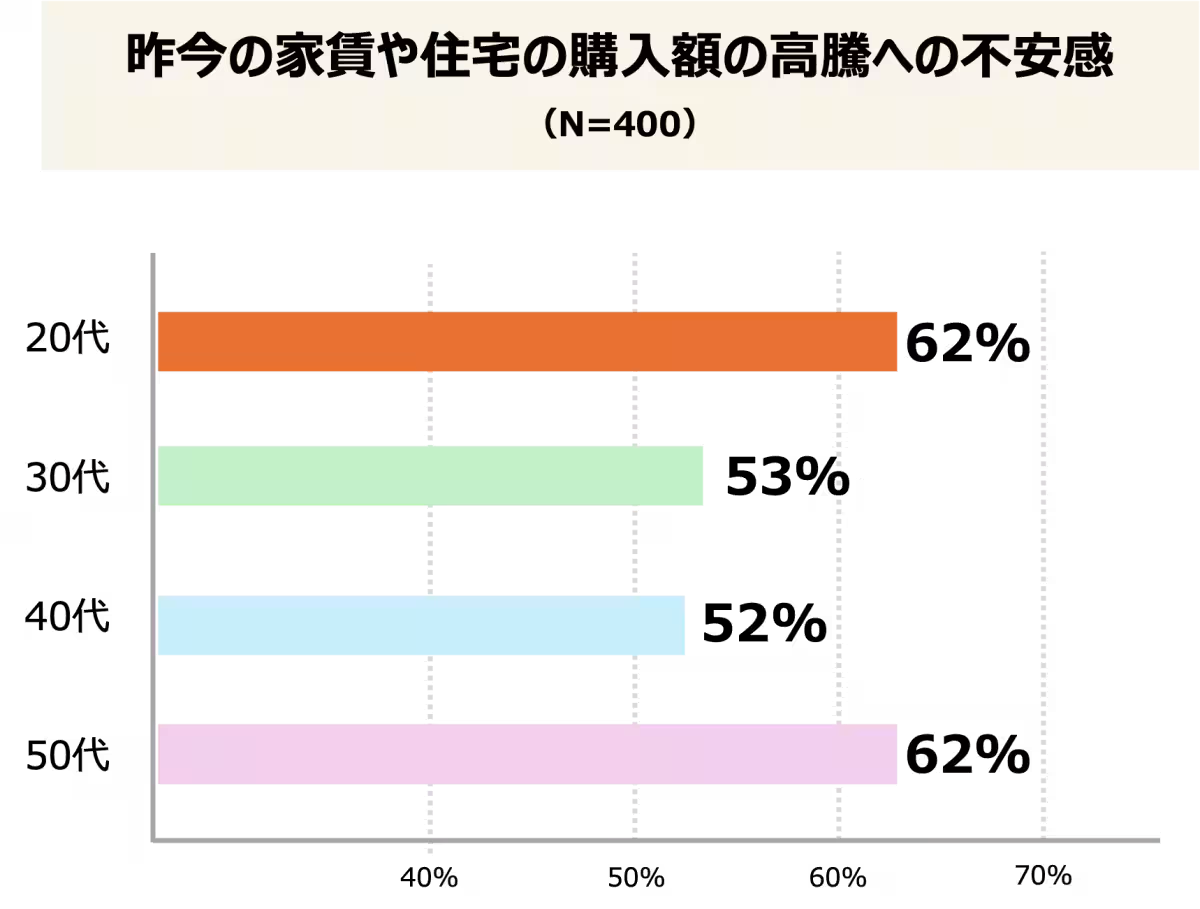
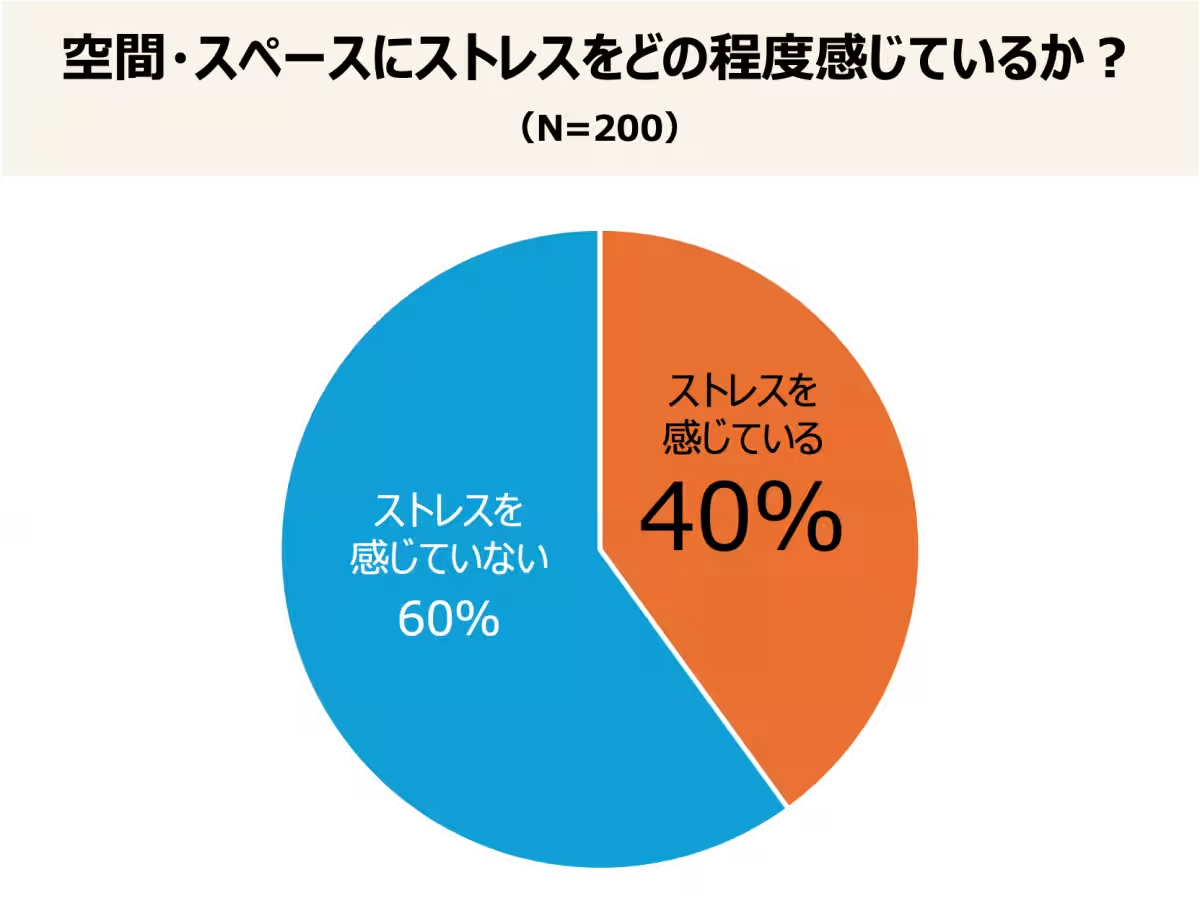
This survey brings to light a concerning trend: 40% of studio residents feel stressed about their living environment. Amid rising rental prices and property costs, over 57.3% of respondents expressed anxiety regarding their current living situations. Insights reveal that especially among younger and older adults, stress levels are alarmingly high, with approximately 62% reporting discomfort surrounding housing expenses.
The Challenge of Changing Mindsets
The survey also delves into the psychological strain of switching between different life facets within a single room. A staggering 34.5% of studio residents admit they find it challenging to toggle between ‘on’ and ‘off’ modes in their living spaces. For individuals residing in small apartments, the lines between work and relaxation blur significantly, leading to what experts term an 'on-off failure.'
The Loss of 'Third Spaces'
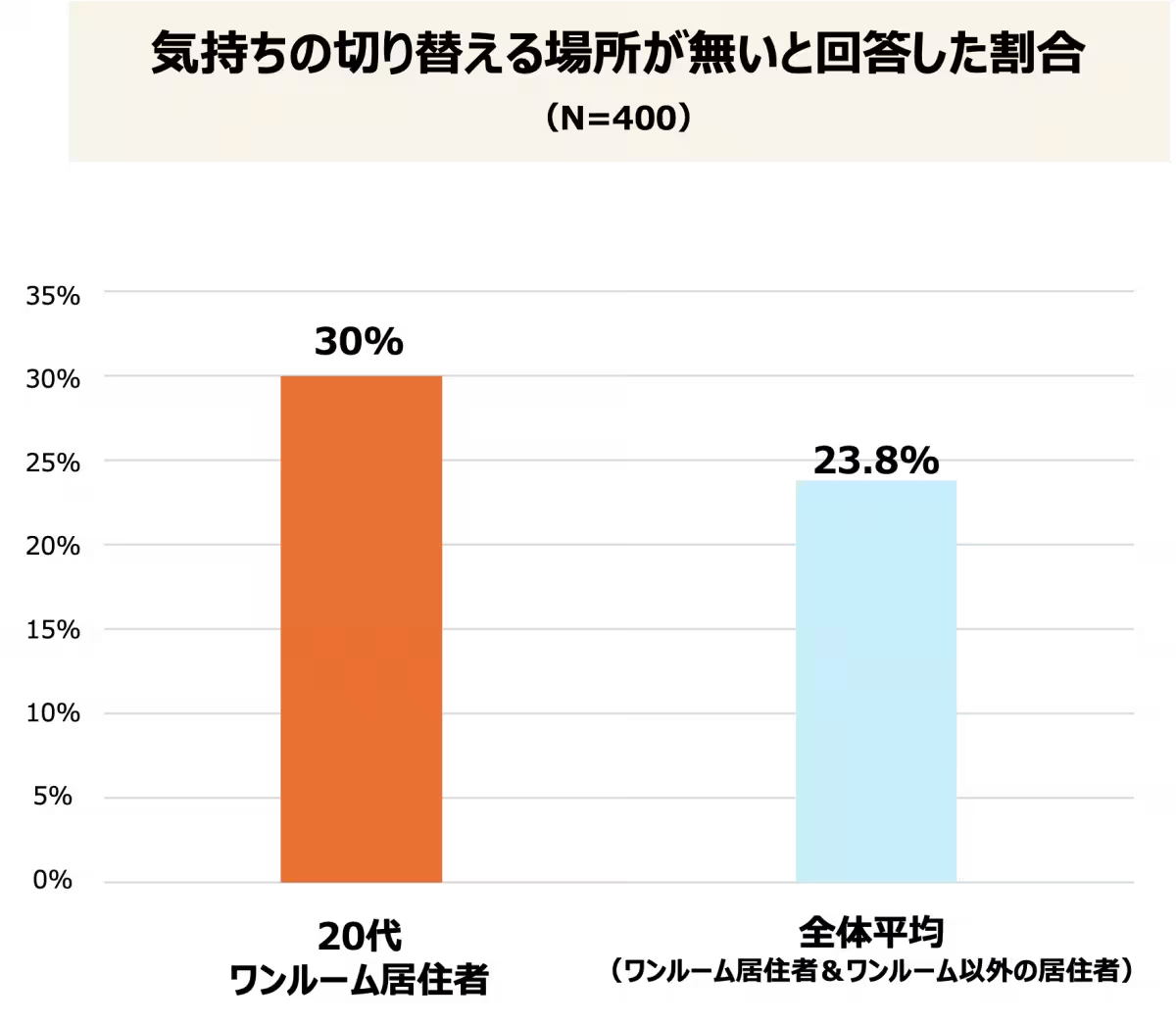
When asked where they find it easiest to switch off, 30% of residents in their 20s stated they couldn’t find a suitable spot within their homes. This indicates that younger individuals, in particular, lack a mental refuge—a vital component for maintaining balance in stressful times. The absence of this ‘third space,’ a neutral area where one can disengage from daily pressures, becomes evident.
Contributing Factors
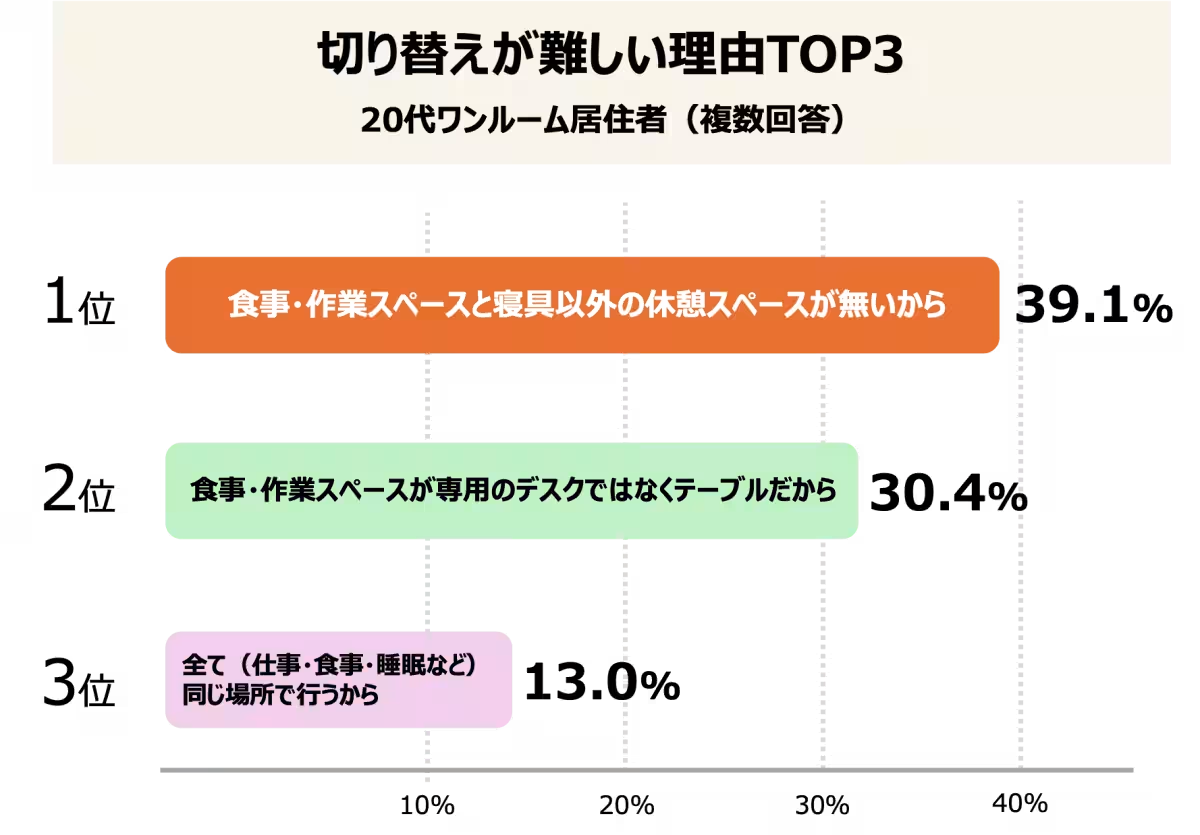
One primary reason for this dilemma is the absence of relaxation zones outside dining and workspaces. About 39.1% of respondents indicated that the lack of designated areas for downtime significantly hampers their ability to relax. This finding suggests a pressing need for more versatile furniture options that could simulate a more calming atmosphere.
Koala’s Solutions
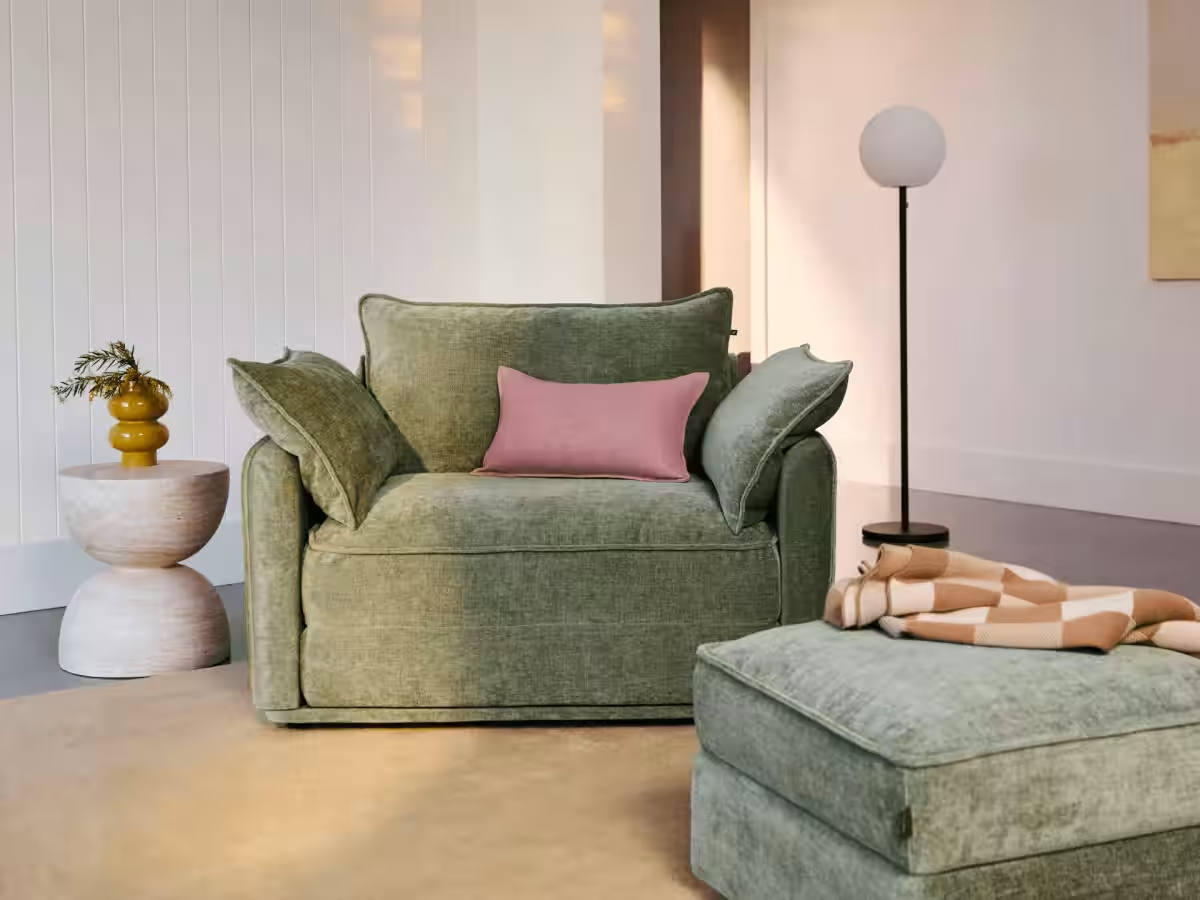
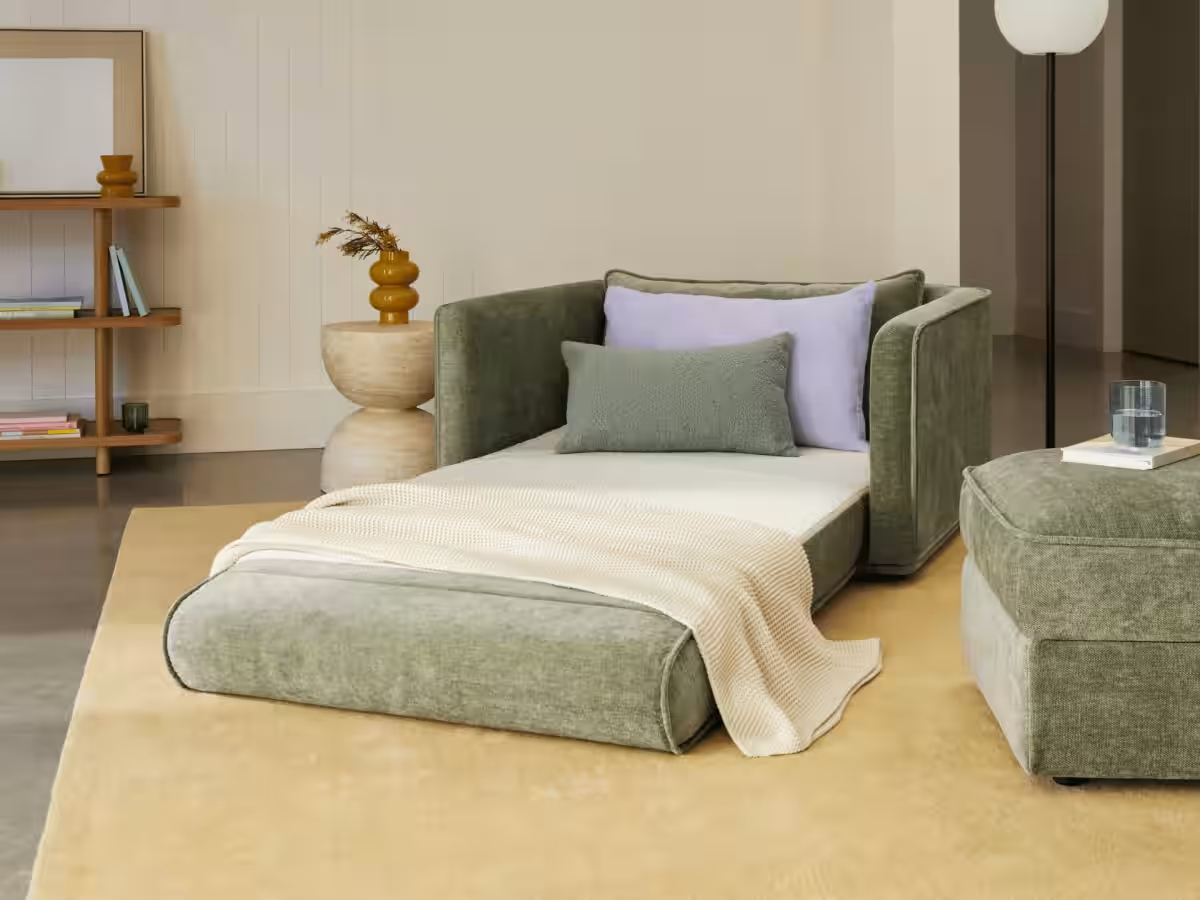
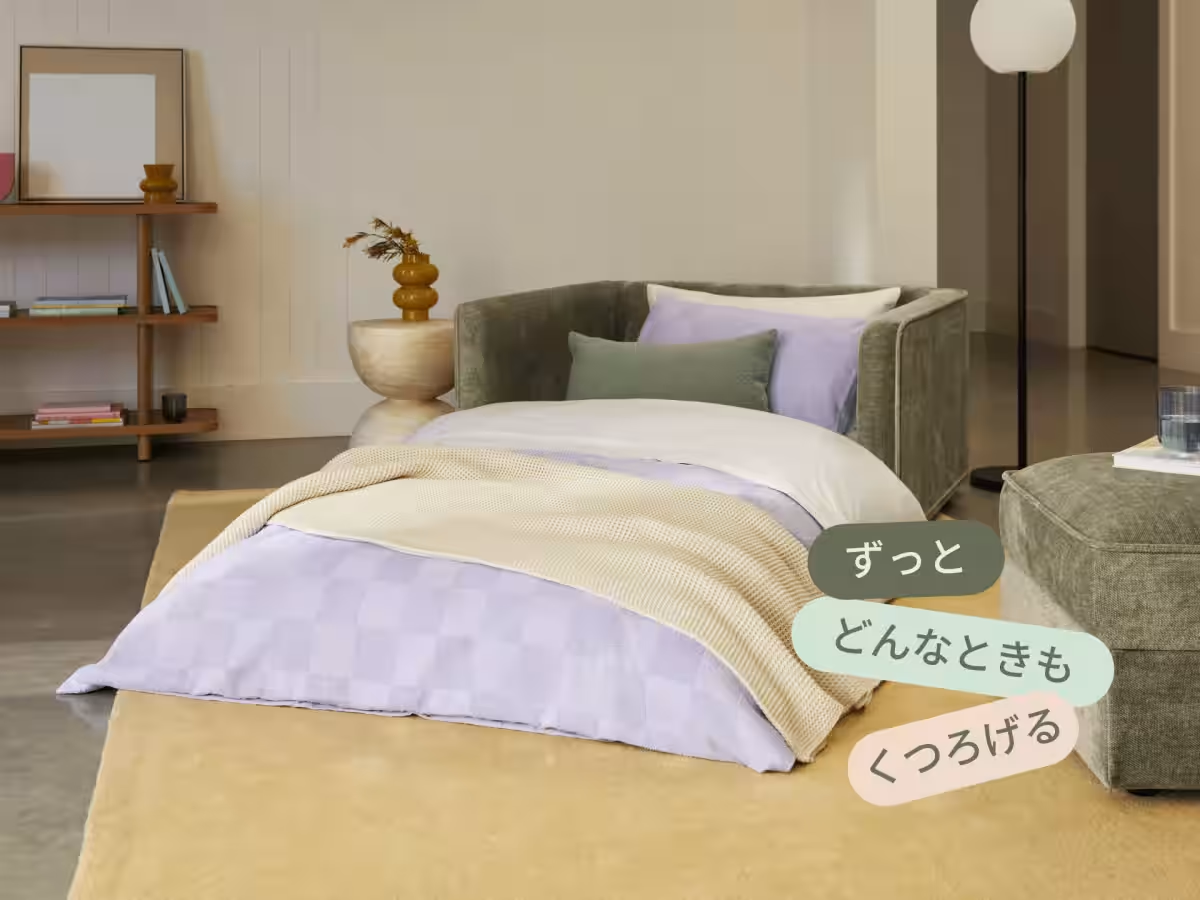
Despite the fixed constraints of small living spaces, altering the choice of furniture can create an effective mental switch between different modes of living. Koala has introduced its versatile sofa bed, the CUSHY, which serves as a sofa, couch, and bed, perfectly catering to the needs of contemporary dwellers. This multifunctional furniture piece allows residents to convert their space seamlessly from a workspace to a comfortable lounging area and a serene sleeping place.
The CUSHY in Action
The CUSHY sofa bed comes equipped with a wide seating surface, providing comfort during work, an inviting couch for relaxation, and a bed that ensures a restful night’s sleep—all crucial for maintaining mental well-being. The sofa bed has garnered substantial popularity, selling out upon its launch due to its practicality and stylish design tailored for small living spaces.
Conclusion
As Japan faces an increasing trend of smaller homes due to rising prices, organizations like Koala are on a mission to improve the quality of living for residents. Their initiatives not only offer innovative furniture solutions but also aim to restore mental peace in the bustling lives of urban dwellers. By addressing the interrelation between living conditions and mental health, Koala signifies the importance of creating functional yet serene environments at home.



Topics Consumer Products & Retail)
【About Using Articles】
You can freely use the title and article content by linking to the page where the article is posted.
※ Images cannot be used.
【About Links】
Links are free to use.