



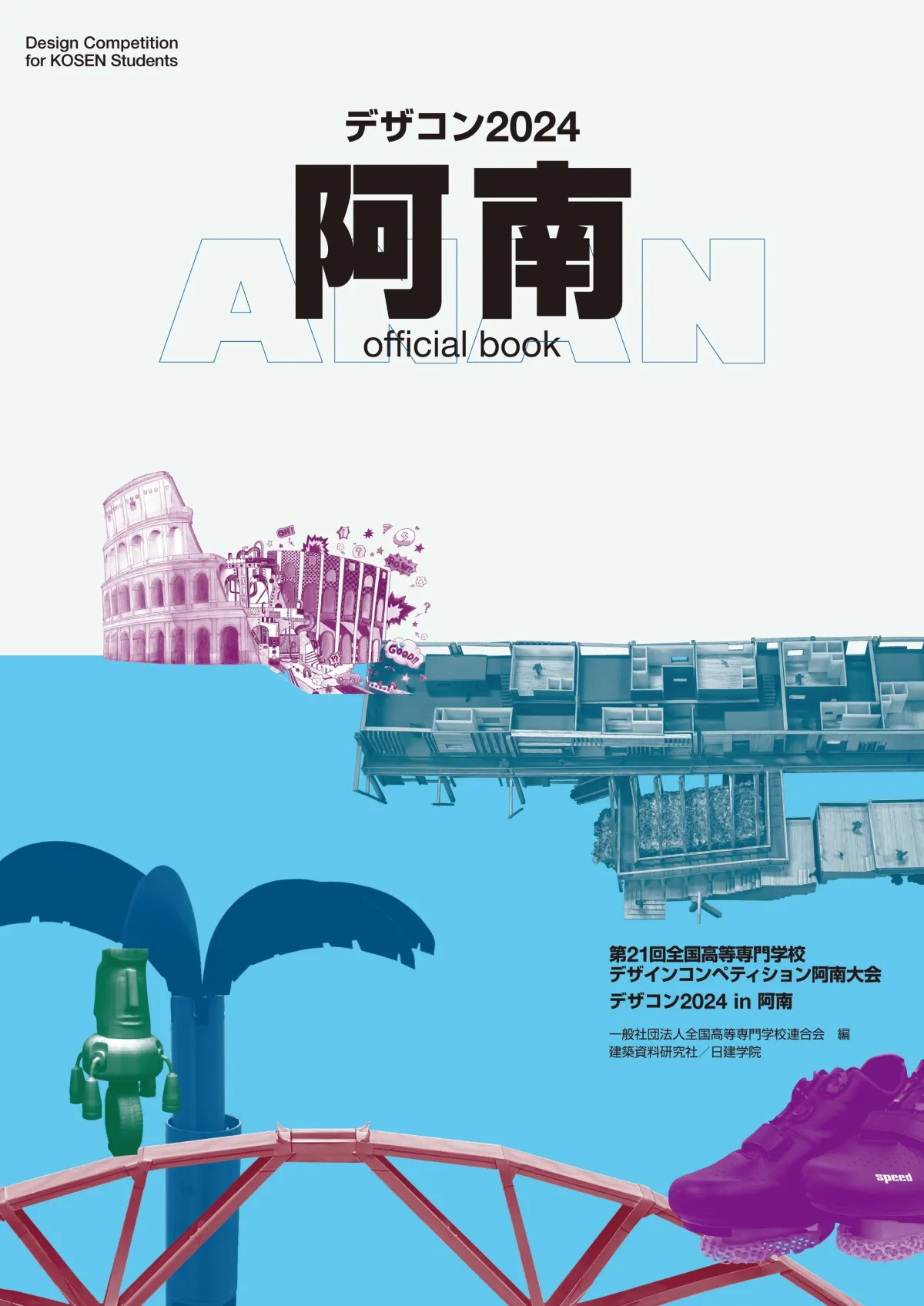
The Release of 'Design Con 2024 Anan Official Book': A Journey Through Innovative Student Creativity
Unveiling the 'Design Con 2024 Anan Official Book'
On April 22, 2025, a remarkable compilation titled 'Design Con 2024 Anan Official Book' will be released, offering a comprehensive record of the 21st National Technical College Design Competition. Distributed by Kenchikushiryo Kenkyusha, a company renowned for its specialist publications in architecture, housing, and interior design, this book will be available in bookstores and online across Japan.
What is Design Con?
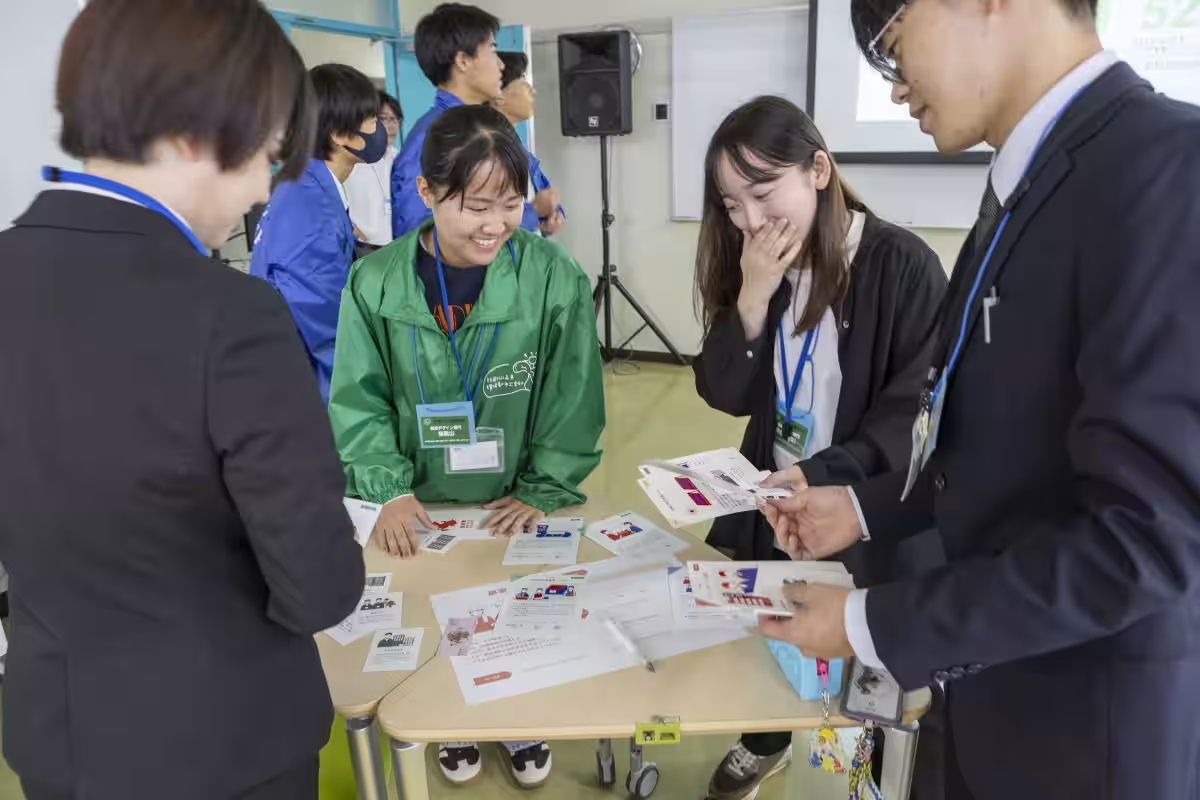
The Design Con competition is an annual event organized by high school students from technical colleges, aiming to cultivate practical and creative engineers. It is one of the main events among 58 technical colleges across Japan, alongside other competitions like Robocon, Procon, and Precon. This vibrant competition allows students from various engineering disciplines, particularly civil engineering and architecture, to showcase their technical creations, engaging in a friendly rivalry that melds knowledge and ingenuity.
Overview of the Book
The latest volume encapsulates the essence of the 21st event, themed 'Connection'. It shines a spotlight on how participating students from numerous technical colleges are united through the competition, connecting technology, ideas, and expressions in a quest to pave the way for an enhanced future. The competition, hosted by Anan National College of Technology, attracted a total of 268 submissions across five categories, emphasizing the theme of fostering connections from the present to the future.
Categories of Design Competition
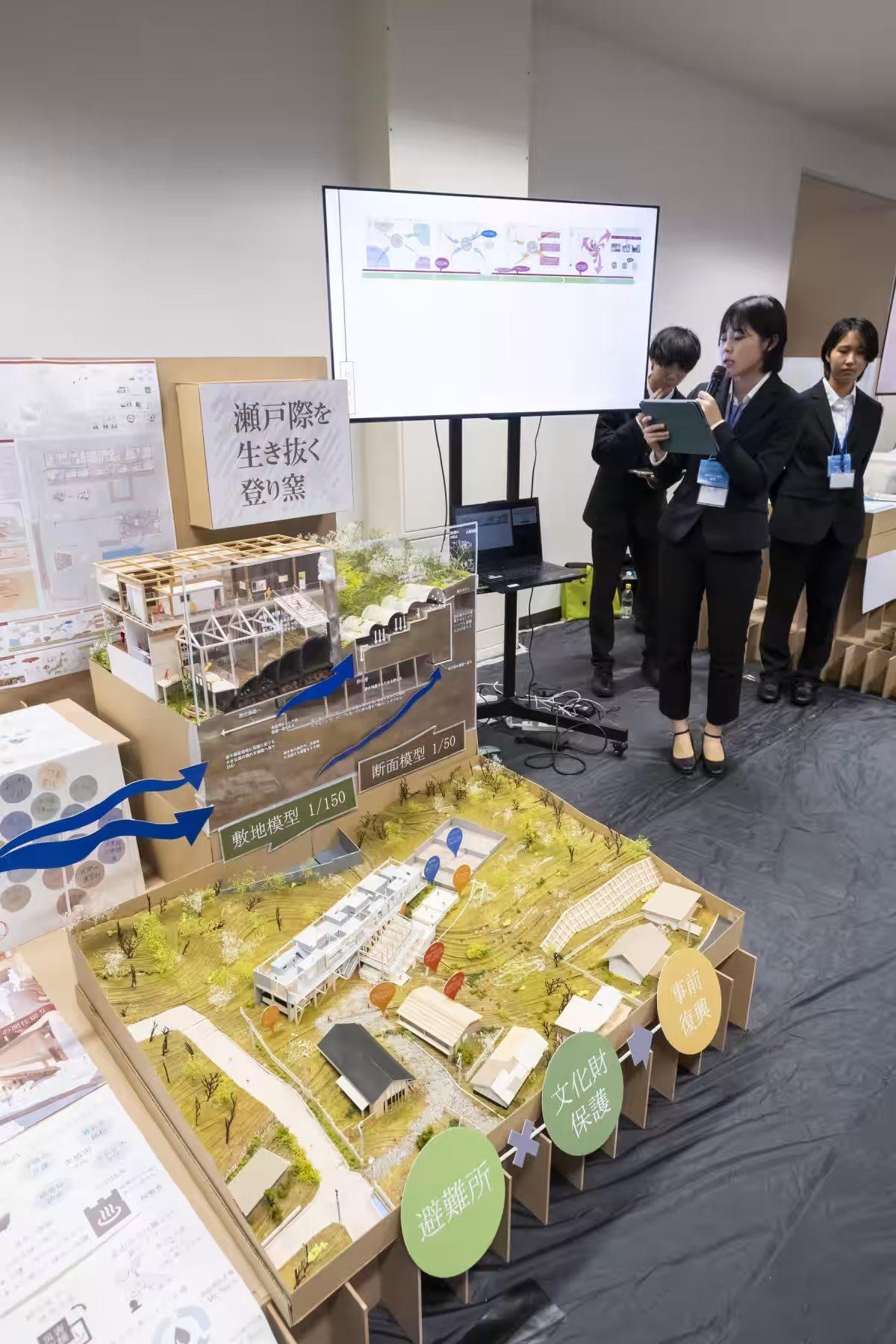
Space Design Category
Shot by: Atsuki Nakagawa
Theme: Vertical x Horizontal
This year's challenge encouraged participants to transcend conventional methods within architecture, civil engineering, urban and rural planning, and to explore innovative new spatial designs that resonate with community resources and individual lifestyles, all while considering disaster preparedness. A total of 112 entries were received for this category, capturing the rigorous evaluation process leading up to the selection of winners.
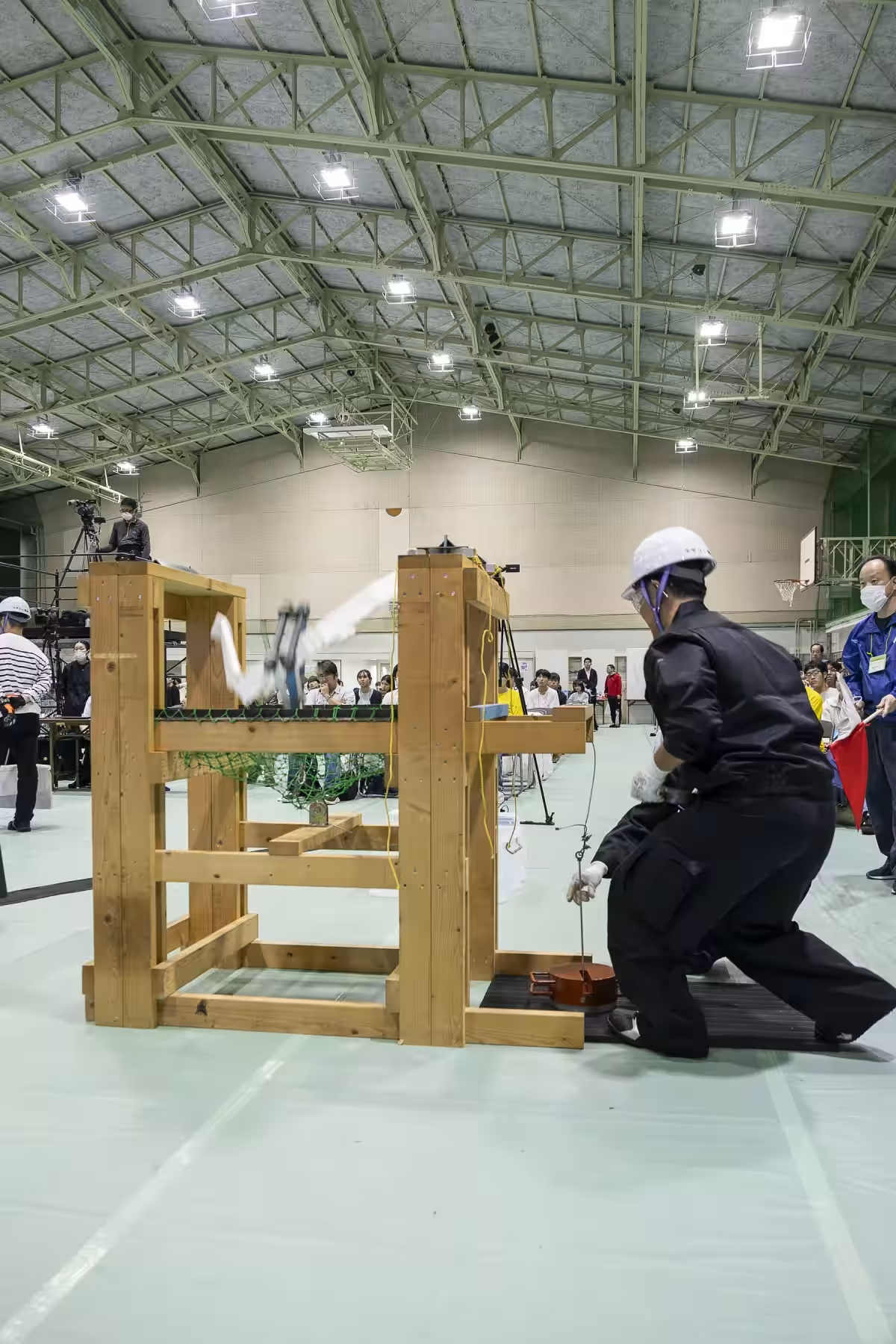
Structural Design Category
Shot by: Ko Hata, Tomohiro Sakashita
Theme: Connecting Bridges
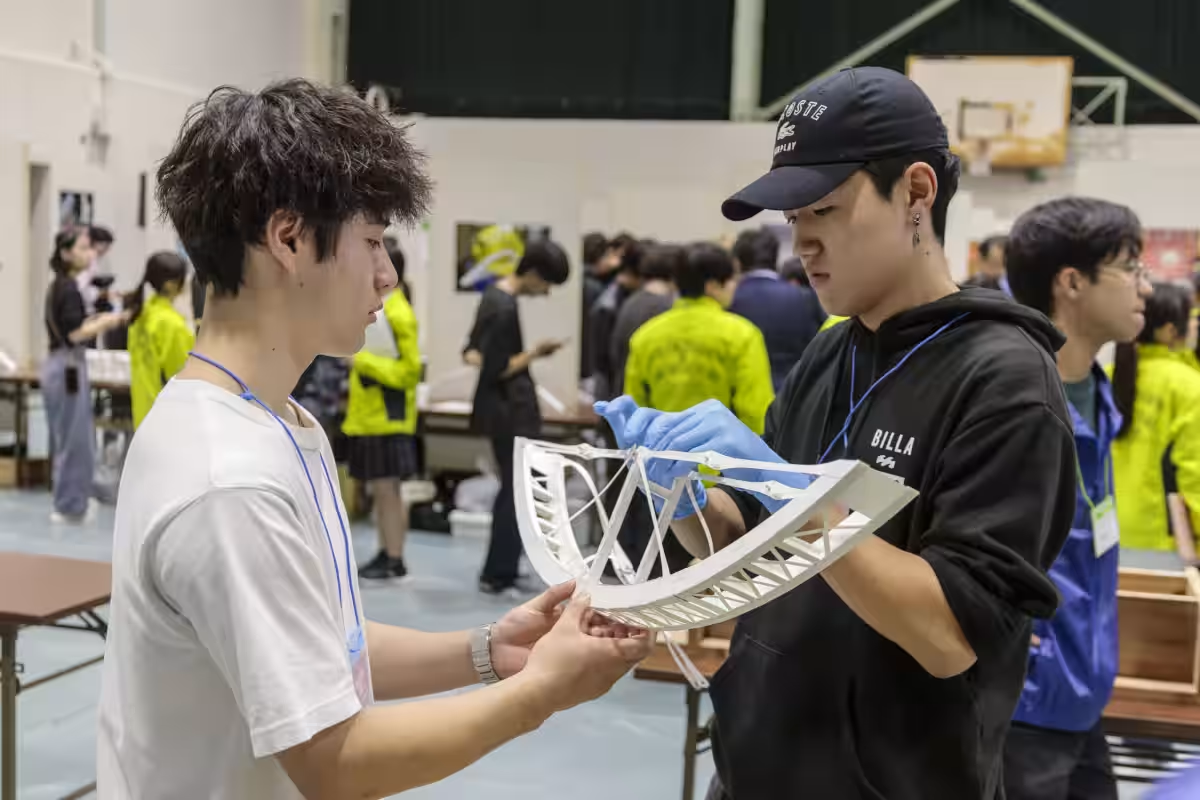
Continuing from the previous year, students were tasked with constructing bridges using only paper and wood adhesive. Designed to be disassembled into two to four components without using fasteners or adhesives, the challenge tested how effectively participants could join parts and how well their bridges could withstand static and impact loads, showcasing the unique properties of paper. The competition witnessed submissions from both national and international entries, including 52 bridge constructions documented throughout the judging process.
Creative Design Category
Shot by: Hiroshi Watanabe
Theme: Connecting to a Decarbonized Future
Focusing on the year 2050, participants were urged to devise groundbreaking ideas that contribute to building a carbon-neutral society in urban settings, addressing climate change urgently. Each proposal aimed to inspire innovative solutions that would ensure a sustainable way of living in the future. Out of 19 submissions, the process of selecting the finalists is thoroughly documented in the book.
AM Design Category
Shot by: Taku Hata
Theme: Creating Connections Through Craft
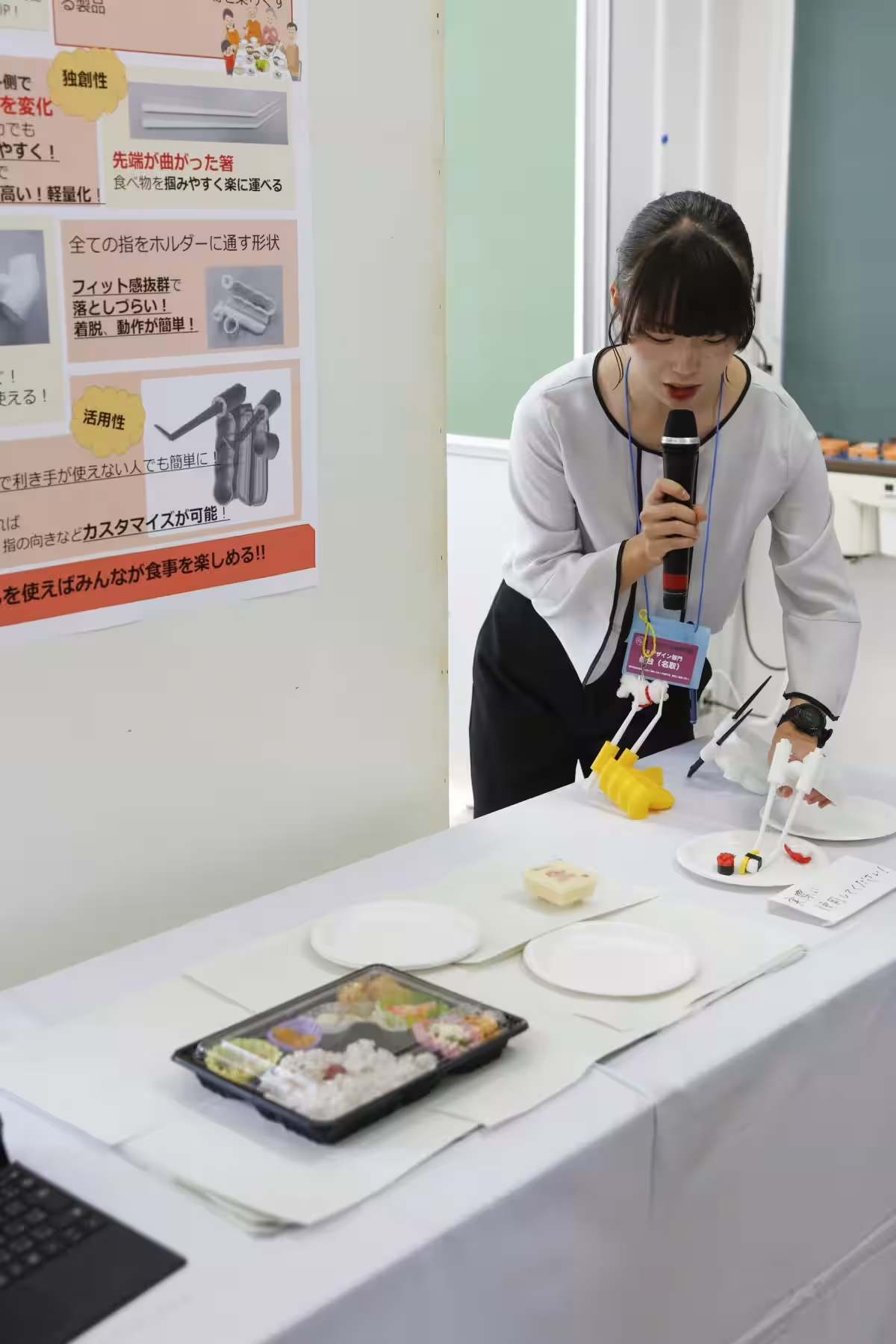
This category challenged students to use 3D printing technology to produce items that enhance human connectivity and increase interaction. The objective was to go beyond treating 3D printers as just production tools and to show problem-solving through design and materials. A total of 32 entries were submitted, with detailed evaluations of the winning designs.
Pre-Design Con Category
Theme: Past ⇒ Present ⇒ Future x 'Connection'
This category was open to first- and second-year students, with a focus on expressing creativity through existing or historic structures. With 53 total submissions, the category explored connections to the theme through diverse interpretations. Voter rankings from attendees were also recorded.
Book Details
The 'Design Con 2024 Anan Official Book' is edited by the National Technical College Association and will officially release on April 25, 2025, priced at 1,980 yen (1800 yen + tax). The book has an ISBN of 978-4-86358-993-3 and includes 176 pages in a B5 format. It will be sold in major bookstores across Japan and in online markets.
To learn more, visit Kenchikushiryo Kenkyusha's official site.
Conclusion
This book not only celebrates the innovative spirit of technical college students but also emphasizes the importance of connections—between people, ideas, and disciplines. The stories and designs encapsulated within will serve as inspiration for future generations of creators and engineers.
Topics Other)
【About Using Articles】
You can freely use the title and article content by linking to the page where the article is posted.
※ Images cannot be used.
【About Links】
Links are free to use.