



Impact of Pollen Allergies on Sleep and Indoor Air Quality: Key Findings
The Hidden Struggles of Pollen Allergy Sufferers in Their Own Homes
As the prevalence of pollen allergies continues to rise, a recent survey reveals that more than 60% of those suffering from this condition struggle with poor sleep quality. Conducted by Mitsubishi Estate Home, this survey sheds light on the complexities of dealing with pollen allergies, particularly focusing on home environments where many people unknowingly deal with pollen intrusion.
The Growing Concern of Pollen Allergies
According to the Japanese Ministry of the Environment, approximately 50% of the population now suffers from pollen allergies. Various types of pollen are released throughout the year, aggravating symptoms regardless of the season. While the outdoors is often where people expect symptoms to worsen, the survey reveals that pollen can infiltrate living spaces, exacerbating discomfort and impairing quality of life.
Key Findings from the Survey
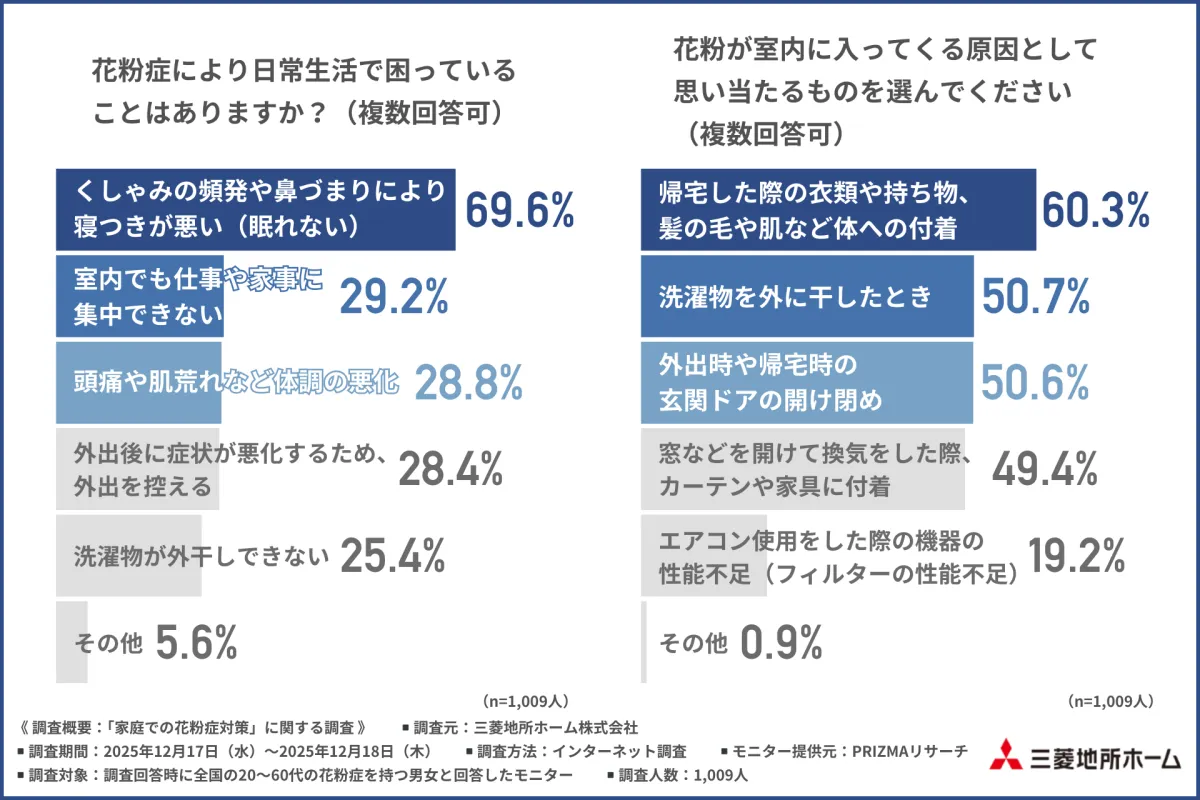
Mitsubishi Estate Home's survey targeted a diverse group of participants, including men and women aged 20 to 60 who experience pollen allergies. The findings are both alarming and revealing. Among the common struggles, 69.6% of respondents noted that symptoms such as sneezing and nasal congestion directly affected their ability to fall asleep. Other reported issues include difficulty concentrating on tasks indoors (29.2%) and various health problems like headaches and skin irritation (28.8%).
Significant Sleep Disruption
The survey highlights that nearly 70% of participants suffer from disrupted sleep caused by allergy symptoms, indicating a significant impact on daily activities and overall well-being. This deterioration of quality of life triggers questions about the root causes of pollen entering homes and the measures taken to combat it.
How Pollen Enters the Home
When asked about how pollen infiltrates their houses, 60.3% of participants cited clothes, personal items, and even hair and skin as primary carriers of pollen. Other notable entry points include laundry left outside (50.7%) and the act of opening and closing front doors while coming and going (50.6%). These findings reflect a common understanding that pollen can enter homes through a myriad of daily activities, not just by being outdoors.
Implementing Effective Home Strategies
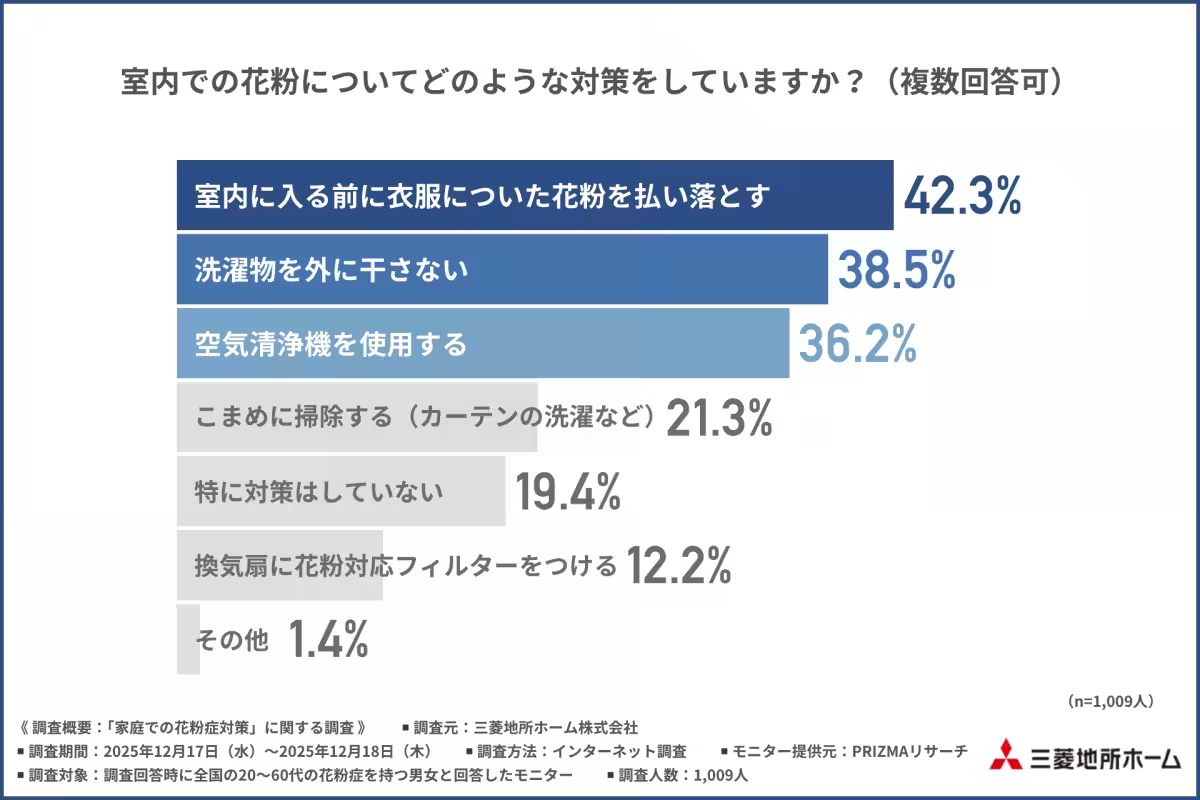
With the awareness of how pollen invades their living spaces, people have adopted several strategies to mitigate its effects. The most common preventative measure includes removing pollen from clothing before entering the home (42.3%), followed by not drying laundry outside (38.5%) and utilizing air purifiers (36.2%). Despite these strategies being popular, about 20% of respondents admitted they are not taking any significant actions to combat pollen, suggesting a gap in proactive measures.
The Dilemma of Ventilation
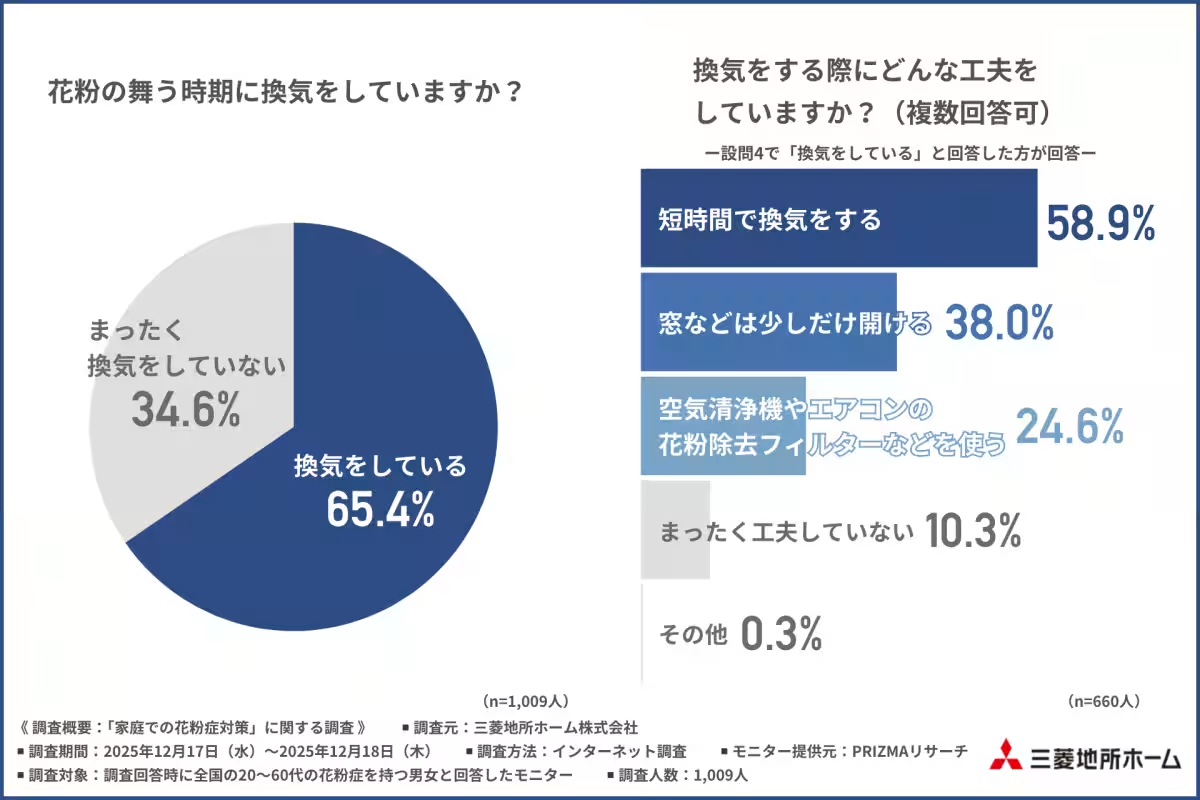
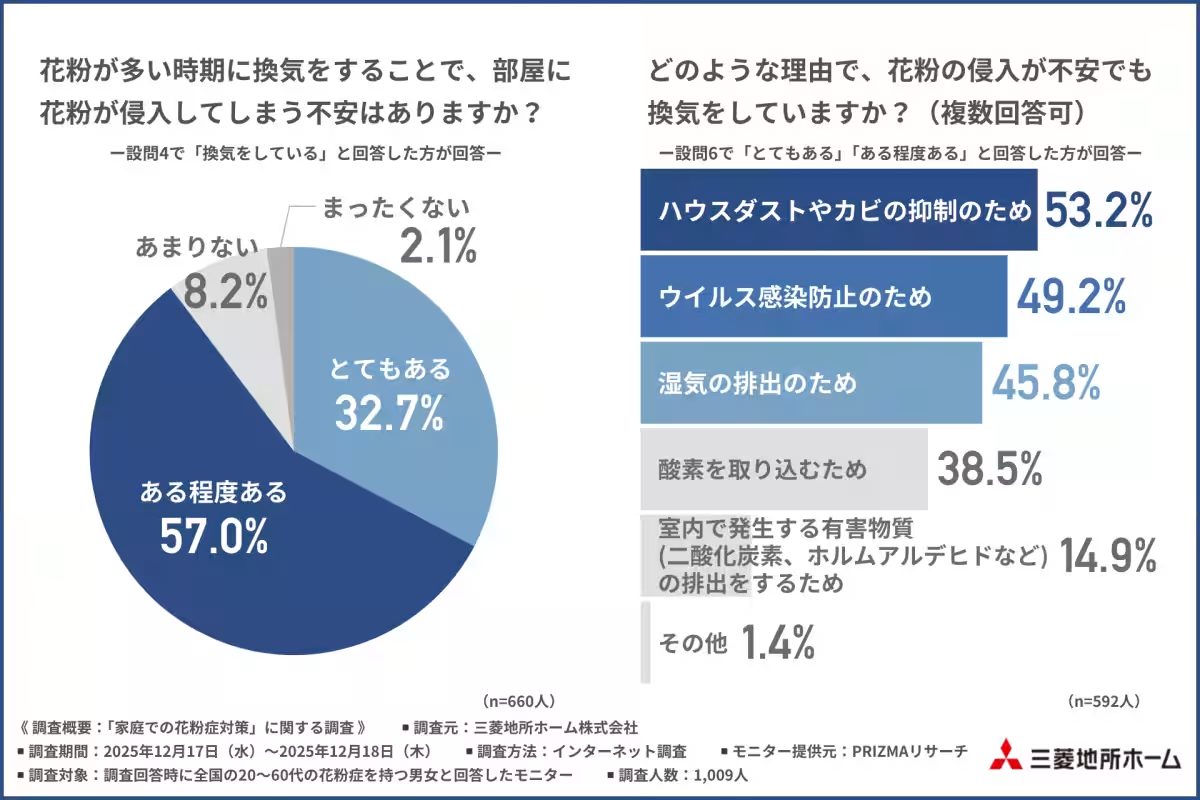
While nearly 80% of individuals acknowledge the influence of pollen even indoors and have adopted some measures to counteract it, maintaining good air quality through ventilation remains critical. Interestingly, when asked about whether they ventilate their homes during pollen season, 65.4% indicated they still open windows, while more than 34.6% completely avoid it due to fear of letting pollen in. This conflicting behavior illustrates the struggle between health concerns and fear of exacerbating allergies.
Innovative Ventilation Techniques
The survey reveals that among those who do ventilate, 58.9% opt for short ventilation periods to minimize pollen flow, with 38.0% slightly opening windows and 24.6% utilizing air purifiers and air conditioning systems equipped with pollen filtration features. This acute awareness underscores the effort many take to protect their families while still maintaining fresh air in their homes.
Importance of Clean Indoor Air
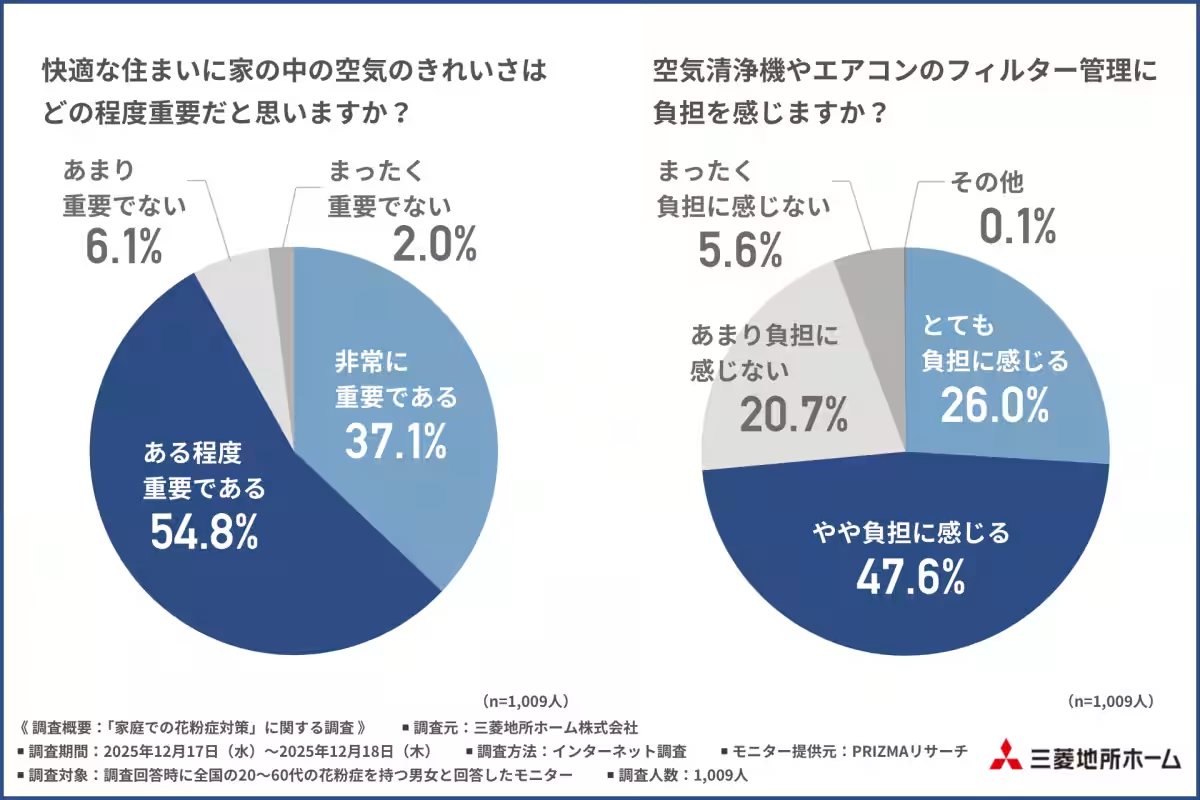
The survey also highlighted the paramount importance of maintaining clean indoor air, with over 90% of respondents acknowledging the critical role that good air quality plays in overall comfort and health. While concerns about pollen remain high, many are also apprehensive about dust mites, mold, and viruses that can further compromise their health.
The Burden of Air Quality Management
Despite the desire to maintain clean air, over 70% of respondents expressed feeling burdened by the upkeep of air purifiers and filters. This indicates a need for user-friendly solutions to ensure air quality without added stress.
Conclusion: Seeking a Balance
These findings stress the urgent need for effective strategies to address both pollen allergies and air quality management in homes. While many struggle to find the right balance between maintaining a clean living environment and managing allergy symptoms, Mitsubishi Estate Home strives to provide solutions. Their innovative AeroTech air conditioning system not only manages climate but also facilitates proper ventilation without overwhelming users.
AeroTech represents a step towards healthier indoor air quality for those struggling with allergies, marrying comfort with efficiency. As pollen season approaches, it is essential for individuals to find methods that suit their lifestyles while ensuring a safe haven indoors. For additional information on improving air quality in homes, consider visiting Mitsubishi Estate Home's website to explore the innovative AeroTech system.
Topics Health)
【About Using Articles】
You can freely use the title and article content by linking to the page where the article is posted.
※ Images cannot be used.
【About Links】
Links are free to use.