



The Impact of Recruitment Communication on Job Seekers' Experience in Japan
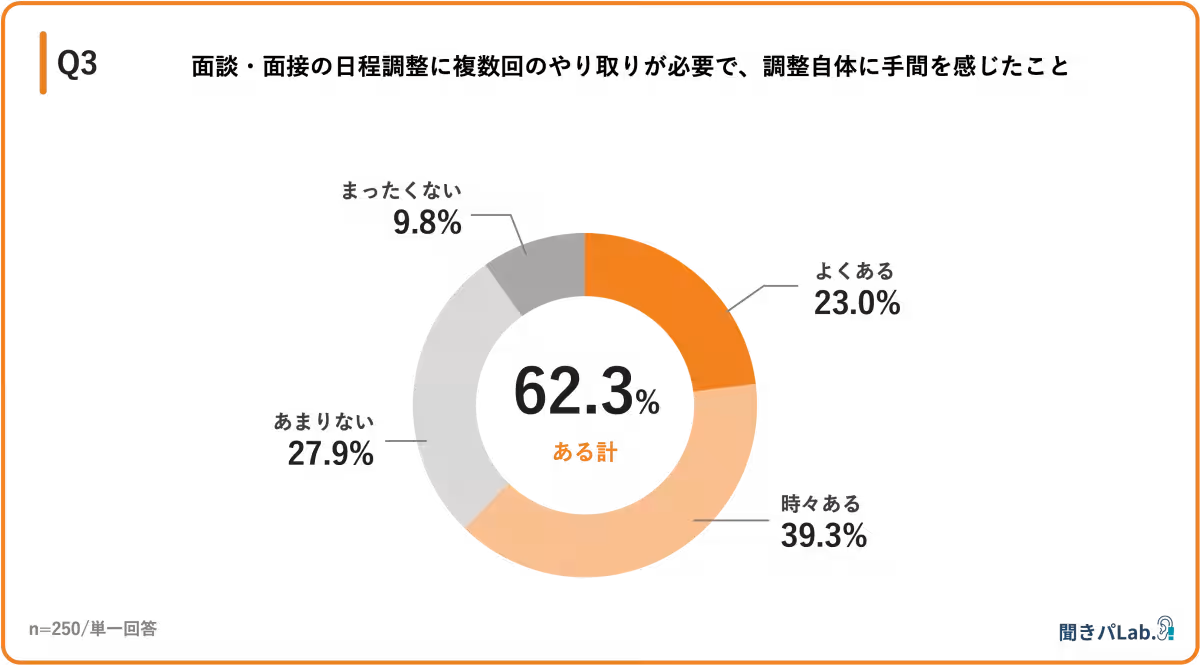
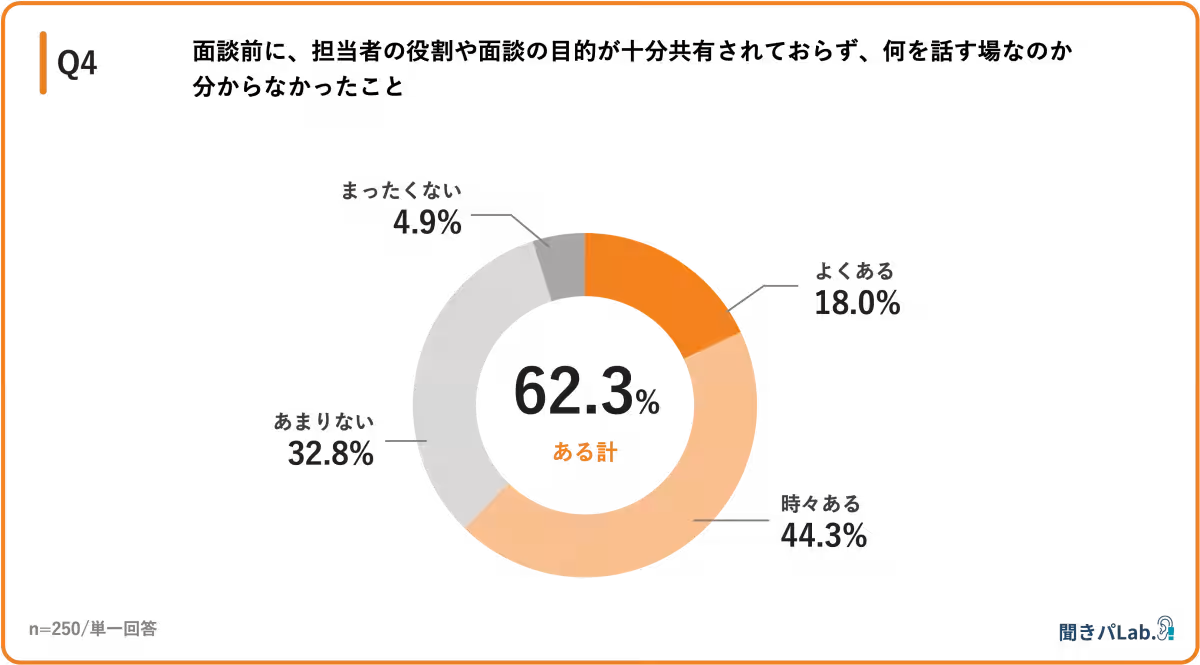
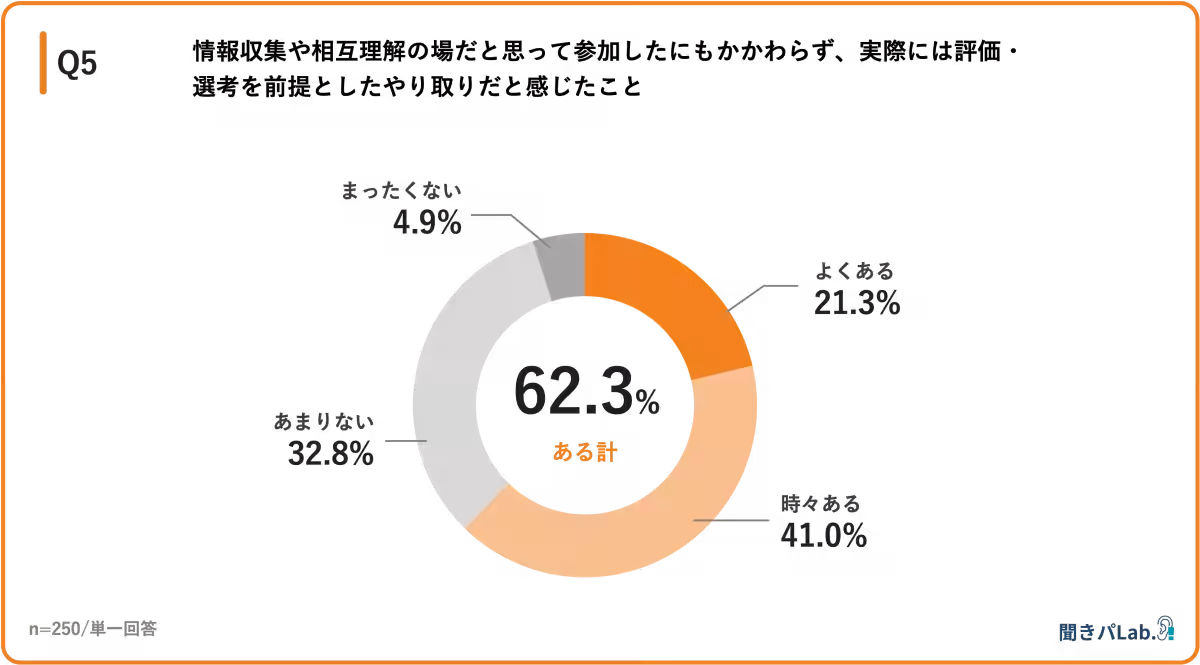
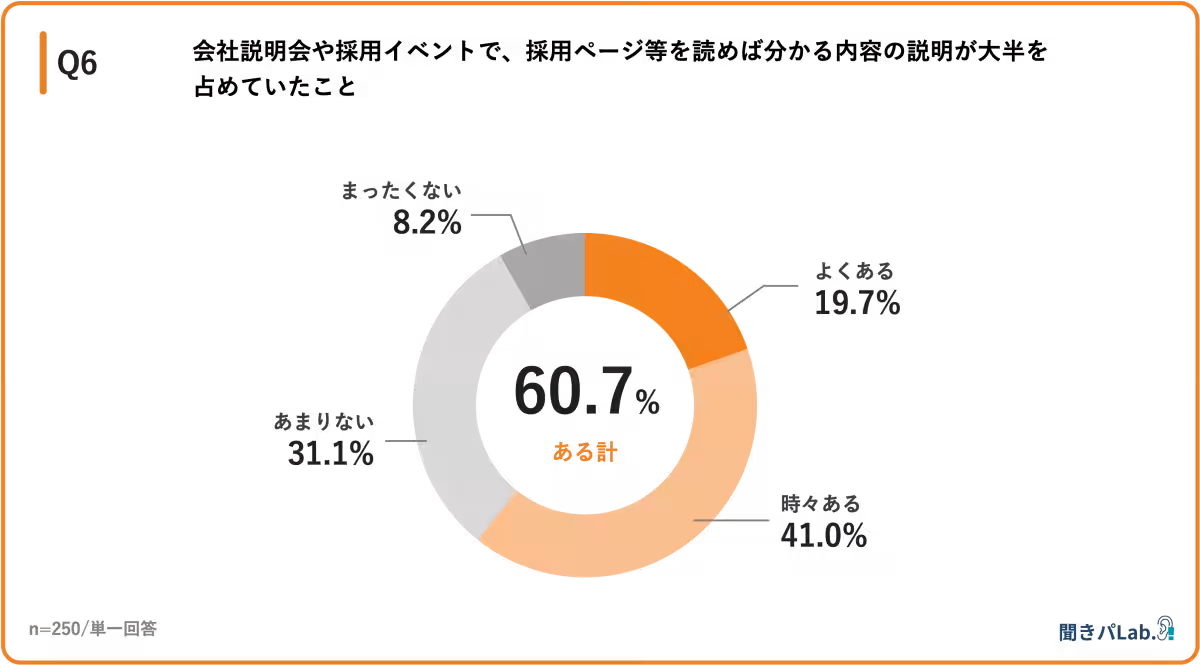
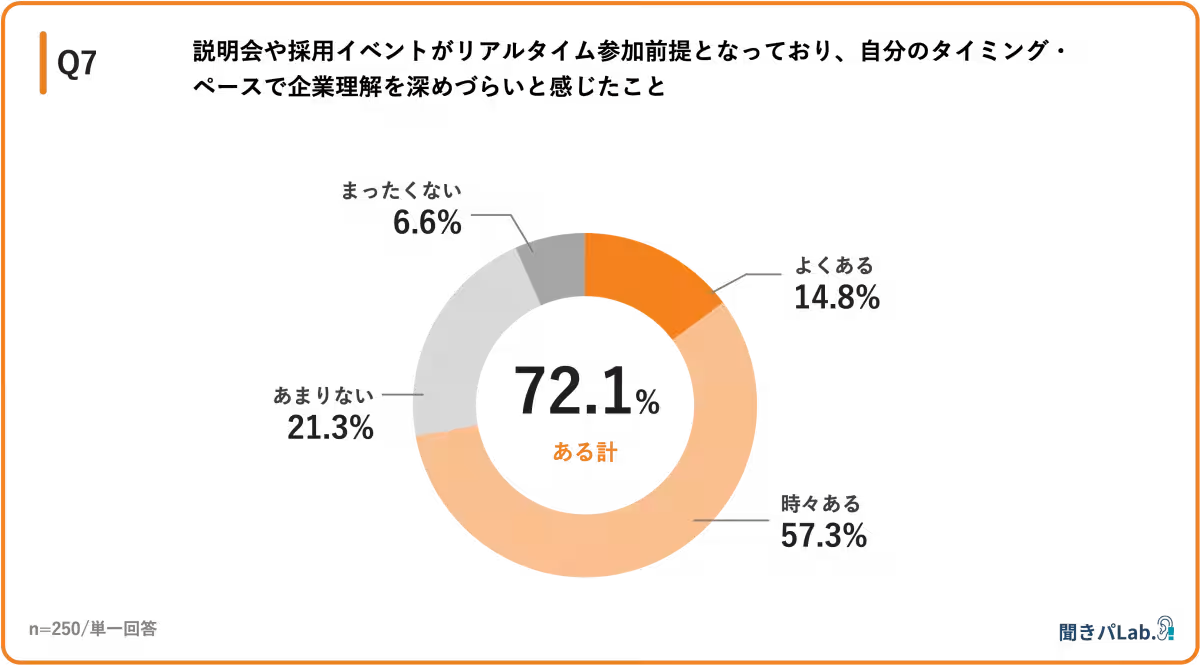
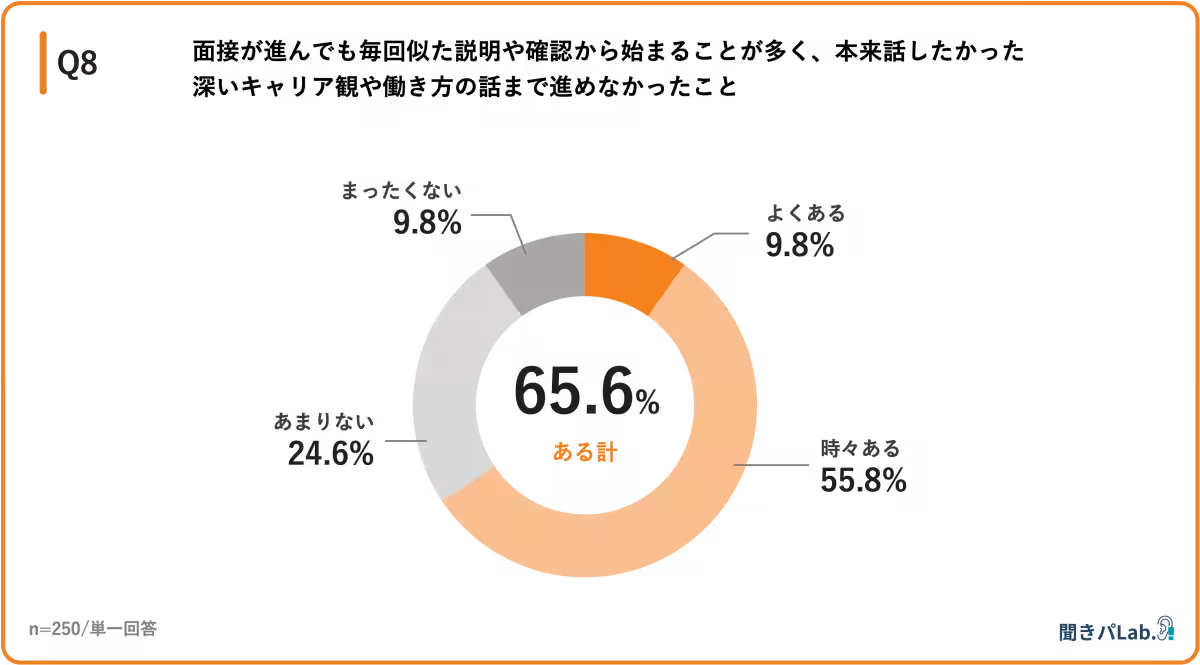
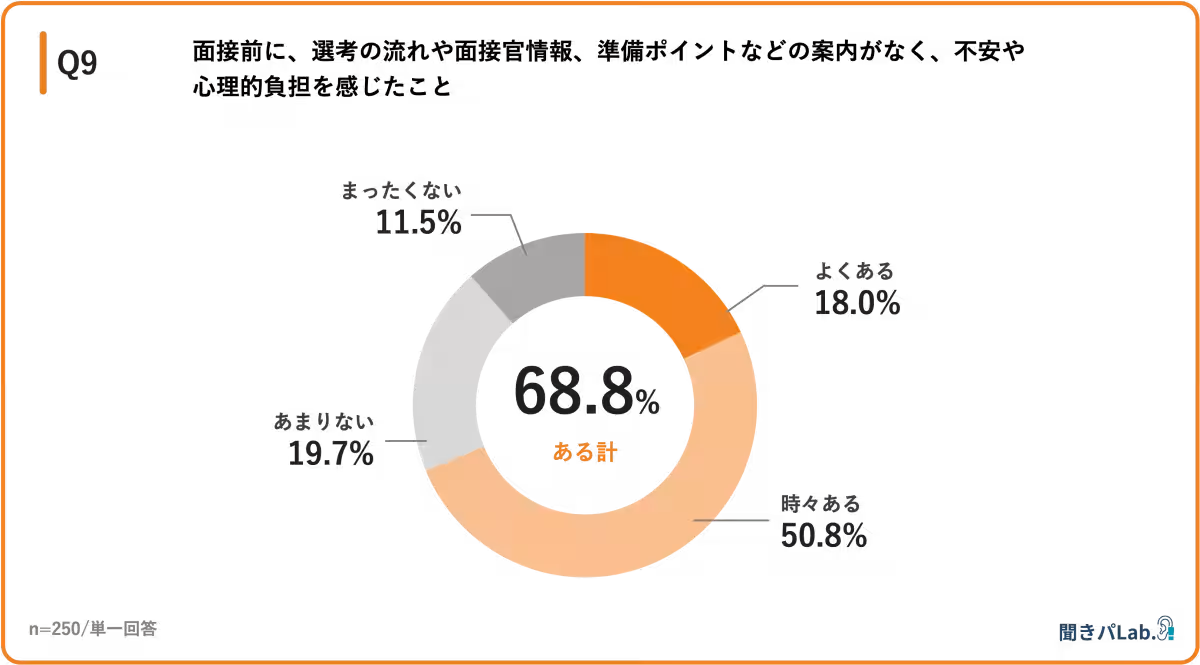
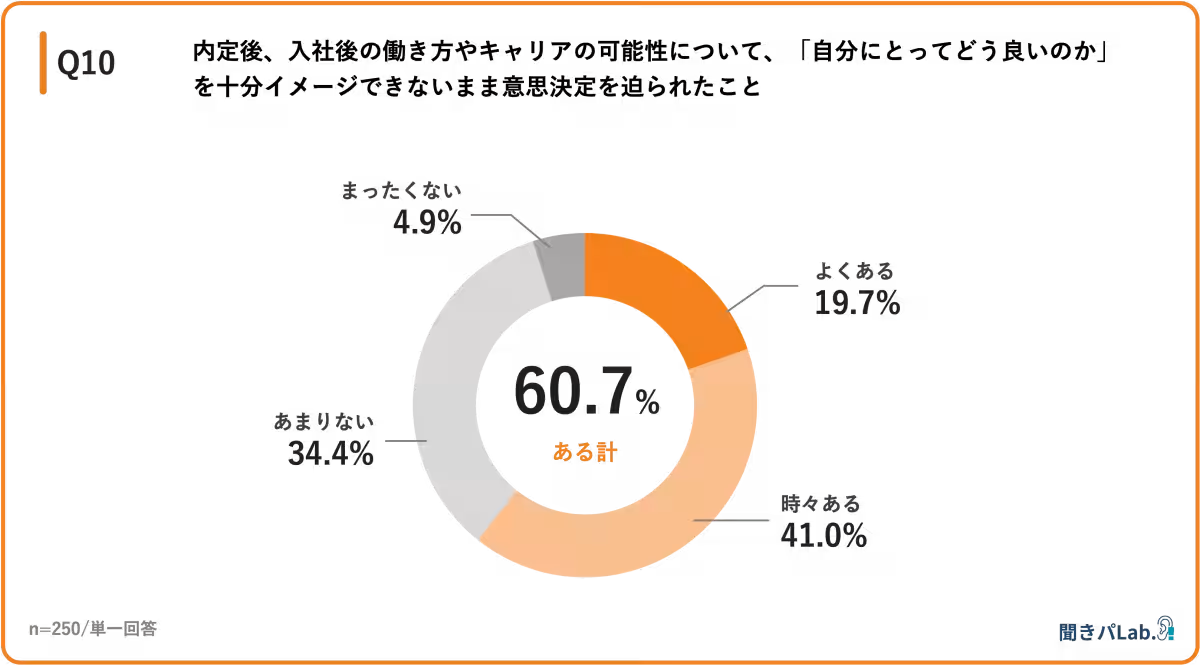
Kikipa refers to the listening performance of candidates during recruitment interactions. It assesses the degree of energy and stress they invest against the clarity and satisfaction they derive from these conversations. Unfortunately, the results from this research indicated that current recruitment practices often compromise the quality of Kikipa, potentially leading to candidate withdrawal from processes altogether.
The study highlights that while recruitment teams intend to streamline their processes for efficiency, the result may backfire, frustrating candidates who prioritize effective use of their time. Companies need to rethink their communication strategies to provide personalized information that addresses individual candidate concerns, ultimately enhancing the overall recruitment experience.
As competition for talent continues to escalate, the findings from the KikipaLab study suggest an urgent need for organizations to rejuvenate their recruitment communication approaches. By embracing an individualized and strategic communication model, employers can foster an engaging and rewarding environment for potential hires.
Furthermore, the implications of adopting a candidate-centric perspective could not only better align expectations but also ensure gradual yet substantial enhancements in the broader landscape of recruitment processes within Japan. Through these changes, both candidates and organizations can benefit from a more satisfying and effective hiring experience.
Addressing Communication Inefficiencies
The study highlights that while recruitment teams intend to streamline their processes for efficiency, the result may backfire, frustrating candidates who prioritize effective use of their time. Companies need to rethink their communication strategies to provide personalized information that addresses individual candidate concerns, ultimately enhancing the overall recruitment experience.
Conclusion
As competition for talent continues to escalate, the findings from the KikipaLab study suggest an urgent need for organizations to rejuvenate their recruitment communication approaches. By embracing an individualized and strategic communication model, employers can foster an engaging and rewarding environment for potential hires.
Furthermore, the implications of adopting a candidate-centric perspective could not only better align expectations but also ensure gradual yet substantial enhancements in the broader landscape of recruitment processes within Japan. Through these changes, both candidates and organizations can benefit from a more satisfying and effective hiring experience.
Topics Other)









【About Using Articles】
You can freely use the title and article content by linking to the page where the article is posted.
※ Images cannot be used.
【About Links】
Links are free to use.