



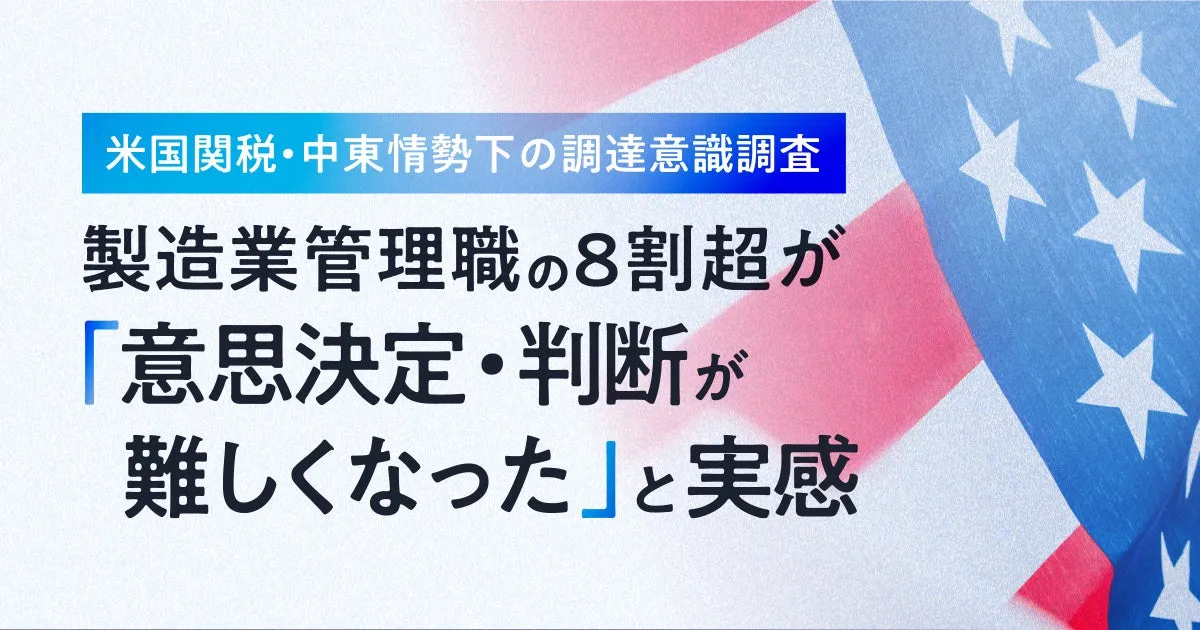
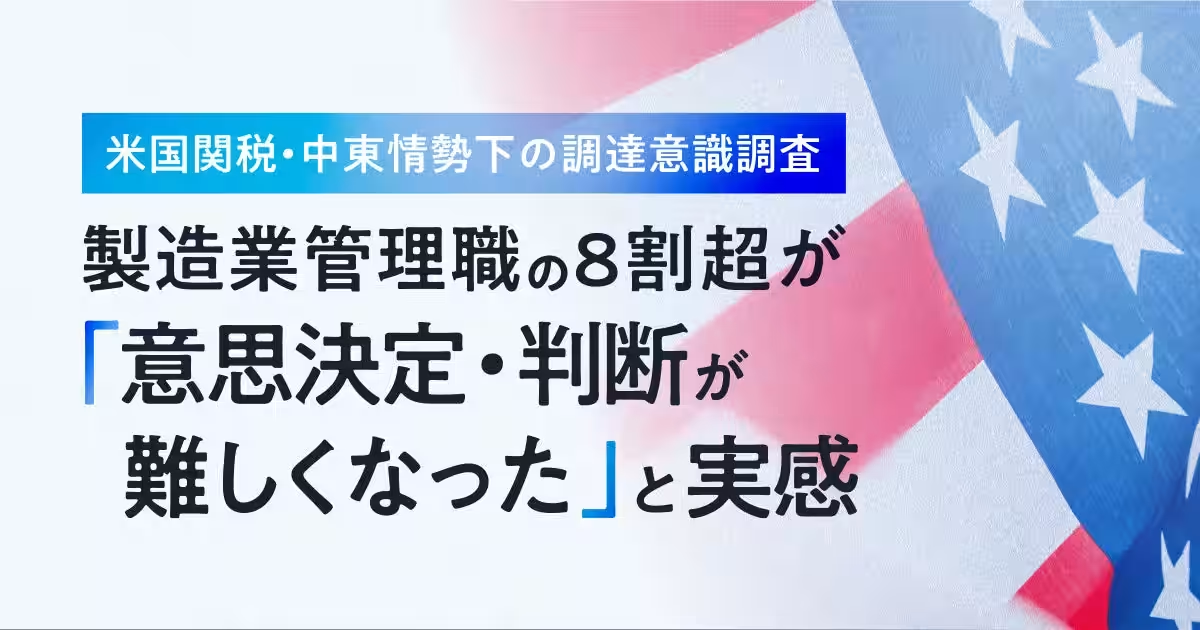
Impact of US Tariff Policies and Middle Eastern Tensions on Manufacturing Decision-Making
Navigating Uncertainty in Manufacturing: A Study Overview
The manufacturing sector is currently facing unprecedented challenges, largely due to volatile US tariff policies and escalating tensions in the Middle East. CADDi Inc., a Tokyo-based startup focused on digital transformation in manufacturing, conducted a survey involving 395 management-level professionals in the industry to gauge the impacts of these geopolitical shifts.
The Current Landscape
In recent times, fluctuations in US tariffs and geopolitical tensions have resulted in significant instability within global supply chains. The effects of these changes are multifaceted, affecting not only direct procurement costs and supplier evaluations but also necessitating a complete overhaul of budget planning and internal alignments. Our survey aimed to shed light on these shifts, capturing the feelings of managers regarding their operational burdens, decision-making challenges, and the role of AI and data analytics in their responses to these crises.
Key Findings
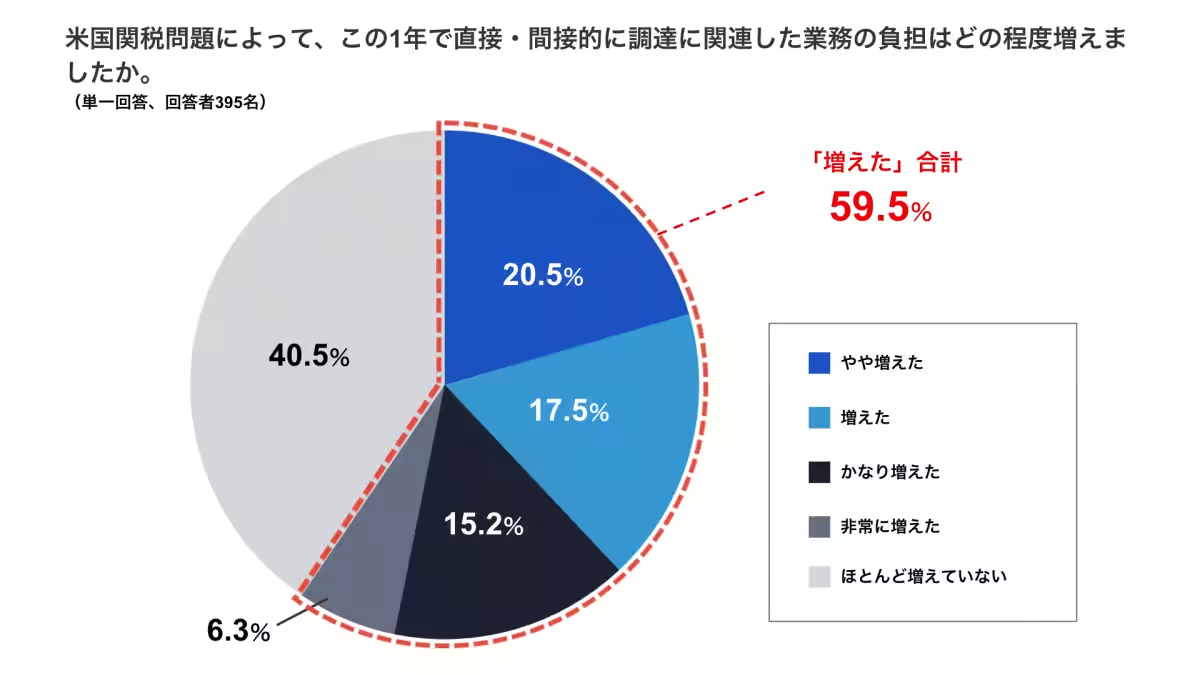
- - Increased Operational Burden: Approximately 60% of managers reported a noticeable increase in their workload due to tariff issues. Notably, around 20% indicated that their responsibilities had grown considerably.
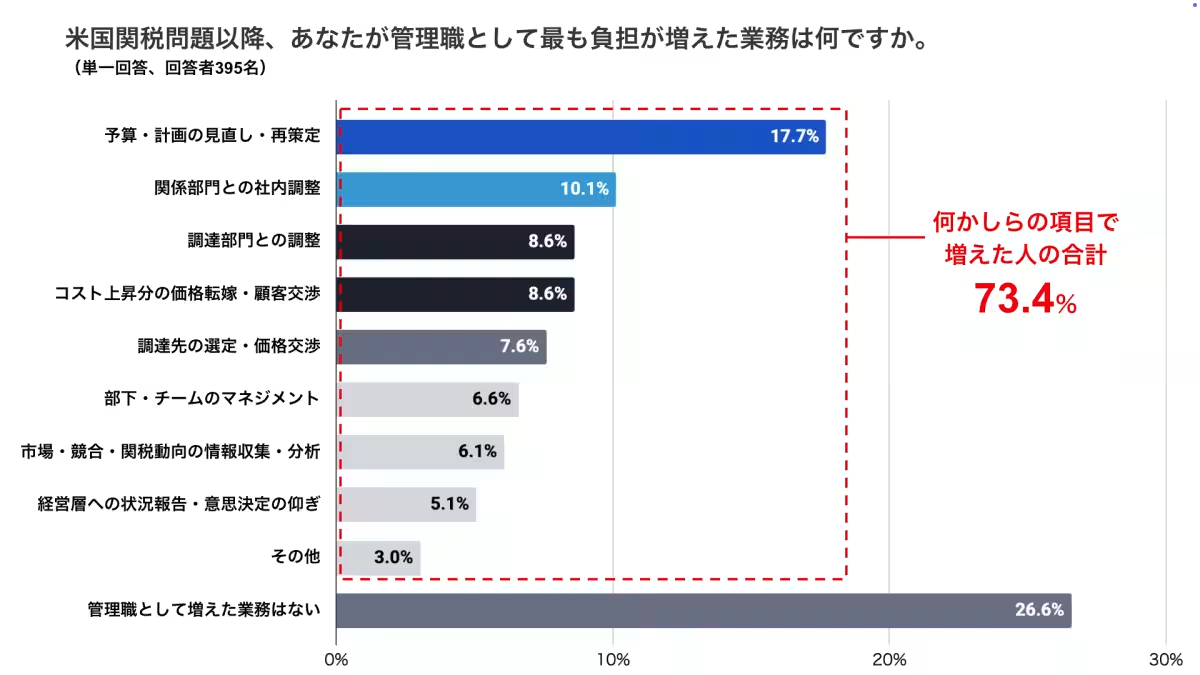
- - Budget Reassessment: Nearly 70% of respondents felt their workload increased following the introduction of US tariffs, with the most significant rise seen in budget review and reassessment tasks, affecting 17.7% of those surveyed.
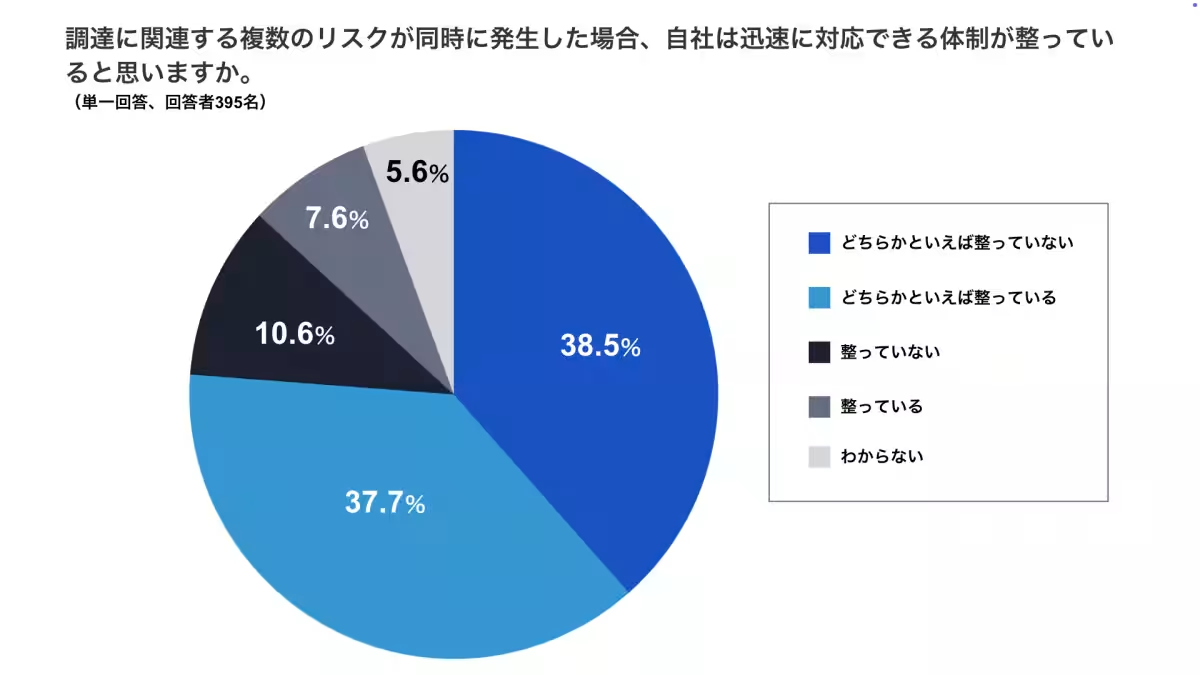
- - Response Readiness: About 50% of managers reported that their companies lacked an adequate rapid response framework for procurement risks, indicating that many organizations are struggling to build necessary infrastructures.
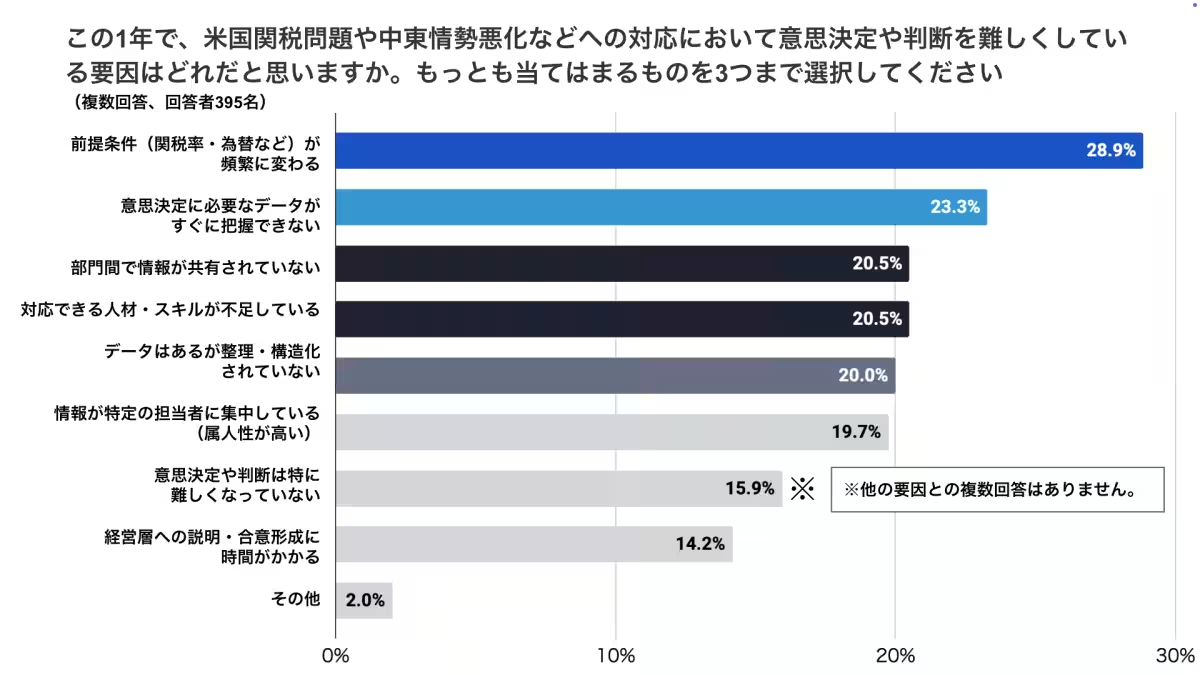
- - Decision-Making Complexity: Over 80% of managers expressed difficulty in making decisions due to frequently changing preconditions like tariff rates and currency exchange rates, with the latter being the most cited challenge.
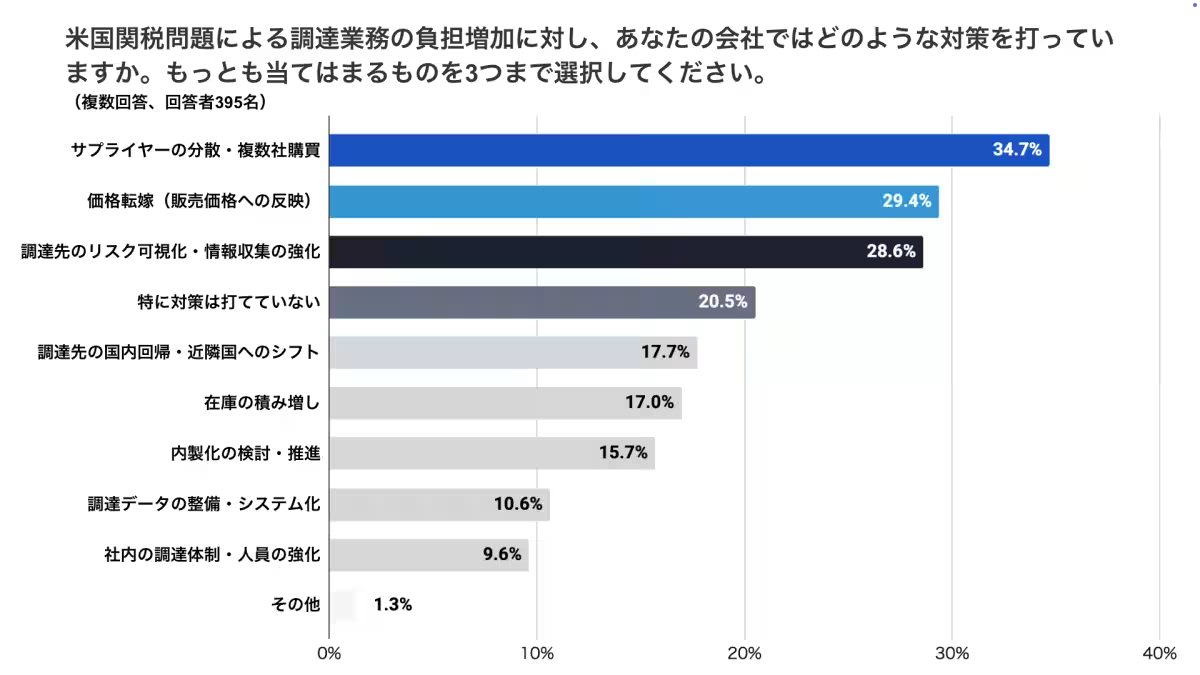
- - Proactive Measures: In response to increased operational pressures, 80% of companies implemented some form of strategic adjustment, predominantly focusing on diversifying suppliers, followed by pricing adjustments and amplifying risk visibility.
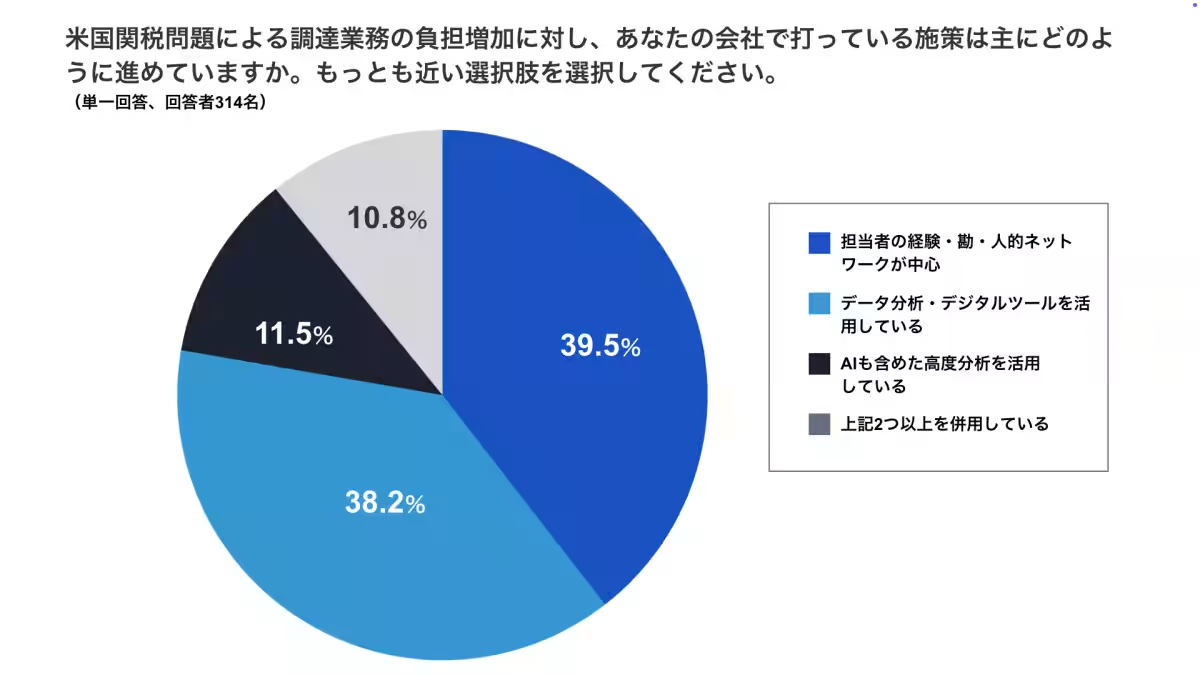
- - Reliance on Experience: Even as companies strategize, nearly 40% rely on the personal networks, experience, and intuition of leaders to navigate these changes, with only about 10% leveraging advanced analytics, including AI.
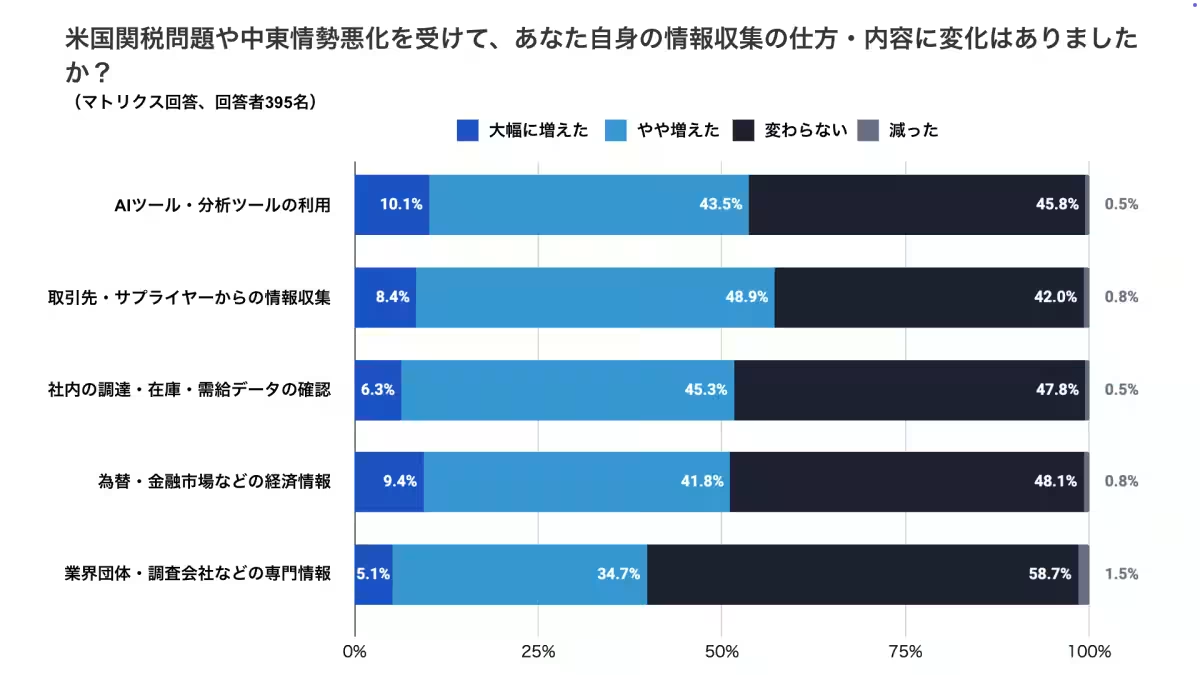
- - Evolving Information Gathering: Nearly half of the management reported a transformation in their information-gathering methods, with significant increases in data sourced from suppliers.
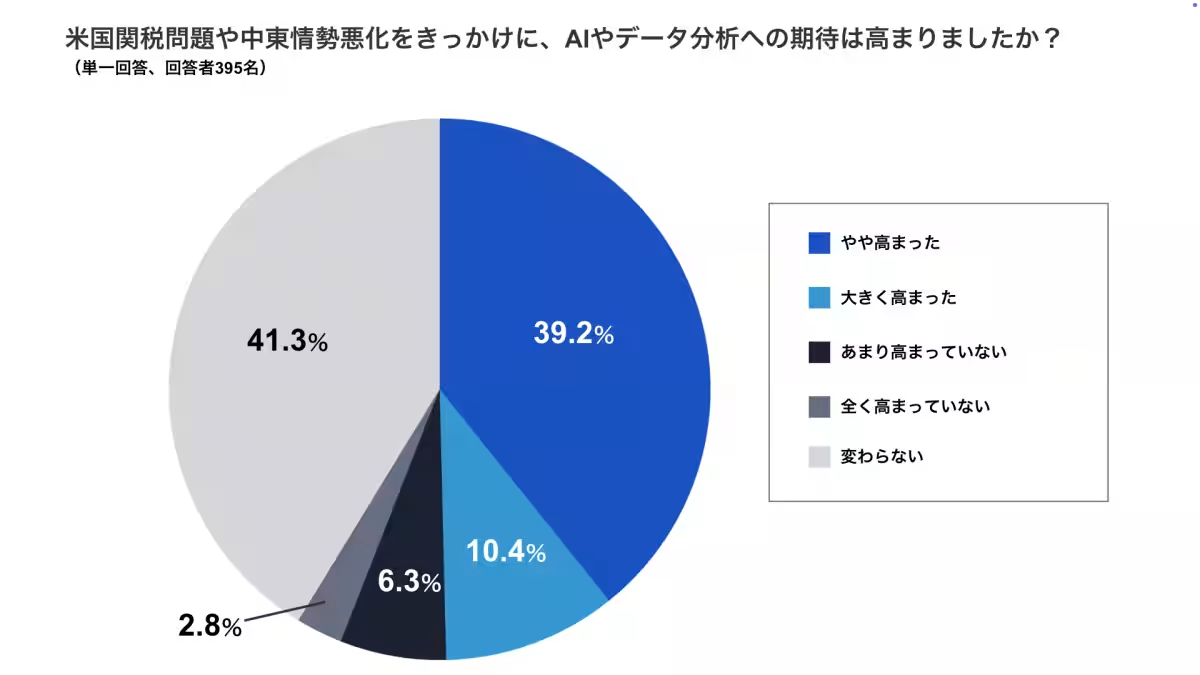
- - High Expectations for AI/Data Analytics: The changes in external conditions have heightened managerial expectations for AI and data analytics, with close to 50% expressing a stronger interest in these tools, even as actual usage remains limited.
Detailed Analysis
Increased Workload Due to Tariffs
Our survey found that nearly 60% of management professionals perceived a rise in workload, overwhelmingly attributing this to new tariff policies. These findings reveal how external pressures compound the stress on already overburdened managers. Responses indicated that tasks related to budget reassessment and internal departmental coordination were the most negatively impacted.
Assessment of Response Frameworks
Concerns regarding the preparedness to respond to procurement risks were evident, with nearly 50% feeling their current systems were inadequate. This stark reality underlines the necessity for firms to evolve their strategies to be more agile in the face of concurrent challenges.
Complexity in Decision-Making
The survey further indicated that the rapidly evolving criteria for decision-making, including fluctuating tariff and exchange rates, complicate the managerial landscape. This situation fosters a sense of urgency that heightens the necessity for accurate, timely data to guide sound decisions.
Strategic Adjustments
While a majority of companies have begun developing countermeasures, the reliance on human insight rather than data analytics remains paramount. Managers recognize the potential of technology yet struggle to integrate these systems effectively into their operations.
Information Gathering Evolution
The adjustments in information acquisition reflect an adaptability within the industry, yet there's a noticeable disparity between awareness of the necessity for data-driven insights and actual implementation of holistic digital strategies.
Conclusion and Future Outlook
As revealed by this survey, there’s a clear disconnect between the recognition of the need for advanced analytics and actual deployment within the manufacturing sector. For companies to thrive amidst geopolitical instability, a commitment to integrating AI and data analytics into their operational frameworks is crucial. It provides an opportunity not only to tackle current challenges but also to reframe them into avenues for growth.
Daiki Sasaguchi, Manager at CADDi’s Product Marketing Group, emphasizes that while management feels the pressure to respond swiftly, relying on instinct alone is insufficient for long-term resilience. The future lies in harnessing technology to enable rapid, informed decision-making that balances immediate needs with strategic foresight.


Topics Business Technology)
【About Using Articles】
You can freely use the title and article content by linking to the page where the article is posted.
※ Images cannot be used.
【About Links】
Links are free to use.