



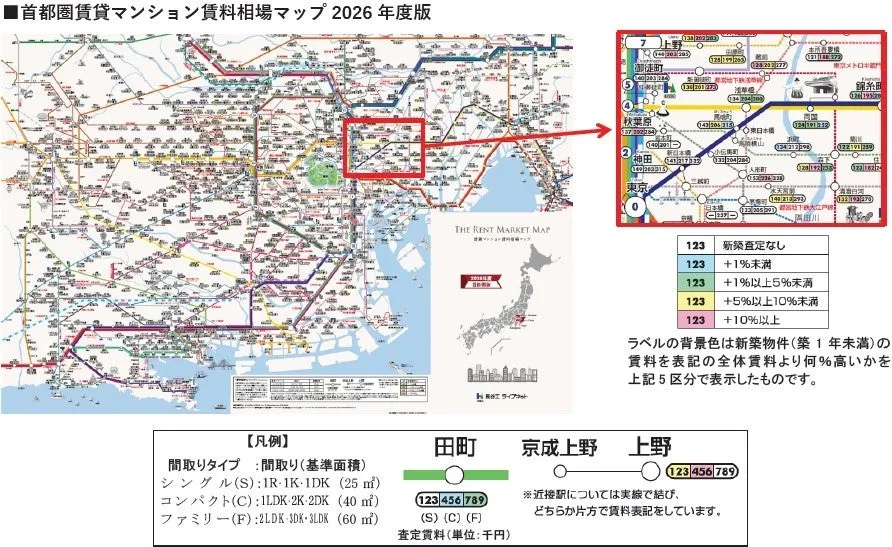
Haseko LiveNet Launches Comprehensive Rental Market Map for Tokyo Area in 2026
Haseko LiveNet Unveils 2026 Rental Market Map
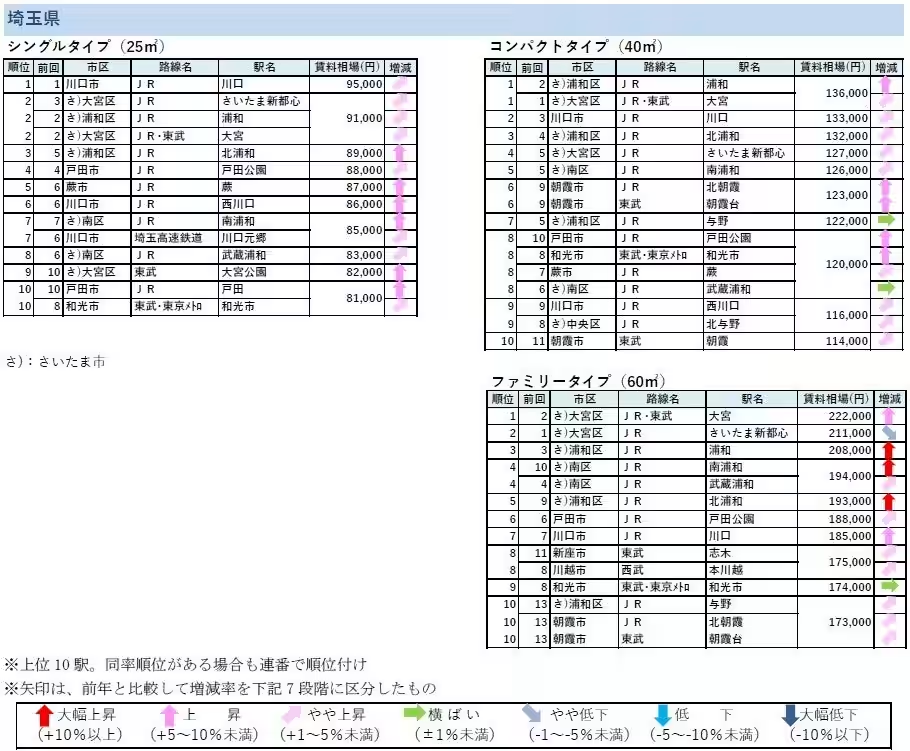
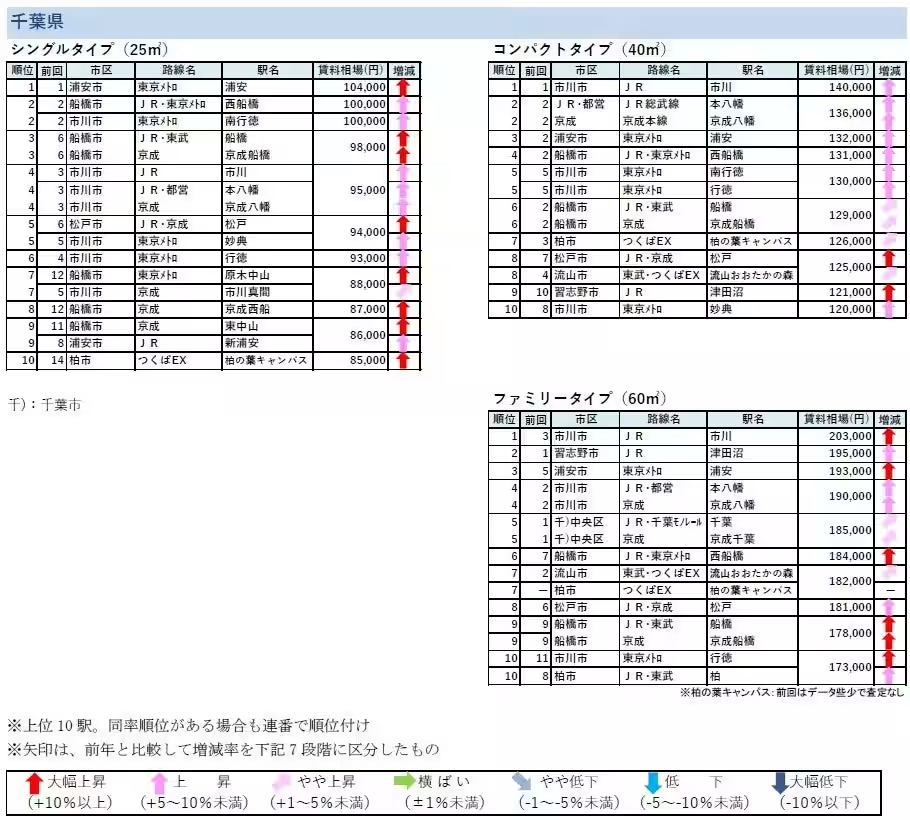
Haseko LiveNet, based in Minato, Tokyo, has officially launched its 2026 edition of the rental price map for the metropolitan area. This invaluable resource analyzes rental trends across Tokyo, Kanagawa, Saitama, and Chiba, providing potential renters and landlords with crucial information on price fluctuations by line and station.
Comprehensive Data Analysis
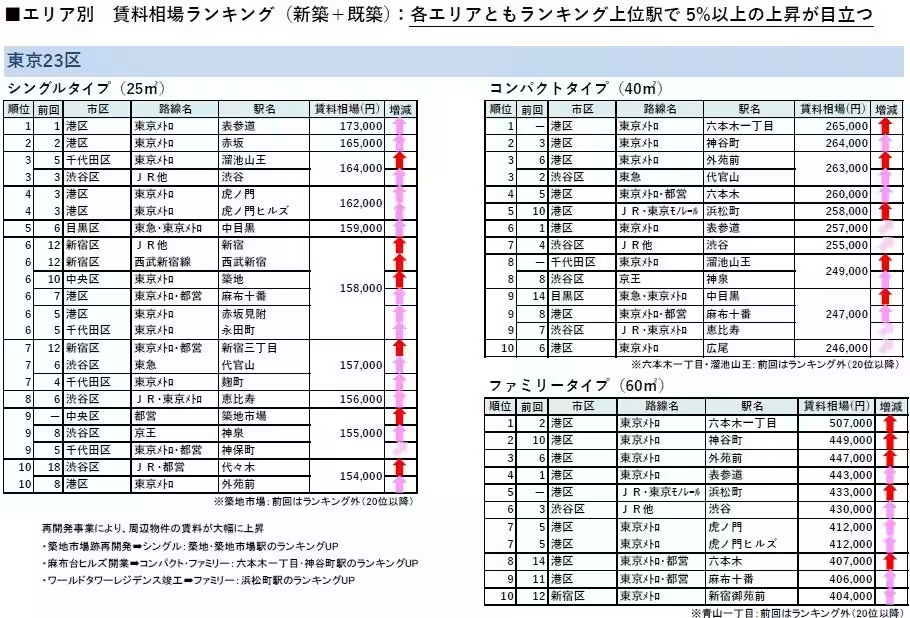
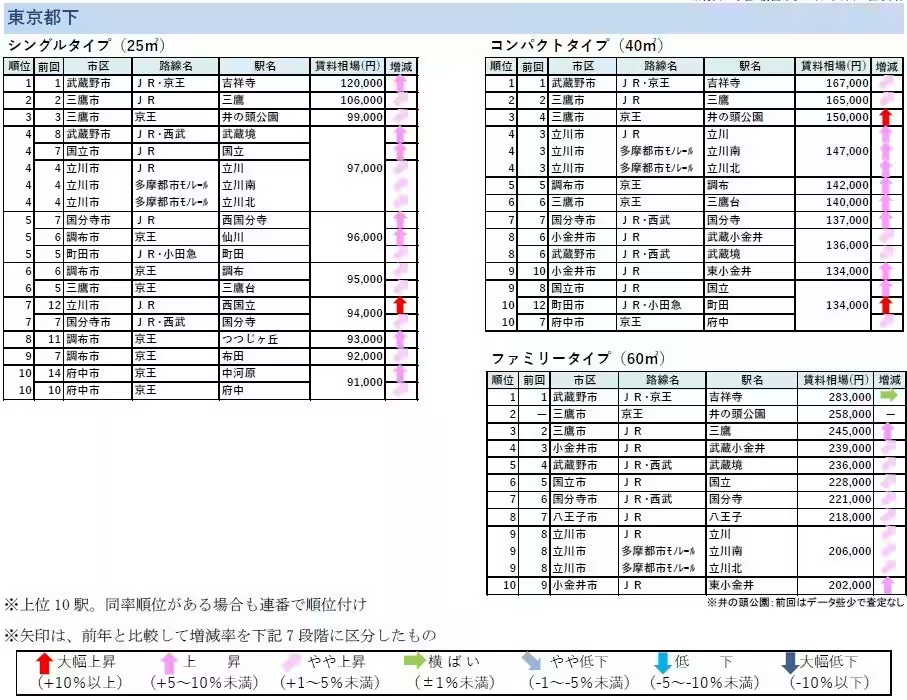
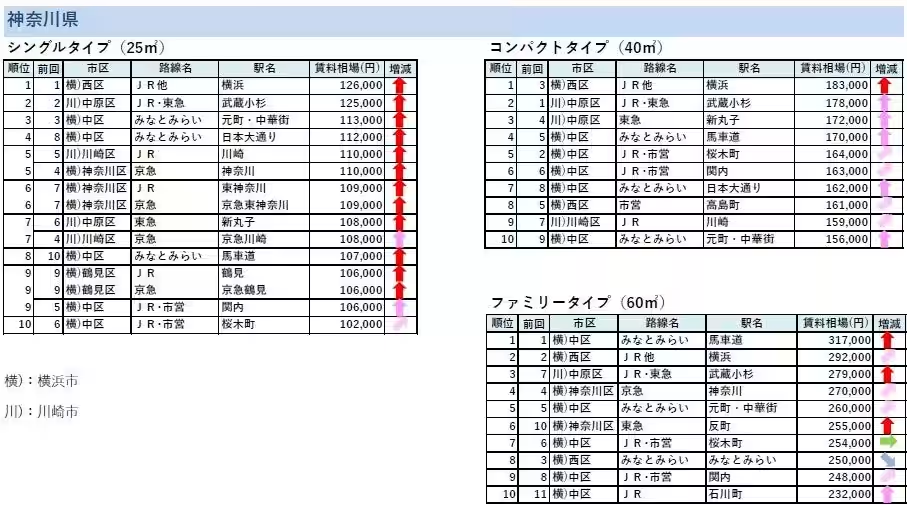
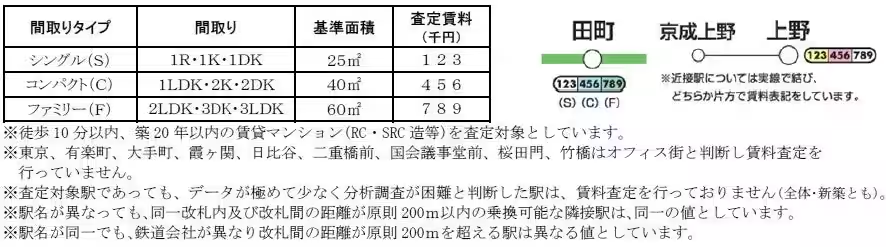
The rental price map draws from data on approximately 54,000 rental units managed by Haseko, combined with verified listings from major rental portals. It categorizes the rental properties into three types based on floor plans: Single (25 sqm), Compact (40 sqm), and Family (60 sqm). By using this extensive data, the report offers a detailed visualization of rental prices across 88 lines and 1,047 stations, signaling a significant leap in market transparency.
For the 2026 report, the data collection period has shifted from a calendar year to the fiscal year running from April of the previous year to March of the current year, effectively capturing the usual bustling rental activity in the spring months of January to March. Moreover, the report exclusively features rental prices for new properties, allowing for a clearer comparison with existing rentals.
Key Findings
Notable Hotspots for New Rentals
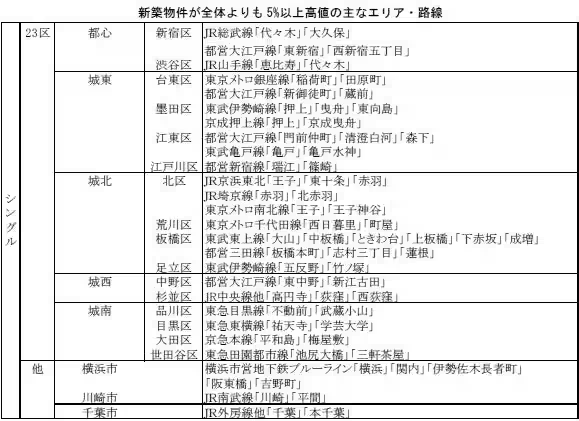
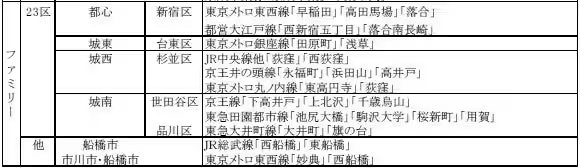
The map reveals areas where new rental prices exceed those of overall averages by more than 10%. While historically high-price stations, like Ningyocho on the Tokyo Metro Hibiya Line for compact units, still mark the map, it's worth noting that the three property types lack overlaps where all three exceed the threshold. For example, Shinjuku Station on the Tokyo Metro and JR lines remains a hotspot for singles and compact units, whereas areas like Yotsuya Sanchome on the Marunouchi Line also show robust growth in the new pricing sector.
Growing Demand for Compact Units
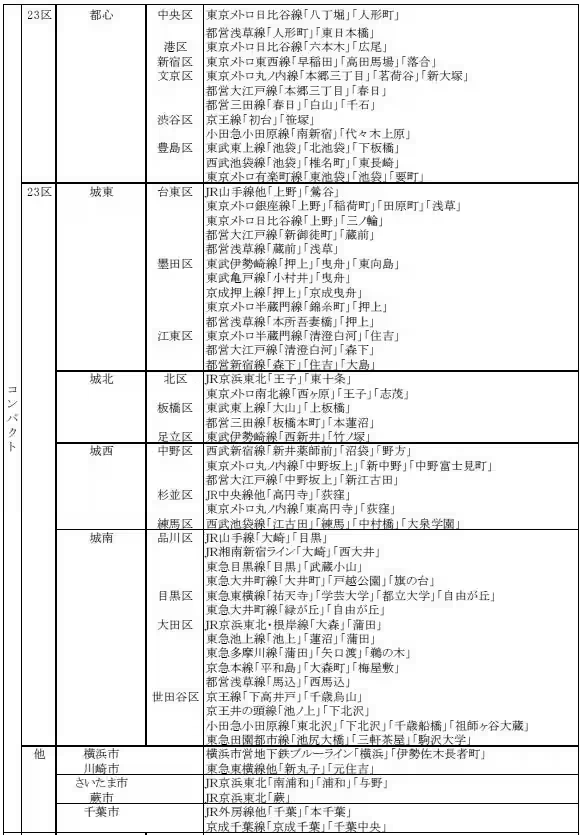
Particularly interesting is the rise in compact units. There are now 35 lines with 138 stations reporting increases, notably in central districts, including Bunkyo and Toshima. With the surge in urban housing demands driven by lifestyle changes, these emerging trends could be essential for both renters and investors.
Family Units See Positive Growth
Family units also follow suit, with 11 lines and 25 stations experiencing noticeable price increases from the previous year. Notably, the Tokyo Metro Toyoshi and Oedo Lines within central Tokyo reported significant upticks, suggesting robust demand for family-sized apartments in desirable areas.
Insights from the Rental Price Map
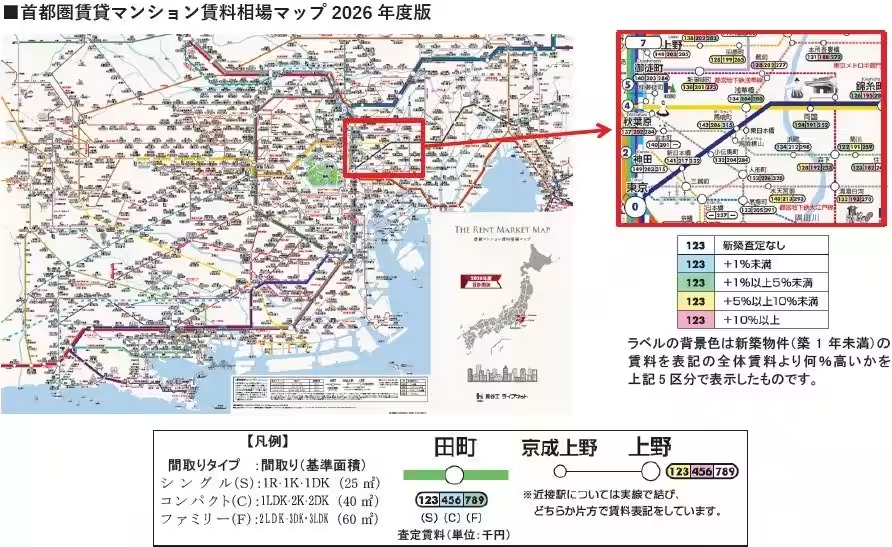
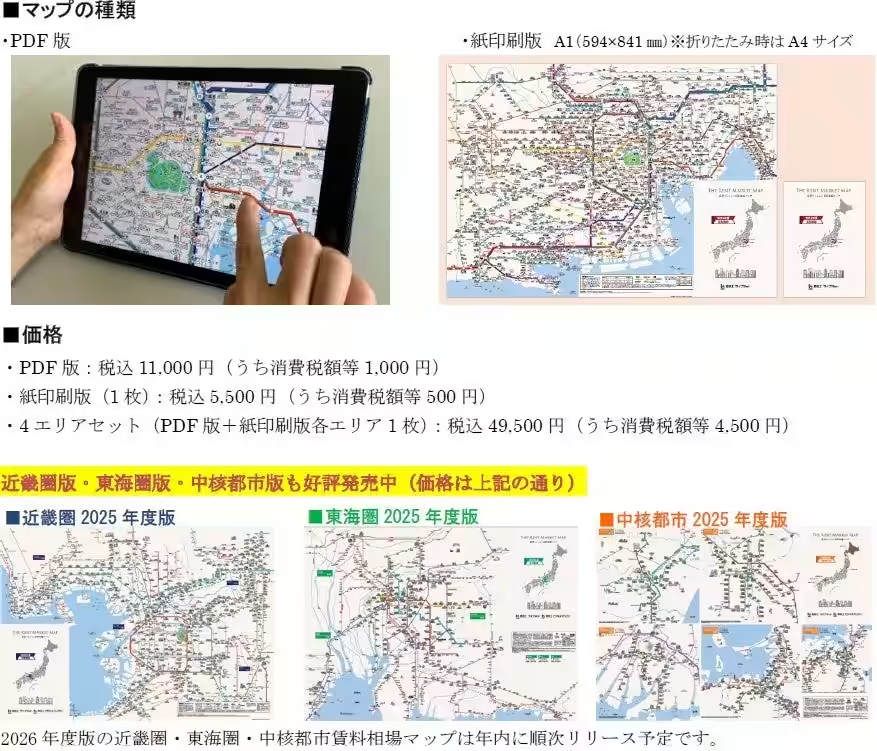
Viewing the rental price map, the vibrant colors indicating elevated new rental activity along the Yamanote Line and major transfer stations reflect a clear pattern of increasing supply and demand for newly built properties across the capital.
In conclusion, the 2026 Rental Price Map serves as an essential tool for potential renters and real estate investors alike. It not only clarifies current market conditions but also helps in projecting future trends based on past performance and consumption patterns. For individuals or businesses interested in diving deeper into this data or making purchases, additional details can be found on Haseko LiveNet's official website, or through their direct ordering form online.
How to Obtain the Rental Market Map
For further inquiries, or to purchase the rental market map, visit the dedicated page on Haseko LiveNet's website at here. Orders can be easily placed through the online order form provided.
Company Overview
Founded by President Takayuki Matsuda, Haseko LiveNet specializes in real estate management and consulting services, standing as a leading player in property administration in Japan.
With a commitment to new data analysis and market insights, Haseko LiveNet continues to empower stakeholders across the real estate spectrum by providing custom market data and solutions based on their extensive experience in managing rental properties.

Topics Other)
【About Using Articles】
You can freely use the title and article content by linking to the page where the article is posted.
※ Images cannot be used.
【About Links】
Links are free to use.