




Record Highs in Japanese Real Estate Market's Quarterly Report for April to June 2026
Recent Trends in the Japanese Real Estate Market
In a recent report spanning the period of April to June 2026, Kenbiya, a subsidiary of LIFULL Corporation, presents significant trends within Japan's real estate sector. This comprehensive analysis brings to light the latest movements in property pricing across different categories, such as segmented condominiums, entire buildings, and apartment complexes.
Nationwide Overview
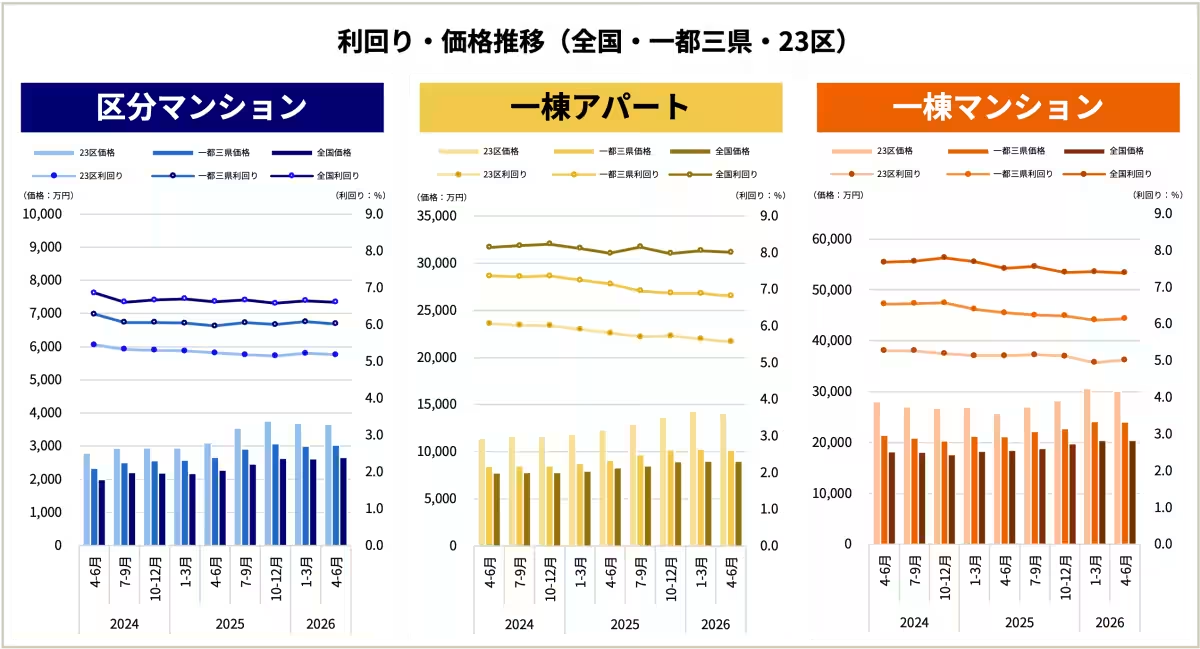
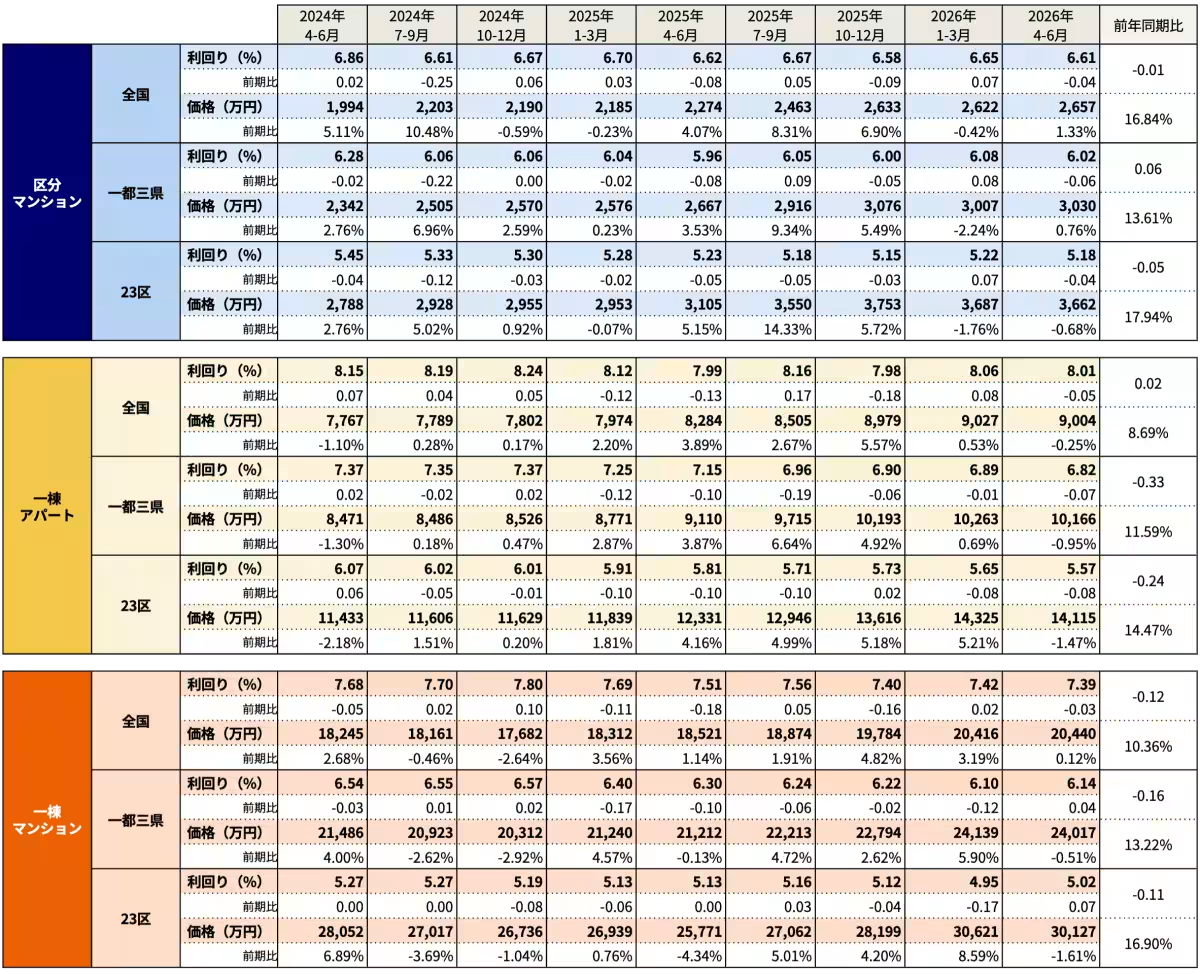
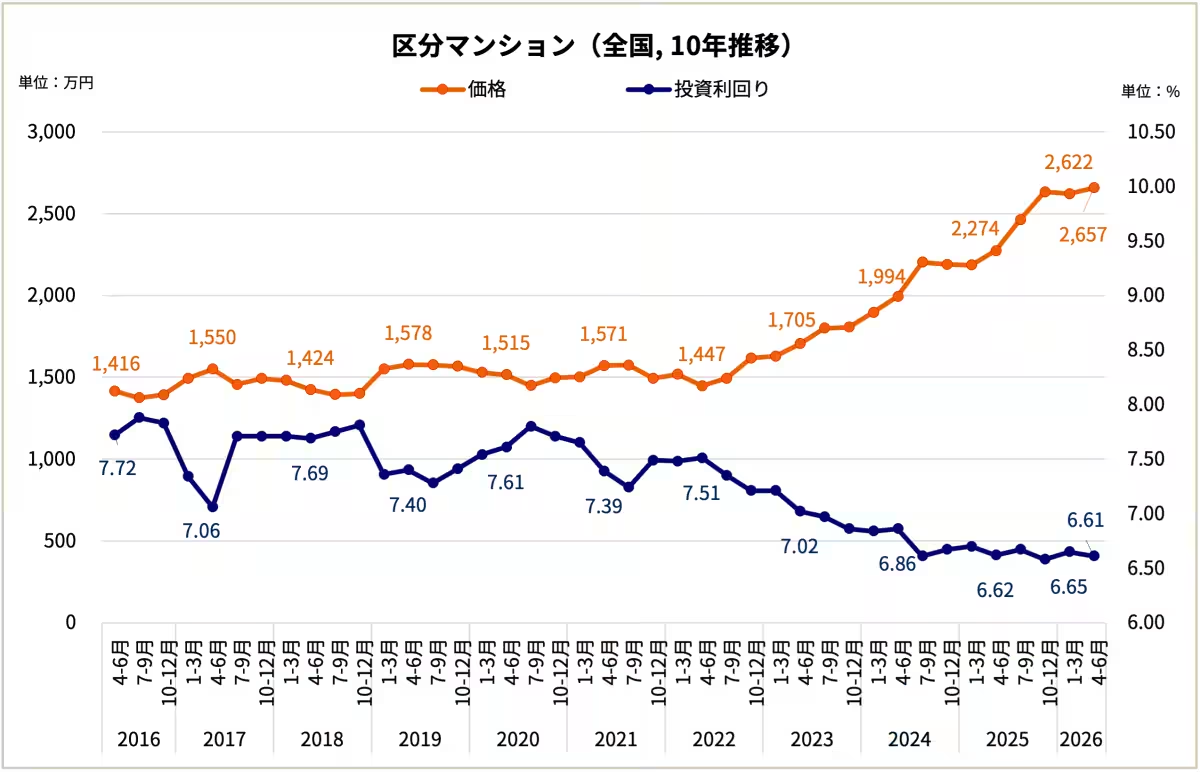
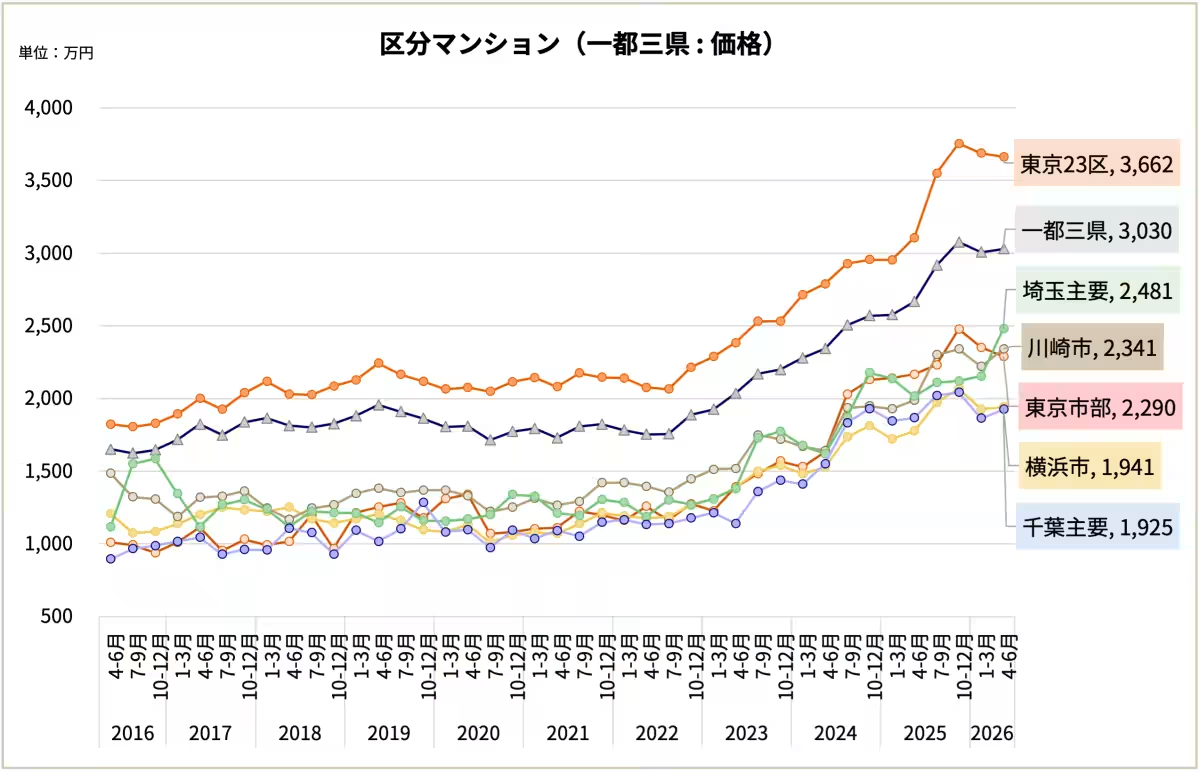
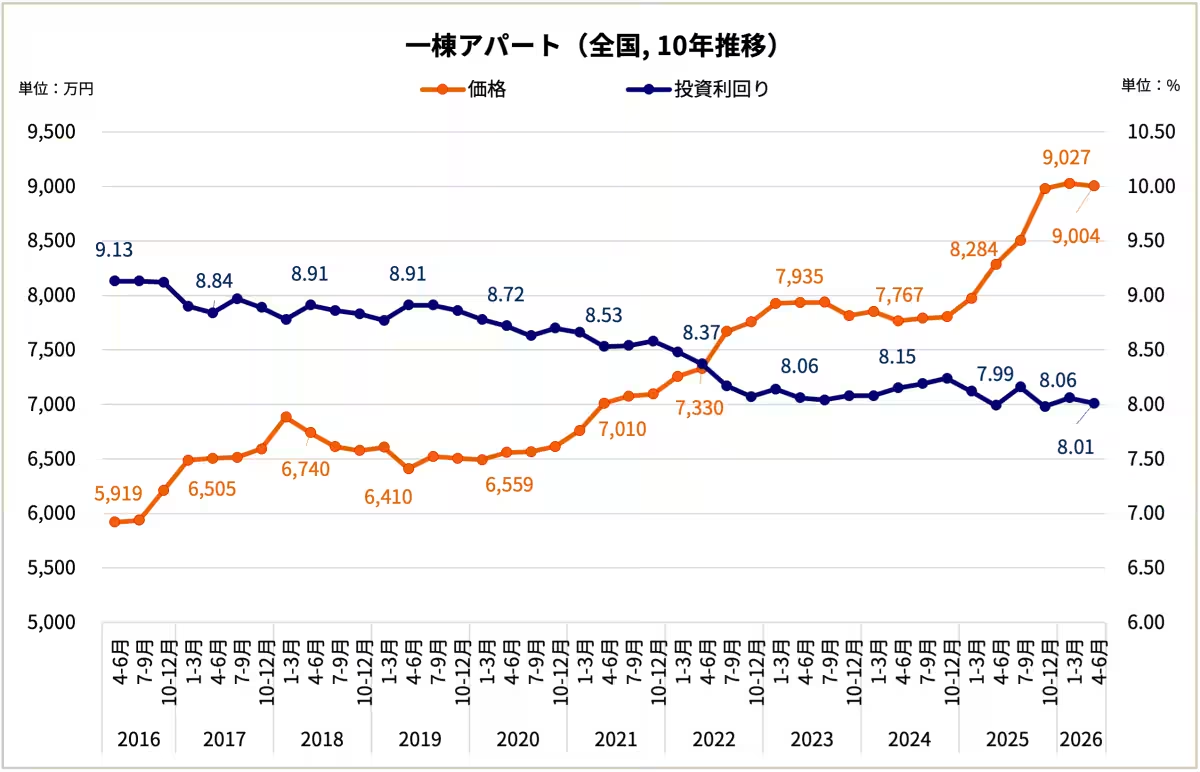
The report indicates that the average price for segmented condominiums has reached ¥26.57 million. This marks a 1.33% increase compared to the previous quarter, setting a new historical peak. Moreover, the price for entire buildings has also climbed to ¥204.4 million, slightly rising by 0.12%. Alongside this, the average cost for entire apartment complexes is at an impressive ¥90.04 million, maintaining a strong foothold in the higher price range.
Tokyo 23-Wards Trends
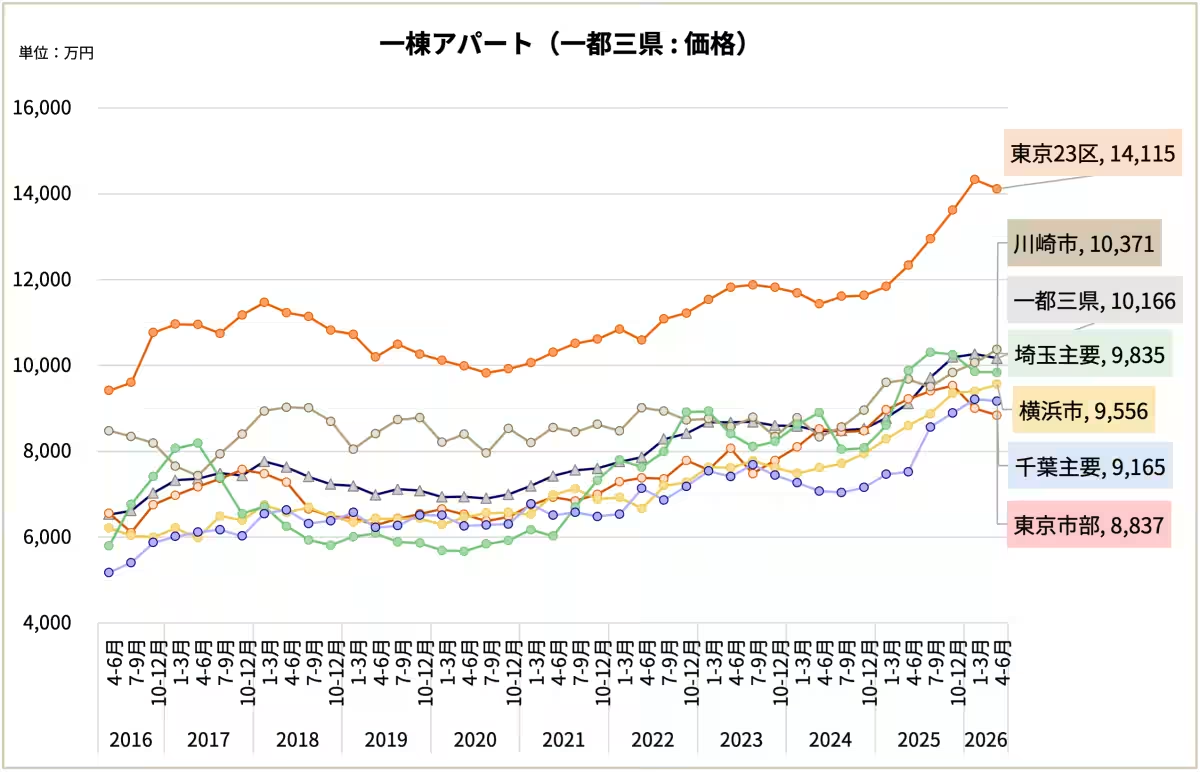
In the Tokyo 23 wards, we observe a striking phenomenon where the inquiry prices significantly exceed registered prices. For segmented condominiums in this region, the inquiry price ratio reached a staggering 166.9%. As for entire buildings, this figure was still over the threshold at 103.0%.
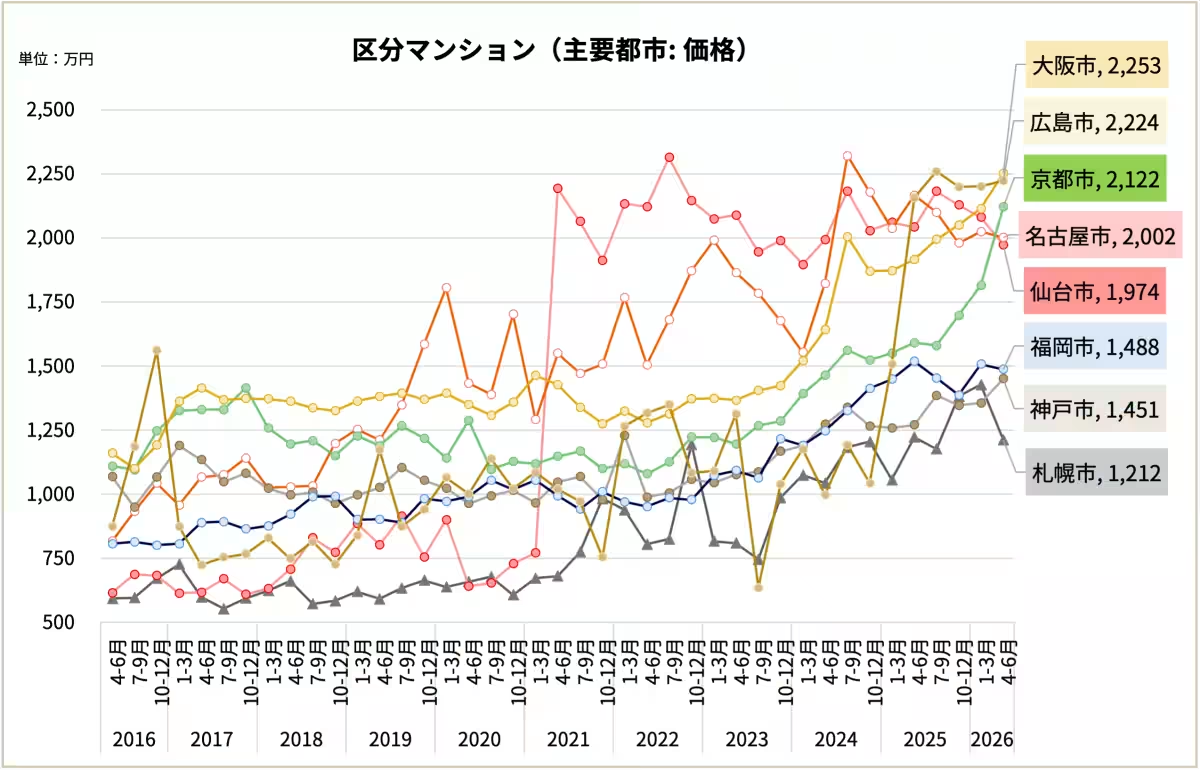
Despite a slight decline in segmented condominiums prices to ¥36.62 million (a decrease of 0.68%), neighboring cities such as those in Saitama, and major cities in the Kansai region like Osaka, Kyoto, and Kobe have seen record highs. Saitama cities' average price has jumped to ¥24.81 million, while Osaka City peaked at ¥22.53 million.
Apartment Complex Market Insights
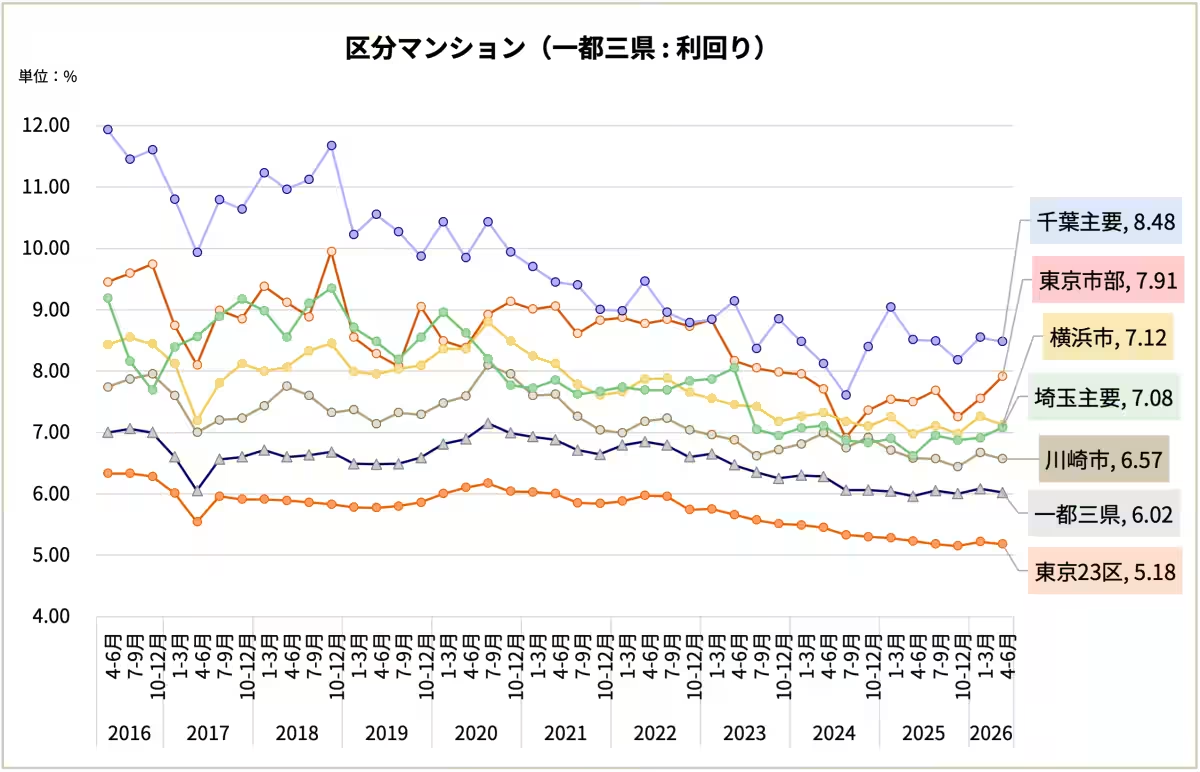
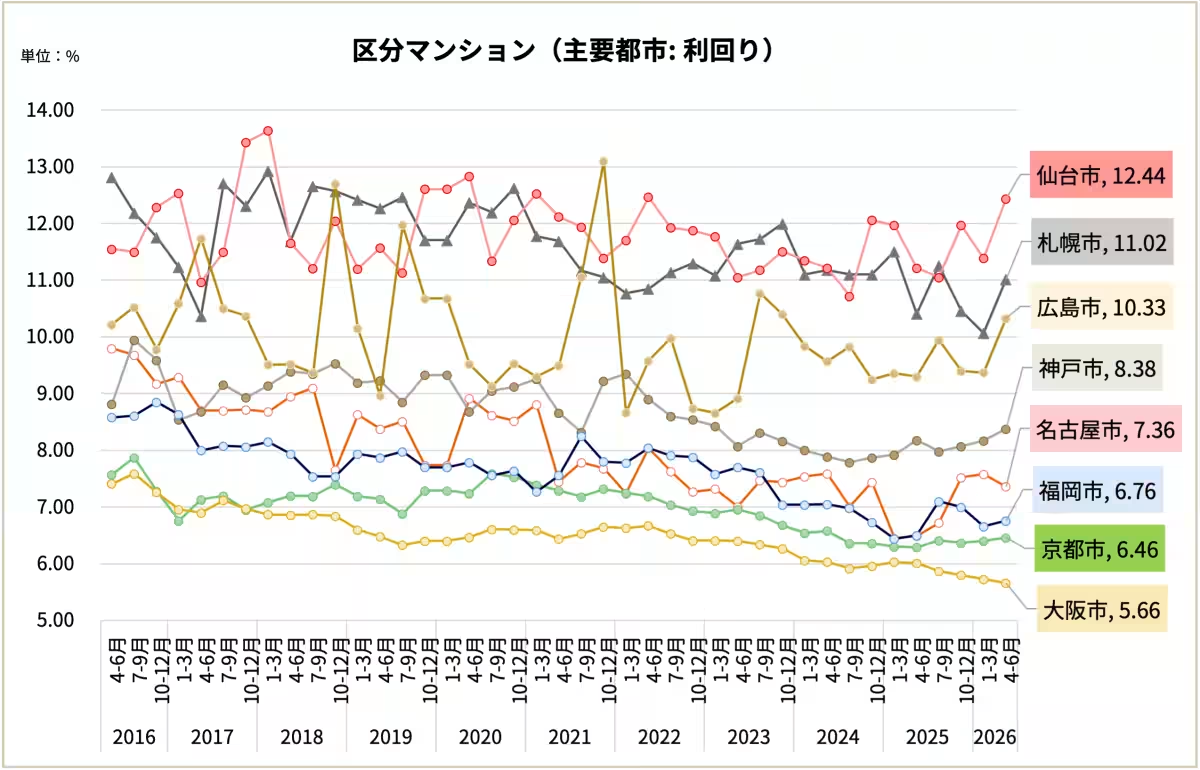
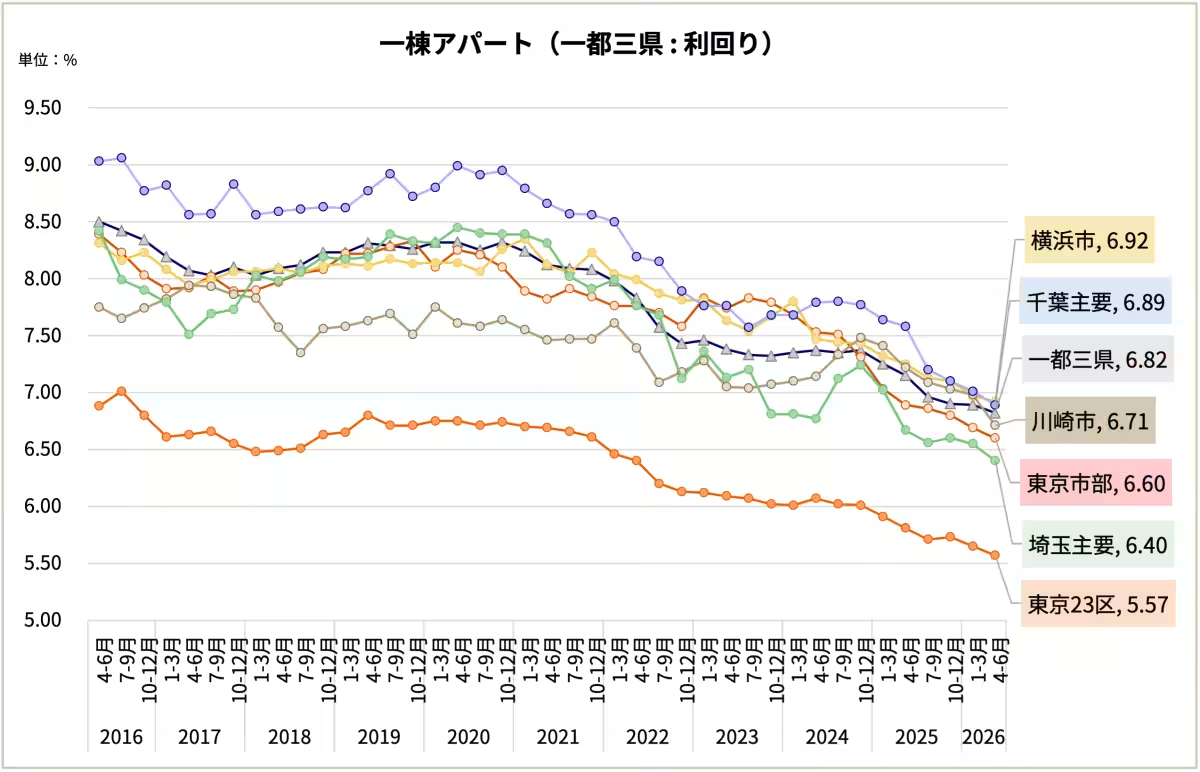
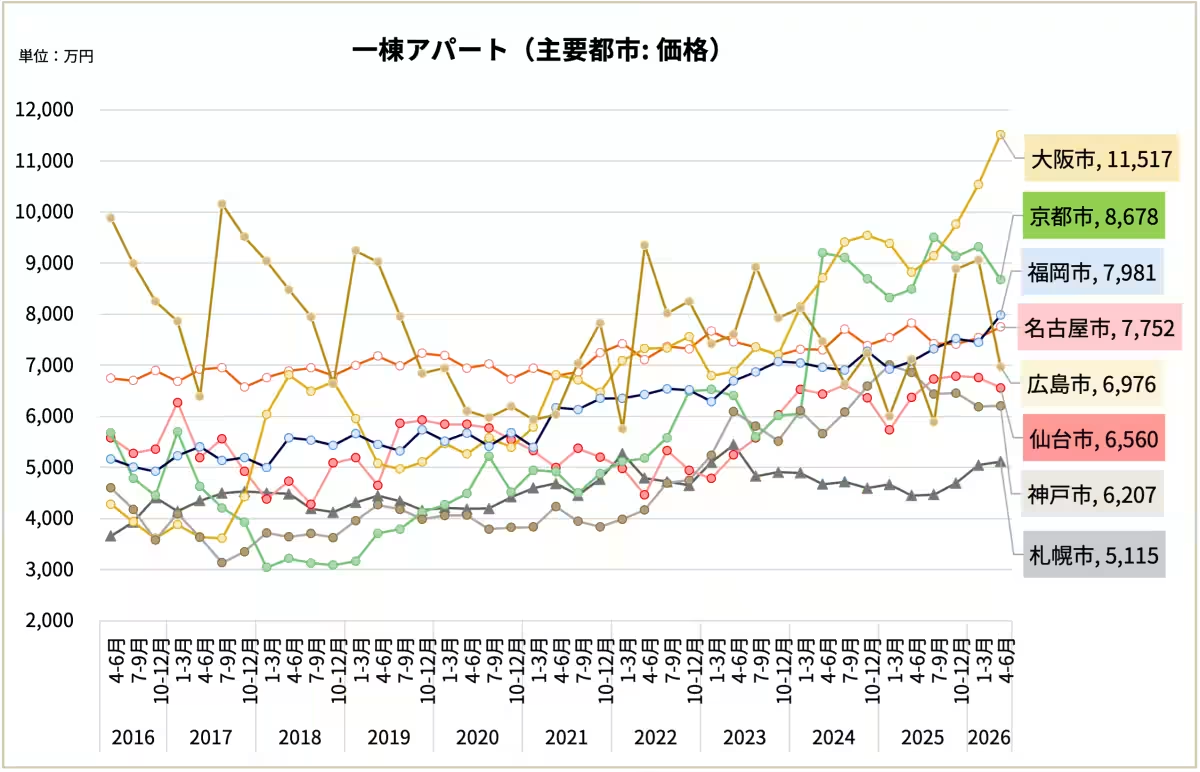
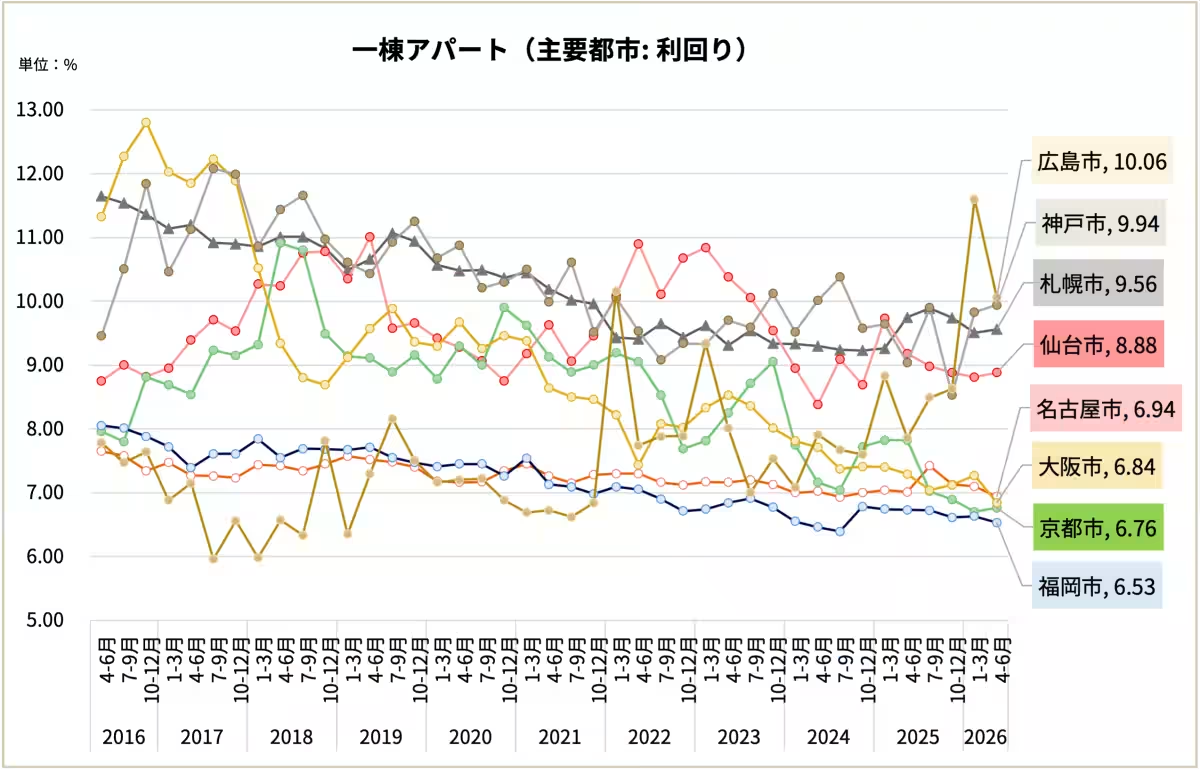
The average price for entire apartment buildings in Osaka City has surged to ¥115.17 million, representing a 9.25% rise from the previous quarter. This price exceeds that of the Tokyo 23 wards, while still retaining a favorable yield around 6.84%, comparable to the Greater Tokyo area.
Entire Buildings: Pricing vs. Yield
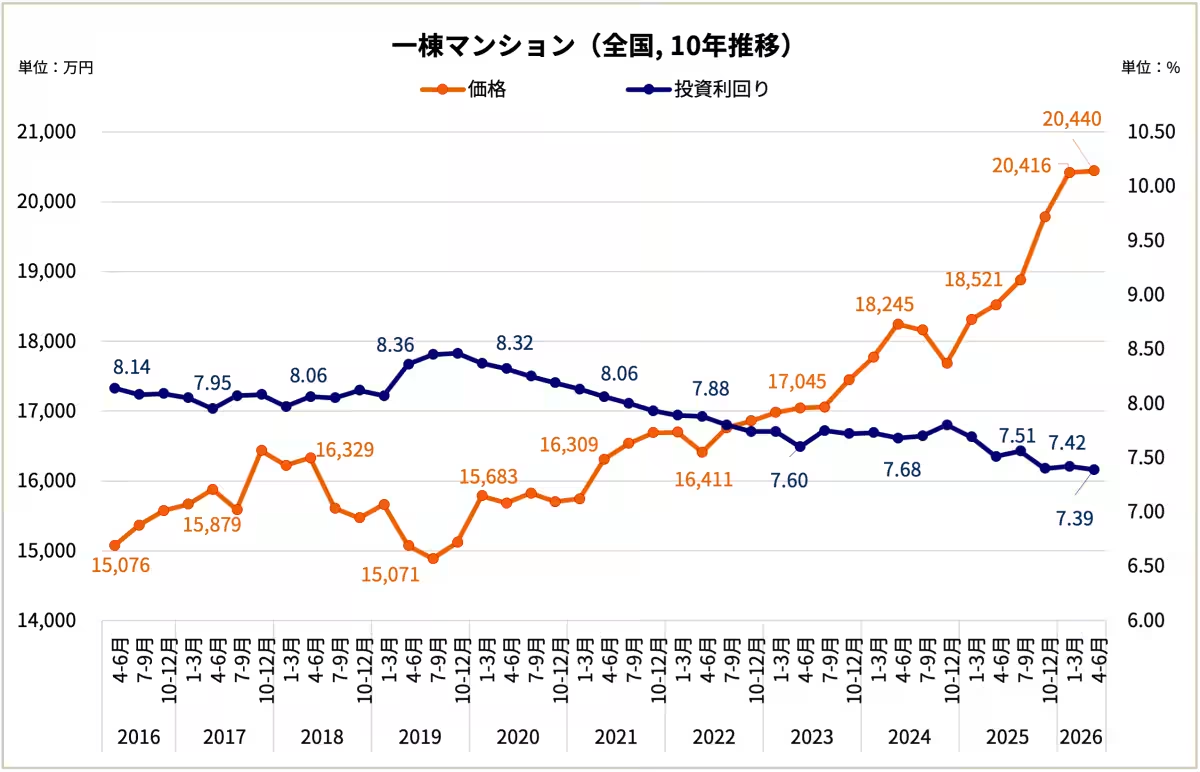
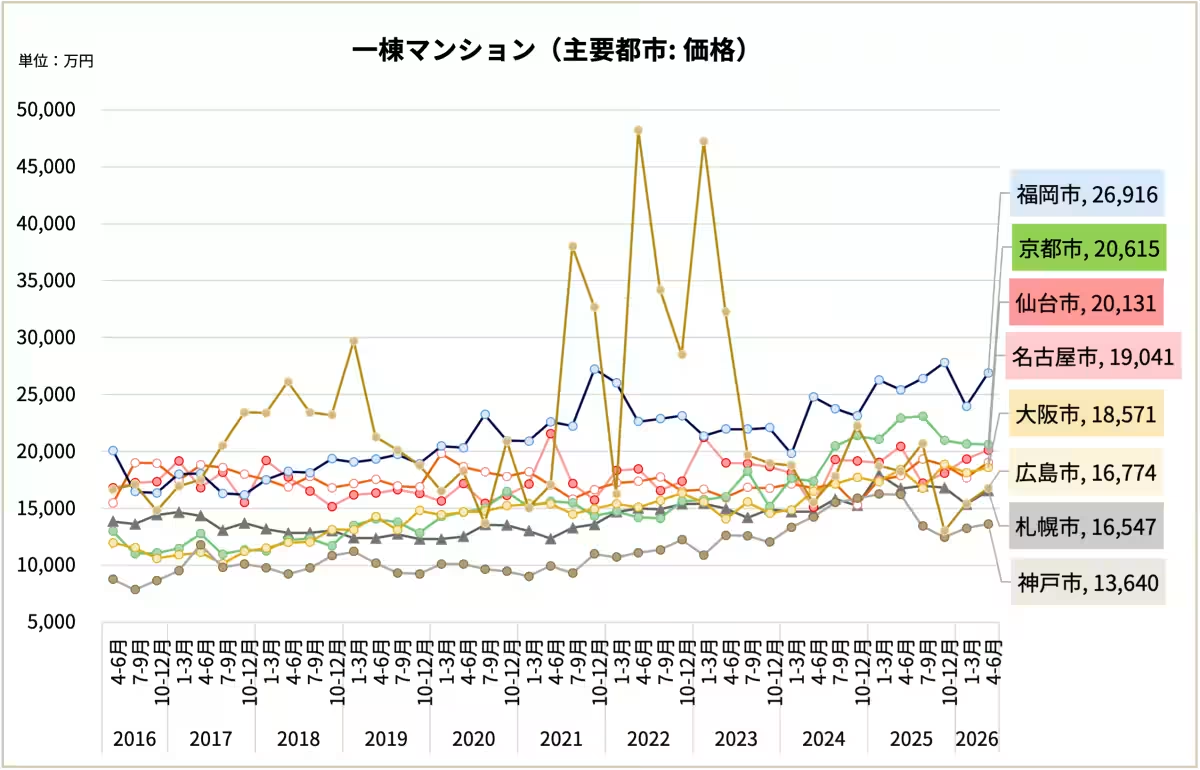
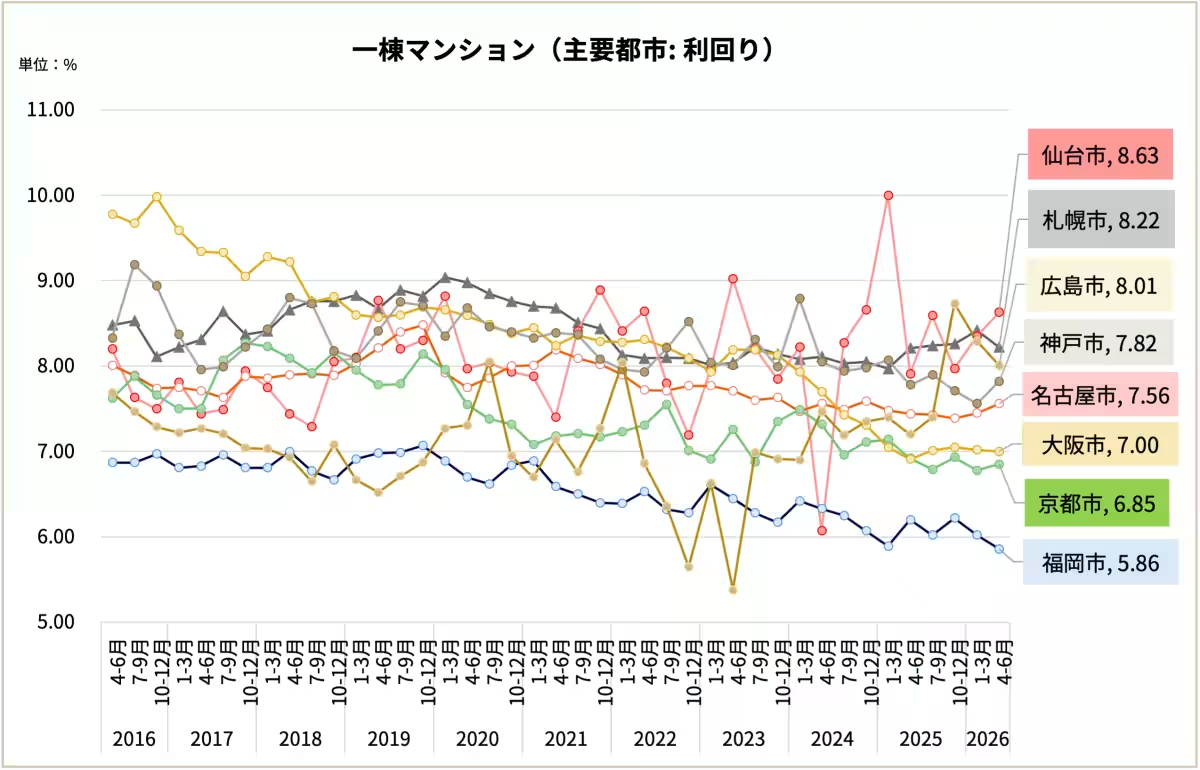
The national average for entire buildings stands at ¥204.4 million, also a record high. However, the yield has dropped to 7.39%, which is noted as the lowest to date. Notably, in Fukuoka City, the pricing and yield metrics subsequent to Tokyo suggest it remains a strong contender.
Regional Observations
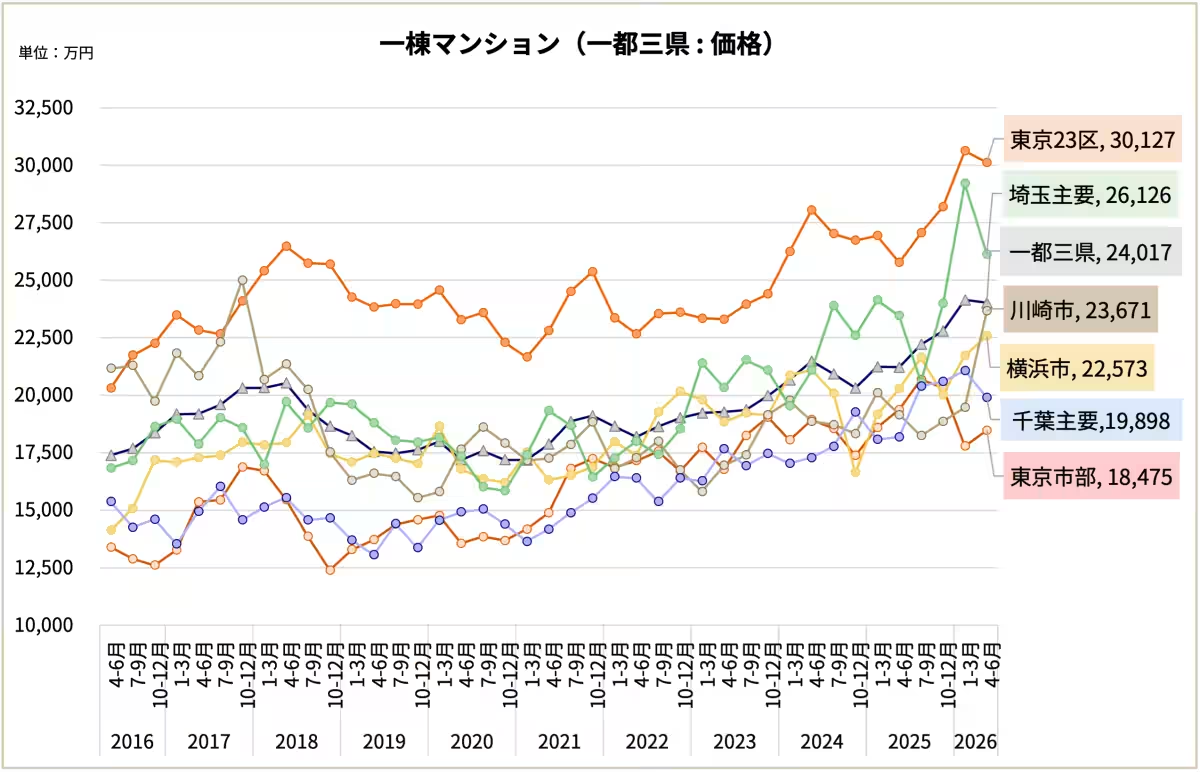
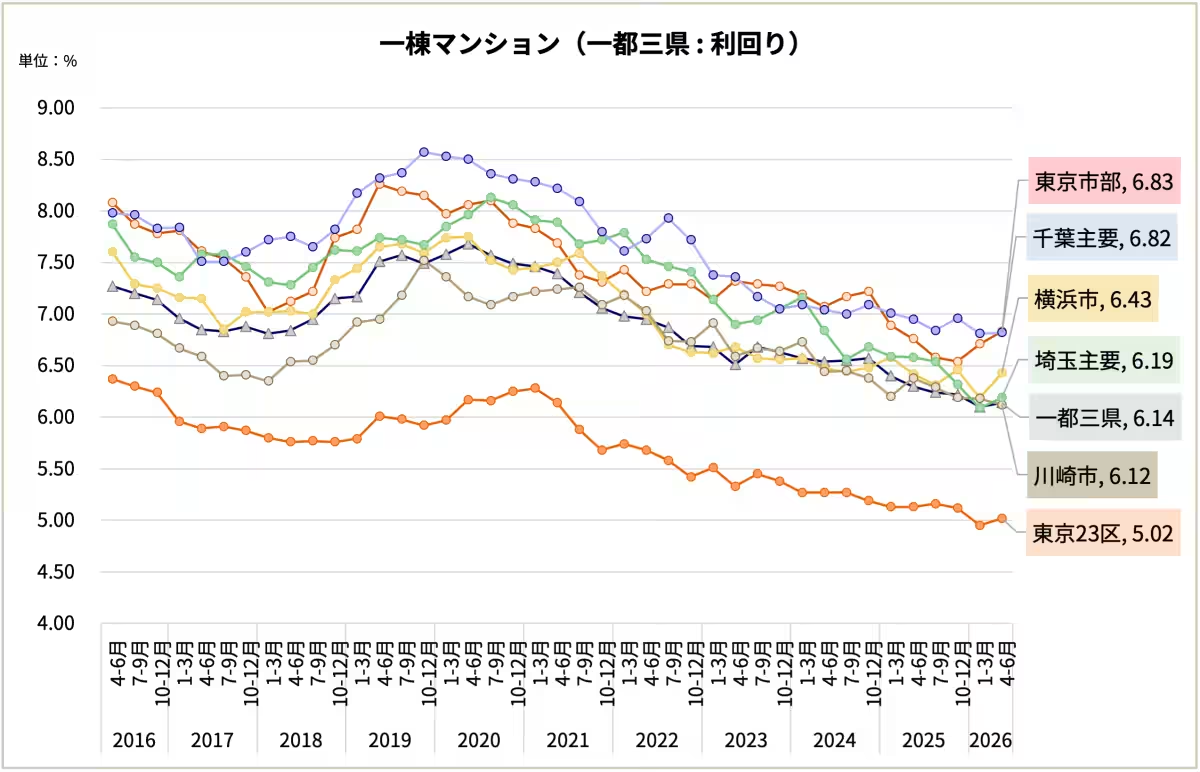
A more granular analysis showcases year-on-year and quarter-on-quarter movements in real estate prices across major urban hubs. While the overall prices continue to rise across almost all categories, the Tokyo 23 wards are witnessing an unusual price adjustment against rising regional demand.
The growing interest in properties outside the capital region hints at shifting market dynamics, making suburbs and secondary cities increasingly appealing to investors.
Conclusion
As the data reveals, Japan's real estate market is at an interesting junction. With record prices emerging across various categories while simultaneously reporting unusual market behaviors in major urban centers like Tokyo, the ongoing trends will be crucial for prospective investors to monitor. This report highlights the importance of strategic decision-making and understanding localized market shifts before diving into investments.
For a detailed breakdown of the entire report and downloadable content, be sure to check Kenbiya's site.

Topics Consumer Products & Retail)








【About Using Articles】
You can freely use the title and article content by linking to the page where the article is posted.
※ Images cannot be used.
【About Links】
Links are free to use.