



A Comprehensive Study on the Popularity and Usage of Frozen Foods in Japan
A Comprehensive Study on Frozen Foods in Japan
Recently, Asmarq conducted a survey targeting 800 adults aged 20 to 59 who purchased frozen foods within the last three months. The results unveil interesting insights about the usage scenarios and preferred frozen food items in Japanese households.
Key Findings
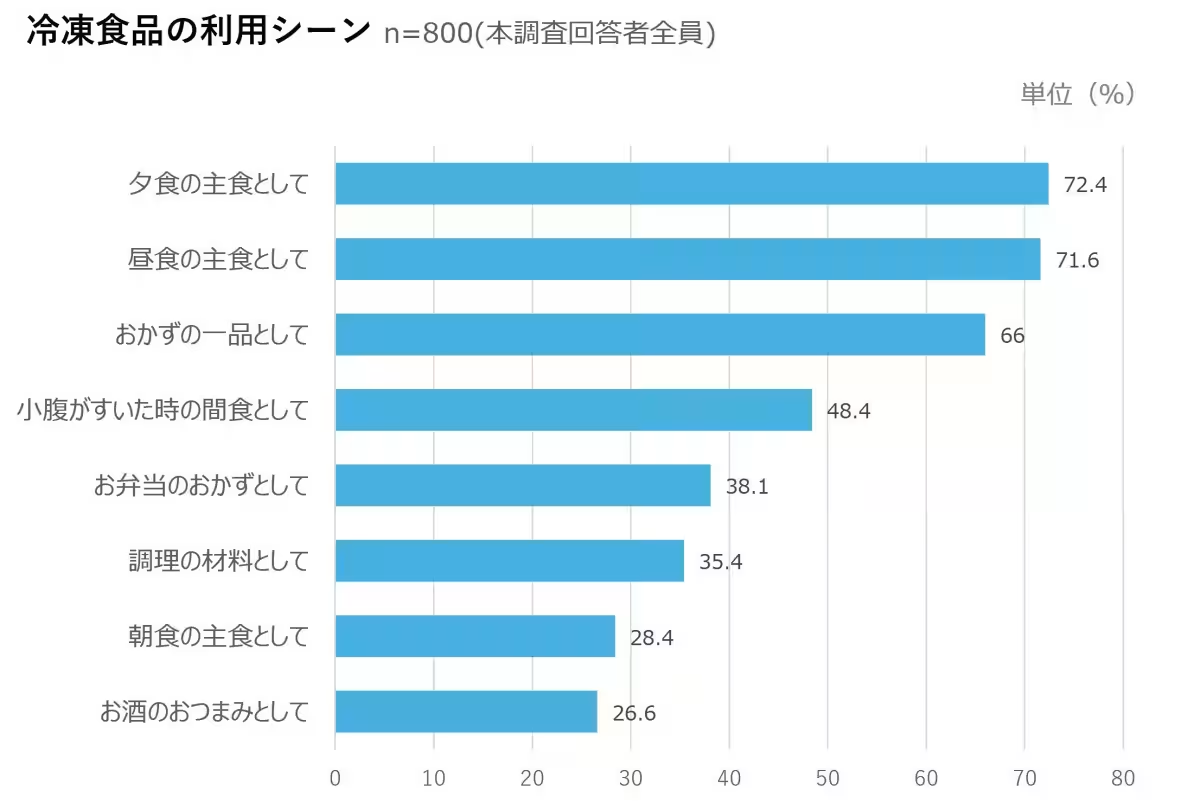
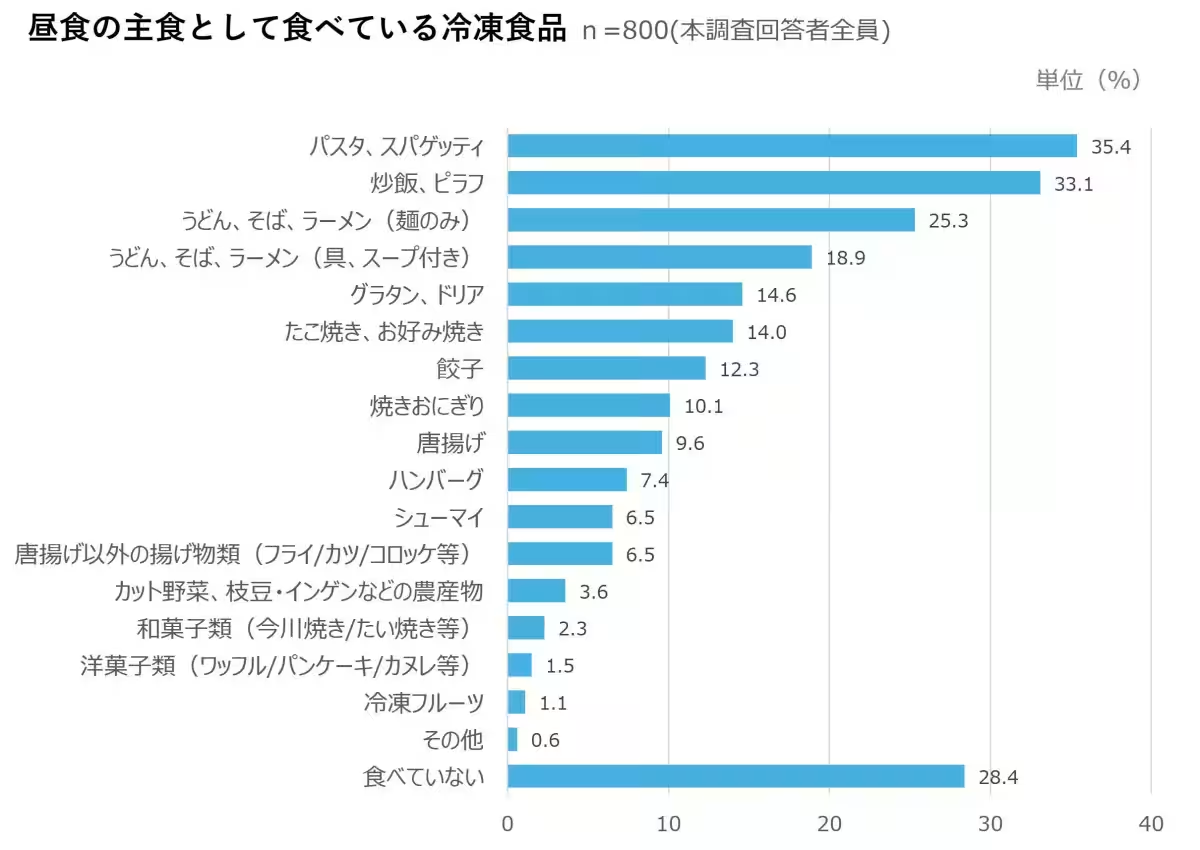
- - Main Meals: Over 70% of respondents utilize frozen foods primarily as main meals for dinner (72.4%) and lunch (71.6%). This highlights the essential role frozen foods play in daily dining routines.
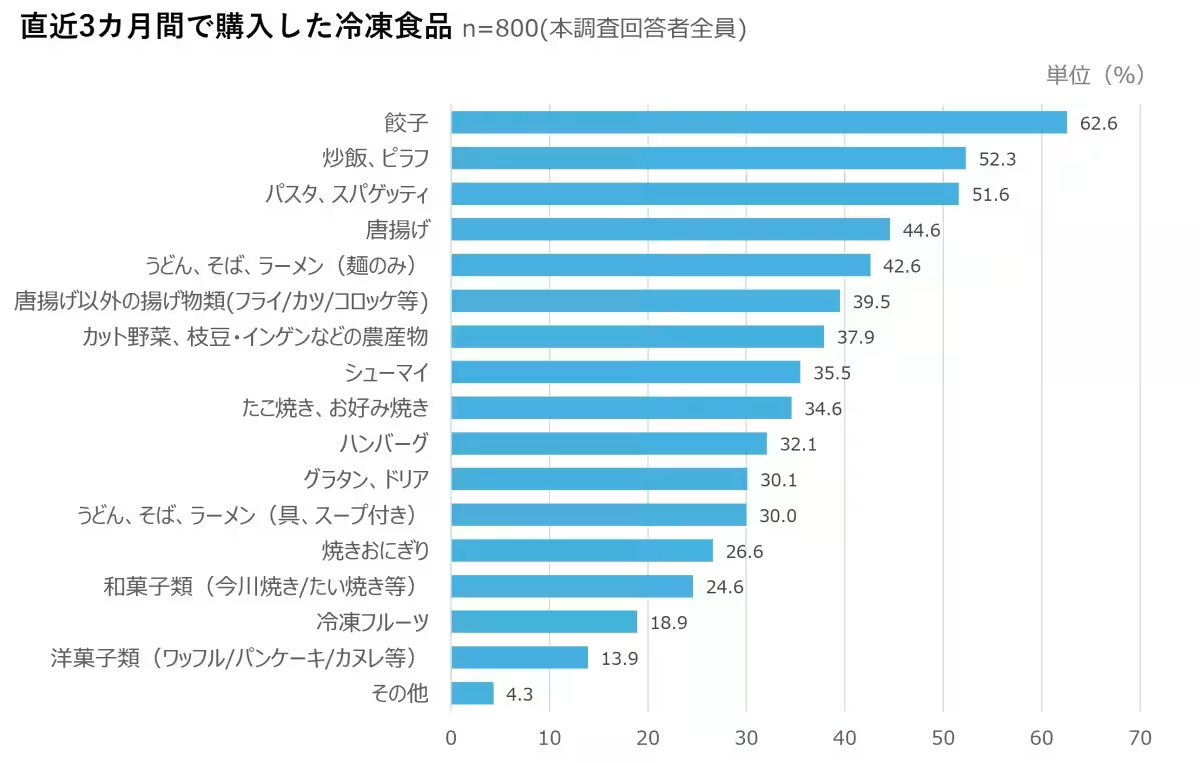
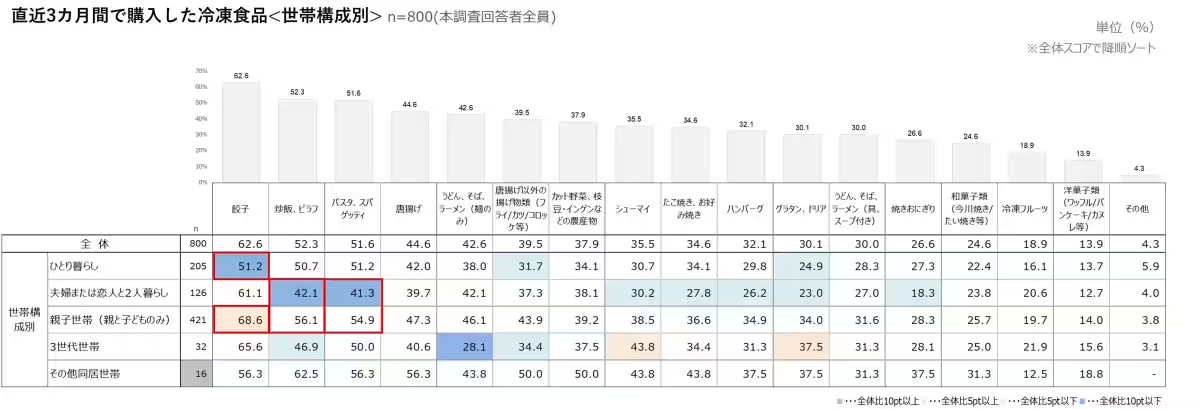
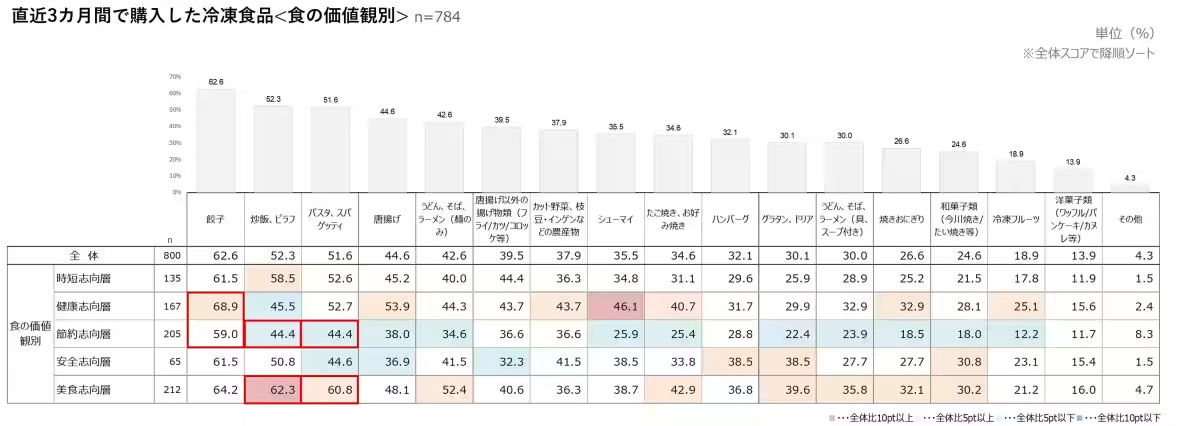
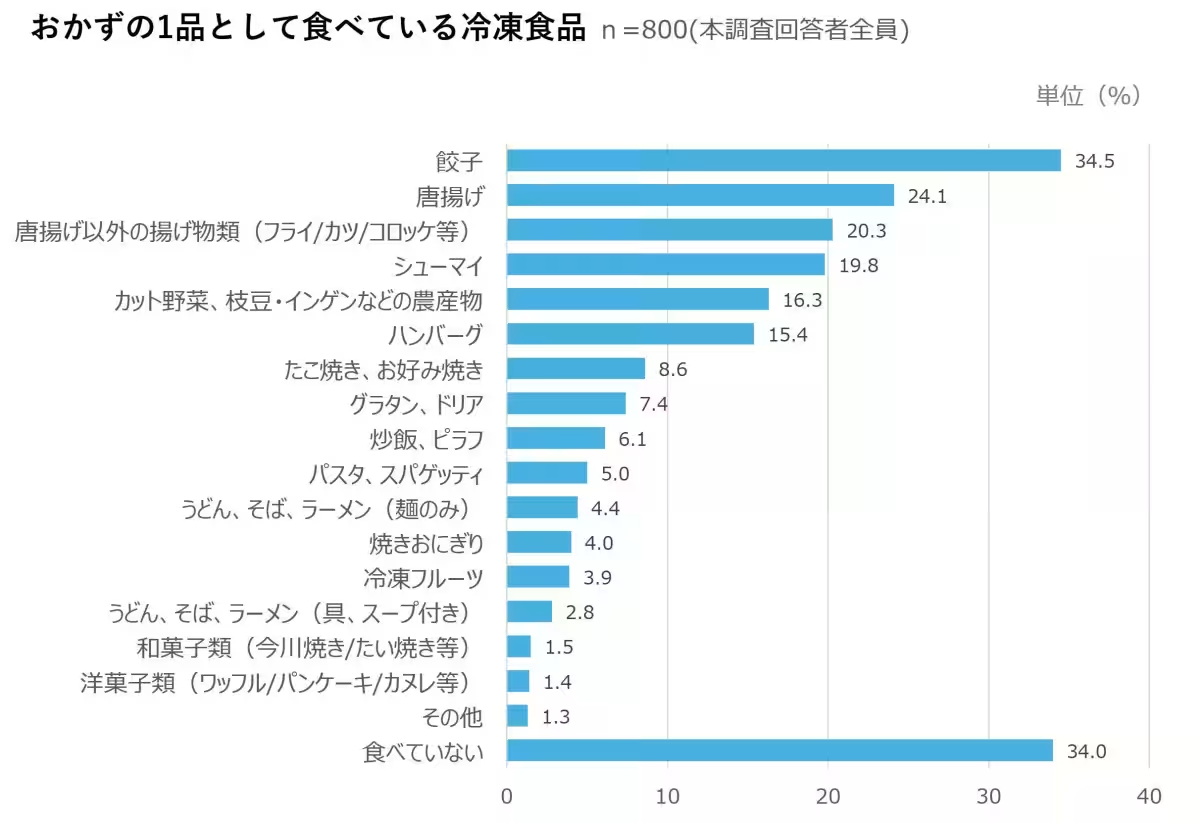
- - Top Products: When it comes to specific frozen food items, the most popular selections were Gyoza (62.6%), followed by Fried Rice and Pilaf (52.3%), and Pasta and Spaghetti (51.6%).
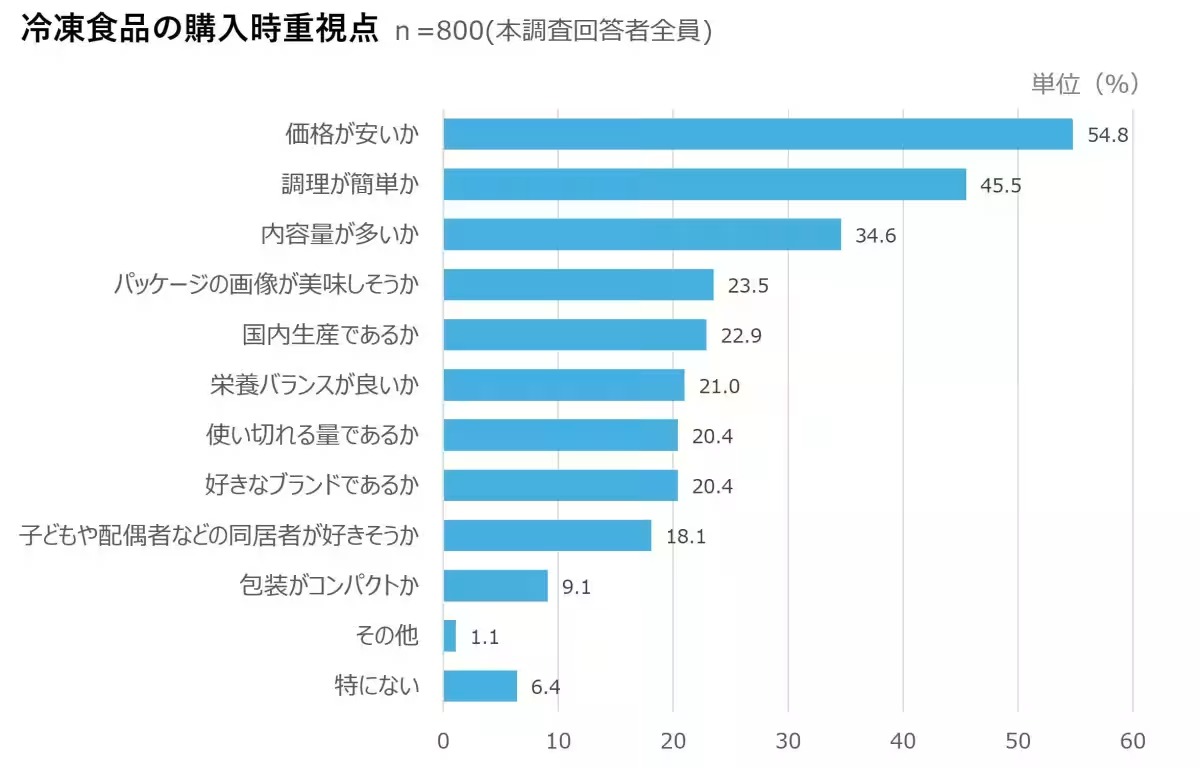
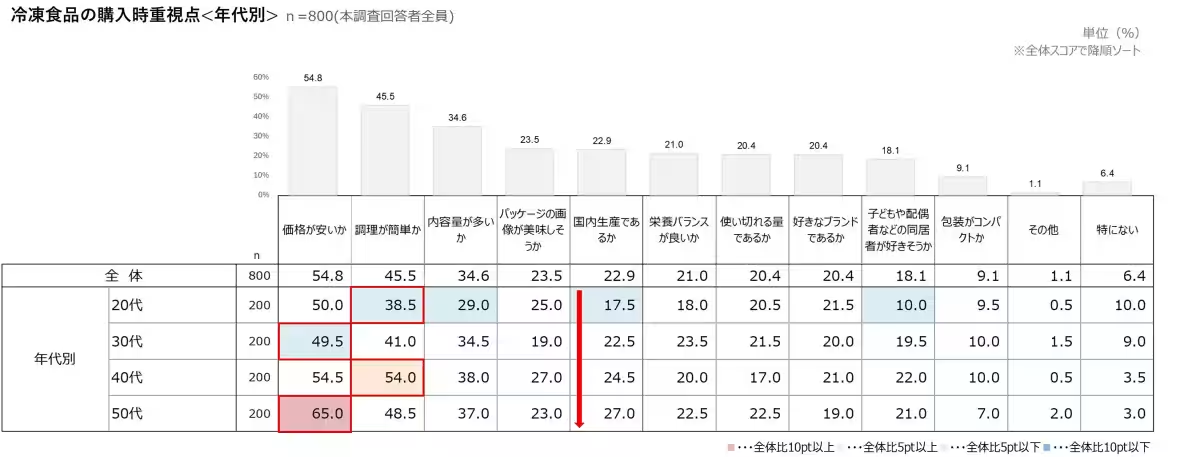
- - Cost Concerns: A significant finding of the survey indicates that more than half of the participants (54.8%) consider price as the most critical factor when purchasing frozen foods. This trend reflects the increasing consumer focus on budget-friendly options amid rising food prices.
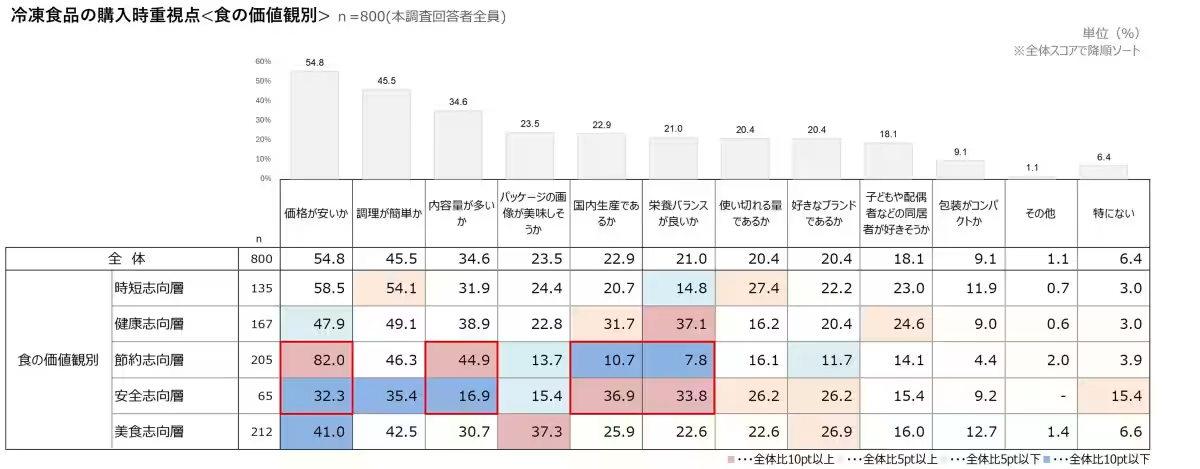
- - Safety Awareness: Interestingly, while price is generally important, consumers who prioritize safety in their meals are more inclined to consider factors like domestic production and nutritional balance over cost.
Frozen Foods' Popularity
As the demand for frozen foods rises, primarily due to the increase in dual-income households and a persisting trend of eating at home post-COVID-19, the consumption per individual in Japan is projected to reach a record 23.6 kg in 2024, as reported by the Japan Frozen Food Association.
Gender Preferences
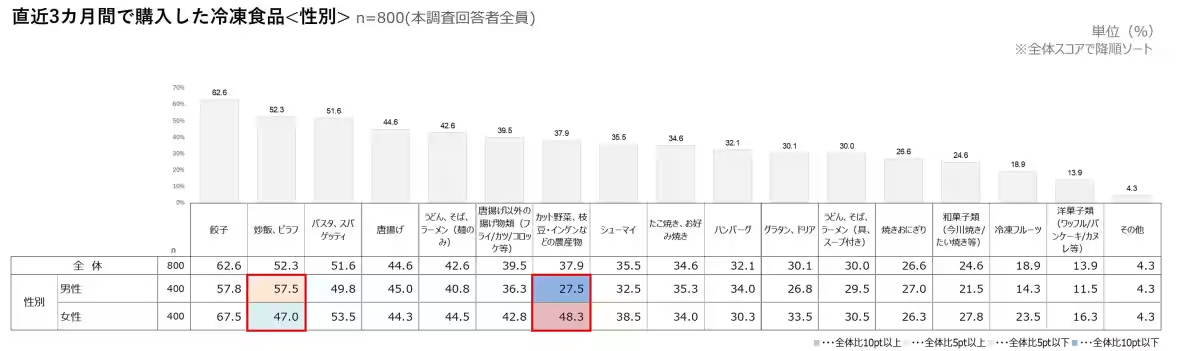
The report also highlighted gender-based differences in purchasing behavior. Males showed a higher preference for Fried Rice and Pilaf compared to females, who leaned towards purchasing fresh vegetables and beans.
Usage Scenarios
Frozen foods are not merely supplementary; they play central roles as main dishes. The data reveals that:
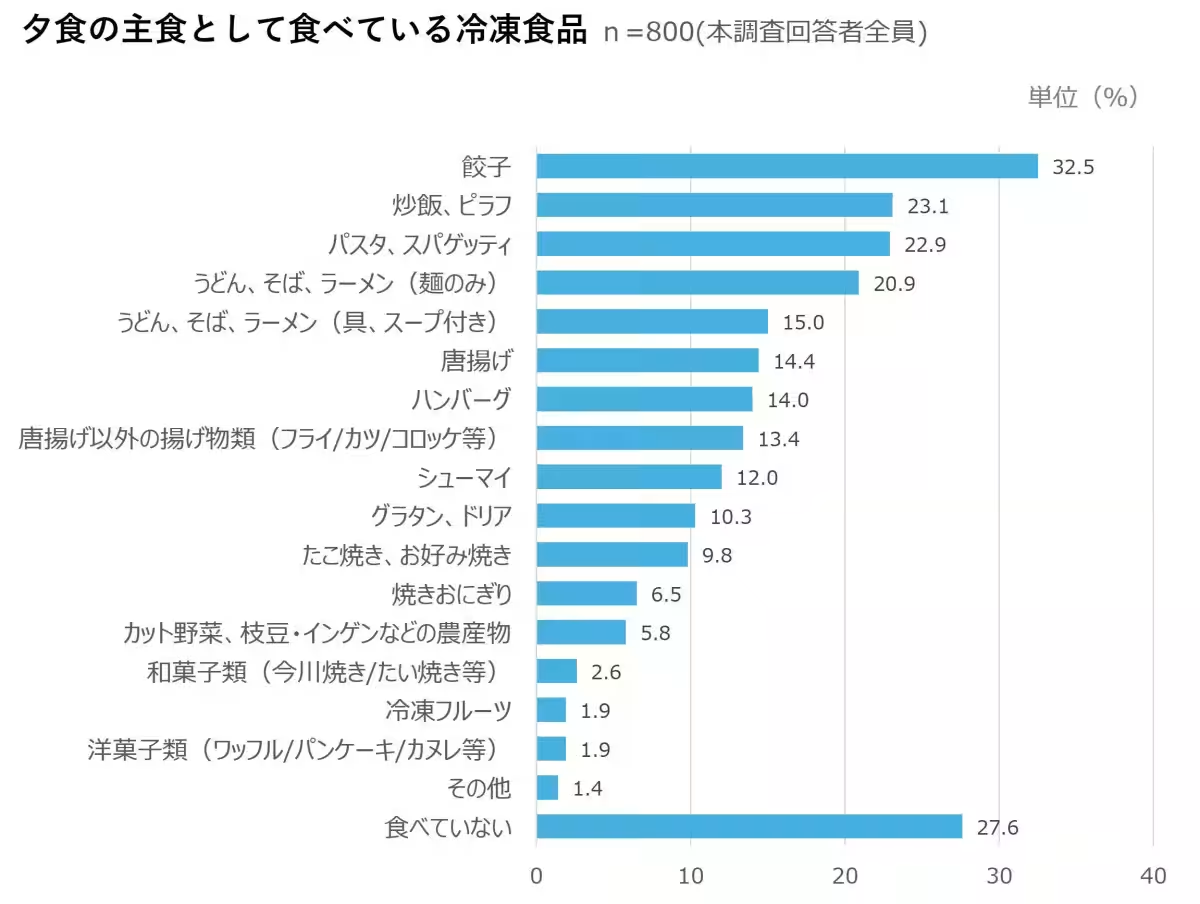
- - Dinner Main Dishes: In the context of dinner, Gyoza remains the top choice (32.5%), followed closely by Fried Rice (23.1%) and Pasta (22.9%).
- - Lunch Main Dishes: For lunch, Pasta is the favorite (35.4%), with Fried Rice (33.1%) and noodle dishes following suit.
Important Purchasing Factors
When considering the factors influencing frozen food purchases, the following were most prevalent:
1. Affordability (54.8%)
2. Ease of Preparation (45.5%)
3. Large Quantity (34.6%)
Continued Demand
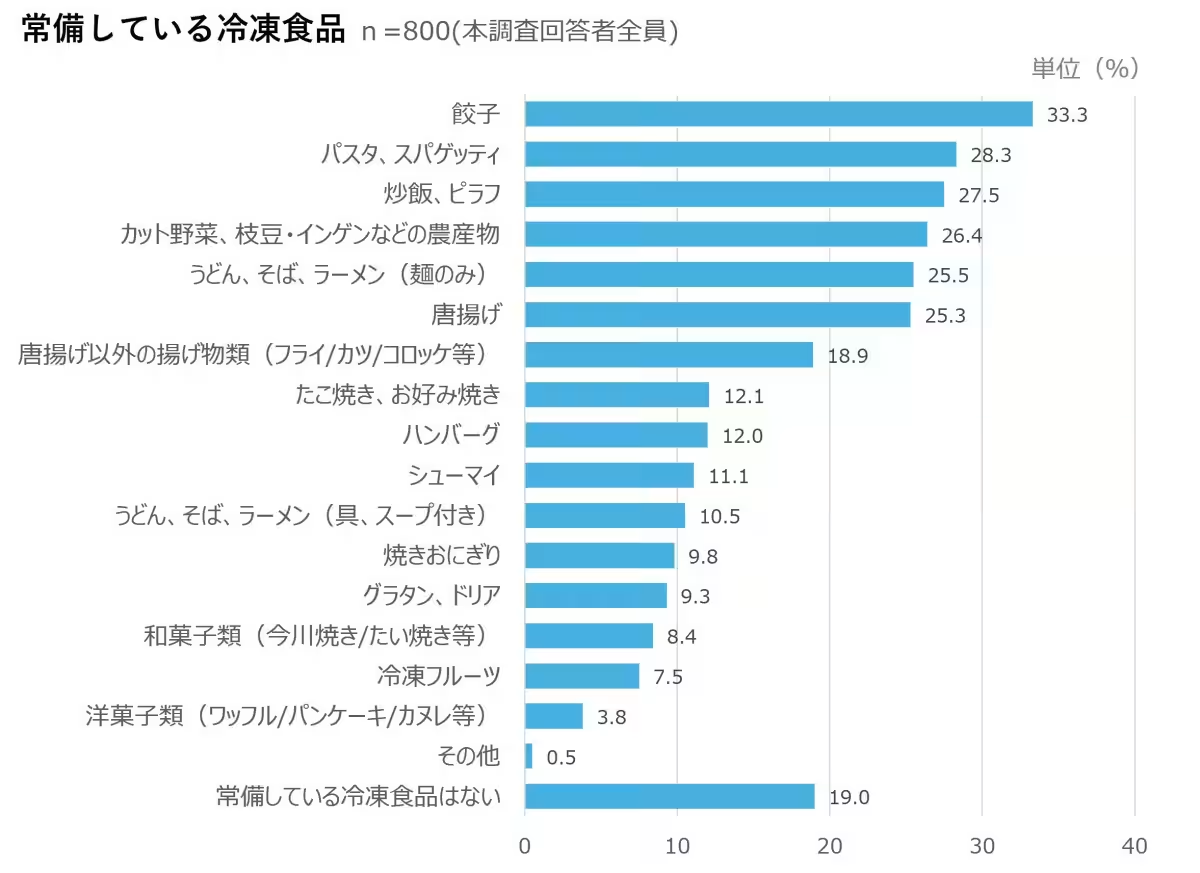
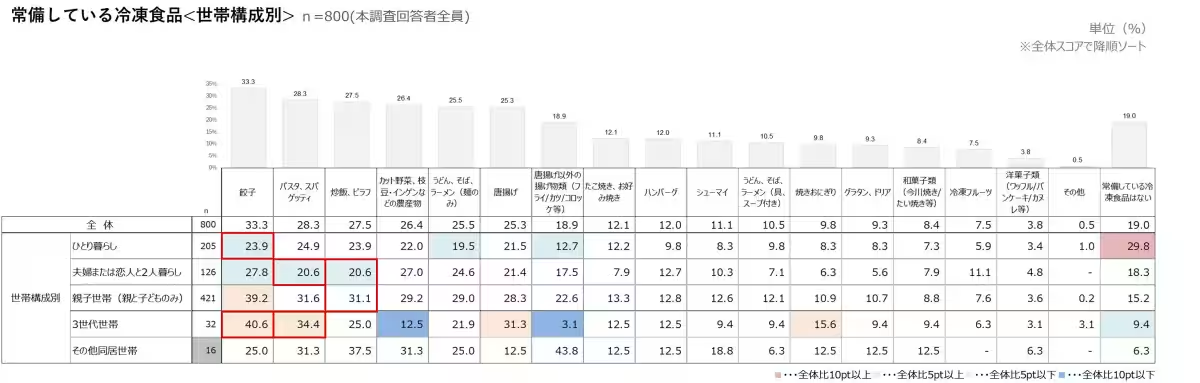
The survey indicates that 80% of respondents regularly keep frozen foods stocked in their freezers, with Gyoza being the standout item (33.3%) followed by Pasta (28.3%) and Fried Rice (27.5%). Interestingly, 90% of three-generation households maintain a stock of frozen foods, showcasing how integral these items have become to family dining.
Conclusion
The data positions frozen foods as not just a convenience, but a staple in modern Japanese households. The blend of affordability, variety, and time-saving aspects underline their growing importance, helping consumers balance food preparation with lifestyle demands. As the market continues to evolve, the role of frozen foods is sure to expand, catering to diverse preferences and needs in the Japanese culinary landscape. These insights provide valuable information for manufacturers and marketers in the food industry aiming to meet consumer demands effectively.
Topics Consumer Products & Retail)
【About Using Articles】
You can freely use the title and article content by linking to the page where the article is posted.
※ Images cannot be used.
【About Links】
Links are free to use.